The Digital Identity Shift: WhatsApp Finally Unveils Username Integration
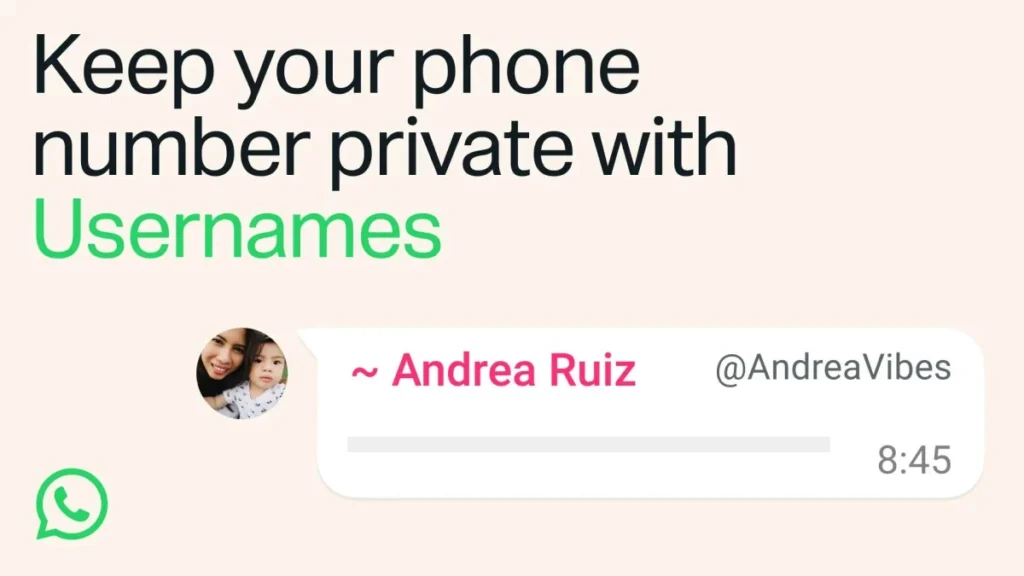
In a move that marks the most significant architectural shift in its platform history, Meta-owned WhatsApp is officially pivoting away from its strictly phone-number-based identity system. After years of speculation, internal testing, and persistent user demand, the messaging giant has announced that it will begin allowing users to reserve unique, personalized usernames starting this week. This transition represents a major evolution for the platform, which has historically relied on the international mobile subscriber identity as the primary tether for all communication.
The Main Facts: Reserving Your Digital Handle
The rollout is structured in two distinct phases: reservation and activation. Starting this week, users will begin to see prompts within their WhatsApp interface allowing them to claim their desired handle. However, the actual implementation—where these usernames become active for communication—will occur gradually throughout the remainder of the year.
WhatsApp has confirmed that the reservation process will be accessible directly through the application’s settings menu. By tapping on their profile photograph, users will be directed to a dedicated section to secure their unique identifier. To facilitate a smoother transition for its existing ecosystem, Meta is also offering users the option to port their existing Facebook or Instagram handles directly to WhatsApp, ensuring brand consistency across the Meta suite.
The system is designed with a "first-come, first-served" logic, a reality that is likely to create significant competition given the platform’s massive global user base of over three billion people. To mitigate "analysis paralysis" during the selection process, the company has integrated a built-in username generator, offering suggestions for those who find their preferred handles already taken.
A Chronology of the Phone-Number Paradigm
To understand the weight of this announcement, one must look at the historical constraints of WhatsApp. Since its inception in 2009, the application was built on the premise that a phone number is the ultimate, immutable identifier. Unlike platforms such as Discord, Telegram, or X (formerly Twitter), which operate on a cloud-based username system, WhatsApp required a SIM card and a verified phone number to initiate any form of account existence.
For over a decade, this was touted as a security feature—a way to ensure that users were real, verifiable individuals. However, as the platform grew from a simple peer-to-peer messaging tool into a complex hub for community groups, business transactions, and professional networking, the limitations of the phone-number-only model became glaring.
- 2014–2018: Early discussions regarding identity privacy began as WhatsApp scaled globally. Users expressed concern over the mandatory disclosure of personal digits to join large group chats.
- 2020–2022: As WhatsApp Business launched, the demand for "professional handles" increased. Small businesses expressed discomfort at the necessity of sharing personal mobile numbers with a broad customer base.
- 2023: Beta testers began reporting hidden strings in the application’s code referencing "usernames" and "handle selection," fueling industry speculation.
- 2024: The official confirmation arrived, signaling the end of the "phone number-only" era.
Supporting Data: Why the Shift is Necessary
The necessity of this change is rooted in both user privacy and the changing nature of digital social behavior. WhatsApp’s internal data and public statements suggest that the primary driver for this feature is the "decoupling" of personal identity from digital availability.
Privacy and the "Digits" Dilemma
For many users, a phone number is an extension of their personal identity, often linked to bank accounts, government services, and private records. Sharing this number in a public WhatsApp group—where members might be strangers—has long been a source of anxiety. By introducing usernames, WhatsApp is effectively creating a layer of abstraction. Users can now share their "handle" with an acquaintance without compromising their physical phone number, providing a necessary buffer between public interaction and private contact information.
Group Dynamics and Spam Mitigation
Group chats have evolved into complex social ecosystems. With the introduction of "Communities," which can host thousands of members, the risk of "number harvesting"—where malicious actors scrape phone numbers from group participant lists—has increased. The introduction of a username system, paired with the new "username key" feature (an optional PIN-like code required to initiate a first-time message), is a direct response to the rising tide of spam and unsolicited outreach.
Official Responses and Strategic Rationale
In their official blog post, the WhatsApp team articulated the rationale behind the change with a focus on human behavior: "A phone number is personal and it’s tied to so many parts of your life. Sometimes you just want to chat without handing over your digits."

Meta’s strategic approach here is to preserve the intimacy of the platform while providing the flexibility of a modern social network. WhatsApp has explicitly stated that there will be no public directory or "searchable" database of usernames. This is a critical distinction from other platforms. By refusing to index users, WhatsApp is intentionally limiting the "social discovery" aspect that plagues platforms like Instagram or X. You must know the exact username to initiate a conversation, which effectively neutralizes the ability for bots to brute-force search for users.
"We want to empower our users to curate their own experience," a Meta spokesperson noted. "By removing the necessity of the phone number as the initial contact vector, we are giving users the power to choose who gets access to their personal contact information."
Implications: The Future of Digital Communication
The move to usernames is not merely a cosmetic update; it is a fundamental shift in the platform’s philosophy that will have lasting implications for users, businesses, and the broader tech landscape.
For the Individual User
The immediate benefit is a granular level of control over one’s digital footprint. Users can now be "findable" in a professional or semi-professional capacity without revealing their private phone number. However, this also introduces a new responsibility: managing an identity. As usernames become a global commodity, "squatting"—the practice of registering popular names to sell them or hold them hostage—is expected to become a challenge that WhatsApp will have to police.
For Businesses and Commerce
For the WhatsApp Business API and small merchants, this is a game changer. Businesses will likely adopt branded usernames (e.g., @CompanyName) that are easier to remember and promote on external marketing materials than a raw phone number. This will streamline the "click-to-chat" conversion funnel, as customers will find it more intuitive to type a handle than a 10-to-15-digit international phone number.
For Security and Anonymity
While WhatsApp claims the system is designed to prevent spam through the "username key" mechanism, security researchers have noted that this shift also complicates the platform’s long-standing reputation for "real-world identity." By adding an abstraction layer, WhatsApp moves closer to the model of Telegram, which has historically been a double-edged sword regarding anonymity. Whether the "username key" will be sufficient to prevent sophisticated spam campaigns remains to be seen.
The End of the "Phone Number" Monopoly
Finally, this change signals a broader trend in the tech industry: the obsolescence of the phone number as the primary unique identifier for the internet. As mobile data replaces cellular voice and SMS, the "phone number" is increasingly becoming a legacy relic. WhatsApp’s decision to adopt usernames is a recognition of this reality, ensuring that the platform remains relevant in a post-SMS world.
Conclusion
As the reservation window opens this week, the digital landscape will likely see a frantic race to claim desirable handles. For WhatsApp, this is a calculated risk. By evolving beyond its rigid phone-number-based roots, it is opening the door to a more flexible, privacy-conscious future, even as it navigates the technical and security challenges that such a massive transition entails.
The platform is no longer just a digital extension of your SIM card; it is becoming a true digital identity hub. Whether this will lead to a more secure, streamlined communication experience or create a new set of challenges regarding identity theft and spam is a question that will be answered in the coming months as the rollout gains momentum. For now, the message to users is clear: your digital identity is about to change, and it is time to stake your claim.