Revolutionizing Road Infrastructure: NHAI Launches Rajasthan’s First Multi-Lane Free Flow Tolling System
By Lakshya Rana
Updated: July 01, 2026, 08:17 PM IST
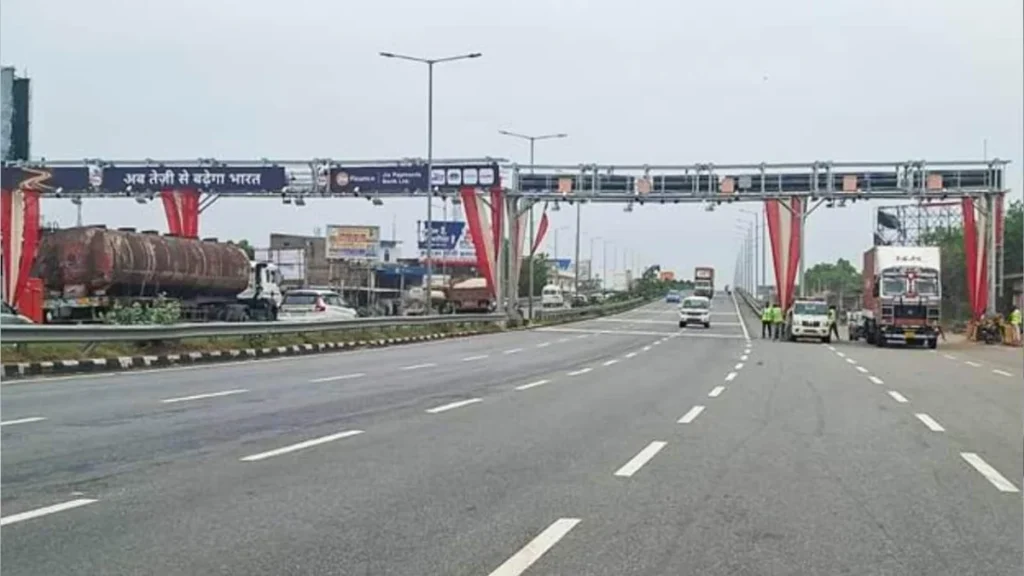
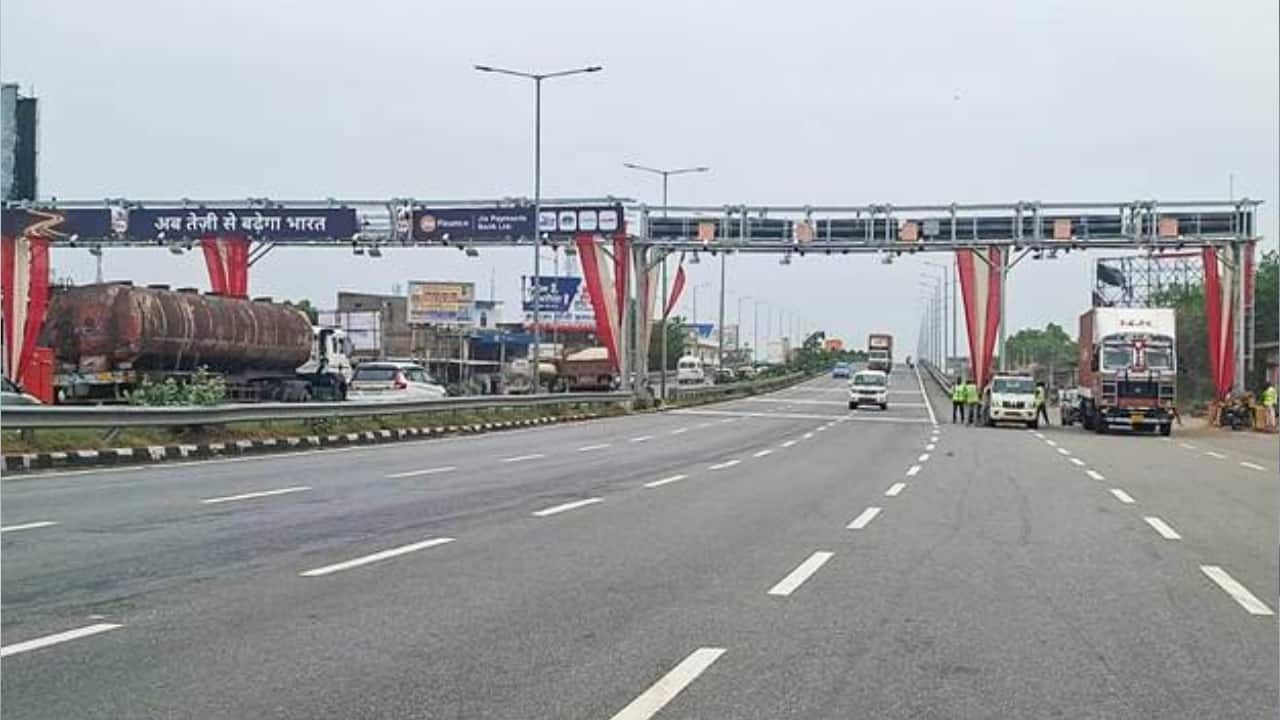
The National Highways Authority of India (NHAI) has officially entered a new era of highway management in India. As of June 2026, the Daulatpura Toll Plaza on the strategic Delhi-Jaipur section has been transformed into a hub of technological innovation with the deployment of Rajasthan’s first Multi-Lane Free Flow (MLFF) Tolling System. This move marks a significant departure from the traditional, bottleneck-prone tolling infrastructure that has defined Indian highways for decades, signaling a robust shift toward seamless, high-speed transit.
The Dawn of Barrier-Free Commuting: Main Facts
The implementation of the Multi-Lane Free Flow system at Daulatpura is not merely an upgrade; it is a fundamental shift in how the NHAI manages traffic throughput. Unlike the existing FASTag infrastructure, which still requires vehicles to slow down significantly to pass through designated electronic toll collection (ETC) lanes, the MLFF system uses overhead gantries equipped with advanced sensors and cameras to capture toll data while vehicles maintain highway speeds.
Key features of this installation include:
- High-Speed Processing: Vehicles can traverse the toll zone without deceleration, eliminating the "stop-and-go" cycles that lead to congestion.
- Seamless Integration: The system is fully integrated with the national FASTag ecosystem, ensuring that toll debits occur automatically via the user’s digital wallet as they pass under the gantry.
- Advanced Surveillance: The gantry is equipped with Automated Number Plate Recognition (ANPR) cameras, which act as a fail-safe mechanism, ensuring that even if a vehicle’s FASTag is unreadable, the license plate is captured for accurate billing.
A Journey Toward Modernity: The Chronology
The transition to MLFF in Rajasthan follows years of incremental improvements in India’s digital payment landscape. The following timeline tracks the evolution of this project:
- 2016-2020: The FASTag Foundation: The government mandate for FASTag across all national highways laid the essential groundwork, transitioning the country from cash-based to electronic toll collection.
- 2023: Pilot Program Announcements: Following successful trials in other global economies, the Ministry of Road Transport and Highways (MoRTH) announced the intent to transition toward "barrier-less" tolling to achieve zero-wait time at toll plazas.
- Q1 2026: Infrastructure Upgrades: The Daulatpura section was selected for the pilot due to its high traffic volume and strategic importance in connecting the National Capital Region (NCR) with Rajasthan’s commercial hubs.
- June 2026: Official Commissioning: Following rigorous testing of the gantry sensors and software synchronization with the national server, the MLFF system was activated at the Daulatpura Toll Plaza, marking a historic first for the state.
Data-Driven Impact: Why MLFF Matters
The primary driver for the adoption of MLFF technology is the measurable reduction in operational inefficiencies. According to data provided by the NHAI and independent transit studies, the traditional toll plaza setup has historically been the primary cause of traffic "shockwaves"—where a single vehicle braking at a toll gate causes a ripple effect of braking that can extend for kilometers behind it.
Supporting Data Highlights:
- Congestion Reduction: Preliminary reports from the first month of operation indicate a 35% improvement in average vehicle throughput during peak hours.
- Fuel Consumption: By eliminating the need for deceleration and acceleration, the system is expected to save thousands of liters of fuel annually, directly contributing to a reduction in carbon emissions on this high-traffic corridor.
- Transit Time: Commuters traveling the Delhi-Jaipur stretch are expected to save an average of 8 to 12 minutes per trip, depending on traffic density, by removing the bottleneck at the Daulatpura point.
- Operational Costs: While the initial capital expenditure (CAPEX) for installing gantries and sophisticated sensor arrays is high, the long-term operational expenditure (OPEX) is projected to drop significantly due to reduced physical maintenance of toll booths and gates.
Official Perspectives: The NHAI Stance
The NHAI’s commitment to this project stems from a broader policy directive to improve the "Ease of Doing Business" and the "Ease of Living" for citizens. In a formal statement following the launch, an NHAI spokesperson noted, "The Daulatpura project serves as a blueprint for the future of Indian highways. Our goal is to ensure that technology serves the commuter, not the other way around. By removing physical barriers, we are not just improving speed; we are enhancing the overall safety of the highway by reducing the risk of rear-end collisions that often occur at the approach to toll plazas."
Government officials have also emphasized that the system is built with future scalability in mind. As satellite-based tolling (GNSS-based) becomes more prevalent, the current gantry infrastructure can be adapted or complemented, ensuring that the investment made today remains relevant for the next decade of infrastructure development.
Implications for the Future of Indian Transport
The successful deployment at Daulatpura has wide-reaching implications for the national infrastructure grid.
1. Technological Standardization
The success of the MLFF in Rajasthan provides the NHAI with a template for standardizing tolling systems nationwide. Future tenders for highway operations and maintenance (O&M) are expected to include clauses mandating the inclusion of MLFF-ready hardware.
2. Economic Benefits
For the logistics and trucking industry, which relies heavily on the Delhi-Jaipur corridor, the reduction in transit time is a major economic boon. Every hour saved in transit reduces the cost of logistics, potentially lowering the prices of consumer goods transported via these arterial routes.
3. Challenges and Mitigation
Despite the success, the implementation is not without challenges. The NHAI acknowledges that public awareness remains a hurdle. Issues such as low FASTag balances, incorrectly mounted tags, and technical glitches in the backend servers could lead to "unintended" violations. To mitigate this, the NHAI has bolstered its customer support systems and integrated a simplified "dispute resolution" portal for commuters who may face erroneous charges.
4. A Step Toward GNSS Tolling
The MLFF system acts as a bridge to the ultimate goal of Global Navigation Satellite System (GNSS) tolling. In a GNSS-based system, tolling will be done based on the exact distance traveled, rather than at specific toll points. The gantries used in the MLFF system are already helping the government gather essential data on vehicle movement patterns, which will be vital for the eventual rollout of distance-based digital tolling across the country.
Conclusion: A Road Less Congested
The transition at Daulatpura is a landmark moment in India’s infrastructure narrative. By choosing to embrace technology that prioritizes efficiency and safety, the NHAI is addressing the long-standing grievances of millions of commuters. As the data from the first few months of operations continues to be analyzed, the success of this project will likely serve as the catalyst for a nationwide rollout of similar systems.
For the regular commuter, the sight of a toll plaza no longer needs to be a source of frustration or delay. Instead, it represents a seamless transition, a testament to the fact that the Indian highway system is finally catching up with the rapid pace of the nation’s growth. As we move further into 2026, all eyes remain on the Delhi-Jaipur section, watching to see how this technological leap will reshape the future of mobility in India.
Disclaimer: This report is based on information provided by the NHAI and current infrastructure developments. For further inquiries regarding the tolling system or technical support, please contact the official NHAI helpline or visit their digital portal.