Motorola Bridges Borders: A Deep Dive into the New ‘Global Connect’ eSIM Ecosystem

In an era where global mobility is no longer a luxury but a fundamental necessity for business travelers, digital nomads, and casual tourists alike, the friction of international roaming remains a persistent pain point. Motorola, a legacy titan of the mobile industry, is looking to dismantle these barriers with the launch of its new application: Motorola Global Connect.
Developed in strategic partnership with the eSIM-as-a-Service provider Gigs, this new software solution aims to streamline how Motorola users access cellular data while traveling abroad. By integrating eSIM technology directly into the user experience, Motorola is moving beyond hardware manufacturing to become a facilitator of seamless global connectivity.
Main Facts: What is Motorola Global Connect?
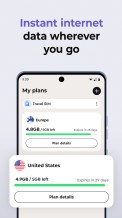
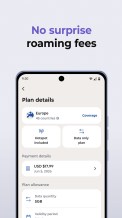
Motorola Global Connect is a specialized Android application designed to provide users with instant, flexible, and affordable mobile data connectivity across international borders. Unlike traditional roaming, which often involves exorbitant fees and complex carrier negotiations, Global Connect leverages eSIM technology—a digital SIM card that allows users to switch between network providers without swapping physical hardware.
Key Features and Functionality:
- Instant Activation: Upon selecting a data plan, the eSIM is provisioned and activated instantly, allowing for immediate connectivity upon landing in a new country.
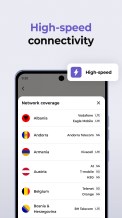
- Broad Coverage: The platform supports 5G connectivity where available and covers over 160 countries, ensuring that users maintain a high-speed data link regardless of their geographic location.
- Pre-installed Integration: To reduce the barrier to entry, Motorola has begun pre-installing the application on a wide range of its compatible modern devices, ensuring that users have access to the service the moment they unbox their phone.
- Tiered Pricing Models: The app offers a variety of data packages tailored to different usage needs, ranging from light browsing to data-intensive professional work, all transparently priced to avoid the "bill shock" associated with traditional roaming.
- Complimentary Trial: As a welcome incentive, new users are granted 1GB of complimentary data, valid across the entire supported network of 160 countries, allowing them to test the service without an initial financial commitment.
Currently, the application is available via the Google Play Store in Brazil, Mexico, Argentina, Peru, and Chile. Motorola has confirmed that a rollout for several European markets is firmly on the roadmap for later this year.

Chronology: The Evolution of Connectivity
The launch of Global Connect is the culmination of a broader shift in the telecommunications industry—a movement toward "software-defined" connectivity.
Phase 1: The Pre-eSIM Era
For decades, international travel required either relying on expensive roaming packages from home carriers or the tedious process of purchasing local physical SIM cards at kiosks. This traditional model was plagued by physical security risks, the potential for SIM card loss, and language barriers in foreign retail outlets.
Phase 2: The Gigs Partnership
Recognizing the demand for a more integrated solution, Motorola entered into a strategic partnership with Gigs, a provider known for its robust eSIM infrastructure. By utilizing Gigs’ API-driven network, Motorola was able to bypass the need to negotiate individual contracts with hundreds of local carriers across the globe, instead providing a unified interface for the end-user.
Phase 3: Regional Deployment and Beta Testing
Motorola initiated the soft launch of the app in Latin America. The selection of Brazil, Mexico, Argentina, Peru, and Chile served as a critical testing ground, allowing the company to optimize network latency, payment processing, and user interface responsiveness.
Phase 4: Future Expansion
With the foundation laid in the Americas, the upcoming European launch represents the most significant scaling effort for the platform. This phase will likely involve navigating the complex regulatory environment of the European Union, where roaming policies are already significantly more consumer-friendly than in other parts of the world.
Supporting Data: Why eSIM is the Future
The shift toward eSIM-centric services like Global Connect is backed by significant market trends. According to industry analysts, the global eSIM market is projected to grow at a compound annual growth rate (CAGR) of over 20% through 2030.
Market Drivers:
- Hardware Efficiency: By removing the physical SIM tray, manufacturers can reclaim internal space within smartphones, allowing for larger batteries or improved camera sensors.
- User Convenience: Modern users prioritize digital-first experiences. The ability to purchase a data plan through an app—much like buying an app or a digital subscription—aligns with consumer expectations in the 2020s.
- 5G Proliferation: As 5G networks become the standard for mobile connectivity, the high-throughput requirements of modern applications necessitate a data solution that is as fast and responsive as the hardware itself.
Comparative Advantage:
| Feature | Traditional Roaming | Motorola Global Connect |
|---|---|---|
| Activation Time | Minutes to Hours | Instant |
| Cost | High (Per MB/Daily) | Competitive (Data-based) |
| Physical Effort | High (Swap SIMs) | Zero |
| Control | Low (Carrier-managed) | High (User-managed) |
Official Perspectives and Strategic Intent
While Motorola has remained focused on the functional rollout, the strategic intent behind Global Connect is clear. By embedding this service, Motorola is positioning itself not just as a manufacturer of handsets, but as a holistic service provider.
A spokesperson for the collaboration noted that the goal was to "eliminate the anxiety of international travel." By providing a predictable, transparent, and user-friendly data experience, Motorola aims to increase the long-term value of its devices. For the consumer, a phone that "just works" anywhere in the world is a phone that they are significantly more likely to keep, upgrade, and recommend to others.
Furthermore, the partnership with Gigs highlights Motorola’s willingness to outsource complex infrastructure to specialists. Gigs’ proprietary technology handles the heavy lifting of global carrier relations, allowing Motorola to focus on what it does best: crafting the mobile interface and ensuring the hardware-software synergy remains seamless.
Implications: The Future of Mobile Connectivity
The introduction of the Motorola Global Connect app has profound implications for the telecommunications industry at large.
1. Disruption of Legacy Carriers
Traditional mobile carriers often rely on high-margin roaming revenue to subsidize their operations. The widespread adoption of eSIM-based alternatives like Global Connect poses a direct threat to this revenue stream, forcing carriers to reconsider their pricing strategies and service models.
2. The "Services-First" Hardware Strategy
Motorola is following in the footsteps of companies like Apple, which have long recognized that the device is merely the "vehicle" for a broader ecosystem of services. By owning the connection point, Motorola can gather valuable data on usage patterns, which can then inform the development of future hardware features and software optimizations.
3. Empowerment of the Modern Professional
For the digital nomad, the ability to maintain a consistent, high-speed, and secure connection is paramount. Global Connect provides the reliability required for video conferencing, large file transfers, and secure VPN usage—all while traveling. This service, in essence, turns the Motorola smartphone into a truly global office tool.
4. A Template for Future Tech Integration
If the European rollout proves successful, we can expect to see similar partnerships across other regions, including Asia-Pacific and North America. Furthermore, this model may eventually extend beyond smartphones to other IoT devices, such as tablets, laptops, and even smartwatches, all linked to a singular, manageable data profile.
Conclusion
Motorola Global Connect is more than just another utility app; it is a manifestation of a fundamental shift in mobile communications. By simplifying the complexities of international roaming and leveraging the potential of eSIM technology, Motorola is enhancing the utility of its devices for a global audience. While the platform is still in its nascent stages, the combination of user-centric design, competitive pricing, and a clear roadmap for expansion suggests that it will be a pivotal player in the future of the connected traveler.
As we look toward the later half of the year, all eyes will be on the European market to see if this model can replicate its success across a more fragmented and highly regulated telecommunications landscape. Regardless of the hurdles, the message from Motorola is definitive: the world is getting smaller, and the tools we use to navigate it are finally catching up.