PM Modi to Unveil ‘UDAN 2.0’: A New Era for Regional Connectivity and Infrastructure in Rajasthan
By Lakshya Rana
Updated: July 03, 2026, 05:40 PM IST
Introduction: A Strategic Push for Aviation
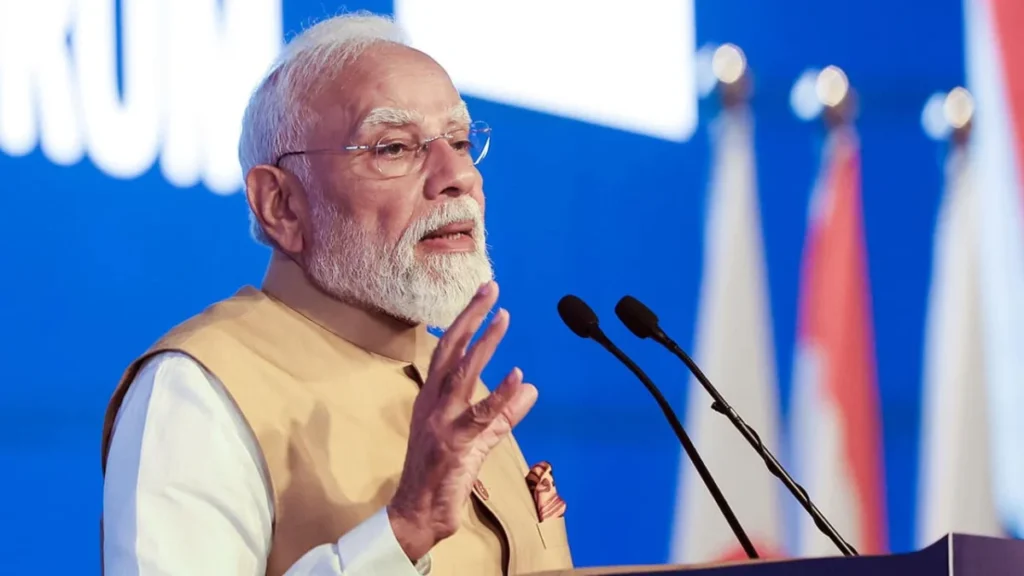
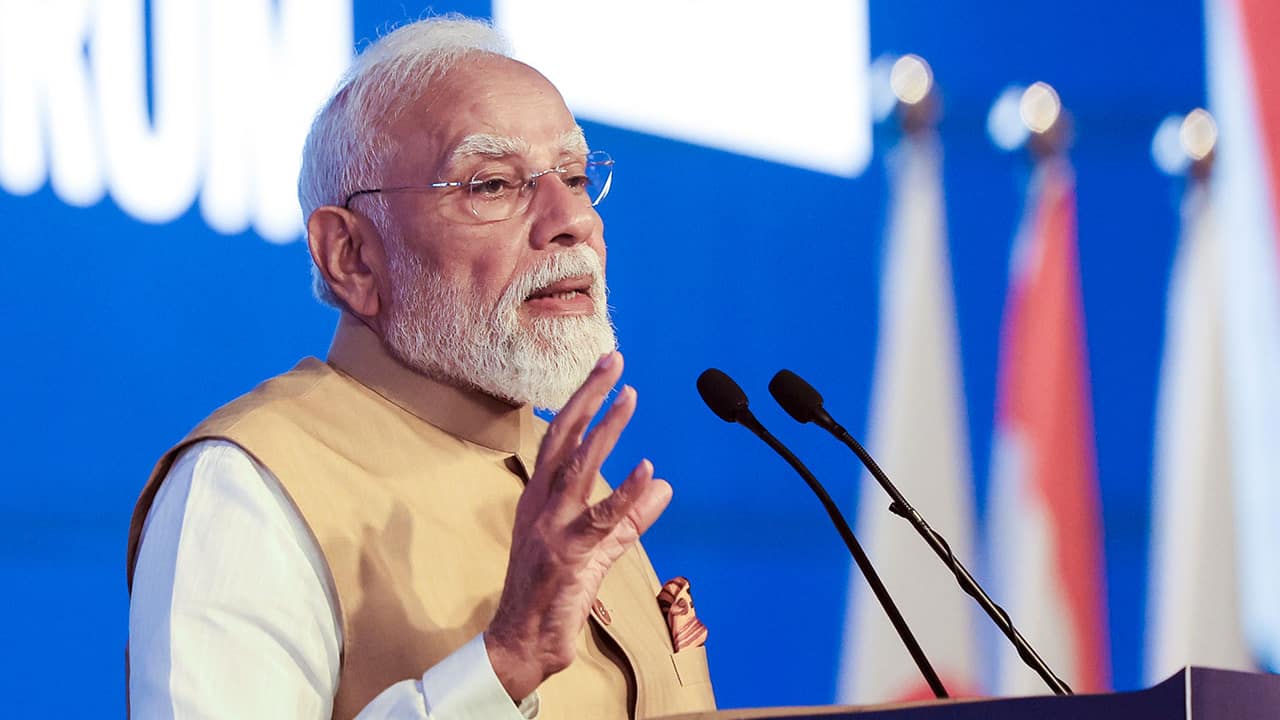
In a significant move aimed at bolstering India’s regional air connectivity and modernizing airport infrastructure, Prime Minister Narendra Modi is scheduled to visit Jodhpur, Rajasthan, on July 4, 2026. During his high-profile visit, the Prime Minister will officially launch the "modified" version of the Ude Desh ka Aam Nagrik (UDAN) scheme—often referred to as UDAN 2.0—and inaugurate the state-of-the-art new terminal building at Jodhpur Airport. This dual-pronged initiative underscores the government’s commitment to making air travel accessible to the common citizen while simultaneously upgrading essential transport corridors to meet the demands of a growing economy.
Main Facts: The Core of the Initiative
The launch of the modified UDAN scheme marks a pivotal shift in India’s civil aviation policy. Since its inception, the original UDAN program has been instrumental in connecting Tier-2 and Tier-3 cities to the national grid. However, the modified version, as scheduled for launch on July 4, aims to address the structural bottlenecks identified over the last decade of implementation.
Key Highlights of the Visit:
- The Modified UDAN Launch: The revised framework focuses on deeper penetration into underserved routes, improved viability gap funding (VGF) models, and a renewed emphasis on sustainable, low-cost operations.
- Jodhpur Airport Expansion: The new terminal building is designed to handle increased passenger footfall, featuring modern amenities, eco-friendly architecture, and expanded check-in facilities.
- Strategic Location: Jodhpur, a major tourist and cultural hub in Rajasthan, serves as a gateway to the Thar Desert. Upgrading its connectivity is expected to provide a substantial boost to the state’s tourism and industrial sectors.
Chronology: The Journey of Regional Connectivity
To understand the significance of this event, one must look at the timeline of India’s regional aviation revolution.
- 2016: The Ministry of Civil Aviation launches the National Civil Aviation Policy, laying the groundwork for the UDAN scheme.
- 2017: The first flight under the UDAN scheme takes off, marking the beginning of an era where "the common man flies."
- 2018–2024: Multiple phases of the UDAN scheme are rolled out, connecting scores of previously unserved or underserved airports. However, challenges regarding operational sustainability and route maintenance persist.
- 2025: The government announces a comprehensive review of the UDAN framework, seeking feedback from stakeholders, airlines, and state governments.
- July 2026: The launch of the modified UDAN scheme, representing a more mature, refined approach to regional connectivity.
The Jodhpur terminal project itself has been a multi-year effort, involving careful coordination between the Airports Authority of India (AAI) and the Rajasthan state government to ensure that the heritage aesthetics of Jodhpur are preserved while integrating cutting-edge airport technology.
Supporting Data: Why Regional Connectivity Matters
The aviation sector in India has been a primary driver of economic growth. According to the Ministry of Civil Aviation, domestic air passenger traffic has seen a compounded annual growth rate (CAGR) of over 10% in the last decade.
- Economic Impact: Statistics indicate that for every 100,000 additional passengers, there is a measurable increase in local job creation and tourism revenue.
- The UDAN Footprint: To date, the UDAN scheme has operationalized over 500 routes. The modified version aims to increase this number by an additional 250 routes within the next three years.
- Jodhpur Specifics: The new terminal at Jodhpur is projected to increase passenger capacity from the current 1.5 million to nearly 3.5 million annually, effectively positioning the airport as a regional hub for Northern and Western India.
Official Responses and Government Vision
Government spokespersons have emphasized that the modified UDAN scheme is not merely an extension of the old one, but a fundamental redesign.
"The Prime Minister’s vision is to make aviation not just a luxury, but a necessity for the aspirational India," stated a senior official from the Civil Aviation Ministry. "The modified UDAN program introduces a more agile bidding process for airlines, incentives for using green fuel, and a focus on ‘hub-and-spoke’ models that ensure better connectivity for the North-Eastern regions and remote terrains."
Regarding the Jodhpur terminal, the Rajasthan State Government has lauded the collaboration, noting that the new facility aligns with the "Viksit Bharat" (Developed India) initiative. The terminal is equipped with solar power arrays and rainwater harvesting systems, reflecting the government’s commitment to "Green Aviation."
Implications: Shaping the Future of Travel
The launch on July 4 carries profound implications for several sectors of the Indian economy.
1. Boost to Tourism
Jodhpur is a crown jewel of Rajasthan tourism. The new terminal will facilitate seamless travel for international and domestic tourists, potentially increasing footfall at the Mehrangarh Fort and Umaid Bhawan Palace. Better connectivity translates to higher hotel occupancy rates and a thriving local handicraft market.
2. Regional Industrial Growth
For business travelers and local entrepreneurs, the increased frequency of flights means faster access to markets in Delhi, Mumbai, and Bengaluru. This infrastructure is a critical prerequisite for attracting large-scale investments in the manufacturing and IT sectors in Rajasthan.
3. Airline Profitability
A major critique of the original UDAN scheme was the financial strain on regional airlines due to operational costs. The modified scheme introduces a more sustainable VGF mechanism, allowing airlines to plan for long-term route viability rather than short-term subsidies. This provides a more stable landscape for private carriers to enter the regional market.
4. The "Common Man" Experience
Beyond numbers, the psychological shift is significant. The democratisation of air travel has allowed families, students, and small-scale traders to opt for air travel over long, arduous train or road journeys. This saves time and increases productivity, acting as a catalyst for socio-economic mobility.
Challenges and Future Outlook
Despite the optimism, the path ahead is not without challenges. Experts point to rising aviation turbine fuel (ATF) costs and the need for skilled aviation personnel to man the growing number of regional airports.
"The modified UDAN scheme is a step in the right direction," says an aviation analyst. "However, its success will depend on the synergy between the central government’s funding and the state governments’ efforts to reduce VAT on ATF and provide land for further expansion."
As the country awaits the events of July 4, 2026, the mood in Jodhpur is one of anticipation. The inauguration of the terminal and the unveiling of the modified policy signal that the Indian aviation sector is ready to transition from a period of rapid expansion to a phase of high-quality, sustainable operations.
Conclusion
Prime Minister Narendra Modi’s visit to Jodhpur is symbolic of a larger national trajectory. By blending infrastructure development—like the new airport terminal—with policy evolution—like the modified UDAN scheme—the government is creating a blueprint for a connected, modern India.
As the sun rises over the "Blue City" on July 4, the inauguration will stand as a testament to the fact that the sky is no longer the limit for the Indian citizen. With better infrastructure, more robust policies, and a vision for inclusive growth, the aviation sector is set to become the backbone of India’s economic resurgence in the coming decade. The citizens of Rajasthan, and indeed the entire nation, look forward to the tangible benefits that this new phase of connectivity will undoubtedly bring.
Note: This report is based on the latest government briefings and public declarations regarding the upcoming inauguration.