Delhi’s EV Policy: A Regulatory Blueprint or a Looming Sectoral Challenge?
Published: July 03, 2026 | Updated: July 03, 2026
The landscape of India’s automotive industry is undergoing a seismic shift, driven by aggressive decarbonization goals and state-level policy interventions. A recent industry report has brought the spotlight firmly onto Delhi’s Electric Vehicle (EV) policy, suggesting that the capital’s regulatory framework is rapidly emerging as a potential template for other Indian states. However, while this shift promises to accelerate the transition toward green mobility, it simultaneously introduces significant risks for the traditional automotive manufacturing sector.
The Core Shift: Delhi as the Policy North Star
For years, the transition to electric mobility in India was characterized by a patchwork of fragmented incentives. Delhi’s EV policy, however, distinguished itself through its comprehensive approach—combining direct consumer subsidies, robust charging infrastructure mandates, and stringent fleet electrification targets.
Analysts now observe that other state governments, eager to meet national emission targets and improve urban air quality, are closely mirroring Delhi’s strategy. By incentivizing both the supply and demand sides, Delhi has created a “stick and carrot” model that is proving effective in urban environments. The report warns that as this model gains traction across the nation, the automotive sector—particularly manufacturers heavily invested in internal combustion engine (ICE) technology—faces an unprecedented period of disruption.
Chronology of a Regulatory Evolution
To understand the current state of affairs, one must examine the timeline of Delhi’s EV trajectory, which has served as a pilot program for the rest of the country:
- August 2020: The Government of Delhi officially notifies its EV Policy, aiming to have EVs constitute 25% of new vehicle registrations by 2024.
- 2021–2022: Aggressive deployment of public charging stations begins. The government introduces the “Switch Delhi” campaign to boost awareness.
- 2023: Delhi begins mandating that aggregators and delivery services transition their fleets to electric power, setting hard deadlines for 100% electrification.
- 2024: The policy enters its maturity phase. High-density charging hubs are established, and subsidies are recalibrated to favor public transport and commercial light-duty vehicles.
- Mid-2026: National trends show that states like Maharashtra, Karnataka, and Tamil Nadu have begun drafting EV frameworks that borrow heavily from the Delhi model, effectively creating a "National Consensus" on aggressive transition timelines.
Supporting Data: The Economic and Industrial Impact
The data supporting the transition is compelling, yet it paints a picture of a sector under pressure.
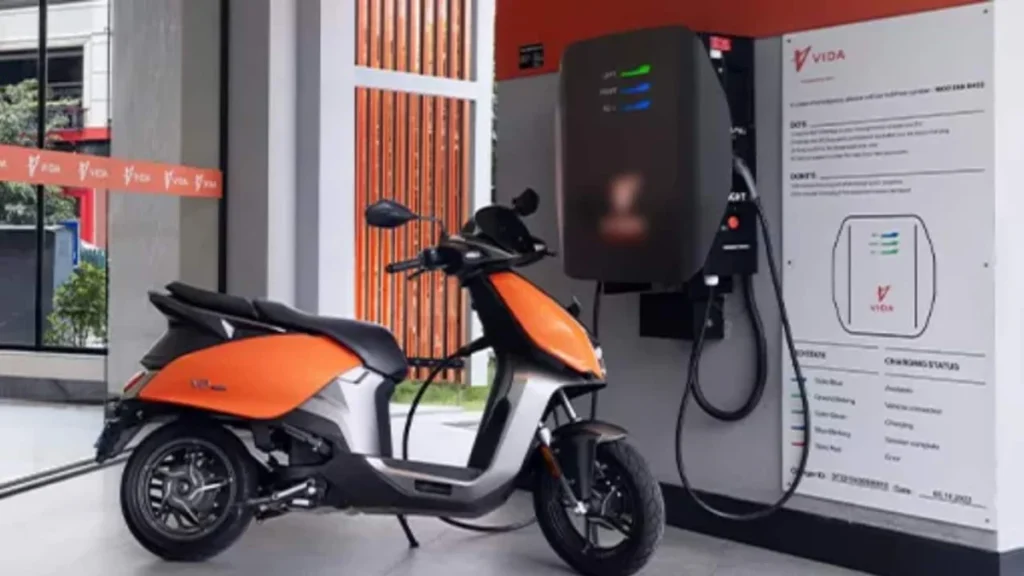
According to recent market research, the penetration of EVs in the two-wheeler and three-wheeler segments in Delhi has surged past 35% in the last 18 months. This has been supported by over 2,000 public charging points and a network of battery-swapping stations. However, the report highlights the "risk factor":
- Investment Mismatch: Traditional OEMs (Original Equipment Manufacturers) have billions of dollars tied up in ICE engine plants. As states mandate EV-only procurement for government and commercial fleets, these legacy assets risk becoming stranded.
- Infrastructure Costs: The report estimates that if five major states adopt the Delhi model, the required investment in grid upgrades and charging infrastructure will exceed ₹50,000 crore over the next three years.
- Job Market Volatility: While the EV sector creates jobs in software and battery technology, the potential closure of ICE-related manufacturing plants poses a significant risk to the current automotive workforce, which is heavily skilled in mechanical transmission and fuel-injection systems.
Official Responses and Stakeholder Perspectives
The industry’s reaction to the potential nationwide adoption of the Delhi model has been mixed, reflecting a tension between innovation and institutional stability.
The Government Viewpoint
Policy makers emphasize that the transition is non-negotiable. Government spokespersons have consistently stated that the public health costs of vehicular pollution far outweigh the short-term economic disruption to the auto industry. "We are not just drafting policies; we are securing a sustainable future," an official noted. The government argues that by providing a clear, uniform policy template, they are actually reducing uncertainty for investors in the long run.
The Automotive Industry’s Stance
Industry bodies representing traditional manufacturers have called for a "balanced transition." They argue that while electrification is the future, the pace of policy change must align with the availability of indigenous raw materials, such as lithium and cobalt, and the development of a localized supply chain. "If states move too fast without a cohesive national manufacturing base, we risk becoming a nation of EV assemblers rather than EV innovators," noted a representative from a leading industry association.
The Broader Implications: A Domino Effect
The report’s most critical warning is the "domino effect" of state-level policy adoption. When Delhi acts, it creates a "proof of concept" that emboldens other states to bypass the trial-and-error phase.
1. Market Fragmentation Risks
If every state adopts a slightly modified version of the Delhi policy, manufacturers may face a "regulatory nightmare." Different states might require different battery standards, charging port configurations, or varying levels of local content, forcing companies to manufacture "state-specific" models. This could erode the economies of scale that have historically made the Indian automotive industry competitive.
2. The Commercial Fleet Revolution
The most immediate impact will be felt in the commercial sector. Delivery companies, ride-hailing services, and logistics providers are being pushed toward electric fleets. As this becomes the standard across the country, the secondary market for used ICE commercial vehicles is expected to collapse, leaving small-scale fleet operators in a difficult financial position.
3. The Shift in Power Dynamics
The transition is effectively shifting power from traditional engineering hubs—centered on internal combustion—to states that offer the best lithium-ion battery manufacturing ecosystems. Regions that fail to pivot quickly may find themselves losing their status as automotive manufacturing hubs to more proactive states.
Conclusion: Navigating the Green Transition
The Delhi EV policy is no longer just a local initiative; it is a signal of the future of Indian mobility. While the report highlights the risks to the traditional auto sector, it also underscores the immense opportunity for growth in renewable energy, battery storage, and digital infrastructure.
To mitigate the risks, the report suggests that policymakers must move toward a unified national framework that prevents the fragmentation of the automotive market. Furthermore, manufacturers must accelerate their pivot toward electric powertrains while seeking government support for the "just transition" of the existing workforce.
As 2026 progresses, the question is no longer whether India will transition to electric vehicles, but how quickly the legacy sector can adapt to a regulatory landscape that is clearly moving at an electric pace. The "Delhi Model" may well become the standard, but its success will depend on the ability of the state and the industry to synchronize their efforts in the face of this monumental change.
Summary of Key Findings:
- Policy Replication: Delhi’s EV framework is the emerging standard for state-level decarbonization in India.
- Sectoral Disruption: Traditional ICE manufacturers face significant threats to legacy assets and investment portfolios.
- Infrastructure Urgency: A transition to a nationwide model requires massive, immediate investment in power grid stability and charging networks.
- Regulatory Need: Industry experts are calling for a national-level policy alignment to prevent a fragmented, state-by-state regulatory environment that could hurt manufacturing efficiency.