Rising Costs for the Next Generation: Samsung’s Galaxy Z Fold8 and Z Flip8 Pricing Revealed
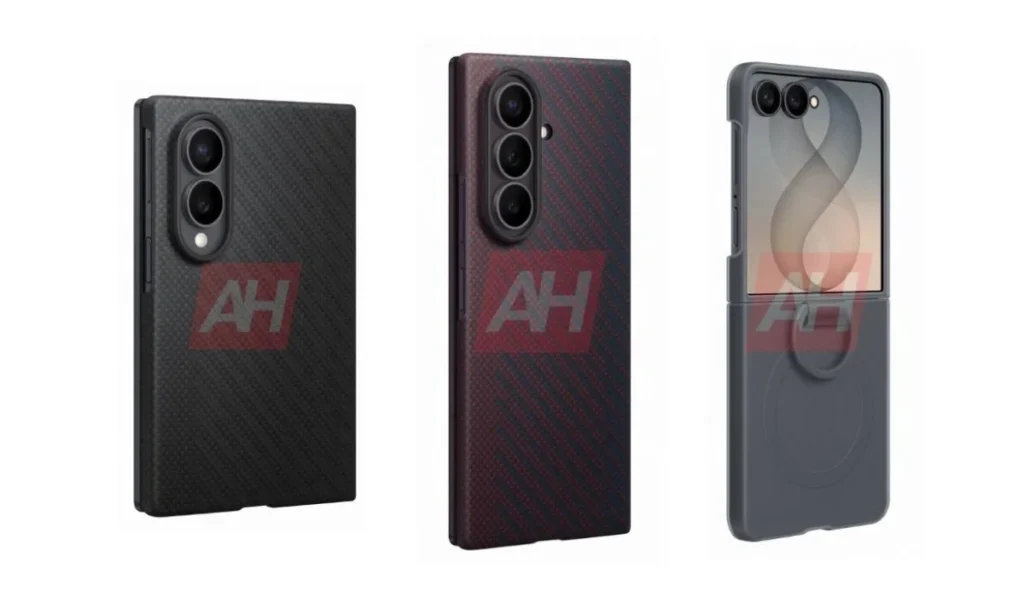
As the global smartphone market braces for the next wave of foldable innovation, Samsung appears poised to shift its pricing strategy significantly. Following initial reports surfacing from European markets, new intelligence emerging from South Korea suggests that the upcoming Galaxy Z Fold8, Galaxy Z Fold8 Ultra, and Galaxy Z Flip8 will carry a notable price premium compared to their predecessors. As consumers eagerly await the next Galaxy Unpacked event, these leaks provide a clearer picture of the financial commitment required to own Samsung’s 2026 flagship foldables.
Main Facts: The Cost of Innovation
According to a recent report from industry analysts in South Korea, Samsung is planning a structural price increase for its upcoming foldable lineup. The consensus among market insiders is that the new generation of devices will see an uptick of approximately KRW 200,000 (roughly $150 USD) across the board when compared to the current Z Fold7 and Z Flip7 series.
For the South Korean domestic market, the pricing structure is expected to look as follows for the base 256GB storage configurations:
- Samsung Galaxy Z Flip8: Expected to retail at approximately KRW 1,683,000 (approx. $1,099).
- Samsung Galaxy Z Fold8: Expected to retail at approximately KRW 2,278,000 (approx. $1,499).
- Samsung Galaxy Z Fold8 Ultra: Positioned as the premium tier, this model is expected to carry a starting price of KRW 2,577,000 (approx. $1,685).
These figures reflect a deliberate move by Samsung to segment its foldable offerings, particularly with the introduction of the "Ultra" moniker to the foldable category for the first time. By pushing the ceiling of the Fold series toward the $1,700 mark, Samsung is signaling a focus on premium hardware, likely bolstered by significant upgrades in camera sensors, battery technology, and chassis durability.
Chronology: The Road to Galaxy Unpacked
The roadmap for the 2026 foldable launch has become increasingly clear through a series of tactical leaks and industry whispers. The timeline for the release cycle is as follows:
- July 22: The global stage is set for the Galaxy Unpacked event in London, UK. This is where Samsung is expected to formally unveil the technical specifications and design language of the new lineup.
- July 28: Pre-orders for the devices are slated to open for the South Korean market. This date marks the beginning of the consumer acquisition phase, where early adopters are typically incentivized with trade-in bonuses and storage upgrades.
- August 4: The pre-order window is expected to conclude. This date serves a dual purpose, as it is also earmarked as the commencement of shipping for pre-order customers.
- August 7: The official retail launch, or "open sales," is projected to begin, marking the moment these devices hit physical store shelves and general online retailers globally.
This aggressive timeline suggests that Samsung is looking to maintain momentum throughout the late summer months, ensuring that the devices reach customers’ hands before the onset of the traditional holiday buying season.
Supporting Data: Why the Price Hike?
To understand why Samsung is opting for a price increase, one must look at the macro-economic and technological factors influencing the smartphone industry in 2026.
Advanced Component Costs
The jump in pricing is largely attributed to the rising costs of raw materials and advanced component integration. The Galaxy Z Fold8 Ultra, in particular, is rumored to feature a titanium-alloy frame and a significantly thinner hinge mechanism, both of which require more sophisticated manufacturing processes. Furthermore, as the industry transitions to more power-efficient and high-performance chipsets, the per-unit cost of silicon has risen, forcing manufacturers to pass these expenses on to the consumer.
R&D and Market Positioning
Samsung has spent years refining the "foldable" form factor. The transition from the Z Fold7 to the Z Fold8 represents the refinement of the screen-crease technology and the implementation of a new under-display camera (UDC) iteration. Research and Development (R&D) costs for such bespoke technology are immense. By segmenting the lineup into standard and "Ultra" versions, Samsung is attempting to capture both the mainstream foldable enthusiast and the power user who is willing to pay a premium for the absolute peak of mobile engineering.
Official Responses and Corporate Strategy
As of this writing, Samsung Electronics has maintained its traditional "no comment" stance regarding unreleased product pricing. It is standard corporate policy for the company to withhold pricing confirmations until the official keynote address. However, industry analysts note that Samsung’s recent earnings calls have highlighted a strategic pivot toward "premiumization."
During the most recent investor briefing, leadership indicated that the company aims to bolster its average selling price (ASP) by focusing on high-margin devices. This strategy aligns perfectly with the leaked pricing data. By prioritizing the "Ultra" tier, Samsung is effectively insulating itself against the volatility of the mid-range market, focusing instead on a consumer base that prioritizes brand loyalty and top-tier specifications.
Implications for the Smartphone Market
The decision to raise prices for the Galaxy Z series has significant implications for the wider mobile ecosystem.
1. Competitive Pressure on Rivals
Samsung’s move will be closely watched by competitors like Google, Xiaomi, and OnePlus. If Samsung successfully markets the Z Fold8 Ultra at the $1,700 price point, it provides the "green light" for other manufacturers to adjust their own flagship foldable pricing upward. Conversely, if Samsung sees a dip in adoption due to these prices, it may open a window for smaller competitors to capture market share through aggressive "value-focused" foldable pricing.
2. The Shift Toward Long-Term Ownership
Higher prices typically correlate with longer device support cycles. Consumers paying nearly $1,700 for a phone will increasingly demand longer software update guarantees. Samsung has already set a high bar with its seven-year update policy, and this pricing strategy suggests they intend to lean further into the "investment" aspect of high-end hardware, framing the device as a long-term asset rather than a two-year disposable commodity.
3. The "Ultra" Effect
The introduction of the Fold8 Ultra suggests that the foldable market is maturing. Much like the S-series evolution, where the "Ultra" model became the standard-bearer for the entire smartphone industry, the Fold8 Ultra aims to become the definitive productivity tool. If this model succeeds, we can expect "Ultra" branding to become a permanent fixture in the foldable ecosystem, potentially leading to the eventual phasing out of base-model foldables in favor of a more consolidated, premium-heavy portfolio.
Conclusion: A High-Stakes Gamble
The upcoming Galaxy Unpacked event in London is shaping up to be one of the most consequential in Samsung’s recent history. By pushing the price boundaries of the Z Fold and Z Flip series, Samsung is testing the elasticity of the premium smartphone market.
While the projected price hike of KRW 200,000 may deter some casual buyers, the inclusion of the Galaxy Z Fold8 Ultra indicates that Samsung is betting on the loyalty of its power users. With the launch date fast approaching, the global tech community is waiting to see if these devices can deliver the hardware advancements necessary to justify such a premium price tag.
For the average consumer, the message is clear: if you are planning to upgrade to the latest foldable technology this August, you should prepare your budget accordingly. The era of the "Ultra" foldable is nearly here, and it carries with it the highest price tag yet seen in the foldable revolution. Whether the market is ready to pay the price remains the ultimate question for Samsung’s 2026 fiscal year.