Digital Siege: FBI Dismantles "Popa" Botnet and NetNut Residential Proxy Network
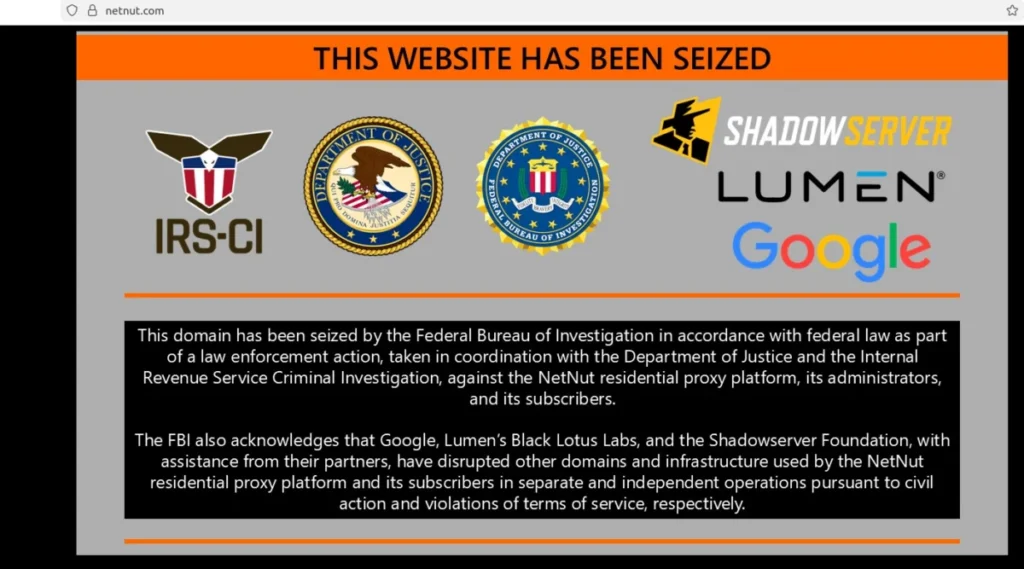
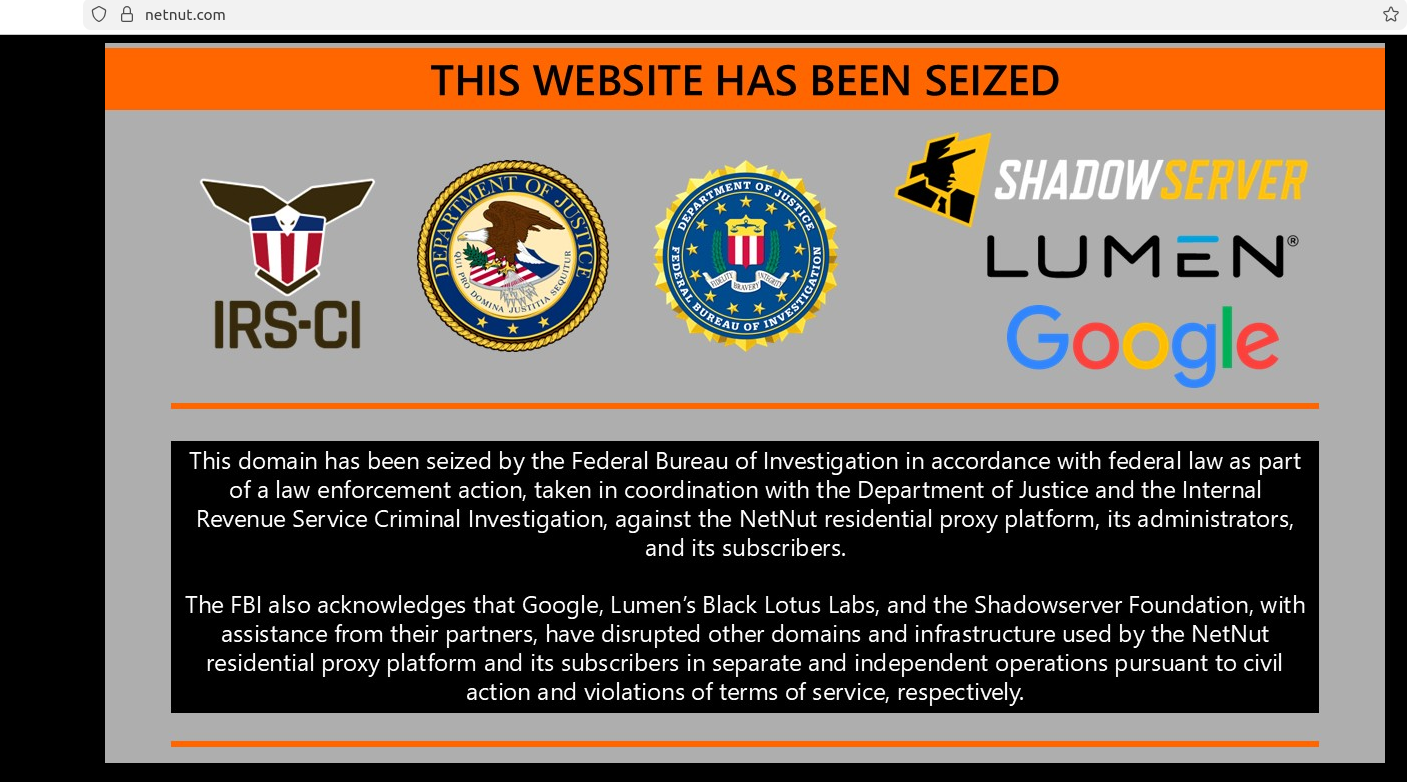
In a sweeping operation targeting the infrastructure of global cybercrime, the Federal Bureau of Investigation (FBI), supported by the Internal Revenue Service (IRS) Criminal Investigation division and a coalition of private sector technology giants, has successfully seized hundreds of domains associated with NetNut. The service, a pervasive residential proxy network operated by the publicly traded Israeli firm Alarum Technologies [NASDAQ: ALAR], has long been accused of functioning as a conduit for malicious activity by facilitating the "Popa" botnet—a massive, involuntary network comprised of approximately two million compromised consumer devices.
The takedown represents a significant escalation in the war against residential proxy providers, which cybercriminals use to obfuscate their digital footprints. By masking their true IP addresses behind the hijacked residential connections of unsuspecting consumers, bad actors have successfully bypassed security filters, conducted massive account takeovers, and engaged in large-scale advertising fraud.
The Anatomy of the Operation
The federal intervention occurred just two weeks after a flurry of research reports—including findings published by KrebsOnSecurity—exposed the symbiotic relationship between NetNut and the Popa botnet.
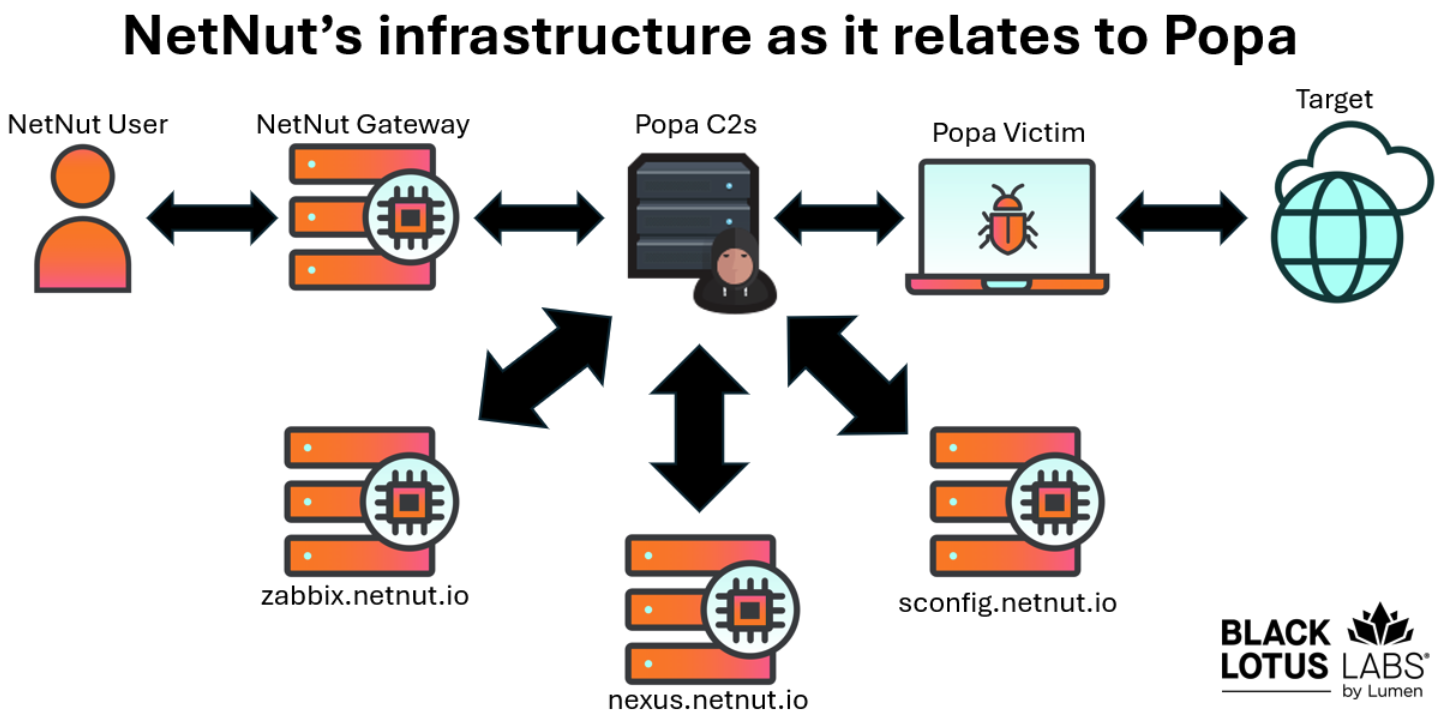
The mechanism was deceptively simple yet devastatingly effective. NetNut utilized software development kits (SDKs) embedded within innocuous-looking consumer applications—often found on low-cost Android streaming boxes, smart TVs, and streaming dongles. Once installed, these SDKs transformed the user’s home network into an "always-on" proxy node.
Without the explicit consent or knowledge of the device owner, the hardware was then rented out to third-party users. These customers, often threat actors, channeled malicious traffic through these home networks, effectively using the victim’s ISP reputation to perform illicit tasks while shielding themselves from law enforcement detection.
Chronology of a Takedown
The collapse of NetNut was not an overnight event, but rather the result of a coordinated, months-long investigation involving cross-industry intelligence sharing.
- Mid-2026: Security researchers began identifying a spike in traffic originating from residential IP addresses associated with "Popa," a botnet specifically targeting Android-based streaming hardware.
- June 19, 2026: Three independent security firms released concurrent findings linking the Popa botnet directly to NetNut’s infrastructure.
- Late June 2026: Google’s Threat Intelligence Group (GTIG) intensified its monitoring, observing 316 distinct clusters of threat actors using NetNut exit nodes within a single week.
- Early July 2026: The FBI and IRS-CI moved to seize hundreds of domains linked to the proxy service.
- July 8, 2026: The parent company’s primary corporate domain, alarum.io, was seized by federal authorities. Alarum Technologies’ stock price plummeted, losing roughly 67% of its value in a single week to settle near $2.62 per share.
Supporting Data: The Scale of the Abuse
Google’s post-seizure analysis provided a sobering look at the scale of the operation. GTIG confirmed that NetNut’s network was widely resold and white-labeled, meaning many smaller proxy providers were unknowingly—or perhaps willfully—acting as fronts for the NetNut/Popa infrastructure.
"These bad actors can use NetNut to mask their origin IP address when accessing victim environments, accessing their own infrastructure, and conducting password spray attacks," Google noted in its report. "Furthermore, when a consumer device becomes an exit node, unauthorized network traffic passes through it. This means bad actors can access other private devices on the same home network, effectively exposing them to Internet threats."
The impact is not merely limited to the proxy service itself. Research by the proxy tracking service Synthient suggests that the Popa botnet’s integration with these residential proxies has created a "force multiplier" for cybercriminals. By tunneling into home networks via these proxies, attackers have been able to leapfrog from a compromised TV box to other sensitive devices—such as home computers, NAS drives, and IoT security cameras—located behind the same firewall.
Official Responses and Corporate Accountability
In the wake of the seizures, the landscape of digital accountability has shifted. Omer Weiss, legal counsel for Alarum Technologies, issued a statement confirming that the company is aware of the seizure and is cooperating with federal investigators.
"Alarum takes this matter seriously and will fully cooperate with law enforcement to ensure any misuse of its infrastructure is thoroughly investigated and those responsible are held to account," Weiss stated.
However, industry experts remain skeptical of the "good actor" defense for proxy providers. Benjamin Brundage, founder of Synthient, pointed out that the takedown of NetNut creates a massive vacuum in the cybercrime economy. "I think this takedown is going to have a big impact, because NetNut gained significant popularity after the IPIDEA takedown," Brundage noted. "NetNut has been incredibly common among resellers, and they were on par with IPIDEA in terms of their daily traffic, quality, size, and price."
Implications for the Ecosystem
The disruption of NetNut, while a major victory, highlights the "Hydra-like" nature of the residential proxy market. As seen with the previous takedown of IPIDEA, these networks often exhibit high levels of resilience by pivoting their business models or shifting to a reseller-heavy architecture.
The "White-Labeling" Problem
Google’s intelligence suggests that many of the remaining "legitimate" proxy providers are simply resellers of the same compromised botnet infrastructure. This presents a systemic risk to the internet at large. When a service is taken down, the operators often simply purchase capacity from a competitor, effectively morphing from an infrastructure operator into a reseller.
Google has pledged to continue scaling its efforts to target the interconnected web of providers, acknowledging that "creating a lasting disruption in this fluid ecosystem means we must scale our efforts to target the infrastructure of several interconnected providers."
The Consumer Vulnerability
The crisis has brought renewed attention to the security of consumer electronics. Many inexpensive streaming boxes sold via global e-commerce platforms arrive with "dirty" software—operating systems that bypass Google’s Play Protect certification and come pre-loaded with proxy SDKs.
Research from Spur indicates that this is not just a problem for "sketchy" devices. Their analysis revealed that 42% of applications available on LG’s webOS and over 25% of apps on Samsung’s Tizen operating system contained SDKs that could turn a television into a proxy node.
The security community’s advice is increasingly blunt:
- Stick to reputable brands: Avoid off-brand, inexpensive TV boxes that lack proper certification.
- Verify Certification: Consumers can check if their device is certified via Google’s official support channels.
- Audit your Apps: Be highly judicious about what applications are installed on smart TVs. If an app seems to offer "free" content that is usually behind a paywall, it is highly likely to be a vehicle for proxy software or other malicious payloads.
Looking Ahead
The fall of NetNut serves as a critical warning to both the cybercrime community and the technology industry. The ease with which a public company’s infrastructure was integrated into a global botnet underscores a significant failure in supply chain security and corporate due diligence.
As the FBI continues its probe into Alarum Technologies, the broader digital ecosystem faces a period of volatility. While the seizure of NetNut and the Popa botnet has undoubtedly caused "significant degradation" to the capacity of cybercriminal groups, the battle is far from over. The residential proxy market has proven to be a highly lucrative, albeit illegal, enterprise, and as long as there is demand for masked IP addresses, the incentive for new, more sophisticated networks to emerge will remain.
For now, the seizure serves as a powerful reminder that the devices we bring into our homes—from the humble TV streaming box to the high-end smart display—are not just endpoints. They are potential conduits for global digital crime, and their security is now a frontline issue in modern cybersecurity.