The AI Evolution: Breakthroughs in Design, Video Production, and Enterprise Platforms
Main Facts
The artificial intelligence landscape is undergoing a massive paradigm shift, driven by major hardware and software updates from industry giants like Anthropic, Google, and OpenAI. Marketers, developers, and enterprise leaders are no longer just experimenting with isolated chatbots; they are building robust, cross-platform workflows that blend text, video, voice, and visual design.
Key developments dominating the tech and marketing spheres include:
- Workflow Agility: Professionals are moving away from platform lock-in, successfully migrating workflows between tools like ChatGPT and Claude mid-task.
- Democratization of Video and Print: Generative tools like Google’s Gemini Omni and ChatGPT-Canva integrations are allowing solo entrepreneurs to produce studio-quality multimedia assets without technical graphic design or film crew backgrounds.
- Next-Gen Model Releases: Anthropic’s Claude Sonnet 5.5, Google’s Gemini 3.8 Live (with Live Avatar) and Text-to-Speech models, and OpenAI’s GPT-6 Sol and Luna models are redefining speed, cost-efficiency, and multimodal capabilities.
- The Rise of Autonomous Agents: OpenAI’s DevDay 2026 announcements introduced persistent, always-on agent systems designed to integrate deeply with third-party software and serve a staggering user base of 1.2 billion weekly active users.
Chronology of Recent Innovations
The pace of AI releases has accelerated dramatically, creating a continuous stream of updates that redefine productivity standards.
- Early 2026: AI workflow strategies mature. Practitioners begin focusing on portable systems that function independently of specific LLMs, ensuring business continuity during outages.
- Mid-2026: Visual and print design tools converge. Marketers utilize ChatGPT’s advanced client-briefing capabilities alongside Canva’s Magic Layers to rapidly iterate physical and digital print assets. Concurrently, video creation is democratized via Gemini Omni, allowing everyday creators to build digital twins and edit real footage using natural language prompts.
- DevDay 2026 and Beyond: OpenAI launches a massive wave of over 20 updates, pushing ChatGPT past conversational assistance and into a full agent and developer platform. Simultaneously, Anthropic introduces Claude Sonnet 5.5, focusing on speed and cost reduction, while Google rolls out real-time visual avatars and extensive connected app integrations for the Gemini ecosystem.
Supporting Data and Technical Breakthroughs
The latest generation of AI models represents a clear leap forward in computational efficiency, speed, and cross-platform utility.
- Performance and Efficiency Gains: Anthropic’s Claude Sonnet 5.5 delivers responses more than 30% faster while consuming fewer tokens per task compared to its predecessor. It is strategically priced and engineered to sit comfortably between the high-volume Haiku 5.5 and the ultra-capable Opus 5.5 models.
- Cost Reductions: OpenAI’s newly introduced GPT-6 Sol and Luna models cut API pricing by 50% relative to older iterations, dramatically lowering the financial barrier for running scaled enterprise applications and long-running autonomous agent conversations.
- Multimodal and Global Reach: Google’s Gemini 3.8 Live supports real-time interactions across 97 languages, combining speech and video generation with background tool execution.
- Massive Scale: OpenAI’s ecosystem now interacts with approximately 1.2 billion weekly users, turning developer APIs, plugins, and marketplaces into critical infrastructure for modern software deployment.
Official Responses and Industry Perspectives
As AI tooling matures, industry leaders and strategists are emphasizing resilience, systems thinking, and practical implementation over chasing fleeting tech trends.
- The Shift to Portable Systems: AI workflow expert Nicole Leffer demonstrated the resilience of modern tool stacks when Claude experienced an unexpected outage during a live presentation. By immediately opening the exact same file in ChatGPT and picking up precisely where she left off, Leffer underscored a vital industry truth: Tools change, but systems shouldn’t. Experts advise building AI workflows that are platform-agnostic to safeguard business operations.
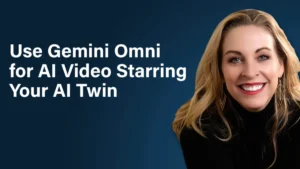
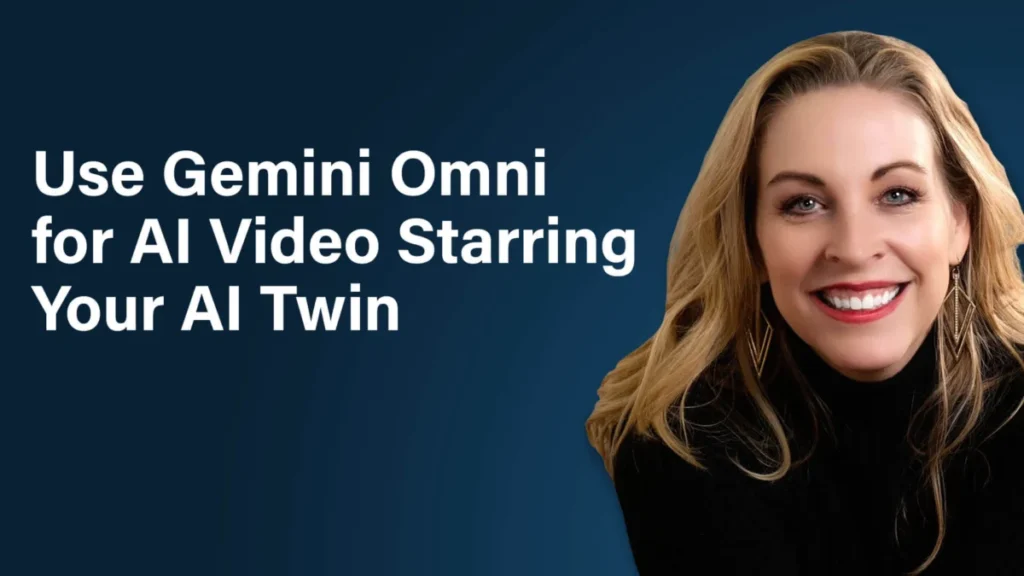
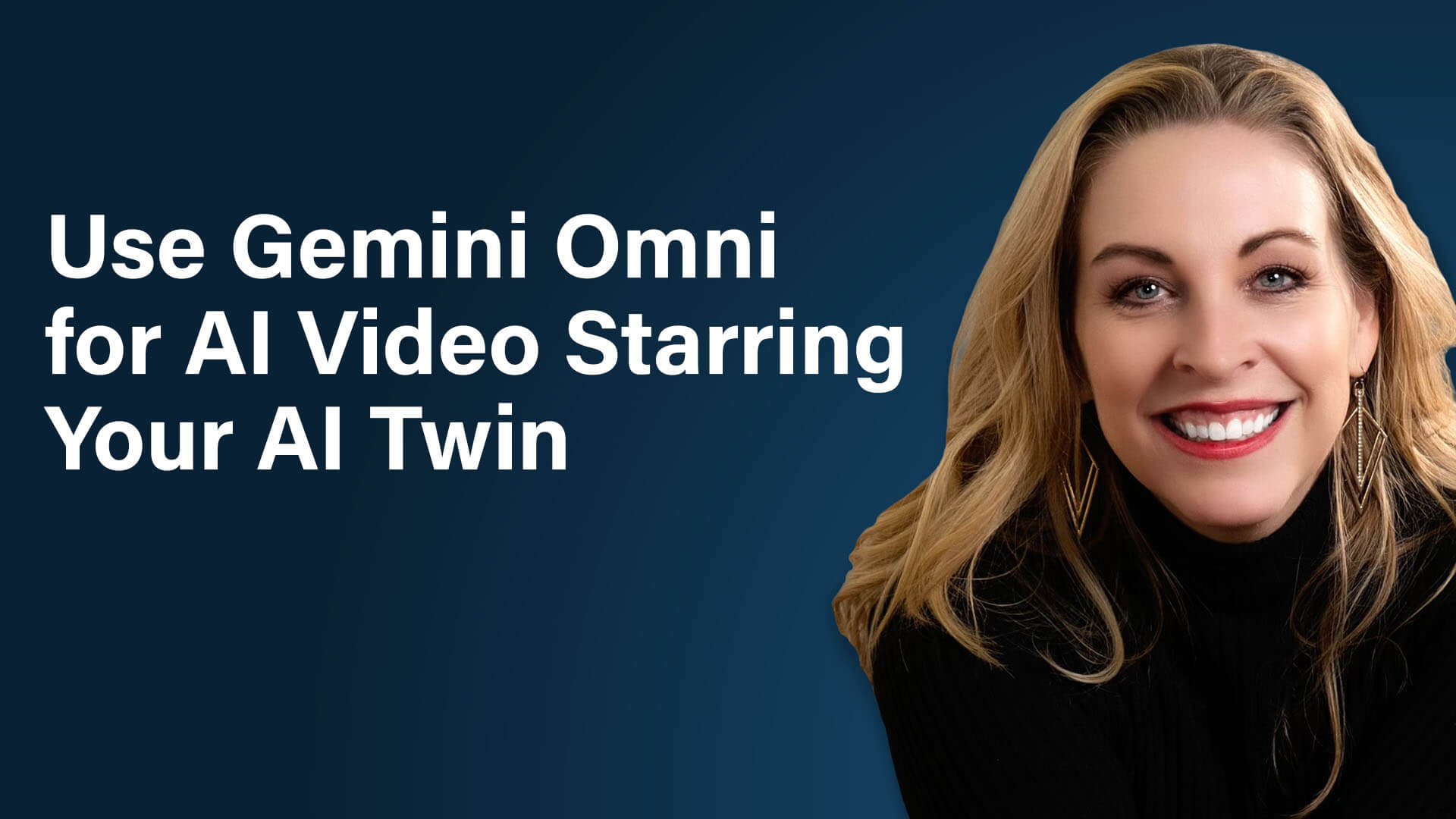
- Simplifying Content Creation: AI video strategist Eve Whitaker highlights that professional video production no longer requires specialized technical prompting or expensive hardware. By utilizing tools like Gemini Omni, creators can deploy AI twins, execute seamless scene transitions, and generate scroll-stopping hooks using standard conversational language.
- Strategic Enterprise Integration: Companies like Google and OpenAI are actively positioning their models as comprehensive ecosystems rather than standalone chatbots. By opening up APIs, launching developer spaces, and introducing connected app ecosystems (such as Airtable, Linear, monday.com, Adobe, Squarespace, and Webflow), these organizations are responding to enterprise demands for centralized, frictionless productivity.
Implications for Marketers, Developers, and Enterprises
The convergence of faster models, cheaper APIs, and multimodal generative tools carries profound implications for the future of work.
1. The Death of Platform Lock-In
The ability to seamlessly transfer context and workflows between competing large language models (such as moving from Claude to ChatGPT) changes how organizations approach software adoption. Businesses are prioritizing open, modular frameworks over proprietary ecosystems, ensuring they can pivot instantly if a service goes down or if a competitor releases a superior model.
2. Generalists Empowered as Multimedia Studios
Small business owners and lean marketing teams are wearing fewer hats out of necessity. With AI tools bridging the gap between text, print-ready graphics, and cinematic video production, a single marketer can now conceptualize, design, and execute multi-channel campaigns that previously required entire creative departments.
3. The Shift to Autonomous Agent Workflows
With OpenAI’s introduction of always-on "Dots" agents and Google’s live visual avatars, the paradigm is shifting from prompt-and-wait to delegate-and-review. AI is evolving from a passive assistant into an active participant capable of executing complex, multi-step professional workflows across third-party software applications without constant human intervention.
4. Continuous Upskilling vs. Tool Chasing
With weekly headlines introducing new capabilities, professionals face the danger of "tool fatigue." Industry conferences and specialized training communities—such as the AI Business Society and AI Business World—are stepping in to help practitioners separate high-impact implementations from short-lived hype, ensuring that teams can extract immediate, practical ROI from every technological leap.