Hyundai Motor India Maintains Strong Momentum: A Deep Dive into the 2026 Passenger Vehicle Surge
Executive Summary: Sustained Growth in the Indian Automotive Landscape
In an era of shifting consumer preferences and evolving economic landscapes, Hyundai Motor India Limited (HMIL) has solidified its position as a dominant force in the domestic passenger vehicle market. According to the latest data released by the Society of Indian Automobile Manufacturers (SIAM) for the period spanning January through May 2026, Hyundai recorded sales of 266,317 units. This figure represents a robust year-on-year growth of 10.1 percent compared to the same period in 2025, underscoring the brand’s resilience and its deep penetration into the Indian consumer consciousness.
This growth trajectory is not merely a statistical anomaly; it is the result of a concerted strategic pivot toward premiumization, high-utility SUV offerings, and an aggressive expansion of the brand’s powertrain portfolio. As the Indian automotive sector navigates the transition toward greener mobility and digital integration, Hyundai’s performance serves as a bellwether for the broader industry’s health.
Chronology: The First Five Months of 2026
The first five months of 2026 have been characterized by a steady climb in retail and wholesale volumes for the South Korean automaker.
- January 2026: Kicking off the year, Hyundai leveraged the post-holiday momentum and the anticipation of new model updates to secure a strong opening. The focus remained on clearing inventory while preparing the market for refreshed variants of its flagship SUVs.
- February – March 2026: During the fiscal year-end period, the company saw a surge in demand, driven by corporate buyers and tax-planning purchasers. The introduction of specific limited editions of the Creta and Venue lines helped maintain a competitive edge during these high-activity months.
- April 2026: Despite the usual seasonal dip in demand following the financial year-end, Hyundai’s strategic focus on rural and semi-urban markets began to pay dividends. Sales remained resilient, bolstered by a strong dealer network and targeted marketing campaigns.
- May 2026: The cumulative effect of these initiatives culminated in a strong performance in May, bringing the five-month total to 266,317 units. This consistency in month-on-month growth has placed Hyundai in an enviable position, keeping it firmly in the runner-up spot behind Maruti Suzuki while simultaneously widening the gap between it and its closest competitors.
Supporting Data: Decoding the Surge
To understand why Hyundai is growing at a double-digit rate, one must analyze the composition of their sales. The data from SIAM, when disaggregated, reveals several critical trends.
The SUV Dominance
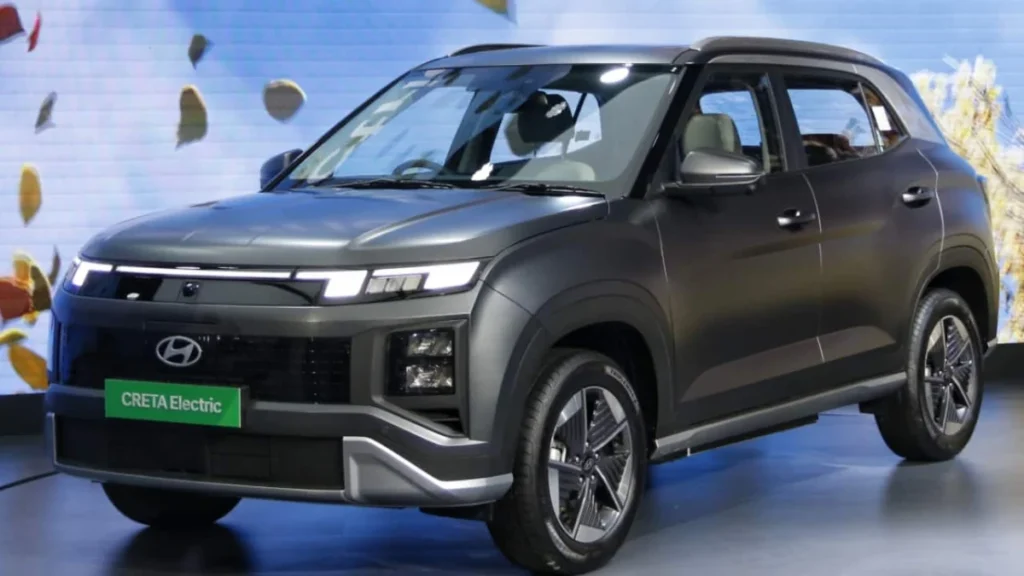
The primary driver behind the 10.1 percent growth is undeniably the "SUV-first" strategy. In 2026, the Indian automotive market has seen a seismic shift, with SUVs now accounting for over 50 percent of the total passenger vehicle segment. Hyundai’s portfolio, led by the perennial best-seller, the Creta, has been the cornerstone of this success.
The Creta, often referred to as the "King of SUVs" in India, has seen consistent demand despite increased competition from the likes of the Kia Seltos, Mahindra XUV700, and Tata Curvv. Furthermore, the Venue and the entry-level Exter have filled the sub-compact SUV void, capturing first-time buyers who are migrating away from traditional hatchbacks.
The Hatchback Resilience
While the SUV segment is the primary growth engine, Hyundai’s hatchbacks—the i20 and the Grand i10 Nios—continue to provide the base volume necessary for overall market share stability. By offering high-end features like advanced connectivity (Bluelink) and premium interiors in smaller form factors, Hyundai has successfully managed to prevent the "cannibalization" of its own entry-level products by its SUV range.
Export vs. Domestic Split
While the SIAM data focuses on domestic sales, it is worth noting that Hyundai’s Indian operations have also optimized their production capacity for exports. This dual-pronged strategy ensures that the manufacturing plants in Chennai operate at near-peak efficiency, which, in turn, keeps per-unit manufacturing costs low and allows for competitive pricing in the domestic market.
Official Perspectives and Industry Insights
Industry analysts and internal stakeholders attribute this success to a combination of proactive supply chain management and a keen understanding of the "Indianized" feature set.
Leadership Vision
Hyundai’s leadership has frequently emphasized the importance of "customer-centric innovation." By integrating ADAS (Advanced Driver Assistance Systems) into mid-segment vehicles, Hyundai has democratized safety technology that was previously reserved for luxury German sedans. This value-for-money proposition is a core pillar of their 2026 strategy.
The SIAM Viewpoint
The Society of Indian Automobile Manufacturers has lauded the industry’s ability to sustain growth amidst high interest rates and fluctuating fuel prices. According to SIAM reports, the passenger vehicle segment as a whole has matured, with consumers becoming more discerning regarding vehicle safety ratings and fuel efficiency—two areas where Hyundai has invested heavily.
Implications: What This Means for the Indian Market
The 10.1 percent growth reported by Hyundai carries significant implications for the automotive sector at large.
1. Competitive Pressure on Rivals
Hyundai’s aggressive growth puts immense pressure on competitors. Tata Motors and Mahindra & Mahindra, both of which are heavily invested in the EV and SUV spaces, must now contend with a Hyundai that is not only catching up in terms of product quality but is also leveraging its massive dealer network to ensure higher service accessibility.
2. The Shift to Electrification
While the current sales figures are heavily weighted toward Internal Combustion Engine (ICE) vehicles, the inclusion of the Kona Electric and the impending launch of mass-market EVs suggest that Hyundai is positioning itself to lead the inevitable transition to electric mobility. The current profitability from ICE sales is providing the capital necessary for Hyundai to fund its ambitious electrification roadmap.
3. Economic Indicators
The automotive sector is often considered a proxy for the broader economy. The fact that Hyundai is seeing double-digit growth in the first five months of 2026 suggests that consumer confidence remains high, and the disposable income levels of the Indian middle class are continuing to rise despite global inflationary pressures.
Future Outlook: The Road Ahead
As the second half of 2026 approaches, the industry is watching to see if Hyundai can maintain this pace. The monsoon season traditionally sees a slowdown in automotive sales, but the upcoming festival season—a period where Indian buyers typically make significant vehicle purchases—is expected to provide a fresh boost.
Hyundai’s plans to expand its footprint in tier-2 and tier-3 cities, combined with the launch of new model refreshes and potential hybrid variants, suggest that the brand is not resting on its laurels. The 266,317 units sold are likely to be viewed as a milestone in what could be a record-breaking year for the manufacturer.
Challenges to Monitor
Despite the success, the path forward is not without hurdles. The automotive industry faces several headwinds, including:
- Regulatory Changes: Stricter emission norms and evolving safety mandates require constant, costly R&D.
- Supply Chain Volatility: While the semiconductor shortage has eased compared to 2023-2024, global logistics remain fragile.
- Rising Input Costs: Steel, aluminum, and battery mineral prices remain susceptible to global geopolitical volatility.
Conclusion
Hyundai Motor India’s performance in the first five months of 2026 is a testament to the power of a brand that understands its market. By balancing the aspirational needs of the modern Indian buyer—who demands technology, safety, and SUV aesthetics—with the pragmatic requirements of affordability and service, Hyundai has established a winning formula.
As the year progresses, the industry will look to the company to see how it navigates the transition toward a more sustainable, digital-first future. For now, the numbers speak for themselves: Hyundai is not just participating in the Indian automotive growth story; it is actively shaping it.
Data Source Disclaimer: The statistics referenced in this report are based on the latest data provided by the Society of Indian Automobile Manufacturers (SIAM) as of June 21, 2026. Market analysis and implications are based on industry trends and publicly available corporate strategy documentation.