Airfare Relief on the Horizon: Government Signals Potential Review of Airline Surge Pricing
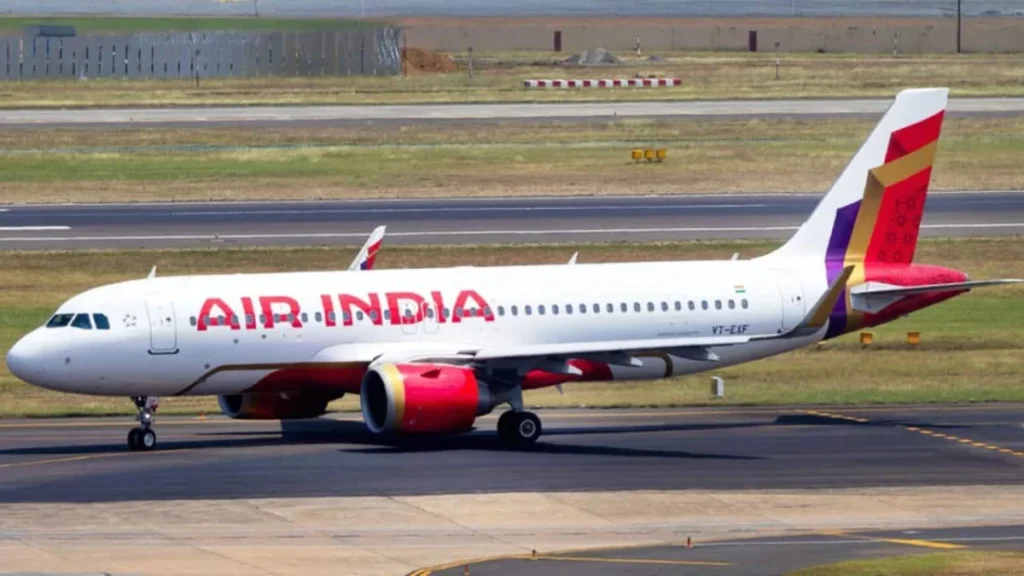
New Delhi, June 26, 2026 – In a move aimed at providing significant relief to air travelers across India, the Union Ministry of Civil Aviation has signaled a potential intervention in the airline industry’s pricing mechanisms. Civil Aviation Minister K Ram Mohan Naidu stated on Thursday that the government is closely monitoring the cooling trend in global crude oil and Aviation Turbine Fuel (ATF) prices, hinting that airlines may soon be directed to review—and subsequently reduce—surge pricing and ancillary passenger charges.
As the aviation sector continues to recover and expand post-pandemic, the government’s stance reflects a growing concern over the "dynamic pricing" models that have frequently led to exorbitant ticket costs during peak seasons and holidays.
The Core Mandate: Balancing Profitability with Consumer Interest
The primary objective of the Ministry’s proposed directive is to ensure that the benefits of falling input costs are passed on to the end consumer. For years, domestic airlines have utilized complex algorithms to implement "surge pricing," where fares spike dramatically based on real-time demand, seat availability, and booking windows.
Minister Naidu’s remarks suggest that while the government respects the market-driven nature of the aviation industry, the current economic climate warrants a "reasonable approach." If the recent decline in fuel prices—a major component of an airline’s operational expenditure—proves to be sustainable, the Ministry expects carriers to recalibrate their fare structures.
"We are monitoring the fuel price index closely," Minister Naidu noted. "If the trend continues, we will engage with airline operators to discuss how these savings can be reflected in the final ticket prices paid by the common man."
Chronology: The Evolution of High Fares
To understand the current intervention, one must look at the trajectory of air travel costs over the last three years:
- 2023: The Inflationary Peak: Following global supply chain disruptions and geopolitical tensions, ATF prices hit record highs, prompting airlines to impose heavy fuel surcharges, which were compounded by high demand as travel returned to pre-pandemic levels.
- Late 2024: The Capacity Crunch: As airlines struggled with fleet grounding issues and supply chain delays for aircraft parts, supply failed to meet the soaring demand. This created a "perfect storm" for surge pricing, with some last-minute fares skyrocketing by over 200%.
- Early 2025: Regulatory Scrutiny: Public outcry regarding "predatory pricing" led to several parliamentary committee meetings where the Ministry was urged to look into fare caps, a move the government resisted in favor of a "soft-touch" regulatory approach.
- Mid-2026: The Cooling Phase: Global crude oil prices began a downward trajectory in the second quarter of 2026. This has provided the government with the fiscal space and moral authority to ask airlines to review their pricing strategies.
Supporting Data: Why Fuel Prices Matter
Aviation Turbine Fuel (ATF) constitutes approximately 35% to 40% of an Indian airline’s total operating cost. The correlation between ATF prices and ticket pricing is historically direct.
The Cost-Price Correlation
When global crude prices rise, airlines immediately pass the burden to passengers through fuel surcharges and base fare hikes. However, industry critics and consumer advocacy groups have long argued that when fuel prices drop, airlines are often slow to lower fares, effectively widening their profit margins at the expense of the traveler.
Recent data from the Petroleum Planning and Analysis Cell (PPAC) indicates a 12% reduction in ATF prices over the last six months. Despite this, airfares on major domestic routes—such as Delhi-Mumbai, Bengaluru-Kolkata, and Mumbai-Chennai—have remained stubbornly high, hovering near the upper end of the historical price spectrum.
The Role of Ancillary Charges
Beyond base fares, the Ministry is also looking into the "unbundling" of services. Passengers have increasingly complained about the cost of seat selection, meals, priority boarding, and excessive baggage fees. The government’s review is expected to encompass these ancillary charges, ensuring that they remain transparent and reflective of the actual service cost rather than being used as a hidden revenue stream.
Official Responses and Industry Sentiment
The aviation industry’s reaction to the Minister’s statement has been cautiously measured.
Government Perspective
The Ministry of Civil Aviation maintains that it does not intend to re-regulate airfares, which were deregulated in the early 2000s to encourage competition. Instead, the government is leaning toward "moral suasion." By publicly requesting a review, the Ministry is applying pressure on carriers to act in the interest of public welfare without resorting to rigid price ceilings, which could stifle innovation and expansion.
Industry Stance
Representatives from major airline carriers, speaking on condition of anonymity, highlighted the challenges of operating in the Indian market. "Airlines are still recovering from the massive debt cycles of the past few years," one executive stated. "While we welcome the dip in fuel prices, we also have to account for significant increases in airport development fees, ground handling charges, and the volatility of the Indian Rupee against the US Dollar."
Industry bodies are likely to argue that "surge pricing" is a tool for inventory management rather than just profit-making. They contend that lower fares on early-booked tickets are subsidized by the higher fares paid by last-minute travelers, keeping the overall system efficient.
Implications: What This Means for the Traveler
If the government successfully pressures airlines to adjust their pricing, the implications for the Indian aviation sector would be profound.
1. Increased Accessibility
Lowering the barrier to entry for air travel could see a surge in the middle-class segment opting for flights over long-distance rail travel. This would further fuel the growth of regional connectivity, a core goal of the government’s UDAN (Ude Desh ka Aam Naagrik) scheme.
2. Market Dynamics
Airlines that proactively reduce prices may gain a competitive advantage in terms of brand loyalty. In a market as price-sensitive as India, a carrier that advertises "lower fuel surcharges" could significantly increase its market share.
3. Regulatory Precedent
This move sets a precedent for future government-industry relations. It suggests that the Ministry is moving toward a more interventionist role when it perceives that market forces are not adequately benefiting the consumer. This could lead to more stringent transparency requirements regarding how airlines calculate their fares.
Looking Ahead: The Path to Stability
As the Ministry of Civil Aviation prepares for further consultations with airline CEOs, the focus will be on defining what constitutes a "sustainable" decline in fuel prices. If global crude oil continues to stabilize below the $75-$80 per barrel mark, the government will likely formalize its request.
For the average Indian traveler, the coming months will be a litmus test for corporate responsibility in the aviation sector. Whether the government’s intervention will result in a tangible decrease in the "cost of flight" remains to be seen, but the message from the Ministry is clear: the days of unfettered, opaque surge pricing may be coming to an end.
The government is expected to release a detailed advisory note by mid-July, providing airlines with guidelines on transparent pricing and the expected reduction in ancillary fees. As the festive season approaches, these potential changes could not come at a more critical time for millions of Indians planning their travels.