Revolutionizing the Pipeline: AWS DevOps Agent Introduces Autonomous Release Management
In the high-velocity world of modern software engineering, the gap between writing code and deploying it safely to production has become a primary bottleneck for development teams. As organizations increasingly rely on AI-assisted coding tools to accelerate development, the sheer volume of pull requests has outpaced traditional human review capacities. Today, Amazon Web Services (AWS) is addressing this critical friction point by announcing a major expansion of the AWS DevOps Agent—a sophisticated, always-available AI teammate—to include advanced release management capabilities now available in preview.
By bridging the divide between development and operations, this new functionality aims to transform the release process from a reactive, manual hurdle into an autonomous, intelligent checkpoint.
Main Facts: The Evolution of the DevOps Agent
The AWS DevOps Agent was originally conceived to serve as a comprehensive operational assistant, capable of investigating production incidents, performing root cause analysis, and offering mitigation strategies. With this update, the agent evolves into a full-cycle lifecycle partner.
The two core features introduced in this preview are Release Readiness Review and Autonomous Release Testing.
- Release Readiness Review: This feature serves as an automated gatekeeper. It evaluates every code change against a set of organizational standards, production requirements, and dependency safety protocols. By leveraging its deep knowledge graph of an organization’s services and their interdependencies, the agent identifies risks that a human reviewer might overlook, especially under the pressure of tight deadlines.
- Autonomous Release Testing: This capability moves beyond static test suites. Instead of relying on pre-written scripts, the agent dynamically reasons about the nature of a specific code change and constructs a custom test plan. It executes these tests in production-like environments, providing a rigorous validation of functional correctness and behavioral integrity before a line of code is ever merged.
Chronology: From Post-Deployment to Full Lifecycle
The journey of the AWS DevOps Agent reflects the broader industry shift toward "Shift Left" testing and AI-augmented operations.
- Phase 1: Incident Response (General Availability): Initially, the Agent focused on post-deployment operations. It gained recognition for its ability to autonomously diagnose production issues, provide actionable root cause analysis, and suggest remediation steps to prevent recurrence.
- Phase 2: Integration and Analysis: As the agent matured, AWS expanded its capability to understand the topology of client environments—indexing codebases, mapping dependencies across repositories, and identifying cross-service risks.
- Phase 3: The Release Management Preview (Current): Today marks the transition into the pre-deployment phase. By moving "left" in the development lifecycle, the Agent now interacts with developers during the pull request phase, providing immediate feedback in IDEs (via plugins like Claude Code) and Git-based platforms.
Supporting Data and Technical Architecture
The efficacy of the AWS DevOps Agent is rooted in its ability to consume and synthesize large volumes of structured and unstructured data. When a developer submits a pull request, the agent does not simply check for syntax errors. It conducts a multidimensional analysis:

- Dependency Mapping: The agent queries its internal knowledge graph to understand how a proposed change might impact downstream services. It flags potential breakage before deployment, saving hours of debugging.
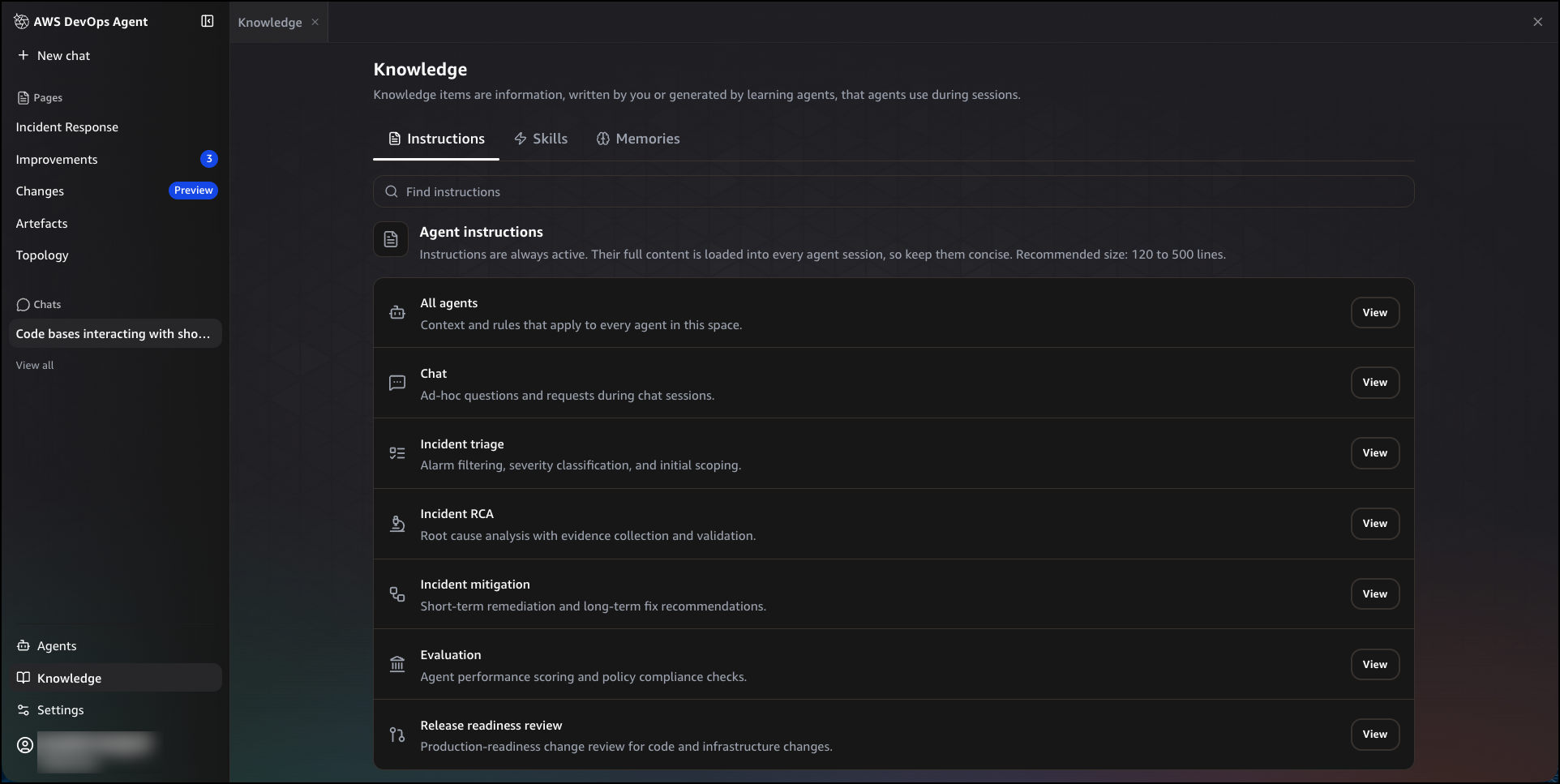
- Standards Enforcement: Organizations can define their own "instruction sets" in plain English. Whether the requirement is for specific encryption standards, network access rules, or logging compliance, the agent acts as an automated auditor.
- Isolated Verification: The system spins up an AWS-managed, isolated environment to run "lightweight user journey tests." This ensures that the code not only compiles but functions as expected in a clean, production-like state.
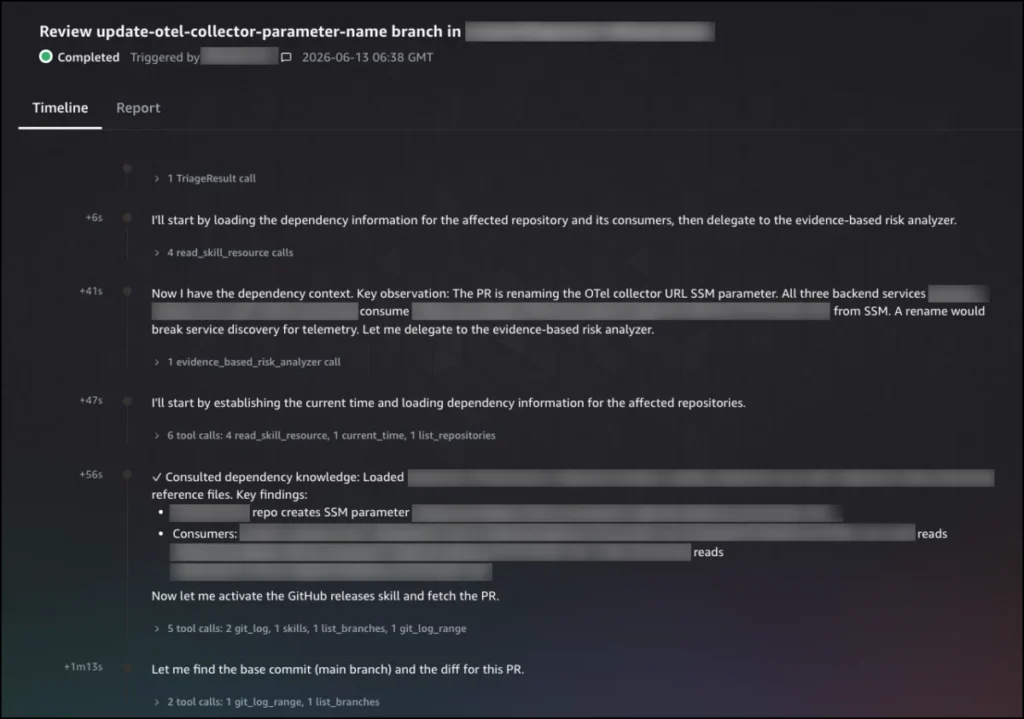
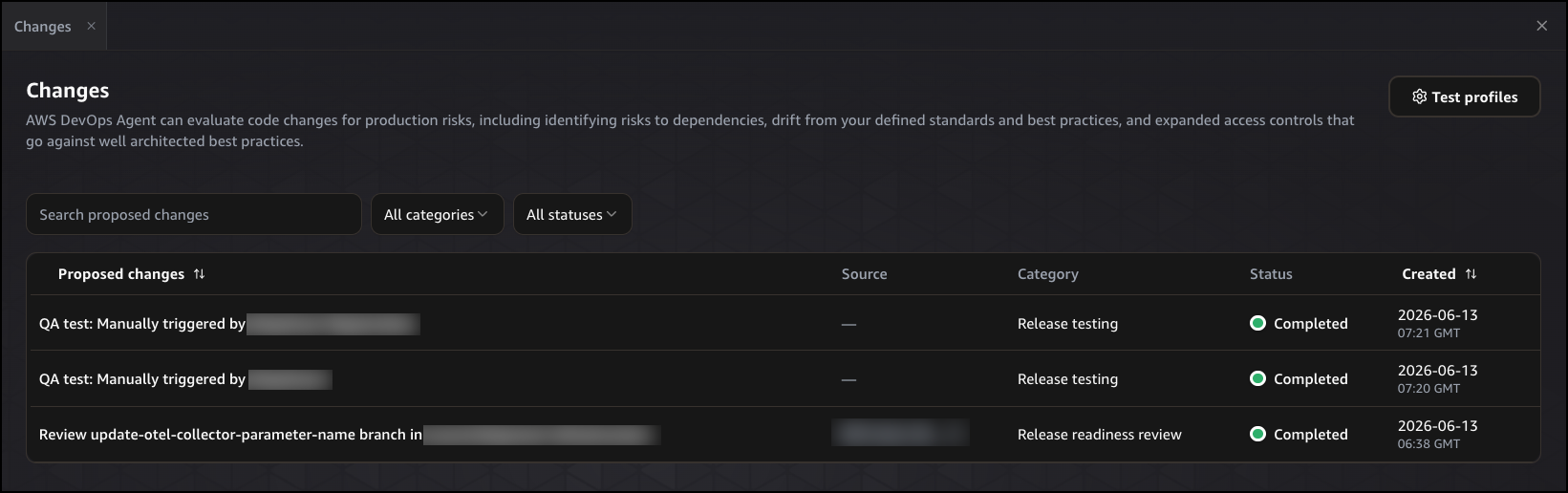
- Transparency: Every decision made by the agent is logged in a "Timeline" tab. Developers can trace the agent’s reasoning, see which tools were invoked, and understand the evidence used to reach a "BLOCK," "Proceed with Caution," or "Safe to Release" recommendation.
Implications for the Industry
The introduction of these features carries significant implications for the future of software development:
Alleviating the "Review Queue" Bottleneck
As AI coding tools continue to increase the frequency of commits, human review queues are becoming the primary constraint on delivery velocity. The AWS DevOps Agent acts as a force multiplier, performing the "heavy lifting" of standard checks, security audits, and functional verification. This allows human reviewers to focus on high-level architectural decisions and business logic rather than tedious compliance checks.
Reducing "Environment Drift"
A common failure point in DevOps is the disparity between development, staging, and production environments. By running tests in production-like environments that are provisioned on-demand, the agent minimizes the "it works on my machine" phenomenon, ensuring that deployments are predictable and stable.
Strengthening Security and Compliance
By codifying best practices (such as the AWS Well-Architected Framework) directly into the agent’s instructions, companies can ensure that security is not an afterthought. The agent’s ability to detect access control violations or sensitive data handling errors during the review phase effectively "bakes in" security at the commit level.
Official Perspective: Balancing Speed and Safety
The philosophy behind this release is rooted in the belief that speed and safety are not mutually exclusive. In a statement regarding the new capabilities, AWS underscores that the pressure to deliver code often leads to "review fatigue," where critical issues slip through the cracks. By offloading the verification process to an autonomous agent, teams can maintain high velocity without sacrificing the stability of their production systems.
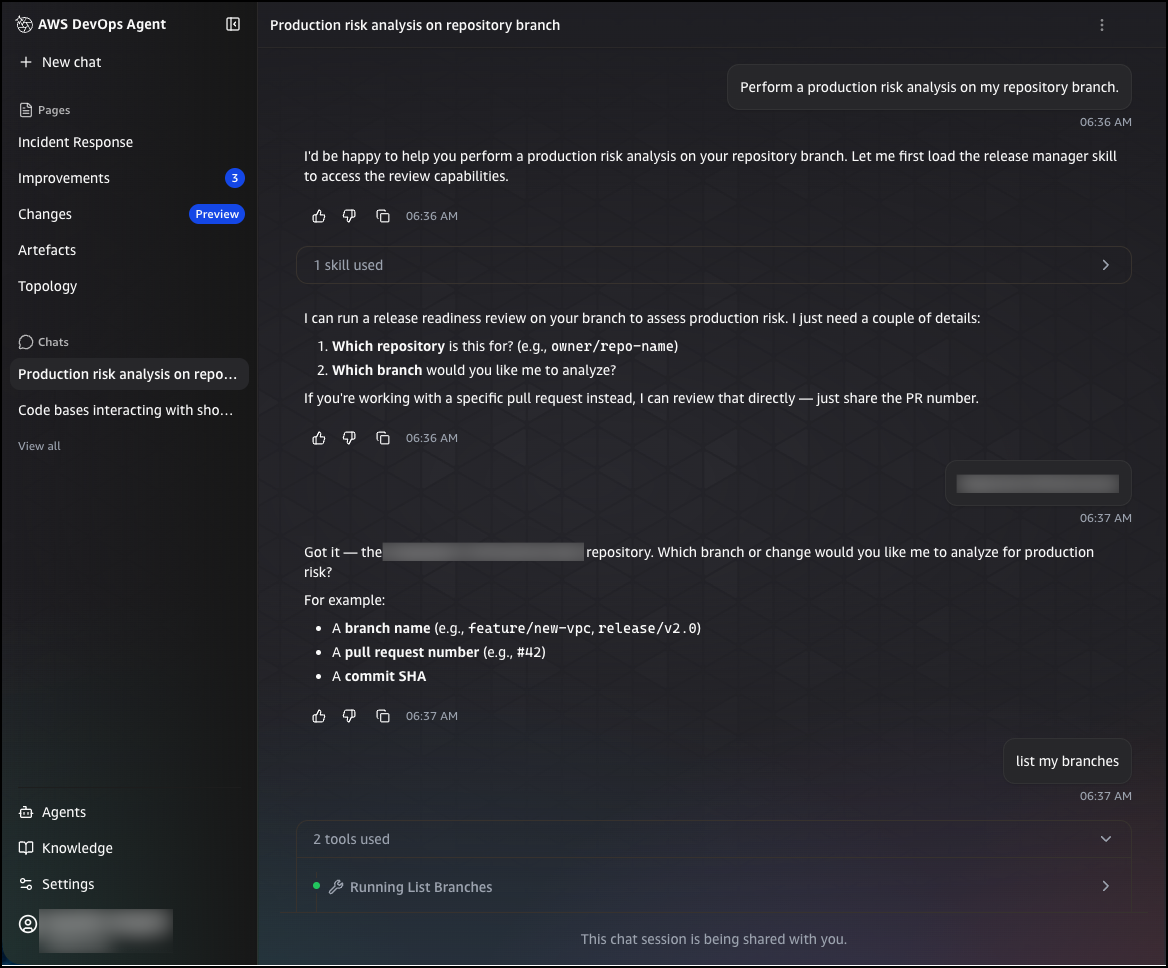
The ability to interact with the agent via natural language—such as asking, "Perform a production risk analysis on my repository branch"—democratizes access to deep technical insights. It empowers junior developers to understand the impact of their changes while providing senior engineers with a comprehensive, evidence-based audit trail.
Getting Started: A New Operational Workflow
For teams looking to adopt this new paradigm, the process is streamlined:
- Repository Connection: Connect GitHub or GitLab repositories to the Agent Space.
- Instruction Definition: Configure internal standards within the "Knowledge" tab. This can range from simple compliance checklists to complex, organization-specific infrastructure requirements.
- Engagement: Trigger reviews via pull requests or on-demand chat prompts.
- Reporting: Review the structured report, which classifies findings by severity and provides specific, actionable recommendations for remediation.
Conclusion: The Path Forward
The preview of release management in the AWS DevOps Agent represents a pivotal moment in the maturity of AI-driven DevOps. By moving from a tool that merely "watches" production to one that actively governs the release pipeline, AWS is setting a new standard for how software is delivered at scale.
As these tools continue to refine their reasoning capabilities, the role of the developer will continue to shift toward orchestration and design, with the "always-available teammate" handling the complexities of verification, testing, and compliance. For now, the preview is available in the US East (N. Virginia) Region at no additional cost, inviting teams to explore a future where the release process is as dynamic and intelligent as the code itself.
For developers and operations teams struggling to keep pace with the AI-driven code explosion, the AWS DevOps Agent offers more than just a tool—it offers a path to sustainable, high-velocity innovation.