Navigating the Future: The Definitive Marketing Trends Shaping the Digital Landscape
Marketing, much like the e-commerce ecosystem it supports, is in a state of perpetual metamorphosis. Every year, the industry shifts under the influence of global economic currents, technological breakthroughs, and the evolving behaviors of a highly connected consumer base. As we move further into the current cycle, the boundaries between brand storytelling and technological utility continue to blur.
Today, successful marketing is no longer just about reaching an audience; it is about providing meaningful value at the precise moment of need, through the most relevant channel. As brands pour increasingly significant portions of their budgets into sophisticated online strategies—balancing organic growth with paid acquisition—the imperative to stay ahead of the curve has never been more urgent.
This article examines the critical marketing trends defining the current period, providing a comprehensive analysis of the strategies that will dictate market leadership in the coming months.
1. The Imperative of Responsible Artificial Intelligence
The emergence of Generative AI has been the most disruptive force in modern marketing. However, the initial "gold rush" phase is giving way to a more mature, critical focus: Responsible Artificial Intelligence.
The Ethical Framework
Responsible AI in marketing refers to the deployment of machine learning and automated systems with a strict adherence to ethics, transparency, and social accountability. It is no longer enough for an algorithm to be efficient; it must be equitable.
- Algorithmic Transparency: Brands are now under pressure to disclose when AI is being used to generate content or influence consumer decision-making.
- Data Sovereignty: With increasing scrutiny over data privacy, responsible AI involves using clean, consented data sets that respect the privacy of the individual, moving away from invasive tracking methods.
- Mitigating Bias: Marketers must actively audit AI tools to ensure they do not perpetuate societal stereotypes, ensuring that automated customer interactions remain inclusive and representative of diverse audiences.
The implication here is clear: consumers are becoming more skeptical of "black box" technologies. Brands that prioritize ethical AI will build long-term trust, whereas those that cut corners risk significant reputational damage.
2. Sustainability: From Niche to Necessity
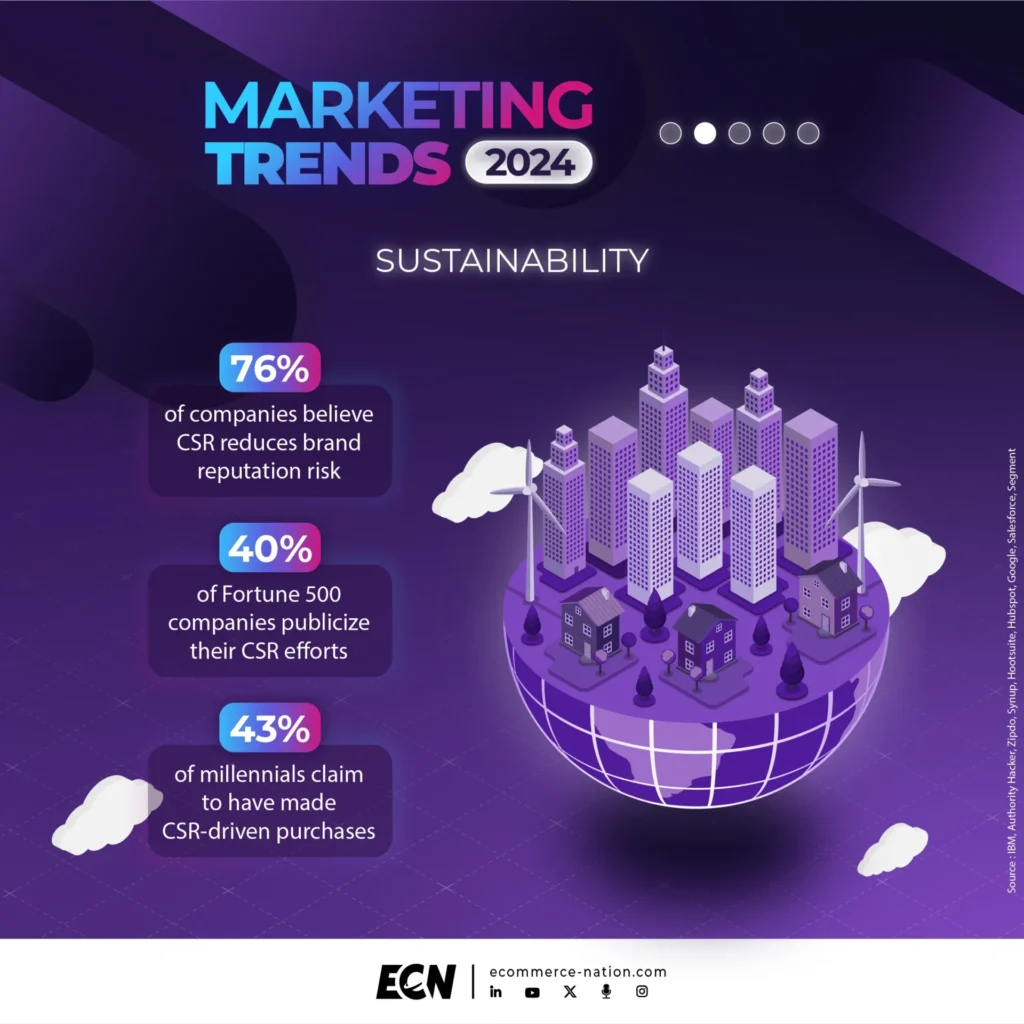
Sustainability has transitioned from a Corporate Social Responsibility (CSR) checkbox to a central pillar of digital marketing strategy. Modern consumers, particularly Gen Z and Millennials, are increasingly "values-driven," using their purchasing power to signal their commitment to the planet.
Communicating Purpose
Digital channels—from long-form blog content to viral social media campaigns—are now the primary vehicles for brands to demonstrate their environmental impact.

- Radical Transparency: Leveraging blockchain technology, brands are now providing customers with an "audit trail" for their products. Consumers can track the journey of a garment or a piece of produce from origin to store shelf, fostering a level of trust that traditional marketing cannot match.
- The Influencer Shift: The role of the influencer is evolving. We are witnessing a move away from hyper-consumption toward "conscious consumption." Influencers who promote sustainable lifestyles and eco-friendly products are commanding higher levels of engagement and loyalty than those focusing on fast-fashion or mass-market consumerism.
The Technological Edge
Technology is not just for tracking; it is for engagement. Companies are building mobile applications that calculate the environmental footprint of a shopping cart, offering real-time data to help consumers make more informed, low-impact choices. This shift turns sustainability from a passive label into an interactive, gamified experience.
3. The Rise of Conversational Search
We have moved beyond the era of the "keyword-stuffed" search query. The new paradigm is Conversational Search, driven by the ubiquity of smart assistants like Siri, Alexa, and Google Assistant, as well as the integration of Large Language Models (LLMs) into search engines.
The Semantic Shift
Users no longer type "best running shoes" into a search bar; they ask, "What are the best running shoes for a beginner with flat feet?" This shift toward natural language queries requires a total recalibration of SEO (Search Engine Optimization).
- Question-Based Content: Marketers must build content libraries that directly address the specific "how-to" and "why" questions consumers are asking their devices.
- Contextual Understanding: AI-driven search engines now prioritize content that understands user intent. If a user asks a question, the response needs to be direct, helpful, and concise—often serving as a "featured snippet" that keeps the user within the ecosystem of the search engine.
This trend implies that "ranking" is no longer about beating a competitor’s keyword density; it is about becoming the most authoritative source of information for a specific, complex user query.

4. Short-Form Video and the Immersive Experience
Attention spans are the most valuable currency in the digital economy. With the meteoric rise of platforms like TikTok, Instagram Reels, and YouTube Shorts, the standard for content delivery has shifted to the "snackable" format.
Capturing the "Scroll"
Short-form video is a masterclass in psychological engagement. To succeed, brands must deliver value within the first three seconds.
- Storytelling vs. Selling: The most effective videos do not feel like commercials; they feel like entertainment. They utilize humor, behind-the-scenes authenticity, and relatable storytelling to build a connection before introducing a product.
- The Interactive Frontier: Beyond simple video, we are seeing the mainstreaming of Augmented Reality (AR). When a beauty brand allows a user to "try on" lipstick via their smartphone camera, the marketing becomes the product. This creates an immersive brand universe that reduces purchase friction and builds confidence in the consumer.
The data supports this: interactive and short-form video content consistently yields higher conversion rates than static imagery or long-form promotional copy.
5. Hyper-Personalization: The End of the "Average" Customer
The final pillar of current marketing evolution is Hyper-Personalization. Traditional segmentation—grouping users by age or location—is being replaced by predictive modeling that treats every customer as an individual segment of one.

The Data Advantage
By utilizing machine learning to analyze past purchase behavior, browsing history, and real-time interactions, companies can now deliver content that feels curated specifically for the user.
- Predictive Recommendations: Rather than showing a user what they bought, hyper-personalization shows them what they need next.
- Dynamic Content Delivery: Websites and email campaigns that change their messaging based on who is looking at them are becoming standard. A loyal customer might see a "VIP early access" banner, while a first-time visitor sees a "welcome discount," both optimized for their specific stage in the customer journey.
The Implications for Privacy
Hyper-personalization carries a heavy responsibility. As brands collect more granular data to fuel these experiences, they must also invest in superior cybersecurity and data governance. The future of marketing is a delicate balance between knowing the customer deeply and respecting their boundaries.
Conclusion: Synthesizing the Trends
The marketing landscape of the coming period is defined by a paradox: as technology becomes more automated and data-driven, the output must become more human and values-centric.
- Responsible AI ensures our tools are ethical.
- Sustainability ensures our brand values align with the planet.
- Conversational Search ensures we are meeting the customer in their natural language.
- Short-Form Video ensures we respect the limited attention of our audience.
- Hyper-Personalization ensures we treat every individual with unique care.
For businesses looking to thrive, the goal is not to adopt every trend simultaneously, but to integrate these principles into a cohesive strategy. By focusing on transparency, technological utility, and genuine human connection, brands can navigate the volatility of the digital age and build a sustainable competitive advantage that stands the test of time.

The investment required is significant—both in financial capital and in the time needed to upskill teams—but the cost of stagnation is far higher. The future belongs to those who view marketing not as a means to extract value, but as a commitment to provide it.