Parliamentary High Stakes: Monsoon Session Set for July 20 Amidst Political Realignments and Legislative Overhaul
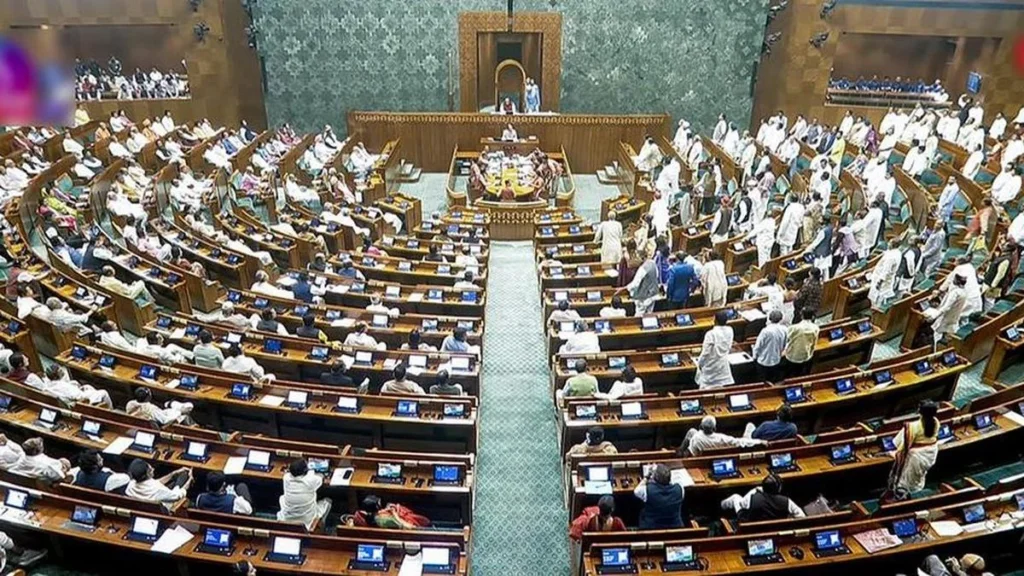
New Delhi, July 1, 2026 – The corridors of power in New Delhi are bracing for a high-octane Monsoon session of Parliament, with official sources indicating that the legislative calendar is likely to commence on July 20. Expected to span three weeks, the upcoming session is poised to be one of the most consequential in recent years, framed by a shifting political landscape, internal rebellions within major opposition parties, and a critical legislative pivot regarding the nation’s democratic architecture.
While the Cabinet Committee on Parliamentary Affairs (CCPA) is slated to finalize the formal schedule in the coming days, the proposed duration of three weeks marks a departure from the traditional four-week schedule typical of Monsoon and Winter sessions. Despite the truncated timeline, the agenda remains heavy, burdened by the weight of unresolved constitutional debates and intense intra-party friction.
The Political Landscape: A Post-Election Reality Check
The convening of this session follows a period of significant electoral flux. The ruling Bharatiya Janata Party (BJP) enters the chamber riding a wave of momentum following decisive victories in West Bengal, Assam, and Puducherry. These wins have not only bolstered the BJP’s internal morale but have also signaled a recalibration of power dynamics across regional strongholds.
However, the celebratory mood of the treasury benches is tempered by the volatility simmering within the opposition ranks. The internal dissent rocking the Trinamool Congress (TMC) and the Shiv Sena (Uddhav Balasaheb Thackeray – UBT) is expected to dominate the parliamentary floor.
The Question of Recognition
At the heart of the procedural drama is a pending decision by Lok Sabha Speaker Om Birla. The Speaker’s office is currently reviewing formal petitions from 20 TMC MPs and six Shiv Sena (UBT) MPs who are seeking recognition as separate, independent parliamentary groups. Should the Speaker grant this recognition, it would effectively formalize the fractures within these opposition parties, potentially altering the dynamics of floor management and the allocation of speaking time. This move could fundamentally weaken the collective bargaining power of the INDIA bloc, providing the BJP with a strategic advantage during key legislative votes.
Rajya Sabha: The Changing Math of the Upper House
The composition of the Rajya Sabha has undergone a subtle yet significant shift. Following the recent swearing-in of newly elected and re-elected members, the arithmetic of the Upper House has tilted further in favor of the National Democratic Alliance (NDA).

For the government, this consolidation is critical. In a bicameral system where the BJP has historically faced hurdles in the Rajya Sabha compared to its dominance in the Lok Sabha, this shift offers a pathway to pass key economic and social reforms that had previously stalled. The increased floor strength allows the government to navigate legislative business with greater ease, reducing the necessity for extensive cross-party consensus-building on non-core issues.
The Legislative Pivot: Redrafting the Women’s Reservation Bill
Perhaps the most significant item on the agenda is the government’s attempt to resurrect and restructure the Constitution Amendment Bill concerning women’s representation in legislatures. The previous session concluded on a note of political disappointment for the Union government, as the initial proposal—aimed at implementing reservation for women by 2029 and expanding the total number of Lok Sabha seats—was defeated in the Lower House.
Addressing the Population Paradox
The defeat of the Bill was not merely a matter of partisan opposition; it highlighted a deep-seated anxiety regarding the delimitation of parliamentary constituencies. The original proposal faced backlash over concerns that a population-linked increase in seats would disproportionately benefit northern states, effectively marginalizing the southern states that have been more successful in controlling population growth.
Government insiders suggest that a revised draft is in the works. To assuage the fears of southern parties, the new proposal reportedly considers a uniform 50% increase in Lok Sabha seats across all States. By decoupling the seat increase from strict population census metrics, the government hopes to create a consensus-based framework that satisfies regional interests while honoring the commitment to gender representation.
Chronology of Events Leading to the Monsoon Session
To understand the gravity of the upcoming session, it is essential to view the timeline of events that have defined the current legislative impasse:
- April 2026: Election results in West Bengal, Assam, and Puducherry confirm BJP’s electoral expansion, altering the parliamentary delegation of these states.
- May 2026: Internal divisions within the TMC and Shiv Sena (UBT) reach a breaking point, leading to formal requests for independent parliamentary status.
- June 2026: The conclusion of the previous parliamentary session is marked by the defeat of the Constitution Amendment Bill, forcing the government to re-evaluate its legislative strategy.
- Late June 2026: Rajya Sabha elections and subsequent swearing-in ceremonies finalize the current strength of the NDA in the Upper House.
- July 1, 2026: Government sources confirm the expected start date for the Monsoon session as July 20.
Implications for Governance and Federalism
The upcoming session will serve as a litmus test for the government’s ability to manage federal tensions. The debate over the redrafting of the Lok Sabha seat distribution is not just a legislative technicality; it is a fundamental challenge to India’s federal spirit.

The Southern Stance
Parties from the southern states have consistently argued that they should not be penalized for their success in social development and population stabilization. Any move to increase the number of seats must, in their view, account for the potential dilution of their political influence in New Delhi. The government’s pivot to a "uniform increase" model is a direct response to this pressure, but whether it will be enough to win over skeptical regional leaders remains to be seen.
Managing Internal Dissent
For the opposition, the session presents an existential threat. If the Speaker recognizes the breakaway factions of the TMC and Shiv Sena, the resulting loss of a unified opposition voice will be a significant blow to their ability to hold the government accountable. The session will likely see high-decibel protests, with the opposition expected to argue that the government is utilizing procedural technicalities to dismantle institutional resistance.
Supporting Data and Procedural Context
While the standard for a Monsoon or Winter session is 20 sittings over four weeks, the government’s move toward a three-week duration reflects a broader trend of "efficiency-first" legislative management. Critics often argue that shorter sessions lead to the passage of bills without adequate parliamentary scrutiny or debate in committees.
- The Legislative Burden: The government is expected to push through pending economic bills, including those related to tax reforms and infrastructure financing, alongside the contentious Constitution Amendment Bill.
- Procedural Precedents: While there have been several instances of shortened sessions in the past, each instance usually invites criticism from the opposition regarding the erosion of parliamentary traditions.
Conclusion: A Session of Consequences
As the government prepares for the July 20 commencement, the stakes could not be higher. The Monsoon session will not just be about passing laws; it will be a display of political survival and strategic consolidation.
Whether the government can successfully navigate the delicate balance between expanding legislative representation and respecting the federal rights of states will define its legacy for the remainder of its term. Simultaneously, the internal struggles of the opposition will determine whether they remain a cohesive force or succumb to further fragmentation.
The eyes of the nation will be on the Parliament House, watching to see if the government can bridge the gap between its legislative ambitions and the complex reality of India’s diverse political landscape. As the CCPA readies its final decision, the message is clear: the coming three weeks will likely set the tone for the political trajectory of the country for the next several years.