Oppo Expands Reno16 Series in India: A Strategic Shift Toward Versatility and Innovation
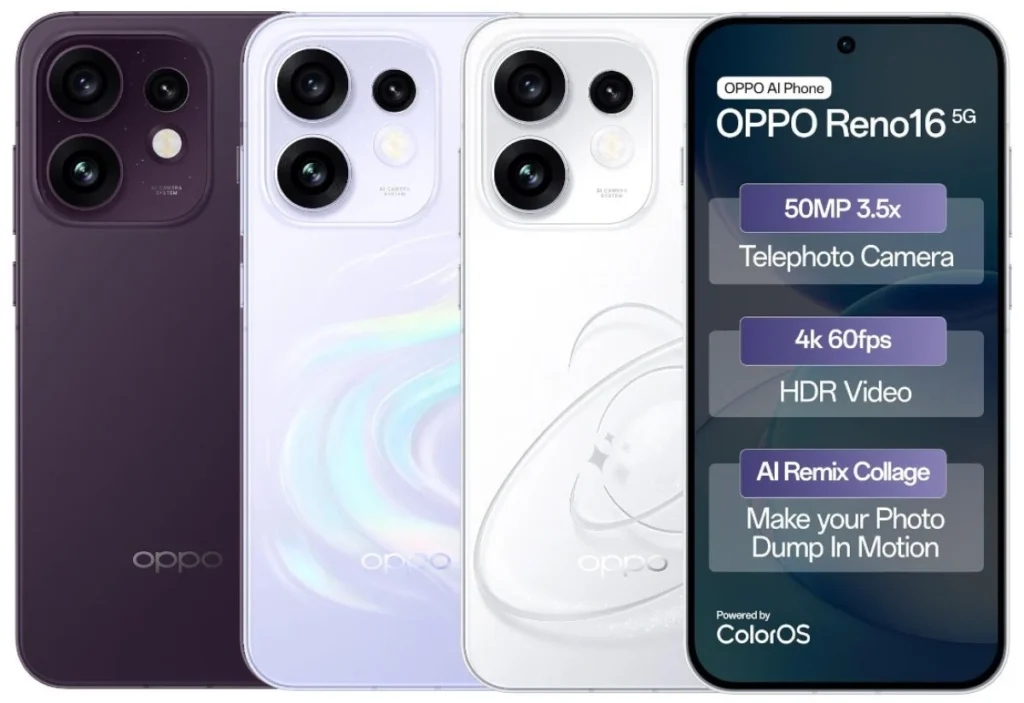
The Indian smartphone market, arguably the most competitive landscape for mobile manufacturers globally, has just witnessed a significant expansion. Following its successful global debut one week ago, the Oppo Reno16 series has officially landed in India. However, Oppo has opted for a localized strategy that deviates from its international roadmap: while the standard Reno16 arrives in lockstep with its global sibling, the premium "Pro" variant is notably absent. In its place, Oppo has introduced the budget-conscious Reno16c, alongside a unique peripheral accessory—the "Oppo Bubble"—designed to redefine the mobile photography experience.
Main Facts: The Reno16 and Reno16c Unveiled
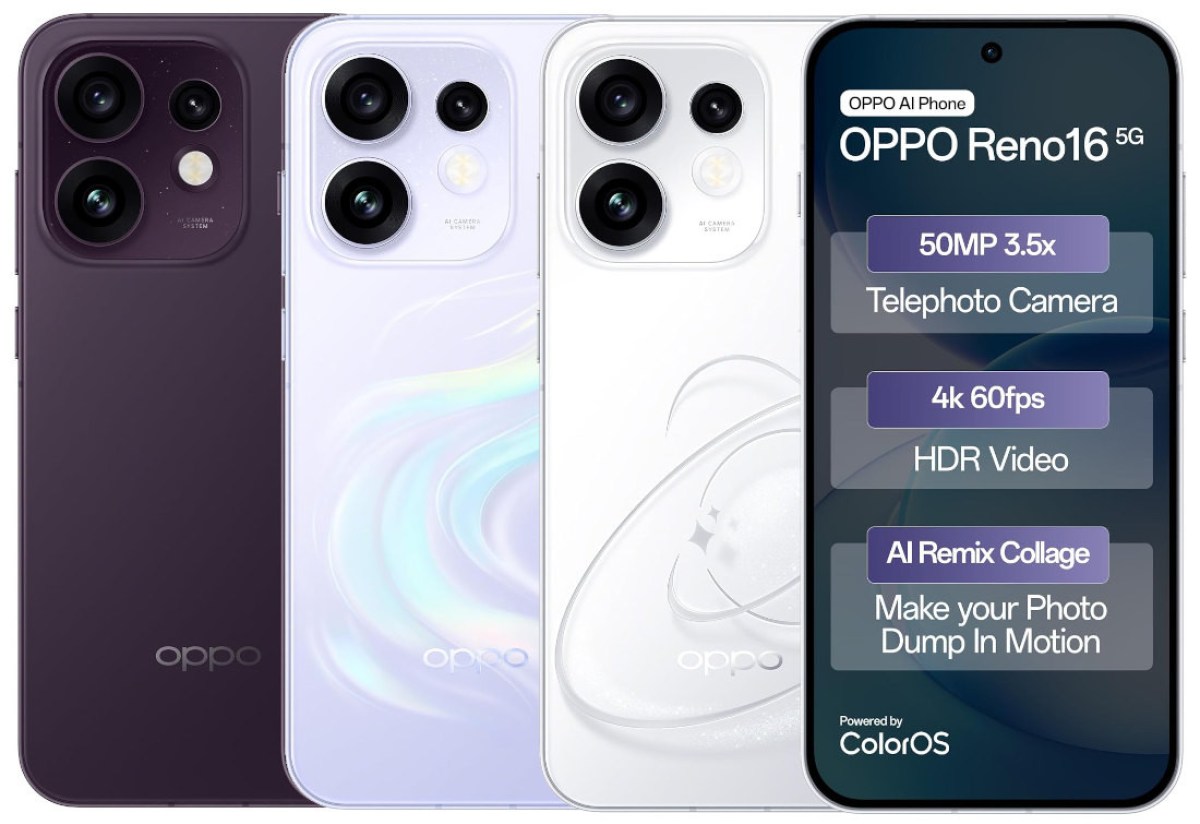
Oppo’s latest maneuver in India highlights a focus on segmenting the market by prioritizing battery longevity and specialized hardware accessories. The Reno16, serving as the flagship for this release, maintains strict parity with the global version. This ensures that Indian consumers receive the same high-tier performance, display technology, and design language that the company unveiled on the international stage just seven days prior.
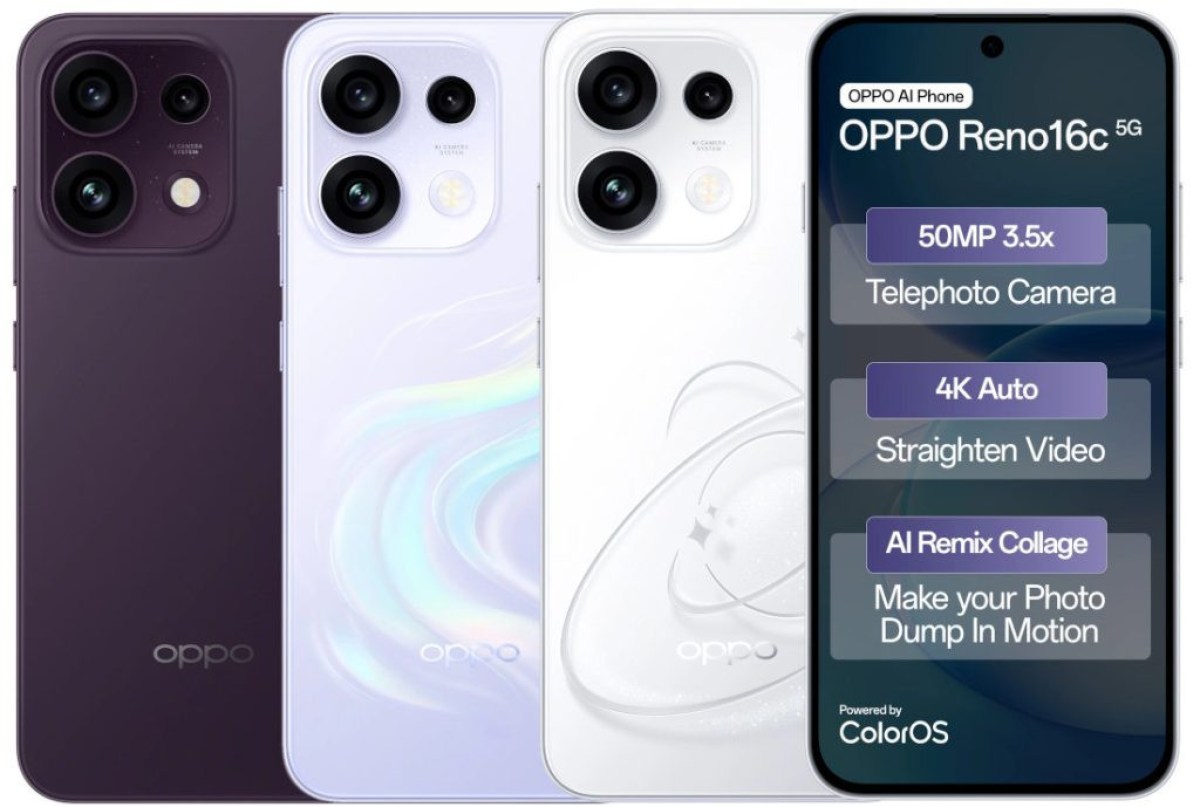
In a move to capture the mid-to-entry-tier market, the Reno16c emerges as a distinct alternative to the missing Pro model. While it sacrifices some of the high-end camera sensors found in the Reno16, it compensates with a massive 7,000 mAh battery—a feature designed for power users who prioritize endurance over photographic complexity.
Accompanying the phones is the "Oppo Bubble," a magnetic external screen accessory. With a 1.73-inch display, the Bubble acts as an external viewfinder for the phone’s primary rear-facing cameras. This device is engineered for creators who demand the superior quality of the main lens for selfies, while still needing to monitor framing. It functions as both a remote shutter and a secondary display, complete with IP54 ingress protection and an independent 550 mAh battery.
Chronology: From Global Launch to Indian Availability
The timeline for the Reno16 series has been remarkably compressed, reflecting Oppo’s aggressive strategy to maintain momentum in emerging markets.

- Late June 2026: Initial whispers and leaks regarding the Reno16 series began to permeate industry forums, highlighting a shift toward magnetic modularity.
- Early July 2026 (Global Launch): Oppo officially unveiled the Reno16 and Reno16 Pro globally, setting the standard for the series’ design and technical specifications.
- July 9, 2026 (Pre-order Commencement): Following the announcement, Oppo opened pre-orders for the Indian market via major e-commerce partners, Amazon and Flipkart.
- Immediate Future: Consumers can expect units to begin shipping shortly, as the company aims to capitalize on the back-to-school and mid-year sales cycles.
By keeping the time between the global announcement and the Indian release to a mere week, Oppo has effectively minimized the "leaks-to-launch" gap, ensuring that the Indian consumer feels prioritized rather than treated as an afterthought.
Supporting Data: Pricing and Technical Configurations
Oppo has structured its pricing tiers to cover a broad spectrum of the Indian consumer base, from the mid-range performance seeker to the budget-conscious value hunter.
The Reno16 Pricing Structure
The standard Reno16 focuses on a premium experience, starting at a price point that positions it firmly in the upper-mid-range bracket:
- 8GB/256GB: INR 61,999
- 12GB/256GB: INR 67,999 (a premium of INR 6,000 for the extra RAM)
The Reno16c Pricing Structure
The Reno16c offers a more accessible entry point, with configurations designed to scale based on storage and memory needs:
- 8GB/128GB: INR 46,999
- 8GB/256GB: INR 49,999
- 12GB/256GB: INR 55,999
The Oppo Bubble Accessory
- Retail Price: INR 7,999
The pricing strategy suggests that Oppo is positioning the Reno16 as a direct competitor to other flagship-lite devices, while the Reno16c occupies the "premium mid-range" space, where battery life is a key selling proposition.
Official Responses and Strategic Rationale
While Oppo has not released a formal "why" statement regarding the omission of the Pro model in India, industry analysts suggest that the company is responding to shifting consumer behavior in the region. The Indian market has shown a historical preference for battery endurance and value-for-money configurations over marginal increases in camera resolution or processing power—the typical hallmarks of a "Pro" model.
By introducing the Reno16c with a 7,000 mAh battery, Oppo is clearly signaling that it understands the local demand for "all-day-plus" power. The inclusion of the Oppo Bubble also points to a broader trend: the "creator economy." By externalizing the viewfinder, Oppo is catering to the massive surge in social media content creation within India, where high-quality selfie content is a primary driver of smartphone engagement.
Implications: What This Means for the Indian Market
The launch of the Reno16 series has several long-term implications for the Indian smartphone landscape.
1. The Rise of Modular Accessories
The introduction of the Oppo Bubble is an experiment in modularity. Should it prove successful, we may see a trend where smartphone manufacturers shift away from "more cameras" toward "better accessories." By offering a magnetic attachment, Oppo is essentially allowing users to upgrade their user experience without having to buy a new phone every year.
2. Battery Capacity as a Differentiator
For years, the "flagship" designation has been tied to thinner bodies and higher-resolution displays, often at the cost of battery capacity. The Reno16c flips this script. By offering a 7,000 mAh battery in a modern chassis, Oppo is challenging competitors to prioritize battery density, a move that is likely to resonate strongly with the Indian commuter demographic.
3. Localization of Global Portfolios
Oppo’s decision to swap the Pro for the ‘c’ series in India indicates a growing sophistication in how global brands handle localized portfolios. Instead of a "one-size-fits-all" approach, Oppo is performing a "surgical" adjustment of its lineup. This ensures that the devices released in India are specifically tailored to the economic realities and feature preferences of the region.
4. Competitive Pressure on Rivals
The Reno16 series arrives at a time when competitors like Xiaomi and Samsung are also refreshing their mid-range portfolios. With the Reno16 starting at over INR 60,000, Oppo is testing the upper limits of what the Indian consumer is willing to pay for a non-Pro device. If successful, this will provide the company with significant leverage to increase its Average Selling Price (ASP), a critical metric for long-term sustainability in the Indian market.
Conclusion: A Balanced Bet
The Oppo Reno16 series in India is not merely a product launch; it is a strategic recalibration. By betting on the core Reno16 for the performance-oriented user and the Reno16c for the battery-conscious consumer, Oppo is attempting to cover two of the largest demographics in the country.
The inclusion of the Oppo Bubble adds a layer of novelty that differentiates the brand in a sea of similar-looking handsets. While the absence of the Pro model may disappoint early adopters, the introduction of the 7,000 mAh Reno16c is a compelling trade-off. As pre-orders go live on Amazon and Flipkart, the industry will be watching closely to see if this localized strategy pays dividends, or if the Indian market continues to demand the "Pro" experience regardless of the trade-offs.
Ultimately, the success of this launch will depend on how well Oppo can market the utility of the Bubble and the endurance of the Reno16c. If the company can convince the average consumer that an external screen is a must-have for their social media presence, the Reno16 series could very well define the standard for the latter half of 2026. For now, the hardware is in place, the prices are set, and the market is ready for the next chapter in Oppo’s long-standing Indian success story.