The Conversion Crisis of 2026: Why Strategic Precision Outpaces Content Volume
By [Your Name/Journalist Name]
The digital marketing landscape of 2026 has reached a critical inflection point. As artificial intelligence (AI) continues to lower the barrier to entry for content production, the global marketplace has become inundated with a relentless surge of emails, social media posts, and automated advertisements. For brands, the consequence is a phenomenon known as "conversion stall"—a state where traffic remains steady or even increases, but actual sales and sign-ups begin to plummet.
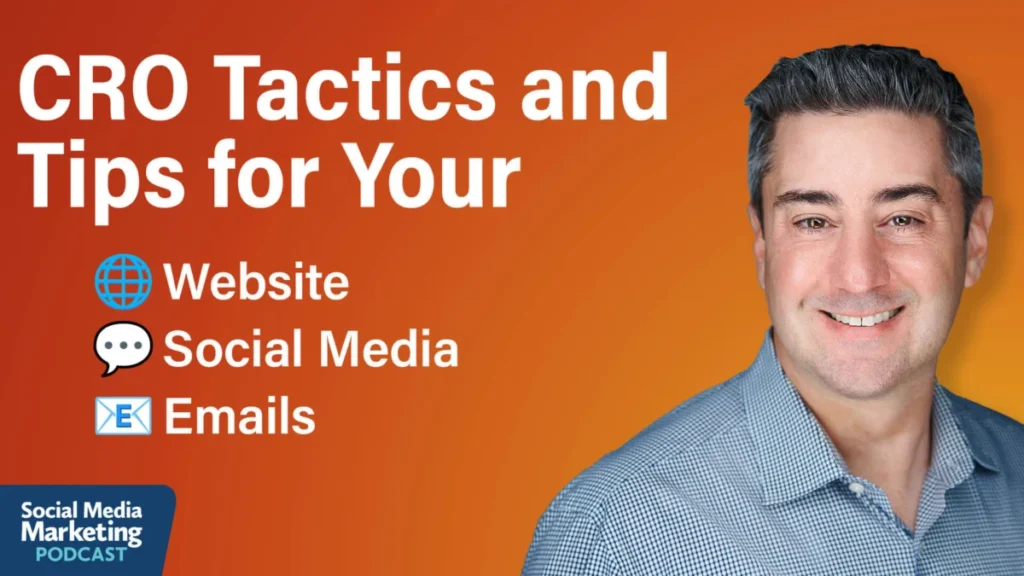
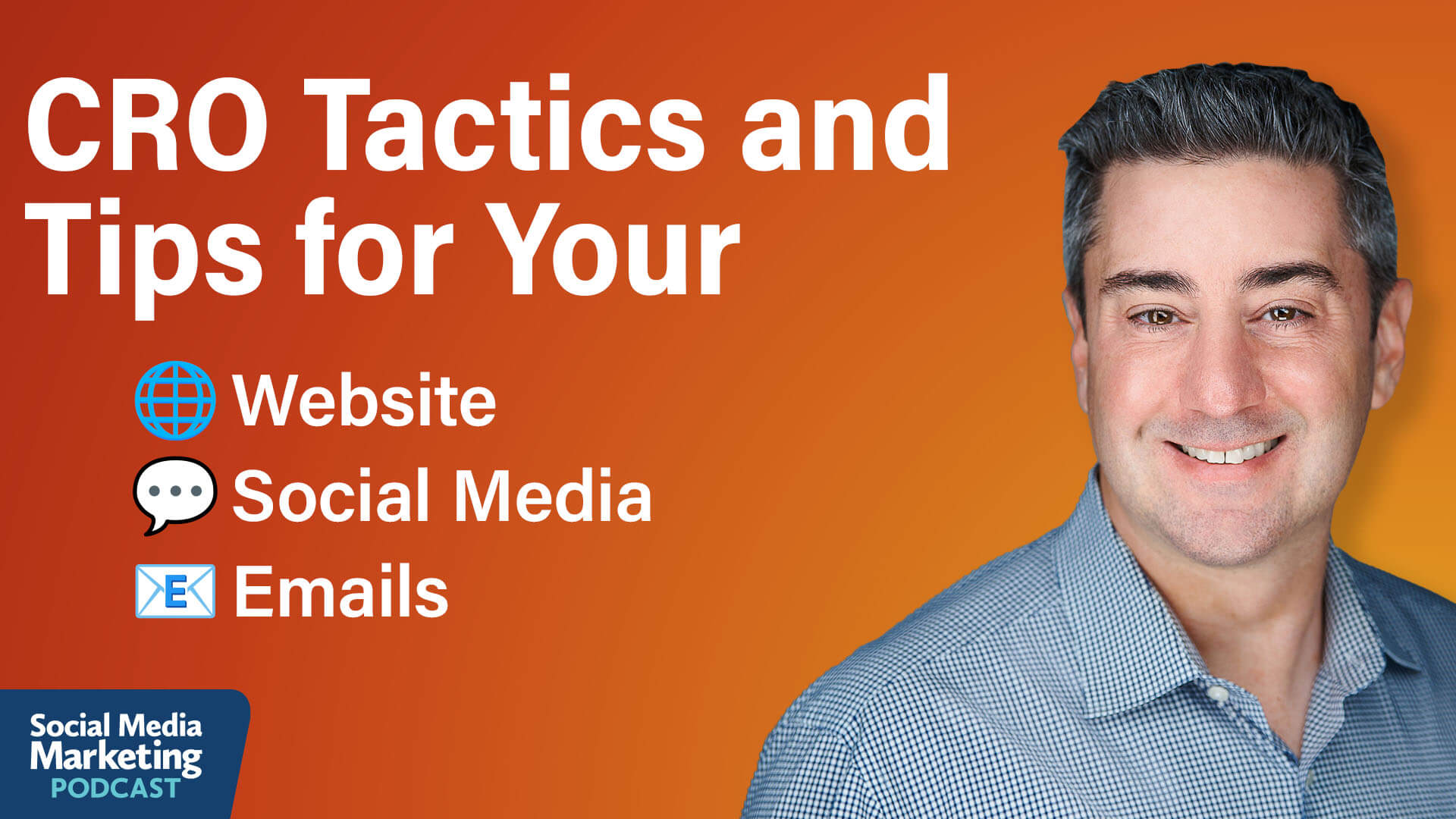
In a recent industry analysis, marketing experts Jay Schwedelson and Michael Stelzner identified that the "silver bullet" era of marketing is over. Instead, success in 2026 is defined by the "aggregation of marginal gains"—doing dozens of small things correctly and consistently to earn consumer attention in an age of total saturation.
The Main Facts: The Silent Erosion of the Digital Database
The most pressing challenge facing modern marketers is the natural decay of the email database. According to data presented by Schwedelson, the average email list loses approximately 20% of its contacts annually. This erosion occurs through "stale" addresses, job changes, and the abandonment of inboxes in favor of newer communication protocols.
Mathematically, a brand with 1,000 subscribers today that fails to prioritize aggressive growth will find itself with only 640 engaged contacts within 24 months—a 40% loss of its total addressable market without a single "wrong" move being made. Consequently, database growth has shifted from a secondary metric to a primary Key Performance Indicator (KPI) for business survival in 2026.
Chronology: The Evolution of the Noise Floor
To understand why conversions are harder to earn in 2026, one must look at the trajectory of the last three years.
- 2023-2024: The initial AI boom allowed small teams to produce the output of large agencies.
- 2025: Every major platform integrated generative AI, leading to the "Great Saturation," where the volume of marketing content increased by an estimated 500%.
- 2026: Consumer "banner blindness" and "inbox fatigue" reached record highs. Traditional tactics—such as the standard "Subscribe to our newsletter" footer—now result in near-zero conversion rates.
This timeline demonstrates a shift from a "quantity-led" market to a "psychology-led" market. The modern consumer does not need more content; they require a compelling, frictionless reason to engage.
Supporting Data: Four Pillars of Database Revitalization
To combat the 20% annual churn, Schwedelson outlines four tactical shifts that are yielding high-growth results in the current environment.
1. The Death of the Navigation Link
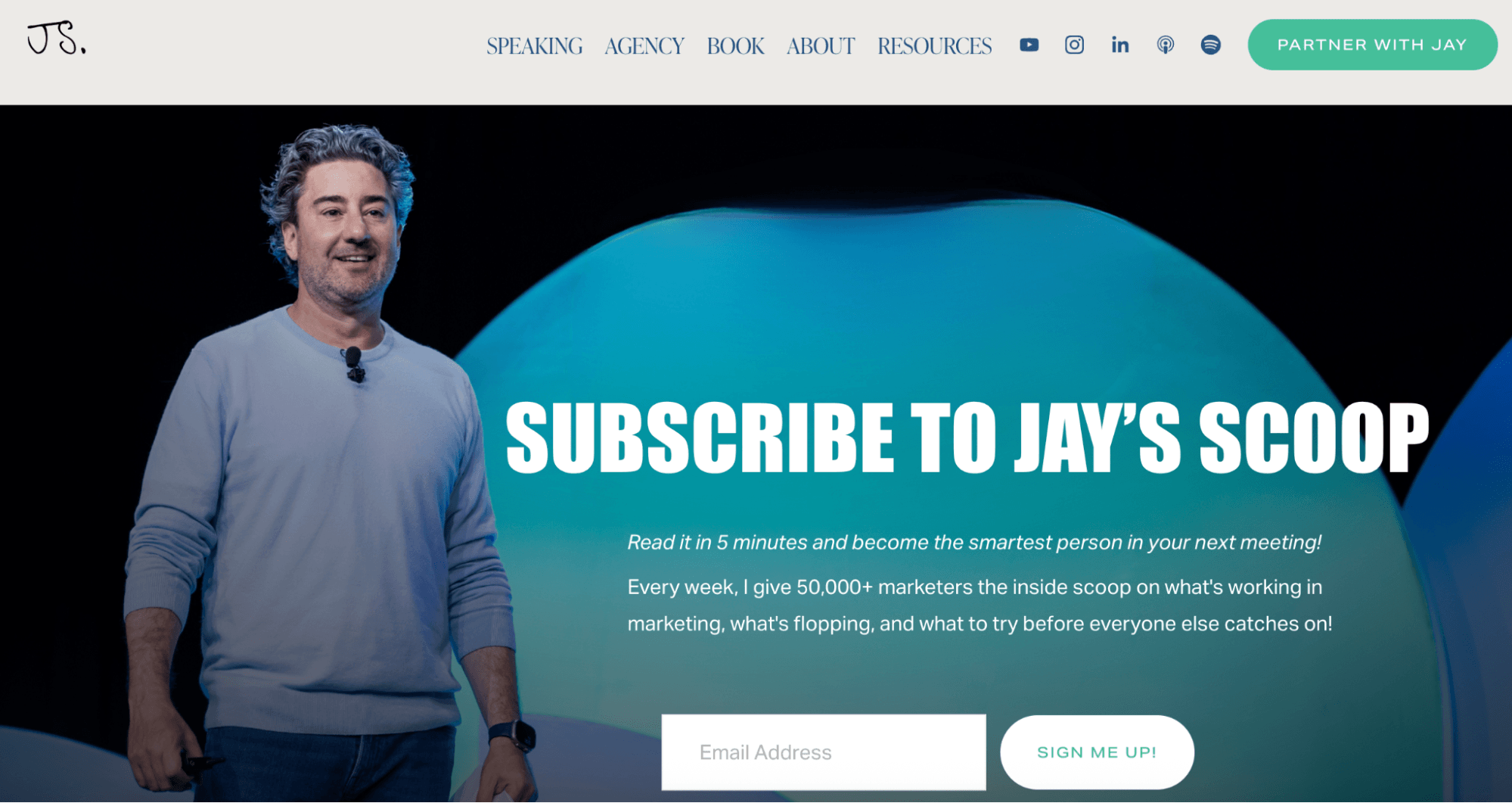
Historically, brands tucked their email sign-ups in the navigation bar or the footer. In 2026, these are "invisible zones." Data suggests that placing the opt-in as the primary hero element—the center-stage focus of the homepage—increases conversion rates by up to 300%. For e-commerce, the shift has moved from "discounts" to "access." The psychology of FOMO (Fear Of Missing Out) has evolved into a desire for "insider status," where users sign up for "early drops" and "exclusive notification lists" rather than just 10% off coupons.
2. The Behavioral Pop-up and the "Uncomfortable No"
While pop-ups were once seen as a nuisance, behavioral data in 2026 tells a different story. First-time visitors convert at 5% via pop-ups, while repeat visitors climb to 9%. The key is timing: a pop-up triggered after 30 seconds on a pricing page can yield a 10% conversion rate.
Furthermore, the language of the "No" button has become a psychological lever. By using "Yes" language that restates a benefit (e.g., "Yes, I want warm feet!") and "No" language that highlights a negative (e.g., "No, I prefer my feet being cold and clammy"), brands increase the "psychological cost" of opting out.
3. The New Ad Frontier: Instagram Reels and Reddit
The cost per acquisition (CPA) on LinkedIn has skyrocketed, often costing 4-5 times more than other platforms. In contrast, Instagram Reels and Stories lead ads—specifically those with three fields or fewer—are delivering subscribers for under $5.

Simultaneously, Reddit has emerged as a powerhouse for mid-funnel conversions. Because Reddit users are often in a "research and solve" mindset, they are highly receptive to lead-generation ads and the platform’s new "Reminder Ad" unit, which sends push notifications about upcoming sales or events.
4. The Power of Creator Endorsement
The traditional "banner ad" within a newsletter is largely dead. In its place, "endorsement-style" ads, where the creator writes the copy in their own voice, have become the gold standard. This transfers the reader’s existing trust in the creator directly to the brand, bypassing the skepticism usually reserved for corporate advertising.
Expert Viewpoints: Fixing the Landing Page Leak
Even with a robust database strategy, many brands fail at the "final mile." Jay Schwedelson argues that accepting a 5% conversion rate is effectively accepting that 95 out of 100 potential customers walked out the door. He proposes a "surgical" approach to landing page optimization.
The Mobile-First Mandate: With over 70% of email opens occurring on mobile devices, the desktop version of a landing page is now secondary. "Designing on a desktop and hoping it works on a phone is a recipe for failure," Schwedelson notes.
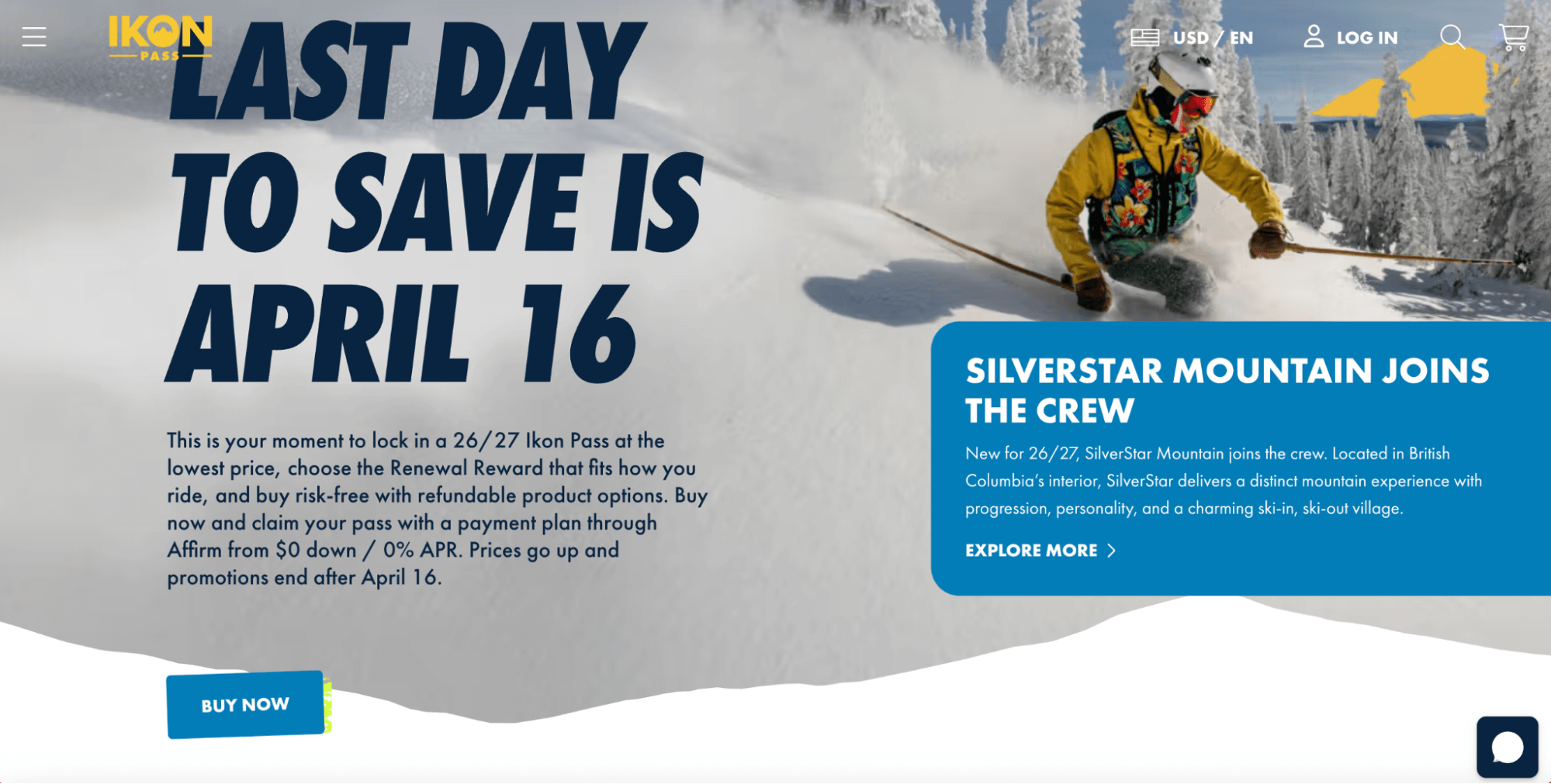
Visual Continuity: A major discovery in 2026 is the impact of "visual scent." If an ad features a specific hero image, the landing page must feature that exact same image. This continuity signals safety and relevance to the user, often boosting conversion rates by more than 10%.
The Frictionless Form: Data indicates an 8% loss of registrants for every additional mandatory field. The solution for 2026 is the "multi-step form" or the "double-incentive approach," where a user provides a name and email for a primary resource and is then offered a secondary bonus for completing the remaining fields.
The Death of "Submit": The word "Submit" is now considered bureaucratic and uninspiring. High-converting buttons in 2026 use first-person, value-driven language, such as "Yes! Count me in for the webinar" or "I want my free quote."
Official Responses and Strategic Implications: The Post-Conversion Opportunity
Perhaps the most overlooked area of the marketing funnel is the "Thank You" page. Industry experts agree that the moment immediately following a conversion is the point of highest brand trust.

"The worst thing you can do is say ‘Thanks, we’ll be in touch,’" says Schwedelson. In 2026, the Thank You page is a secondary conversion engine. By offering "complementary resources" or "exclusive upsells" immediately, brands can identify their most engaged users. Tracking who takes a second "freebie" allows for advanced database segmentation; these users often convert to paying customers at double the rate of single-action subscribers.
Protecting the Asset: Email Deliverability
The final hurdle in 2026 is no longer just the consumer, but the Inbox Service Provider (ISP). Modern email filters prioritize "strong engagement signals" over simple opens.
To maintain high deliverability, brands are increasingly using "one-click actions." Simple "this or that" quizzes within the email body serve two purposes:
- ISP Signal: A click signals to the provider that the content is wanted, keeping future emails out of the "Promotions" or "Spam" folders.
- Zero-Party Data: Each click provides a data point on user preference, allowing for hyper-personalized marketing in the future.
Implications: Precision as the Only Path Forward
As we move deeper into 2026, the implications for businesses are clear: the "volume game" is a race to the bottom. When AI can generate infinite content, the value of that content trends toward zero.
The brands that will thrive are those that master the "micro-moments" of the user journey. This requires:
- Hyper-personalization based on behavioral triggers.
- Frictionless design that prioritizes mobile users.
- Psychological alignment that moves away from "selling" and toward "access and identity."
In conclusion, the "quick wins" of 2026 are not about finding a secret new platform; they are about optimizing the existing touchpoints with scientific precision. By addressing the 20% annual database decay and fixing the "leaky" landing pages that lose 95% of visitors, marketers can turn the "noise" of 2026 into a clear, competitive advantage. Success in this era belongs to the marketers who understand that in a world of automated quantity, human-centric quality is the ultimate disruptor.