The Digital Renaissance: HMD Global Infuses Artificial Intelligence into the Iconic Nokia Feature Phone Lineup
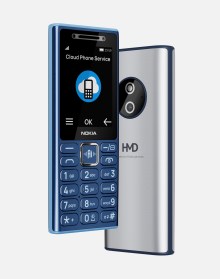
In a market landscape dominated by increasingly complex and expensive flagship smartphones, HMD Global has consistently championed the "digital detox" movement by keeping the spirit of the classic Nokia feature phone alive. However, the latest announcement from the manufacturer signals a shift in strategy: feature phones are no longer just basic communication tools. By integrating Artificial Intelligence into its newest cohort of handsets—the Nokia 200 4G, 210 4G, 215 4G 2nd Edition, and 235 4G 2nd Edition—HMD is attempting to bridge the gap between retro utility and modern-day convenience.
Main Facts: The New Guard of Nokia Feature Phones
HMD Global’s latest refresh is a comprehensive effort to modernize the feature phone experience. The four new models are designed for users who prioritize battery longevity and simplicity but do not wish to be left entirely behind by the AI revolution.
Key Specifications and Shared Features
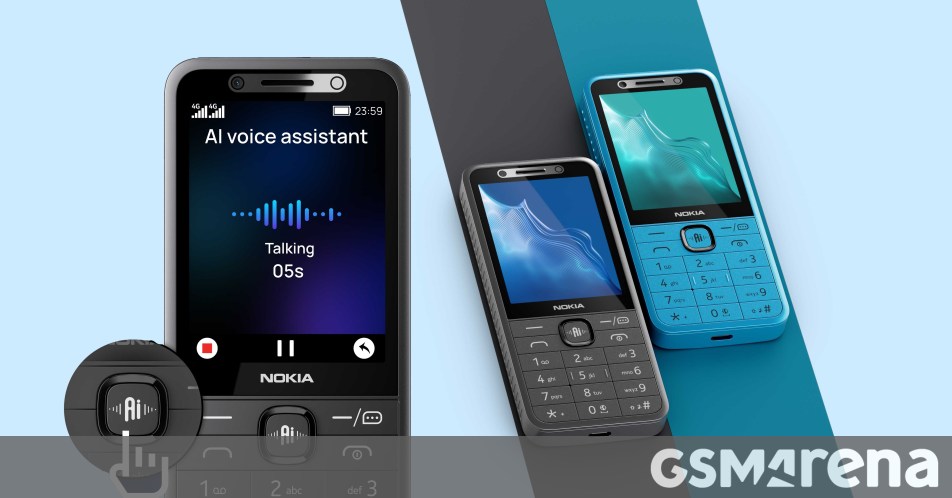
All four devices share a common DNA, running on the lightweight and efficient S30+ operating system. Despite their compact form factors, these devices are equipped with:
- Connectivity: Full 4G LTE support, ensuring that these devices remain relevant as legacy 2G/3G networks are sunset globally.
- Battery Performance: A robust 1,450 mAh battery, which—given the low power requirements of the S30+ OS and smaller screens—should translate into several days of standby time.
- Modern Standards: The inclusion of USB-C charging ports, Bluetooth 5.0, 3.5mm headphone jacks, and integrated FM radio receivers.
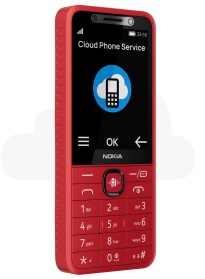
- Visuals: The Nokia 210 and 215 4G feature a 2.4-inch QVGA display, while the 215 and 235 models step up to a more spacious 2.8-inch IPS panel, maintaining the same crisp QVGA resolution.
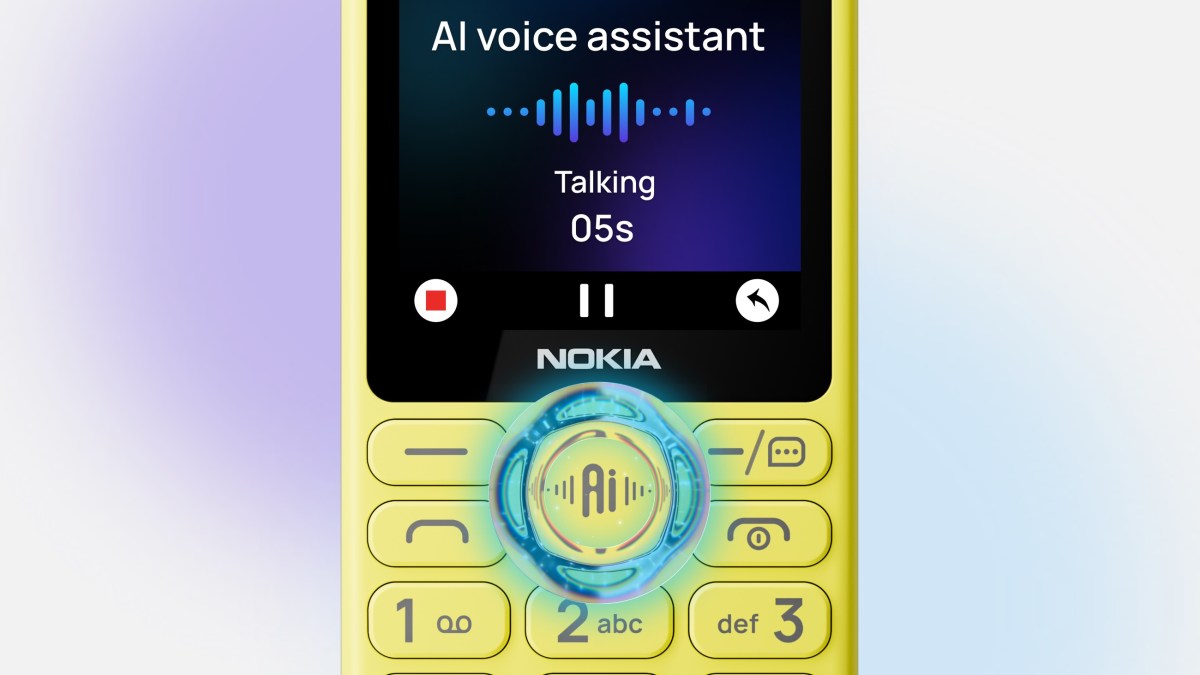
The headline feature, however, is the dedicated AI button placed front and center on the D-pad. This button acts as a gateway to "Sikey AI," an on-device assistant designed to handle basic queries and manage device settings through voice commands.
Chronology: The Evolution of the Nokia Brand Under HMD
To understand why HMD is investing in AI for basic phones, one must look at the trajectory of the Nokia brand since HMD Global acquired the licensing rights in 2016.
The Resurrection (2016–2018)
HMD began its journey by leveraging nostalgia, re-releasing iconic devices like the Nokia 3310. These phones were marketed as "secondary devices" for people who wanted to disconnect from social media but stay reachable.
The Modernization Phase (2019–2023)
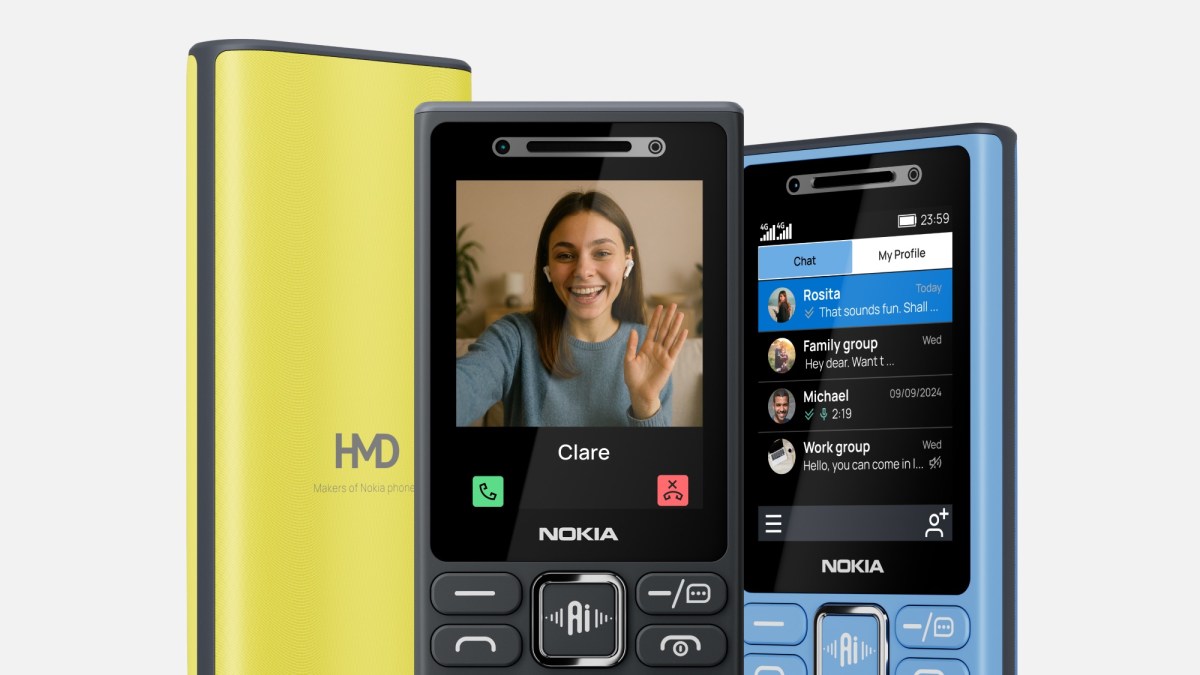
Recognizing that 4G was becoming a necessity rather than a luxury, HMD transitioned its feature phone portfolio to support LTE. This era saw the introduction of the "4G" naming convention, ensuring that users in emerging markets could rely on their devices for crystal-clear VoLTE calls.
The AI Era (2024–Present)
The announcement of the 200, 210, 215, and 235 4G models represents the third wave of HMD’s strategy. By integrating Sikey AI, the company is testing the waters to see if feature phone users are willing to pay for digital assistance. This is a significant pivot from the "dumb phone" philosophy, suggesting that HMD believes the future of the feature phone market lies in "smart-lite" functionality.
Supporting Data: Understanding the "Sikey AI" Subscription Model
While the inclusion of AI is innovative, the implementation has raised questions among industry analysts. According to official HMD specification pages, the AI assistant is not a permanent feature of the hardware, but rather a service.
The 180-Day Trial and Beyond
- The Trial: Users receive 180 days of complimentary access to Sikey AI upon the activation of their device.
- The Paywall: Post-trial, users must transition to a paid subscription model to continue utilizing voice commands and query processing.
- The Smartphone Paradox: Perhaps the most unusual aspect of this rollout is the accessibility of the subscription service. HMD has confirmed that users must possess a secondary, full-fledged smartphone to process the payment for the Nokia feature phone’s AI subscription. This creates a circular requirement: a device built for digital minimalism requires a high-tech device to maintain its "smart" features.
Camera Capabilities
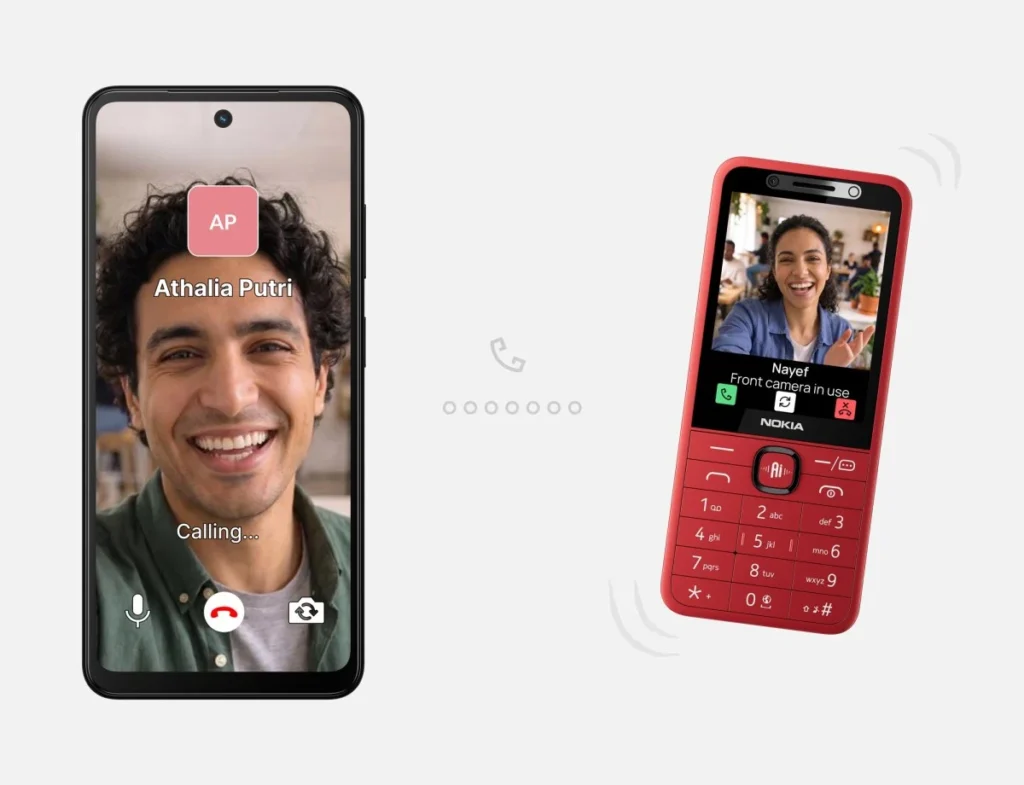
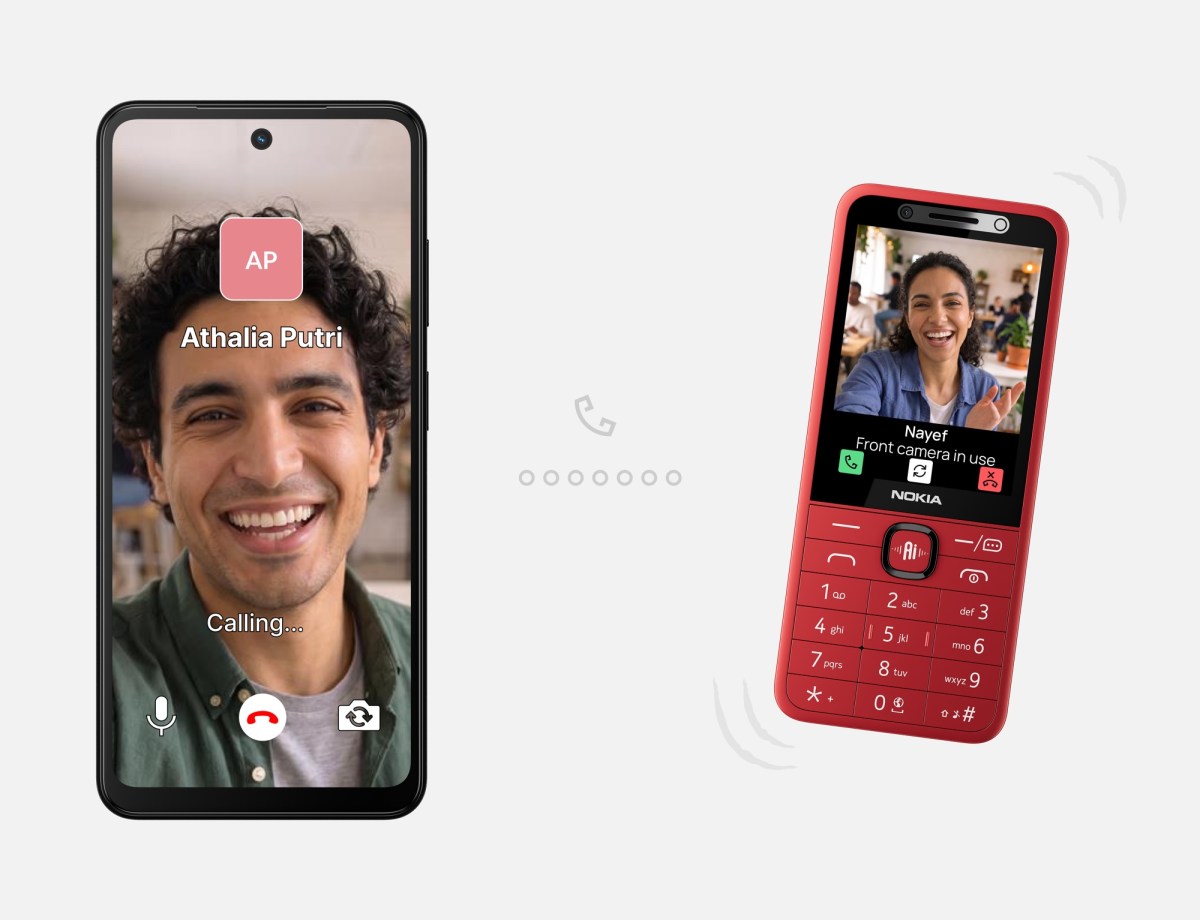
The Nokia 210 and 235 models include rear-facing cameras, with the 235 boasting a 2MP sensor. While these are not meant for photography enthusiasts, they serve a specific purpose: enabling Xpress Chat video calling. By utilizing the integrated VGA front-facing cameras (on applicable models), users can now engage in face-to-face communication, a feature previously reserved for mid-range smartphones.
Official Responses and Strategic Positioning
HMD Global has remained relatively quiet regarding specific pricing, likely due to the varied economic landscapes of the markets these phones are targeting (ranging from Africa and India to European niche markets). However, their marketing language emphasizes "empowerment through simplicity."
"We believe in technology that serves the user, not technology that dominates the user’s life," a spokesperson for HMD implied in recent communications. By adding AI, the company is attempting to remove the friction of navigating menus. Instead of scrolling through multiple layers of settings to turn on the flashlight or check the weather, a user can simply press the AI button and issue a voice command.
Industry experts interpret this move as a strategic hedge. By keeping the hardware simple but the software "smart," HMD is positioning itself to capture both the minimalist crowd and the budget-conscious consumer who cannot afford a $1,000 smartphone but still wants to participate in the AI trend.
Implications: What This Means for the Future of Tech
The decision to bake AI into a sub-$100 device has profound implications for the mobile industry.
1. The Death of the "Dumb" Phone
For years, the industry has defined the feature phone as a "dumb" device. HMD is effectively blurring these lines. If a feature phone can perform web queries and control hardware via voice, the term "feature phone" may soon become obsolete, replaced by "essential mobile devices."
2. The Subscription-Based Hardware Model
The requirement for a subscription service on a budget device is a bold gamble. It reflects a wider industry trend of "Hardware as a Service" (HaaS). If this model proves successful for HMD, it could lead to a wave of manufacturers offering low-cost hardware subsidized by recurring service fees for AI capabilities.
3. Sustainability and Longevity
The inclusion of USB-C and 4G support ensures that these devices have a long shelf life. In an era of e-waste, providing a durable, long-lasting device that can be repaired and used for years—with the option to opt-in to AI—is a compelling environmental narrative.
4. Accessibility and Digital Inclusion
For elderly users or those with visual impairments, voice-activated AI on a simple interface could be a game-changer. By removing the need to navigate complex touchscreens, HMD is potentially making the internet more accessible to a demographic that has been left behind by the smartphone revolution.
Conclusion: A Calculated Risk
HMD Global’s latest Nokia lineup is more than just a nostalgic nod to the past; it is a calculated experiment in the future of human-computer interaction. By placing AI at the fingertips of the most basic phone users, HMD is betting that the demand for simplicity is not synonymous with a demand for lack of capability.
Whether consumers will embrace the 180-day trial and the subsequent subscription model remains to be seen. However, one thing is certain: the feature phone market is no longer stagnant. As we move deeper into the age of artificial intelligence, HMD is ensuring that even the most humble Nokia device has a seat at the table. The success of this experiment will likely determine whether the "feature phone" category evolves into a new class of intelligent, affordable communication tools, or remains a niche for the nostalgic.
As the market awaits pricing and availability details, the tech world watches closely. If these devices succeed, we may be looking at the beginning of a new era where "smart" is not defined by screen size or processing power, but by the utility provided to the user. For now, the Nokia 200, 210, 215, and 235 4G stand as monuments to HMD’s commitment to keeping the Nokia name synonymous with reliability, while daring to whisper to the future.