Tightening the Digital Net: India Prepares Comprehensive Legal Framework to Regulate VPN Providers
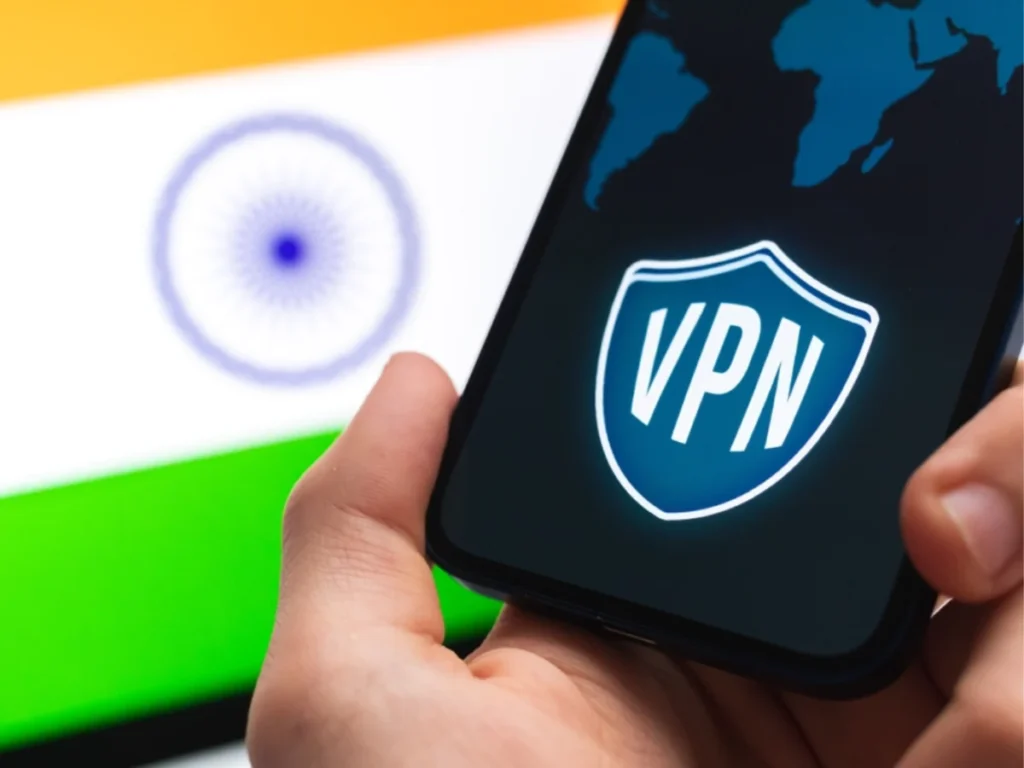
In an aggressive push to tighten its grip on the digital landscape, the Government of India is reportedly drafting a robust legal framework aimed at bringing Virtual Private Network (VPN) providers under direct regulatory oversight. This move marks a significant escalation in the ongoing tug-of-war between the state’s pursuit of national security and the digital autonomy of internet users.
If implemented, the proposed framework would mandate that VPN providers maintain a physical presence in India, appoint local compliance officers, and designate personnel to interface directly with government agencies. Most notably, the proposed regulations are expected to mirror the stringent obligations imposed on "Significant Social Media Intermediaries" under the Information Technology (IT) Rules of 2021, complete with potential penal consequences for local employees, including the threat of imprisonment for non-compliance.
The Genesis of the Move: Why Now?
The government’s primary concern stems from the increasing ease with which citizens are bypassing state-mandated digital barriers. VPNs—which encrypt traffic and mask IP addresses—have become the preferred tool for users to circumvent blocks on apps, social media accounts, and websites deemed "objectionable" or harmful by the Ministry of Electronics and Information Technology (MeitY).
As the volume of content-blocking orders has surged, so too has the frustration within the corridors of power. Official data indicates that the government issued over 24,000 content-blocking orders in 2025 alone, doubling the figure of 12,000 recorded in 2024. Officials argue that VPN services fundamentally undermine the efficacy of these orders by routing internet traffic through offshore servers, effectively rendering the "digital walls" erected by the state useless.
The tipping point appears to have been the temporary restriction of the messaging platform Telegram last month. During the period of the block, VPN downloads in India skyrocketed, surging 49% above their daily average—climbing from 139,000 to over 208,000. This spike in usage served as a stark reminder to policymakers that without legal control over the VPN infrastructure itself, their ability to control the information ecosystem is severely compromised.
Chronology of a Regulatory Standoff
The current tensions are not new; they are the evolution of a conflict that began in April 2022, when the Indian Computer Emergency Response Team (CERT-In) issued a controversial directive.
April 2022: The CERT-In Directive
CERT-In ordered all VPN providers, cloud service providers, and Virtual Private Server (VPS) operators to collect and retain sensitive customer data—including names, email addresses, contact numbers, IP addresses, and usage patterns—for a period of five years. The government argued this was essential for "cybersecurity investigations" and tracking digital crimes.
The Industry Pushback (2022–2023)
The mandate was met with immediate defiance from global VPN giants. Companies like Proton VPN, NordVPN, ExpressVPN, and Surfshark argued that the directive was fundamentally incompatible with their core business models, which rely on "no-logs" privacy policies. Rather than compromising their encryption and privacy standards, these companies systematically dismantled their physical server infrastructure in India, shifting their operations to virtual servers located in jurisdictions like Singapore.
Proton VPN was particularly vocal, stating it had "no intention of complying with this invasive mass surveillance law." The industry consensus at the time was that the directive turned privacy-focused services into instruments of state surveillance.
2025: The Move Toward Legislative Codification
Having realized that the 2022 directions were largely ignored or circumvented by companies that no longer maintained physical nodes in India, the Centre has shifted strategy. Instead of relying on agency-level directives, the government is now seeking a formal legislative framework. By requiring a "physical presence" and "local points of contact," the government aims to force these companies into a legal corner where they cannot simply "switch off" their Indian presence to avoid compliance.
Supporting Data and the Digital Landscape
The proliferation of VPNs in India is a byproduct of a rapidly expanding digital economy and an increasingly restrictive content environment. According to market analysts, India remains one of the largest consumer markets for VPN services globally.
- Usage Spikes: The surge in downloads during the Telegram blockage highlights a high degree of "digital resilience" among Indian users.
- The "No-Logs" Dilemma: While the government views "no-logs" policies as a barrier to investigation, privacy advocates maintain that this is the primary value proposition of a VPN.
- Economic Impact: Industry stakeholders have cautioned that forcing companies to maintain local infrastructure will lead to higher operational costs, potentially forcing some smaller VPNs to exit the Indian market entirely, thereby reducing the options available to privacy-conscious businesses and individuals.
Official Responses and Perspectives
The Government Stance
Government officials maintain that the regulatory push is essential for public order and national security. The argument is that in an era where cyber-attacks, misinformation, and illegal activities are rampant, the anonymity provided by VPNs creates a "dark zone" where criminals operate with impunity. By enforcing local compliance, the government believes it can hold platforms accountable for the content they facilitate and the users they host.
The Industry and Civil Society View
Privacy advocates and legal experts have slammed the proposal as a "death knell" for digital privacy in India. Critics argue that:
- Surveillance Risks: Mandatory data retention without a comprehensive data protection framework creates a treasure trove of information that could be misused for political profiling or the harassment of journalists and activists.
- Weakening Security: Forcing providers to log data creates a centralized point of failure. If these databases are hacked, the personal information of millions of Indians could be exposed.
- Arbitrary Power: The inclusion of criminal liability for local employees is viewed as a "chilling tactic" designed to intimidate tech companies into total submission.
"The government is essentially asking companies to destroy their own product," says one analyst familiar with the industry. "A VPN without privacy is just a slow, expensive internet connection."
Implications for the Future of the Indian Internet
The introduction of this legal framework, if passed, will signal a profound shift in the governance of the Indian internet.
1. A Fragmented Internet:
The move could lead to a "splinternet" scenario in India, where access to global privacy tools becomes restricted. Users might find themselves forced to choose between using state-sanctioned services—which may not offer genuine privacy—or relying on illicit, black-market alternatives.
2. The Exit of Global Tech:
Similar to the exit of global tech firms from other jurisdictions that implemented draconian data-localization laws, India may see a further exodus of high-quality privacy services. This could negatively impact the local IT and outsourcing sectors, which often use VPNs for secure cross-border communications.
3. Judicial Challenges:
Legal experts anticipate that any such law will be immediately challenged in the Supreme Court. The conflict between the state’s right to regulate and the fundamental right to privacy—affirmed in the landmark Puttaswamy judgment—will likely be at the heart of this legal battle. The government will have to prove that such measures are "proportionate" and "necessary," a high bar to clear in a constitutional court.
4. Increased Burden on Businesses:
For businesses operating in India, the need for secure, encrypted communication is paramount. If VPN providers are forced to weaken their encryption or log user traffic, Indian companies could face increased vulnerabilities to industrial espionage and global data breaches.
Conclusion
As the Centre moves forward with its plans to regulate VPNs, the debate underscores a critical tension in 21st-century governance: how much control should a state exercise over the digital pipes that facilitate the modern economy? While the government views its actions as a necessary upgrade to its regulatory arsenal, critics view them as a step toward an era of total digital visibility.
The outcome of this legislative push will likely set a global precedent. Whether India succeeds in bringing the "dark corners" of the internet into the light, or whether it inadvertently drives the digital economy into deeper, more opaque channels, remains to be seen. For now, the global VPN industry and the millions of Indian users who rely on these services remain in a state of anxious observation, awaiting the fine print of the proposed legislation.