Mastering the LinkedIn Funnel: A Strategic Blueprint for High-Conversion Content
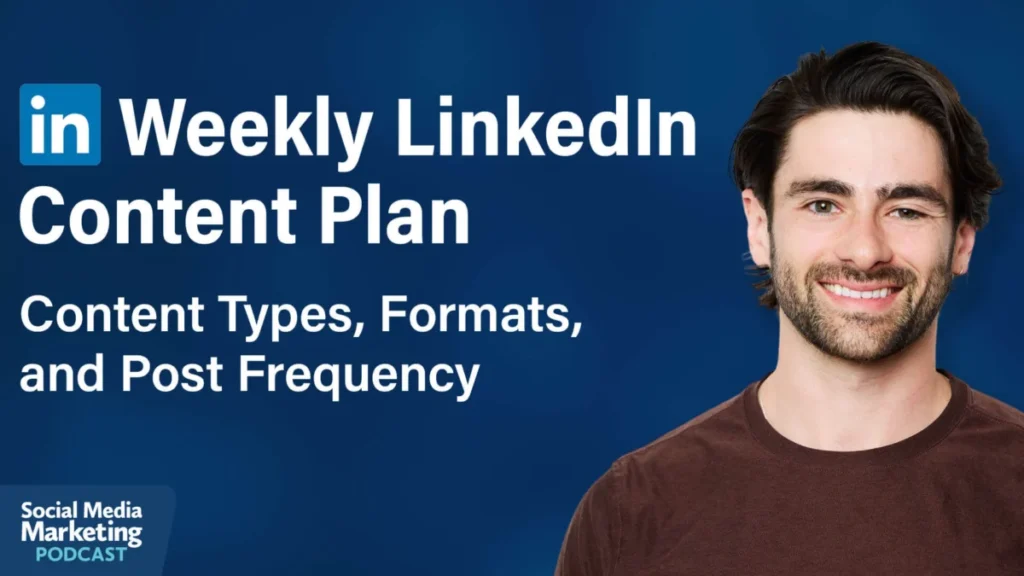
In the rapidly evolving landscape of digital networking, LinkedIn has transitioned from a static digital resume to a high-velocity revenue engine. For B2B entrepreneurs and creators, the platform represents a $2 trillion opportunity, yet many remain paralyzed by a lack of tactical direction. According to LinkedIn strategist Will McTighe, founder of WM Media and the software platform SayWhat, the difference between a stagnant profile and one generating seven-figure revenue lies in a shift from "hobbyist posting" to a rigorous, funnel-based content architecture.
This report explores the methodology behind McTighe’s 4-2-1 content framework—a system that has propelled his business toward a $2 million annual revenue run rate—and analyzes the specific post formats that drive modern lead generation.
Main Facts: The 4-2-1 Content Framework
The fundamental pillar of McTighe’s strategy is the abandonment of random posting in favor of a structured content funnel. Most users fail because they focus exclusively on one type of content—either purely educational "how-to" posts that build a following but no sales, or constant "buy from me" pitches that alienate potential prospects.
The McTighe framework balances these needs through a weekly posting ratio designed to guide a stranger from discovery to a closed deal:
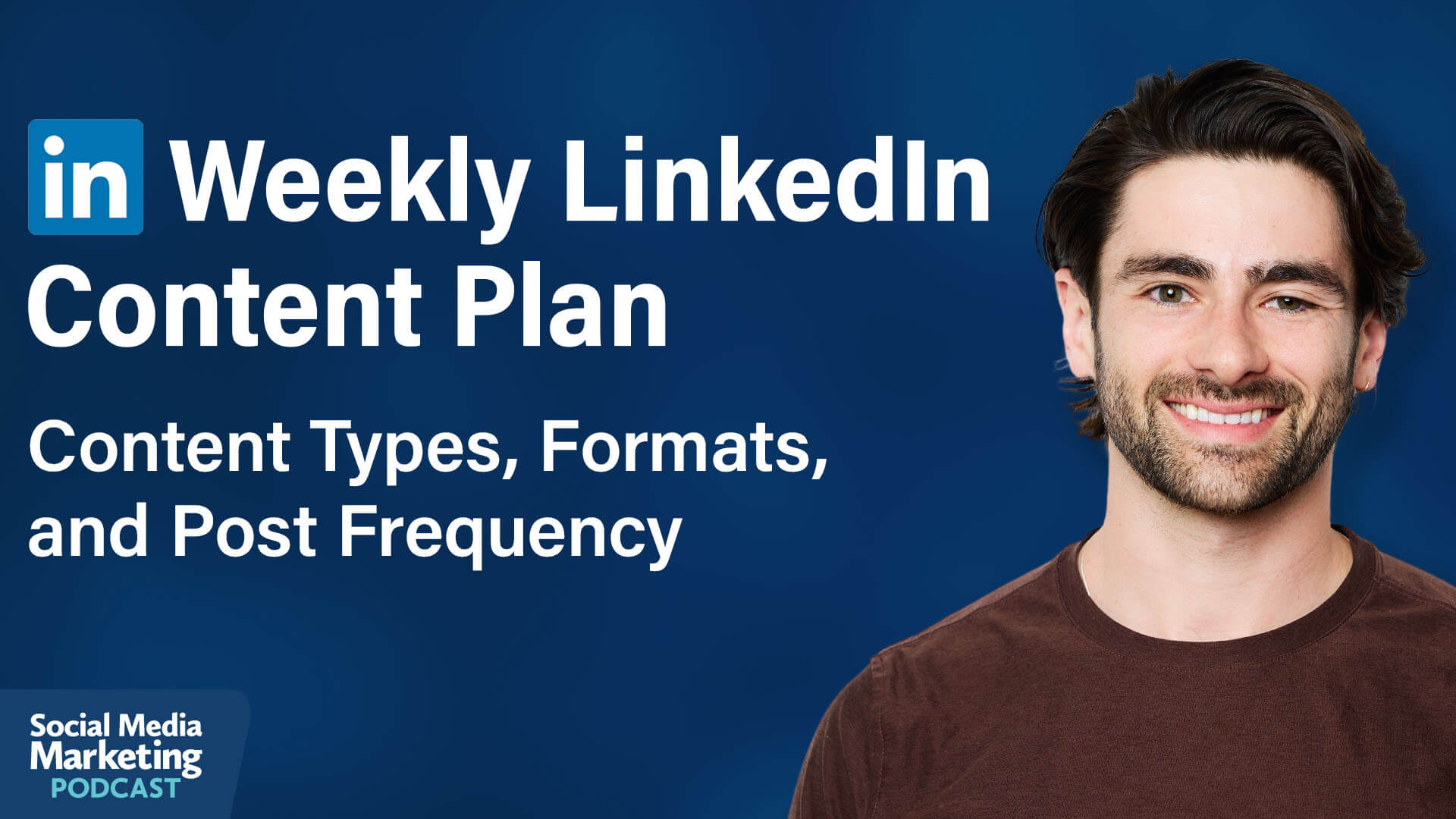
- Awareness (4 posts per week): High-reach content designed to attract new eyes and convert "strangers" into "followers."
- Trust (2 posts per week): Story-driven content designed to convert "followers" into "believers."
- Lead Generation (1 post per week): High-intent content designed to convert "believers" into "buyers."
By adhering to this 4-2-1 ratio, creators maintain a healthy ecosystem where the top of the funnel is constantly being replenished without neglecting the conversion mechanisms at the bottom.
Chronology: The Lifecycle of a LinkedIn Prospect
To understand the efficacy of the funnel, one must examine the chronological journey of a prospect through McTighe’s ecosystem.
Phase I: The Awareness Engine
The first touchpoint is rarely a sales pitch. It is an encounter with "Niche Intelligence." McTighe categorizes awareness content into two subtypes: educational and broadly relatable.
- Educational content is the primary driver of follower growth. By reacting to industry news—such as a new AI release from Anthropic—and framing it through a specific lens (e.g., "What this means for Cybersecurity founders"), a creator establishes immediate authority.
- Broadly relatable content focuses on universal professional struggles, such as burnout or work-life balance. While these posts often garner the highest "likes" and "shares," McTighe notes they convert fewer followers because they lack specific expertise.
Phase II: The Trust Transition
Once a user follows an account, the relationship enters the trust-building phase. This is where the creator moves from being a "news source" to a "relatable expert." This phase is dominated by the Story-Lesson-Application framework. The goal here is to share personal or professional narratives that humanize the brand while providing a clear, actionable takeaway for the reader.

Phase III: The Lead Generation Pivot
The final stage occurs when the follower is presented with a "Transformation Case Study." This content is chronologically positioned to capitalize on the goodwill built in the previous six days. It utilizes high-contrast results (e.g., "From zero to 10k followers in 30 days") to prove that the creator’s methodology works for people other than themselves.
Supporting Data: Formats, Ratios, and Algorithmic Performance
McTighe’s strategies are not merely anecdotal; they are rooted in the analysis of over 100,000 LinkedIn posts. The data reveals several counter-intuitive truths about how the LinkedIn algorithm currently prioritizes content.
The Visual Superiority of Carousels
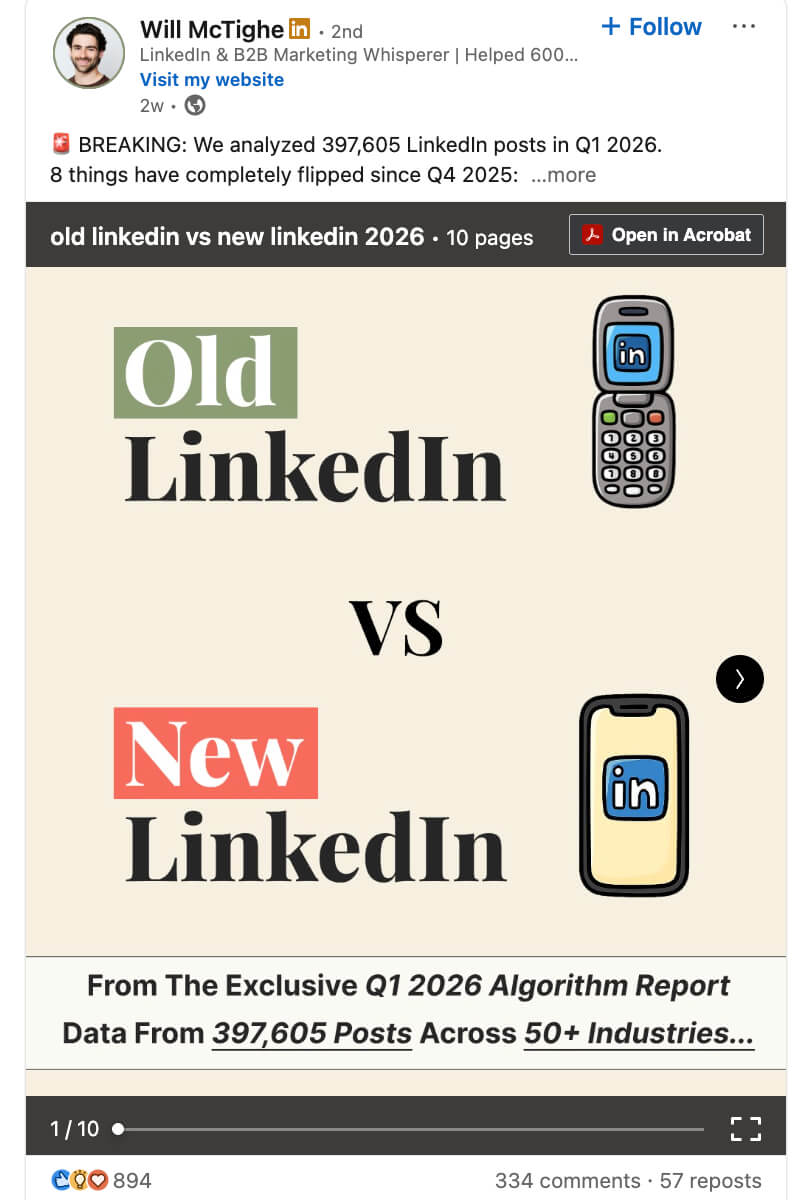
Data indicates that infographics and carousels (PDF documents) are currently the highest-performing formats for virality. McTighe recommends a frequency of four per week for those seeking aggressive growth. Conversely, "pure text" posts show the lowest median performance. However, adding a single, relevant image to a text post can double its engagement—provided the image aligns with the first two lines of text (the "hook").
The "Link Penalty" Myth
A common belief among LinkedIn creators is that including external links suppresses reach. McTighe’s research suggests otherwise. Posts with links often outperform those without because they typically lead to high-value resources, such as curated lists or deep-dive newsletters. The "dwell time" and "saves" generated by the quality of the linked resource frequently outweigh any minor algorithmic suppression.
Video: Low Reach, High Resonance
While video content often sees 50-70% less reach than static images or carousels, its role in the "Trust" phase is irreplaceable. Video builds a sense of familiarity and "parasocial intimacy" that text cannot achieve. McTighe observes that while his videos get fewer views, prospective clients frequently cite them during sales calls as the primary reason they felt comfortable reaching out.
Official Responses: Expert Insights and Methodologies
Will McTighe emphasizes that the primary barrier to LinkedIn success is not a lack of intelligence, but a lack of "operational rigor." He treats LinkedIn as a professional obligation rather than a social media hobby.
The "Authority Hook" vs. The "Emotive Hook"
In his trust-building content, McTighe utilizes two specific types of hooks to capture attention:
- The Authoritative Hook: "20 years of marketing experience in 60 seconds." This leverages credentials to buy the reader’s time.
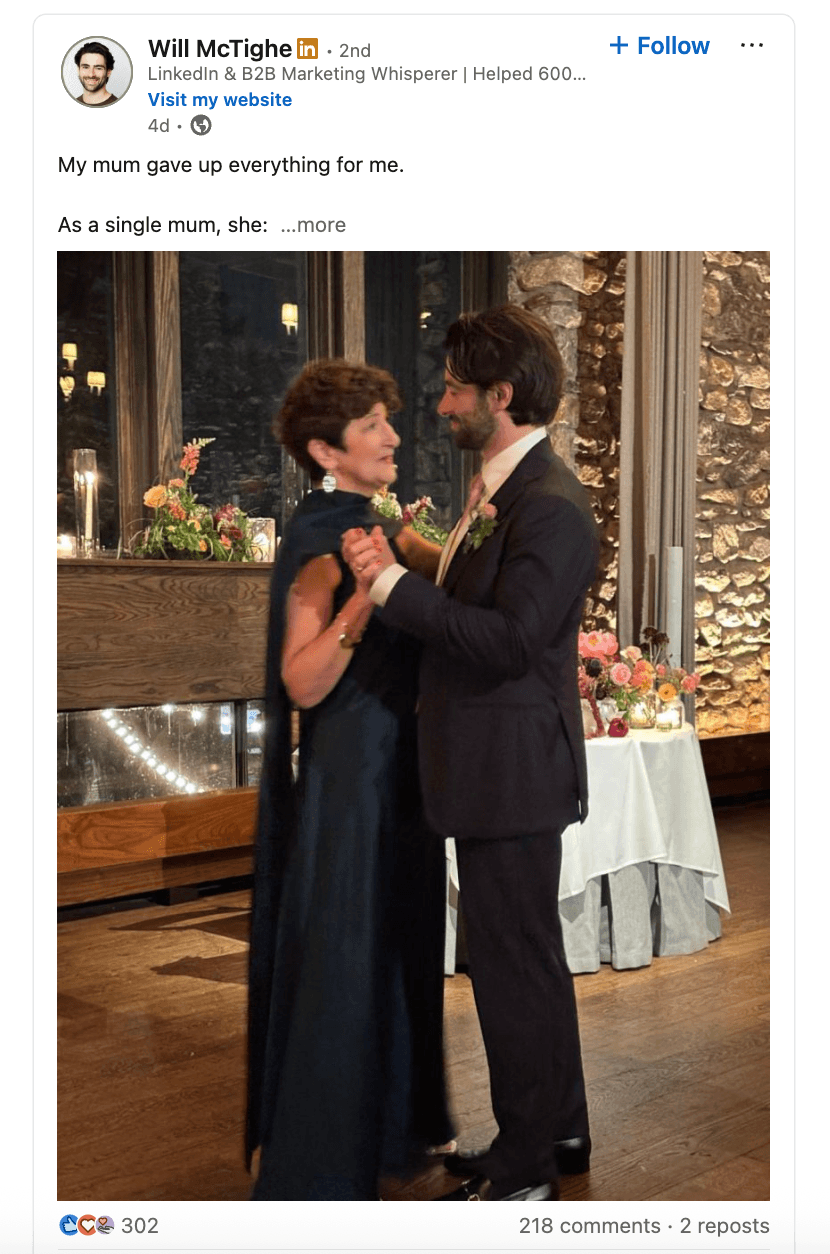
- The Personal/Emotive Hook: Sharing stories of family or personal sacrifice to align with the reader’s values. McTighe’s post regarding his ability to visit his mother in the UK due to his business flexibility is a prime example of using personal narrative to sell the "dream" of entrepreneurship.
AI-Driven Content Mining
To maintain the 4-2-1 ratio without burning out, McTighe utilizes AI (specifically Claude and ChatGPT) to mine his own life for stories. His methodology involves:
- Recording client calls and transcribing them.
- Prompting AI to identify "20-30 powerful stories" from the transcriptions.
- Asking the AI to specifically identify stories the creator told during the call—an often overlooked source of "accidental" wisdom that lands well in conversation but is forgotten by the speaker.
De-Risking the Purchase
In the lead generation phase, McTighe argues that "polished" is the enemy of "persuasive." He advocates for the use of "raw" social proof:
- Unfiltered Screenshots: Using Slack messages or iMessage threads (with permission) showing client wins.
- Logo Association: Placing the creator’s brand next to established logos (e.g., Microsoft or Google) to "borrow" credibility.
- The "Hero" Shift: In case studies, the client must be the hero. The creator is merely the guide who provided the tools.
Implications: The Future of B2B Personal Branding
The success of the 4-2-1 framework signals a broader shift in how B2B sales are conducted. The traditional "cold outreach" model is being superseded by "inbound authority."
The Democratization of Influence
McTighe’s trajectory—moving toward $2 million in revenue in just his third year of posting—demonstrates that niche expertise, when packaged correctly, can out-compete massive corporate marketing budgets. The implication for small business owners is clear: the cost of entry is no longer capital, but consistency.
The Authenticity Premium
As AI-generated content floods LinkedIn, the value of "unfiltered" trust-building content will likely increase. The data suggests that "staged" authority photos are becoming less effective than "in-the-moment" captures of speaking engagements or team collaborations. Readers are developing a sophisticated "authenticity radar," making the "Story-Lesson-Application" framework a vital tool for the foreseeable future.
Strategic Resilience
By diversifying content across awareness, trust, and lead generation, creators build a resilient brand that is not dependent on a single viral moment. The 4-2-1 ratio provides a sustainable baseline that allows for "promotional spikes" (such as product launches) without damaging the long-term health of the audience relationship.
In conclusion, the LinkedIn content funnel is not a secret code, but a disciplined application of psychological principles and data-driven formatting. For those willing to treat the platform with the rigor of a full-time job, the potential for revenue growth and market influence is virtually unparalleled in the current digital economy.