The Great Indian IPO Wave: How New-Age Tech Companies Are Redefining Corporate Maturity
For years, the Indian tech startup ecosystem was viewed through the lens of potential—a promising "kid" in the global arena. Today, that narrative has shifted significantly. The ecosystem has transitioned into a phase of undeniable maturity, evidenced by a historic surge in public market listings. For Indian enterprises, an Initial Public Offering (IPO) has long been the gold standard for signaling operational transparency, long-term viability, and corporate governance. For the modern startup, however, the IPO has become a critical rite of passage—a mechanism for investor liquidity, wealth creation, and the ultimate validation of a business model.
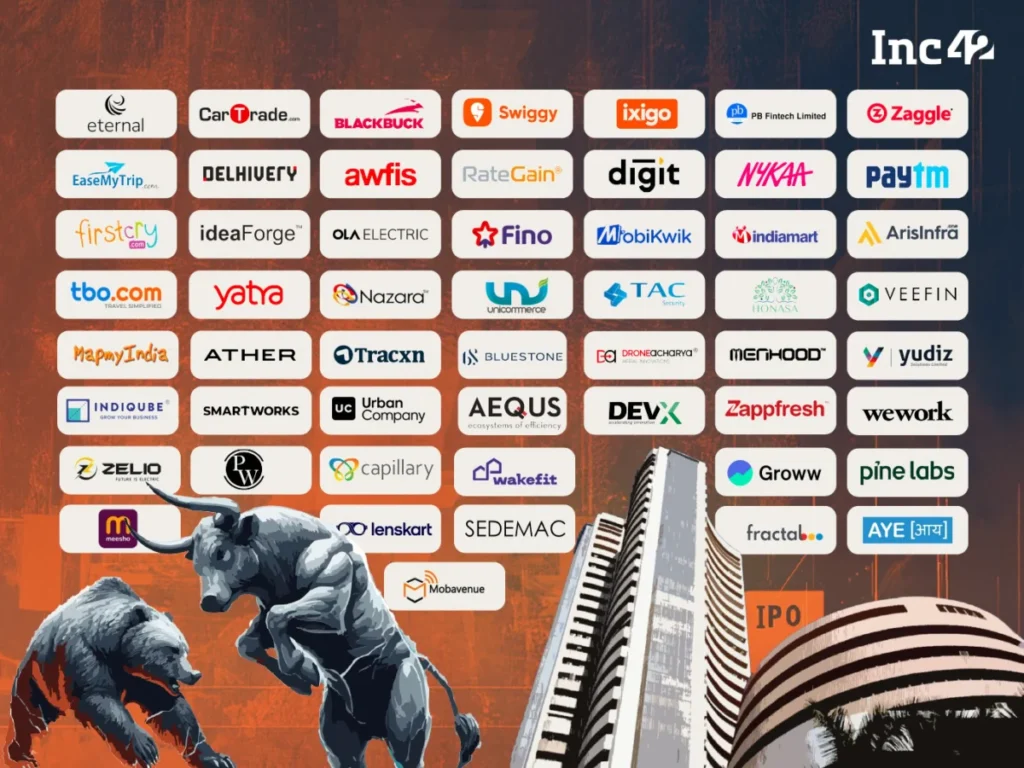
As of July 2026, the data paints a compelling picture: over 60 new-age tech companies have successfully navigated the complexities of the public markets, commanding a staggering cumulative market capitalization exceeding $148 billion.
The Evolution of the Indian IPO Landscape
The trajectory of Indian startups toward the bourses has seen a dramatic acceleration. What was once an aspirational milestone for a handful of unicorns has become a strategic inevitability for the broader ecosystem. This "coming of age" is not merely about raising capital; it is about the structural evolution of the Indian economy.
The momentum reached a fever pitch in 2025, which stands as a watershed year for the ecosystem. While 2024 saw 13 startups make their market debut, 2025 obliterated that record with 18 companies ringing the opening bell. This list included industry stalwarts and household names such as Meesho, Ather Energy, Urban Company, Lenskart, Groww, Pine Labs, and the edtech giant PhysicsWallah.
The trend has continued unabated into 2026. Companies like Kissht, Aye Finance, Fractal Analytics, Amagi, Shadowfax, and SEDEMAC have already marked their public debuts this year, with firms like Turtlemint lining up to join the ranks. This consistent influx of tech-led companies into the NSE and BSE is fundamentally altering the composition of the Indian stock market, traditionally dominated by legacy manufacturing and banking sectors.

A Chronology of Growth: From "Growth at All Costs" to Sustainable Profits
The journey to Dalal Street has been fraught with structural shifts. During the exuberant funding boom of 2020–2022, the Indian startup ecosystem was defined by a "growth at all costs" mentality. Market share was the primary metric, and profitability was often treated as a secondary concern.
However, the "funding winter" that began in 2022 served as a brutal, necessary reality check. Investors, sensing a shift in the global macroeconomic climate, began demanding a clear path to profitability. This forced a pivot that has since become the defining characteristic of the current IPO wave.
The Profitability Paradigm
Data suggests that the market now rewards those who demonstrate discipline. Currently, approximately 64% of listed new-age tech companies are operating in the black.
The profitability landscape is led by seasoned players who paved the way. Info Edge, which debuted as early as 2006, continues to tower over its peers with a net profit of ₹962 Cr in FY25. Internet giants such as Justdial and IndiaMART follow closely, showcasing the longevity and sustained value creation of the "older" generation of tech companies.
In contrast, the more recent entrants are showing a "pre-IPO pivot." Many companies, such as Lenskart, managed to execute a dramatic financial turnaround just before filing their draft red herring prospectuses (DRHP), shifting from losses to profitability in the quarters leading up to their public debut.

Sectoral Dominance: Fintech, Ecommerce, and Enterprise Tech
The sectoral distribution of these IPOs is a direct reflection of where private capital has been concentrated over the last decade. The "Big Three" sectors—Fintech, Ecommerce, and Enterprise Tech—continue to lead the charge.
- Fintech: With 13 listings, this sector remains the most active, driven by the massive digitization of India’s financial services.
- Enterprise Tech: Boasting 12 listings, this sector reflects the growing demand for B2B digital transformation tools both within India and globally.
- Ecommerce: With 11 listings, this sector demonstrates the sheer scale of India’s consumer consumption story.
The road ahead remains robust. The anticipated listings of industry heavyweights like PhonePe, Zepto, and OYO are expected to further deepen the concentration of these sectors on the bourses. Furthermore, as the ecosystem matures, we are seeing the emergence of more niche listings, particularly in real estate tech, where companies like Infra.Market are already in advanced stages of their regulatory journey.
Geographical Hubs: The Rise of Delhi NCR
While Bengaluru has historically held the title of India’s "Silicon Valley," the geography of public listings tells a different story. Delhi NCR—comprising Delhi, Gurugram, and Noida—has emerged as the undisputed nerve center for listed tech companies.
The region currently hosts 25 listed new-age tech companies, significantly outpacing Bengaluru’s 17 and Mumbai’s 11. Gurugram, in particular, has become a corporate powerhouse for firms like Delhivery, Lenskart, and Eternal. Noida is home to giants like Paytm, while Delhi proper maintains a strong presence with firms like EaseMyTrip and MapmyIndia.
This regional dominance is reflected in the market capitalization figures: Delhi NCR contributes a staggering $87.8 billion to the total $148 billion market cap of the listed tech sector. This concentration suggests that the regulatory and corporate infrastructure in the National Capital Region is proving highly conducive to the high-stakes environment of public market operations.
Implications for the Future: A Maturing Ecosystem
The transition of Indian startups from private entities to publicly traded corporations carries profound implications for the national economy.
1. Investor Liquidity and Wealth Creation
The IPO boom is finally providing the long-awaited exit routes for early-stage venture capital and private equity investors. This liquidity is critical; as capital flows back into the system, it is being recycled into new, early-stage ventures, effectively fueling the next generation of innovation.
2. Corporate Governance Standards
Transitioning to a public company forces startups to adopt rigorous corporate governance, financial reporting standards, and board accountability. While the regulatory burden is significant, it has undeniably forced a "professionalization" of the startup sector. The days of opaque "growth metrics" are being replaced by audited financials and transparent communication with retail and institutional investors.
3. The Challenge of Sustained Performance
Despite the success of these IPOs, the journey does not end at the listing. As seen in the performance of companies like Urban Company (which fluctuated between profit and loss) or the volatility in stock prices for some recent entrants, the public market is a harsh taskmaster. Companies must now balance the pressure of quarterly reporting with the long-term vision required for tech innovation.
Conclusion: A New Era of Indian Tech
The "Indian IPO Wave" is more than just a list of ticker symbols on the NSE and BSE. It is a testament to the resilience and evolution of the Indian entrepreneurial spirit. From the pioneering days of Info Edge to the massive, multi-billion dollar debuts of the mid-2020s, the ecosystem has moved from chasing valuations to building sustainable, profitable, and transparent institutions.

As we look toward the remainder of 2026 and beyond, the focus will likely shift from the number of listings to the quality of long-term value creation. For the companies already on the bourses, the challenge is to prove that they can thrive in an environment where growth is no longer the only metric that matters—but the primary metric by which they are measured is long-term, compounding value.
The Indian tech startup has finally grown up. Now, it must show the world that it has the staying power to lead in the global public markets.
Data Source: Inc42 Analysis, Public Market Data. Note: Market capitalization and financial performance data are based on the latest available filings as of July 2026. For a granular view of individual company performance, shareholders and analysts are encouraged to consult the Inc42 Listed New-Age Tech Company Tracker.