The Honor Magic V6: A New Standard for European Foldables or a Costly Gamble?
The landscape of foldable smartphones has shifted once again. Following months of speculation and anticipation, the Honor Magic V6 has finally arrived on European shores. As Honor seeks to cement its position as a dominant force in the premium mobile market, this latest iteration aims to bridge the gap between high-end performance and the physical constraints of foldable design. However, with a premium price tag that is set to climb significantly after the introductory launch period, the question remains: is the Magic V6 the definitive foldable for the European consumer?
Main Facts: A Technical Overview
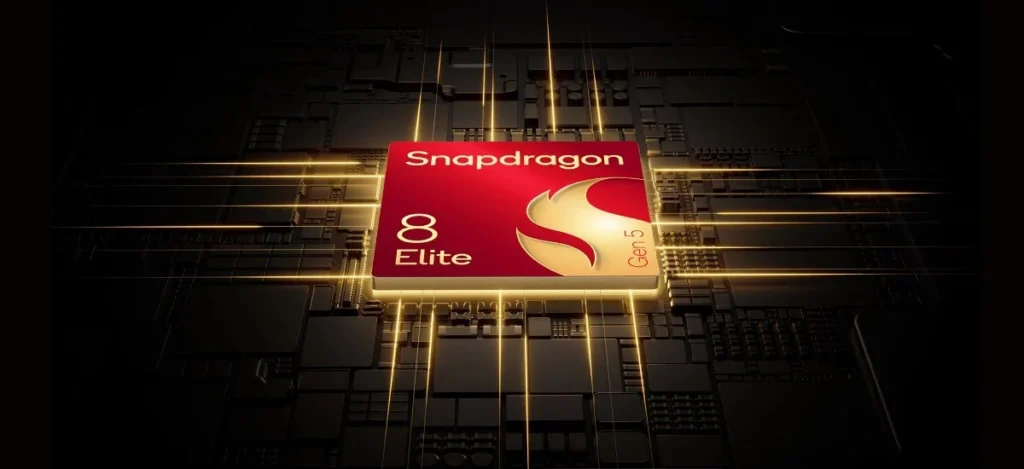
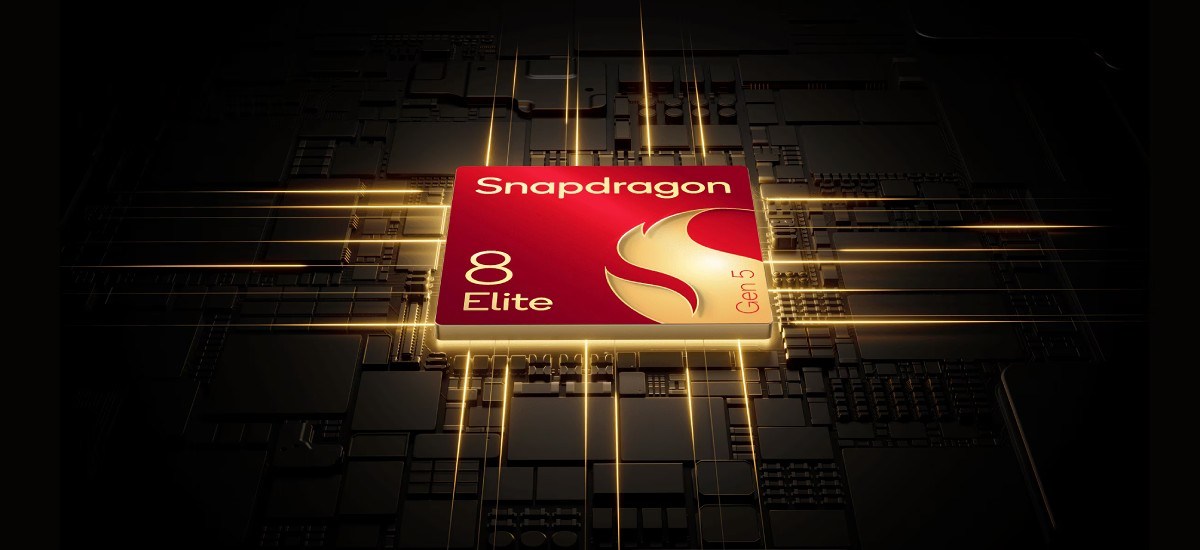
At its core, the Honor Magic V6 is a testament to the rapid evolution of mobile hardware. Powered by the cutting-edge Snapdragon 8 Elite Gen 5 chipset, the device is designed to handle the most demanding multitasking workflows, making it a compelling choice for power users who rely on the device’s unique screen real estate.
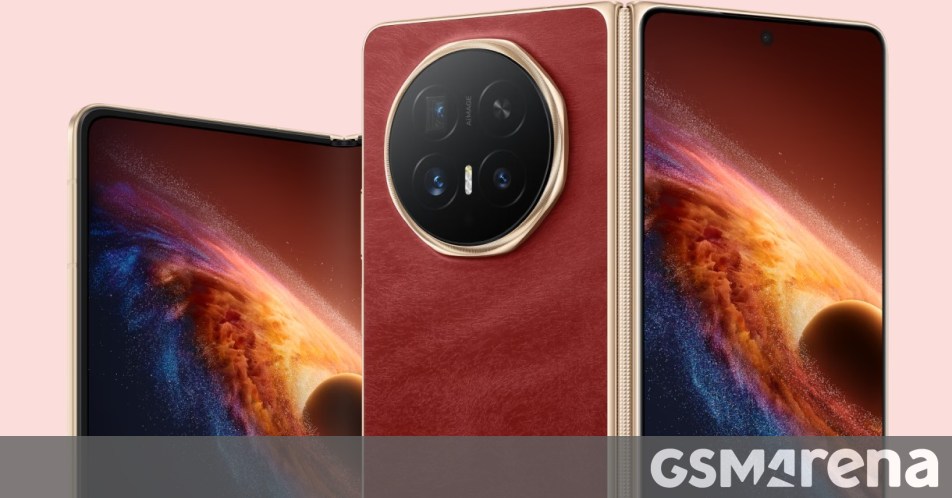
The hardware specifications are equally impressive. The device features a 6.52-inch cover display with a 1080p+ resolution in a 20.1:9 aspect ratio, offering a standard smartphone experience when folded. Once opened, users are greeted by a sprawling 7.95-inch inner display, boasting a resolution of 2,172 x 2,352 pixels. Both screens utilize LTPO2 panel technology, ensuring a smooth 120Hz refresh rate while optimizing power consumption. Crucially, Honor has retained and refined stylus support for both panels, reinforcing the device’s utility as a productivity tool.
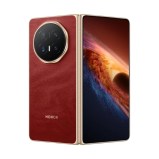
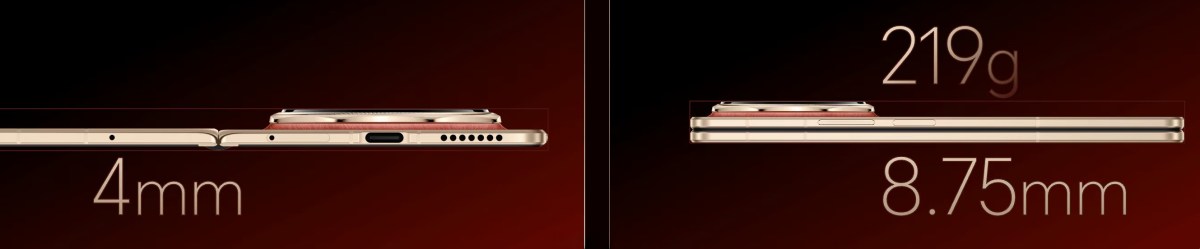
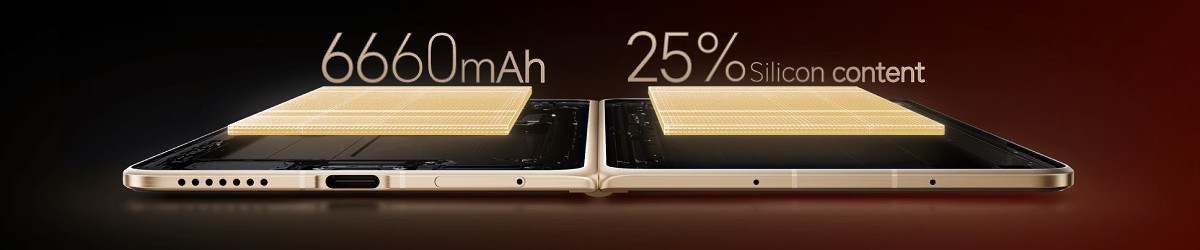
The physical design has seen subtle but vital refinements. The Magic V6 measures just 8.8mm thick when folded and an incredibly thin 4.0mm when unfolded—though these dimensions vary slightly by color variant (up to 9.0mm and 4.1mm respectively). Despite these slender dimensions, the device manages to house a robust 6,660mAh battery, a significant upgrade from the 5,820mAh cell found in the predecessor, the Magic V5. This power cell supports 80W wired and 66W wireless charging, ensuring that downtime is kept to a minimum.
Chronology: The Road to Launch
The journey of the Honor Magic V6 began in early March, when rumors of a refined hinge mechanism and increased battery density first began circulating within industry circles. Throughout the spring, Honor teased the device’s capabilities, focusing heavily on its improved durability.
By mid-summer, the official launch announcement confirmed that the device would hit the European market in July. The company opted for an aggressive, time-sensitive pricing strategy: from the launch date through July 31, the device is available for €1,700. As an added incentive, Honor is bundling the Honor Pad 10 with every purchase, alongside a comprehensive 24-month screen protection plan—a move clearly designed to alleviate consumer anxiety regarding the longevity of foldable display technology.
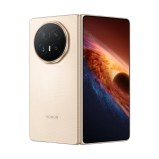
However, the "early bird" window is brief. Starting August 1, the retail price is scheduled to increase to €2,300, a move that signals Honor’s confidence in the device’s value proposition while simultaneously creating a sense of urgency for potential buyers.
Supporting Data: Performance and Durability
In our detailed review of the Honor Magic V6, the device’s performance metrics stood out, particularly regarding its thermal management and battery endurance. The integration of the Snapdragon 8 Elite Gen 5 has allowed Honor to achieve higher efficiency scores, which, when paired with the 6,660mAh battery, results in one of the most reliable endurance profiles in the current foldable market.
Durability and Build Quality
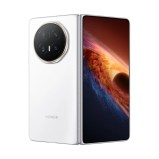
One of the most significant upgrades for the Magic V6 is the redesigned hinge. Honor has prioritized environmental sealing this year, achieving an IP68/IP69 rating. This is a critical development, as dust resistance has historically been the "Achilles’ heel" of foldable hinges. The move to IP69, which indicates protection against high-pressure, high-temperature water jets, places the Magic V6 in an elite class of mobile devices that do not compromise on ruggedness for the sake of form factor.
Camera Array
The optics package remains largely consistent with last year’s model, which may be a point of contention for some. The system features:
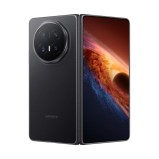
- Main Camera: 50MP, 1/1.56" sensor.
- Telephoto: 3x optical zoom (70mm) with a 1/2.0" sensor.
- Ultra-wide: 50MP, 122° field of view.
- Selfie Cameras: Dual 20MP front-facing shooters.
While the hardware specs haven’t seen a dramatic leap, the refined software processing—leveraging the ISP capabilities of the Snapdragon 8 Elite—provides sharper, more color-accurate images compared to the V5.
Official Responses and Market Positioning
Honor has been vocal about its strategy in Europe. By offering the Magic V5 at a lower price point of €1,300, the company is effectively creating a two-tier foldable ecosystem. This ensures that customers who are intrigued by the foldable form factor but are sensitive to the extreme premium of the V6 still have an accessible entry point.
Market analysts suggest that Honor is positioning itself against the likes of the Samsung Galaxy Z Fold7 and the Google Pixel 10 Pro Fold. While regional competitors like the Oppo Find N6 and the vivo X Fold6 remain largely absent from the European market, Honor’s aggressive bundle offers suggest they are aiming to capture the "switchers" market—users of traditional flagship phones who are looking for their first, or their next, foldable upgrade.
Implications: Is the Magic V6 the Future?
The arrival of the Honor Magic V6 carries several implications for the mobile industry. First, the increase in battery capacity without a corresponding increase in weight (219g to 224g) demonstrates that the "foldable compromise" is disappearing. Users no longer need to sacrifice endurance for the convenience of a tablet-sized screen.
Second, the price jump in August suggests that the company is treating the V6 as a luxury commodity. At €2,300, the device enters a price bracket occupied by ultra-premium handsets and specialized tech. This reflects a growing trend where manufacturers use foldables as "halo" products to elevate brand perception.
The Competition
For those weighing their options, the decision between the V5 and V6 is not merely about technical specifications. The V5, at €1,300, remains a highly capable machine. However, for those who prioritize long-term durability—specifically the IP69 rating—and the future-proofing provided by the latest Snapdragon silicon, the Magic V6 is clearly the superior, albeit more expensive, choice.
Conclusion: Final Verdict
The Honor Magic V6 is an engineering triumph. It takes the successful formula of its predecessor and applies the necessary refinements—better battery, stronger hinge, and superior internal processing—to create a device that feels truly complete. While the price tag is undeniably steep, the promotional period in July, which includes the Honor Pad 10 and screen protection, offers a rare window of value.
For the professional user, the creative, or the tech enthusiast, the Magic V6 offers a compelling argument for switching to a foldable. As the market matures, the Magic V6 stands as a clear indicator that Honor is not just participating in the foldable race; it is setting the pace. Whether it will sustain this momentum once the price hikes into the luxury territory of €2,300 in August remains the final, and perhaps most difficult, test for the company.