E-20 Fuel Transition: Balancing National Energy Ambitions with Ground-Level Challenges
By Economic Desk
Published: July 06, 2026 | Updated: July 06, 2026
The Indian energy landscape has undergone a seismic shift since the government’s aggressive rollout of the Ethanol Blended Petrol (EBP) programme. Initially launched as a flagship initiative under the National Biofuel Policy, the transition to E-20 (a blend of 20% ethanol and 80% petrol) was designed as a multi-pronged solution to some of the country’s most pressing economic and environmental challenges.
However, three years into the nationwide implementation, the program has reached a critical juncture. While the government maintains that the initiative is on track to meet its long-term objectives, stakeholders—particularly petrol dealers in regions like Odisha—are sounding the alarm. Issues ranging from vehicle compatibility concerns to the stagnation of dealer margins have prompted urgent calls for a policy review.
Main Facts: The Vision Behind the Blend
The Ethanol Blended Petrol (EBP) programme was conceived as a strategic move to decouple India’s economy from the volatility of global crude oil markets. By integrating agricultural by-products into the fuel supply chain, the government aimed to achieve three primary pillars of national development:
- Reduction in Import Dependence: India imports a significant portion of its crude oil requirements. Increasing the share of indigenously produced ethanol helps conserve foreign exchange reserves and strengthens the domestic energy balance sheet.
- Environmental Stewardship: As the world pivots toward decarbonization, ethanol-blended fuel is viewed as a bridge technology. The E-20 blend is scientifically proven to reduce carbon monoxide and hydrocarbon emissions compared to conventional petrol, aligning with India’s international climate commitments under the Paris Agreement.
- Agrarian Empowerment: By creating a massive, consistent market for sugarcane, maize, and surplus grains, the policy acts as a rural stimulus, ensuring that farmers receive stable income streams, thereby boosting the rural economy.
Chronology: The Road to E-20
The journey toward E-20 was not an overnight decision but a phased, systematic rollout:
- 2018: The government unveiled the National Policy on Biofuels, setting ambitious targets for blending.
- 2021-2022: The government accelerated the timeline for E-20, aiming for a 20% blend across the country by 2025.
- 2023: The official nationwide rollout of E-20 fuel began at retail outlets, marking the transition from E-10 to E-20 for millions of Indian motorists.
- 2024-2025: Monitoring phases were initiated to track the impact on engine performance and fuel infrastructure.
- July 2026: The current status reflects a state of friction; while the infrastructure is in place, the operational costs for dealers and the technical impact on older vehicle fleets have become central topics of national debate.
Supporting Data: Economic and Environmental Impact
The efficacy of the E-20 program is best understood through the lens of national savings. According to Ministry of Petroleum and Natural Gas reports, the EBP program has successfully saved the nation billions in foreign exchange.
- The Forex Buffer: Between 2014 and 2025, the increased use of ethanol has significantly curtailed the import bill. Estimates suggest that for every percentage point of ethanol blended, the country saves approximately ₹5,000–₹6,000 crore annually in oil imports.
- Emission Metrics: Independent studies commissioned by the Petroleum Planning and Analysis Cell (PPAC) indicate that E-20 fuel results in a 20% reduction in carbon monoxide emissions in older vehicles and a marked decrease in tailpipe particulate matter.
- Agricultural Offtake: The sugar industry has seen a transformation, with mills increasingly diverting molasses toward ethanol production rather than just sugar, stabilizing the price cycle for sugarcane farmers.
The Dealer’s Dilemma: Challenges in Odisha and Beyond
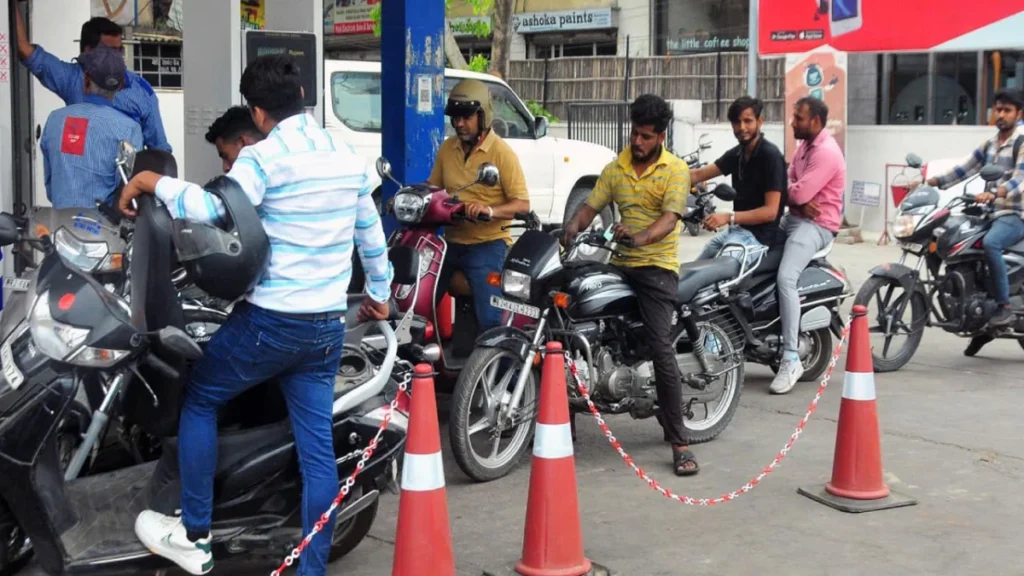
Despite the macro-economic gains, the retail front—the petrol pumps—is facing significant operational strain. Petrol dealers in Odisha have been vocal about the "hidden costs" of the E-20 transition.
1. The Margin Crisis
Dealer margins, which cover the costs of running a retail outlet (electricity, labor, infrastructure maintenance), have remained largely stagnant despite the rising operational complexities of handling ethanol-blended fuel. Dealers argue that the government must revise these margins to reflect current inflationary pressures and the capital expenditure required to upgrade tanks and dispensers to handle the solvent nature of ethanol.
2. Vehicle Compatibility and Technical Issues
A major point of contention is the impact of E-20 on the existing vehicle fleet. While newer vehicles are "E-20 compliant," a vast majority of the vehicles currently on Indian roads were designed for E-0 or E-10 fuel. Dealers report an uptick in customer grievances regarding:
- Fuel System Corrosion: Ethanol is hygroscopic (absorbs water) and can act as a solvent, potentially damaging rubber seals, fuel lines, and gaskets in older engines.
- Performance Degradation: Users have reported lower fuel efficiency (mileage) and occasional engine sputtering, leading to public perception issues at the pump.
Official Responses and Government Stance
The Ministry of Petroleum and Natural Gas has consistently emphasized that the E-20 program is an essential component of the "Atmanirbhar Bharat" (Self-Reliant India) vision.
In response to the concerns raised by dealer associations, government spokespersons have reiterated that:
- Phased Upgradation: The government is encouraging manufacturers to standardize E-20 compliance, and consumers are being advised to consult their vehicle manuals regarding fuel compatibility.
- Scientific Backing: The Ministry maintains that the impact on older vehicles is being monitored and that current evidence does not suggest widespread engine failure, but rather a need for better maintenance of fuel systems in aging cars and two-wheelers.
- Dialogue Openness: While no immediate reversal of policy is on the table, government officials have signaled a willingness to engage in "consultative reviews" to address the legitimate operational concerns of dealers, particularly regarding commission structures.
Implications: The Way Forward
The E-20 experiment is a classic example of the challenges inherent in a large-scale energy transition. The implications of this policy are far-reaching:
For the Consumer
The average motorist is caught between the environmental benefits of green fuel and the immediate reality of potential engine maintenance costs. Clearer communication from the government, combined with potential tax incentives for servicing older engines or upgrading to compliant models, could alleviate public anxiety.
For the Economy
The success of the EBP programme is vital for maintaining India’s trade deficit within manageable limits. Reversing course would be economically regressive, but failing to address the grievances of petrol pump operators could lead to supply chain disruptions, especially in states like Odisha where the dealer lobby is becoming increasingly organized.
For the Industry
The automotive sector is forced to innovate faster than market cycles usually dictate. The shift toward flex-fuel vehicles (FFVs) is the long-term solution. By enabling engines to run on any mix of ethanol and petrol, the industry can bypass the compatibility issues that currently plague the E-20 transition.
Conclusion
The rollout of E-20 petrol is undoubtedly a bold step toward a sustainable future, but it is not without its growing pains. The transition requires a delicate balance between aggressive national targets and the practical, daily realities of the people on the ground—from the farmer in the field to the dealer at the pump and the driver on the road.
As of mid-2026, the mandate is clear: the E-20 programme is here to stay. However, the next phase of this policy must move beyond simple implementation and toward "operational optimization." This includes a transparent review of dealer margins, enhanced public awareness campaigns regarding vehicle compatibility, and continued investments in the infrastructure necessary to handle high-ethanol blends safely. The success of India’s biofuel revolution depends not just on the science of the blend, but on the strength of the policy framework supporting it.