The Psychology of the Scroll: How the Science of Attention is Redefining Short-Form Video Strategy
In an era where digital content is consumed at a breakneck pace, the difference between a viral sensation and a forgotten clip often comes down to a fraction of a second. As social media platforms continue to prioritize short-form video, creators and brands find themselves in a constant battle against the "thumb-stop"—the moment a user decides to pause their endless scrolling. While many marketers obsess over algorithm updates and trending audio, new research suggests that the true key to sustained engagement lies not in the code of the platform, but in the biological wiring of the human brain.
Hilary Billings, a prominent content strategist and founder of Attentioneers, argues that the current focus on platform mechanics is largely misplaced. According to Billings, algorithm-chasing accounts for only about 10 percent of a video’s success. The remaining 90 percent is driven by the "science of attention"—a set of psychological principles that govern how humans process information, build trust, and decide what is worth their time.
Main Facts: The 90/10 Rule of Content Performance
The central thesis of Billings’ approach is that human psychology is the only "evergreen" factor in digital marketing. While TikTok, Instagram Reels, and YouTube Shorts may change their distribution models, the way the human eye perceives movement and the way the brain processes emotion have remained constant for millennia.
The science of attention is built upon three primary pillars:
- Connection: The immediate, subconscious bond formed between the viewer and the creator.
- Reputation: The operationalization of authenticity through a specific "Authenticity Formula."
- Emotion: The physiological engine that bypasses logic to drive social sharing and brand loyalty.
Data suggests that viewers make a decision to stay or scroll in under two seconds. In this window, the brain is not looking for high production value; it is scanning for facial cues, body language, and "alignment"—a sense that the person on screen genuinely believes in what they are saying. When this alignment is missing, research indicates that viewers are 25 to 40 percent less likely to share the content, as the brain subconsciously flags the disconnect as inauthentic.
Chronology: From Viral Patterns to Psychological Frameworks
The development of this science-backed framework was not accidental. It began when Billings and her team conducted an exhaustive audit of the digital landscape, analyzing thousands of viral videos across multiple platforms.
The research team tracked dozens of variables in a granular spreadsheet, noting what occurred at the one-second and three-second marks. They documented wardrobe choices, hand gestures, editing styles, the use of jump cuts, and the presence of trending soundtracks. Initially, the goal was to find a "format" that guaranteed success.
However, the data revealed a surprising lack of consistency among traditional "best practices." Posting frequency, the use of popular challenges, and even high-definition equipment were not reliable predictors of a video’s performance. Instead, the videos that consistently broke through the noise were those that adhered to deep-seated psychological triggers. By late 2023, these observations were synthesized into the "Viral Authority Framework," shifting the focus from technical gimmicks to human-centric storytelling.

Supporting Data: The Biological Basis for Engagement
To understand why some videos command attention, one must look at the neurobiology of the viewer. Billings highlights two critical areas of the brain that dictate content consumption: the amygdala and the prefrontal cortex.
The Speed of Emotion
The amygdala, responsible for emotional processing, operates at a speed approximately 80,000 times faster than the prefrontal cortex, the seat of logic and rational thought. This means that by the time a viewer begins to think about whether a video is "useful" or "informative," their amygdala has already decided whether they feel safe, interested, or entertained. If a creator fails to spark an emotional response in the first second, the logical brain never gets the chance to engage.
The Value of Shared Values
The impact of personal connection is further supported by a national personal brand study conducted by Brand Builders Group. The study found that over 70 percent of consumers are willing to pay a premium for products or services if they feel the company’s founder shares their personal values. This data transforms "authenticity" from a vague marketing buzzword into a quantifiable financial asset. When a creator reveals their values through their content, they are effectively shortening the sales cycle by building trust before a direct pitch is ever made.
Official Responses and Case Studies: Authenticity in Practice
Several major brands have already seen success by pivoting away from product-centric advertising toward psychological engagement.

The Duolingo Paradigm
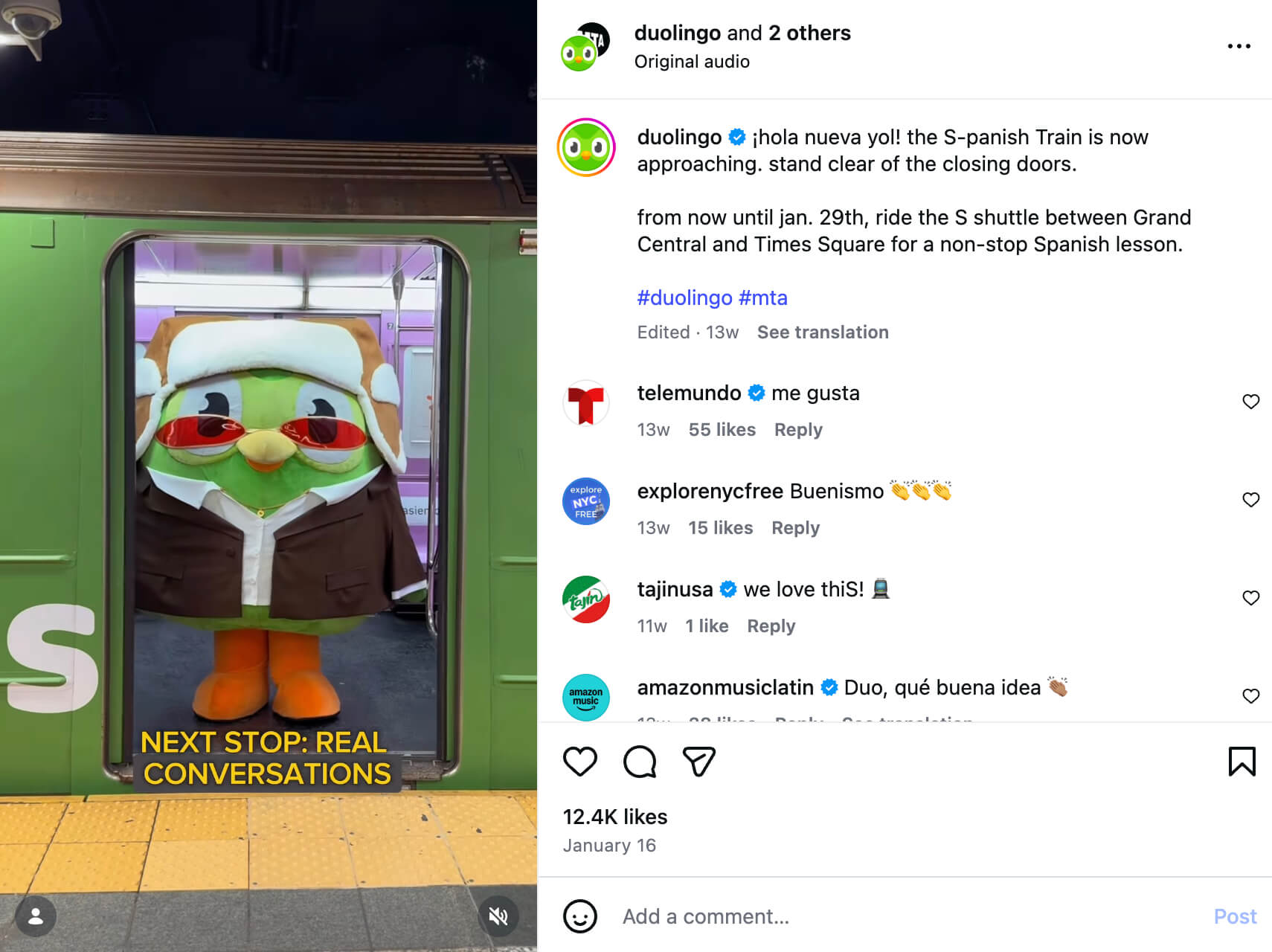
Duolingo serves as a primary example of "values multiplied by voice." The language-learning app famously opted out of traditional "feature-and-benefit" marketing on social media. Instead, they leaned into a specific, often chaotic, brand voice embodied by their mascot, Duo the Owl. By prioritizing a distinct personality and clear values (such as humor and persistence) over direct sales pitches, Duolingo became the top language-learning platform globally. They trusted that if viewers connected with the "voice," they would eventually bridge the gap to the product themselves.
Lighthouse Immersive: From Aesthetics to Experience
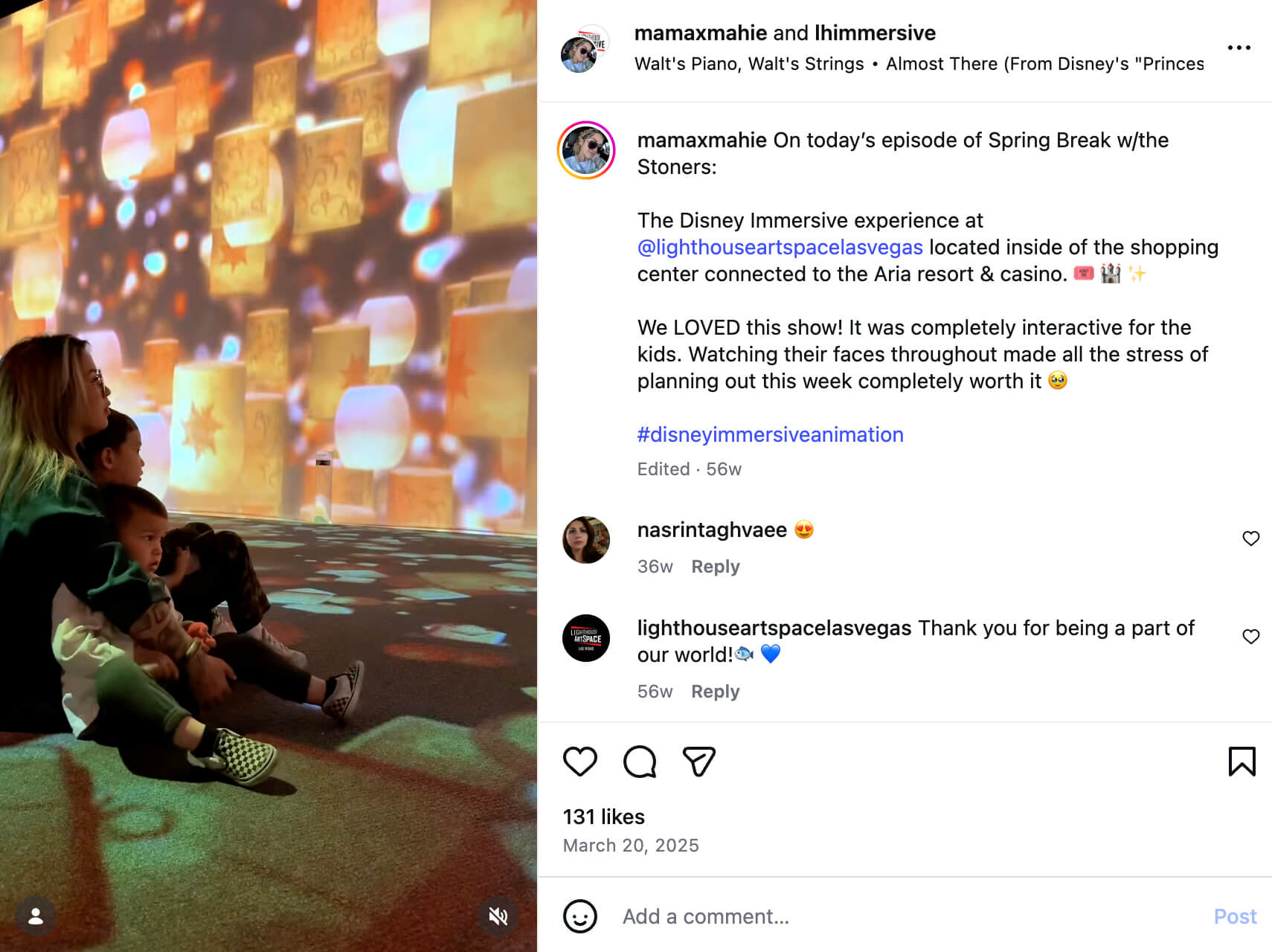
When Lighthouse Immersive—the company behind the "Van Gogh Exhibit"—struggled to translate their visually stunning physical exhibits into social media engagement, they consulted Billings. The initial problem was that their videos were "flat"; they showed beautiful art but lacked a human element.
The strategy was overhauled to focus on the human experience within the art. Instead of filming the paintings, the team began filming proposals, multi-generational family interactions, and the raw emotions of visitors. By shifting the focus to the "human story," the content began to resonate emotionally, leading to a significant increase in ticket sales and social shares. The art became the backdrop, while the human connection became the hook.
Implications: The Future of Content in an AI-Driven World
The rise of artificial intelligence has introduced a new variable into the attention economy. AI is now capable of generating scripts, editing videos, and even creating lifelike avatars. However, Billings suggests that this technological shift actually increases the value of human-centric content.
The AI Gap
While AI can replicate the format of a viral video, it currently struggles to replicate the nuanced "vibrational alignment" of a human being. The subtle facial micro-expressions and the "energy" of a creator who is deeply connected to their message are, for now, uniquely human. Marketers who master the science of attention are essentially "future-proofing" their careers. As the internet becomes flooded with AI-generated content, the "human premium"—the desire for real connection—will only grow.
Overcoming the Scarcity Mindset
A significant hurdle for many professional creators—particularly real estate agents, lawyers, and financial advisors—is the fear that being "too authentic" will alienate potential clients. The science of attention suggests the opposite. By leaning into a specific voice and set of values, creators act as a filter. They repel those who wouldn’t be a good fit and magnetically attract those who are, accelerating the journey to a "yes."
The Three-Question Framework for Creators
For those looking to apply these principles immediately, Billings suggests a pre-production checklist. Before filming, every creator should be able to answer three questions:
- What do I want the viewer to feel? (The emotional goal).
- What do I want them to know? (The informational goal).
- What do I want them to do? (The behavioral goal).
By defining the emotion first, the creator can then align their pacing, camera angles, music, and facial expressions to support that goal.
Conclusion
The transition from "algorithm-centric" to "human-centric" content represents a fundamental shift in digital strategy. As platforms become more crowded and attention spans continue to fluctuate, the ability to engineer sustained engagement through psychology will separate successful brands from the background noise. By focusing on Connection, Reputation, and Emotion, creators can move beyond the whim of the algorithm and build a loyal, engaged audience that doesn’t just watch, but remembers and acts. In the words of Billings, "When people get emotional, they get promotional." The science of attention is, ultimately, the science of human relationship.