The Mystery of the Dormant Passbook: Can You Still Access a 20-Year-Old Bank Account?
By Reema Sharma
Updated: July 16, 2026
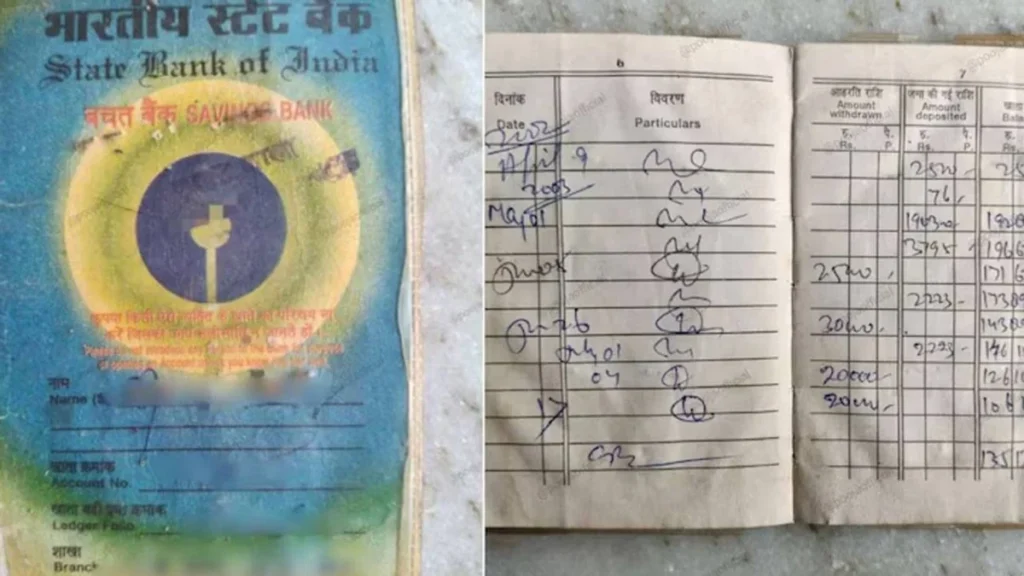
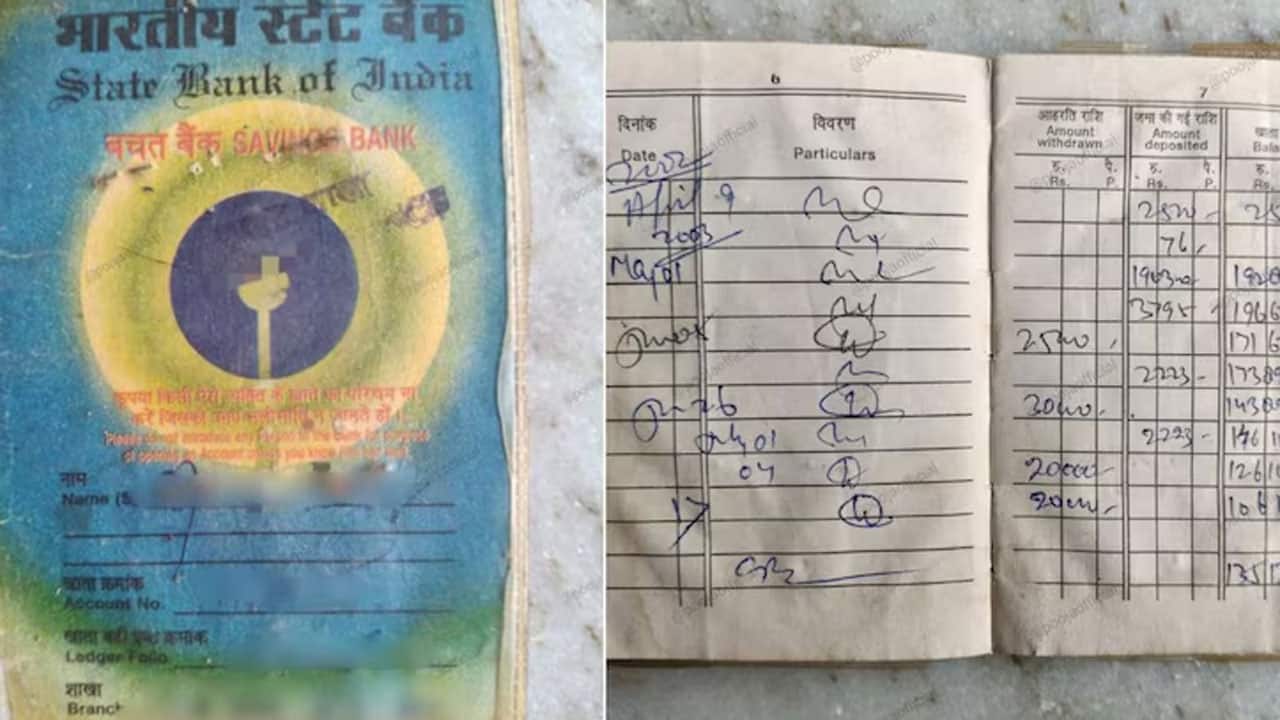
In a digital age where banking is synonymous with mobile apps, instant transfers, and biometric authentication, the discovery of a physical, yellowing bank passbook can feel like finding a relic from a bygone era. Recently, a social media user named Pooja ignited a flurry of interest and speculation after sharing the details of her late grandfather’s 20-year-old State Bank of India (SBI) passbook on X (formerly Twitter). The post, which included a photograph of the aged document, suggests that the account may still hold a significant balance—potentially as much as Rs 1 lakh.
This discovery has prompted a broader conversation regarding the status of "inoperative" or "dormant" accounts, the legalities of inheriting such funds, and the procedural labyrinth one must navigate to reclaim money left behind by previous generations.
The Incident: A Digital Quest for Financial Heritage
The story began when Pooja, while sorting through her late grandfather’s belongings, stumbled upon a physical passbook issued by the State Bank of India. The document, untouched for two decades, served as a tangible link to her family’s financial past. Upon posting the details online, the image quickly circulated, capturing the curiosity of thousands.
For many, the post served as a poignant reminder of the financial habits of a different generation—one that relied on ink-stamped transactions and physical records. However, beneath the nostalgia lies a very modern financial question: Does money in a dormant account simply vanish, or is it legally protected for the heirs? Pooja’s query highlights a common dilemma faced by countless families who, upon the death of an elder, find themselves managing the complexities of unclaimed assets.
Chronology of a Dormant Account
To understand the current situation, one must look at how an account transitions from "active" to "dormant" or "unclaimed."
- The Active Phase: Two decades ago, the grandfather was an active user of the account. During this period, transactions were regular, and the bank maintained a standard record of the funds.
- The Period of Inactivity: For reasons ranging from health decline to the simple shift in banking habits, the account saw no transactions for several years.
- Classification as Inoperative: According to Reserve Bank of India (RBI) guidelines, if an account shows no customer-induced transactions for more than two years, it is classified as "inoperative" or "dormant."
- The Transfer to DEA Fund: If an account remains inoperative for ten years or more, the balance is transferred by the bank to the Depositor Education and Awareness (DEA) Fund, maintained by the RBI.
- The Current Discovery: Twenty years later, the heirs have surfaced with the passbook. The critical question remains: Has the money been transferred to the DEA Fund, or does it remain in the bank’s internal books as an unclaimed liability?
Supporting Data: Understanding Dormancy and Unclaimed Deposits
The issue of unclaimed deposits is a massive one in India’s banking sector. As of the most recent data released by the Reserve Bank of India, the total amount of unclaimed deposits transferred by banks to the DEA Fund has been steadily rising.
Key Concepts for Heirs
- Dormant vs. Inoperative: While banks use these terms interchangeably, the core issue is the lack of "customer-induced" transactions (like withdrawals or deposits). Bank-initiated transactions, such as the crediting of interest or the debiting of service charges, do not count toward keeping an account "active."
- The DEA Fund: The RBI established this fund to ensure that money does not remain idle in bank vaults. However, the ownership of the money does not change; it is merely held in trust.
- The Burden of Proof: To claim these funds, heirs must prove their legal right to the estate. This is rarely as simple as presenting a passbook.
Official Responses and Procedural Hurdles
While State Bank of India has not issued a specific statement regarding Pooja’s individual case, standard banking protocols in India are well-defined. Banking experts emphasize that while the money is never truly "lost," it requires a rigorous verification process to retrieve.
The Path to Retrieval
If you find yourself in a position similar to Pooja, the following steps are generally required:
- Verification with the Branch: The first step is to visit the home branch where the account was opened. Even if the branch has merged or moved, the bank’s centralized systems should be able to track the account using the old account number or the account holder’s name and PAN/Aadhar details.
- KYC Compliance: The most common hurdle is the lack of updated Know Your Customer (KYC) documentation. The bank will require current identification and address proof for the deceased and, more importantly, for the legal heir.
- Legal Heir Certification: If the account holder is deceased, the bank will require a death certificate and a legal heir certificate or a succession certificate. If there was a nominee listed on the account, the process is significantly expedited. If there was no nominee, the process involves indemnity bonds and affidavits.
- Claiming from the DEA Fund: If the money has already been moved to the RBI’s DEA Fund, the bank acts as an intermediary. They will initiate the claim process on behalf of the heir, which may take longer than a standard account activation.
Implications: The Lessons for Modern Savers
The viral nature of this story serves as a stark wake-up call for the current generation regarding financial organization.
1. The Importance of Nomination
The most effective way to prevent the scenario Pooja is currently navigating is the mandatory inclusion of a nominee on every bank account. A nominee simplifies the transfer of assets, bypassing the need for complex legal heir documentation.
2. Consolidating Accounts
Many individuals carry accounts from previous jobs, cities, or life phases. These "zombie accounts" are prone to becoming inoperative. Financial planners strongly advise closing unused accounts and consolidating funds into a primary banking relationship.
3. Digital Asset Management
In an increasingly digital world, it is crucial for individuals to maintain a "digital locker" or a physical folder containing details of all financial assets—insurance policies, bank accounts, investment folios, and demat accounts—and to share this information with trusted family members.
4. Regulatory Vigilance
The RBI has launched initiatives like the "UDGAM" (Unclaimed Deposits – Gateway to Access inforMation) portal, which allows users to search for unclaimed deposits across multiple banks. Using such tools can help families identify hidden assets before they become a decade-old mystery.
Conclusion: A Reminder of Responsibility
The discovery of the 20-year-old SBI passbook is more than a social media curiosity; it is a financial lesson wrapped in a personal narrative. While the funds in Pooja’s grandfather’s account are likely safe, accessing them is a testament to the fact that money requires active stewardship.
Banks are legally obligated to return unclaimed deposits to their rightful owners, but the responsibility of initiating that claim lies squarely with the heirs. As we move further into a digital-first economy, the need for transparency, proper documentation, and regular communication with family regarding one’s financial footprint has never been more pressing.
For Pooja and her family, the journey to reclaim the funds has only just begun. Their experience serves as a reminder to all: check your accounts, update your nominations, and ensure that your financial legacy is as well-organized as it is valuable. In the world of finance, nothing is truly lost if the trail of documentation is carefully preserved.