The New B2B Playbook: Strategic Imperatives for Social Media Marketing in 2025
As the digital landscape undergoes a seismic shift, the traditional boundaries between Business-to-Consumer (B2C) and Business-to-Business (B2B) marketing are rapidly dissolving. In 2025, the B2B sector is no longer defined by sterile, jargon-heavy corporate communications; it is being redefined by human-centric, authentic, and high-velocity digital engagement.
For B2B brands, the mandate for the coming year is clear: adapt to the evolving content consumption habits of professional buyers or risk obsolescence. Drawing on insights from the Netline B2B Content Consumption Report and expert discourse from the Social Pros podcast, this article outlines the definitive strategies that will separate industry leaders from the pack in 2025.
The Strategic Shift: Why 2025 Demands a New Approach
The evolution of B2B social media is driven by a fundamental change in buyer behavior. Today’s decision-makers are digital-first, research-heavy, and increasingly skeptical of traditional advertising. According to the Netline B2B Content Consumption Report, there is a surging demand for personalized, highly relevant content that addresses specific industry challenges rather than broad corporate messaging.
The core implication for marketing teams is the need for "humanization." By shifting away from cold, transactional interactions toward authentic storytelling, B2B brands can cultivate the emotional resonance traditionally reserved for the consumer sector.
Chronology of Trends: From Static to Dynamic Engagement
Over the last decade, B2B marketing has moved through three distinct phases:
- The Informational Era (2015-2018): Focus on SEO, white papers, and long-form articles designed to capture search intent.
- The Authority Era (2019-2022): The rise of webinars and corporate LinkedIn pages as the primary vehicles for "thought leadership."
- The Relational/Authentic Era (2023-Present): The current shift toward short-form video, influencer partnerships, and AI-assisted hyper-personalization.
Entering 2025, the focus has moved beyond simply "having a presence" to delivering "meaningful experiences." This transition requires a multi-faceted approach, balancing quick, snackable content with deep-dive educational assets.
Supporting Data: The Power of Video and Influence
Evidence from the industry underscores the effectiveness of this new, diversified content mix.
The Dominance of Video
Video content remains the undisputed champion of engagement. Data indicates that 72% of B2B marketers have achieved measurable success in lead generation through short-form video. These assets are vital for top-of-funnel awareness, providing:

- Rapid Problem-Solving: Quick tips that address "micro-pain points."
- Behind-the-Scenes Access: Showcasing company culture to humanize the brand.
- Social Proof: Quick snippets of user testimonials or successful project outcomes.
Conversely, long-form video—such as the content produced by industry giants like Salesforce and HubSpot—serves as the anchor for the middle and bottom of the funnel. These assets, including product demos and deep-dive webinars, establish the technical authority required to close high-value deals.
The Rise of B2B Influencer Marketing
Once dismissed as a B2C trend, influencer marketing is now a cornerstone of modern B2B strategy. Partnering with subject matter experts (SMEs) allows brands to borrow credibility and tap into established, highly-qualified communities. As evidenced by Oracle’s "On the Fly" video series, which utilized 30 industry influencers, the strategy effectively scales reach and drives significant traffic to primary landing pages and newsletters.
Official Perspectives: The Human Element
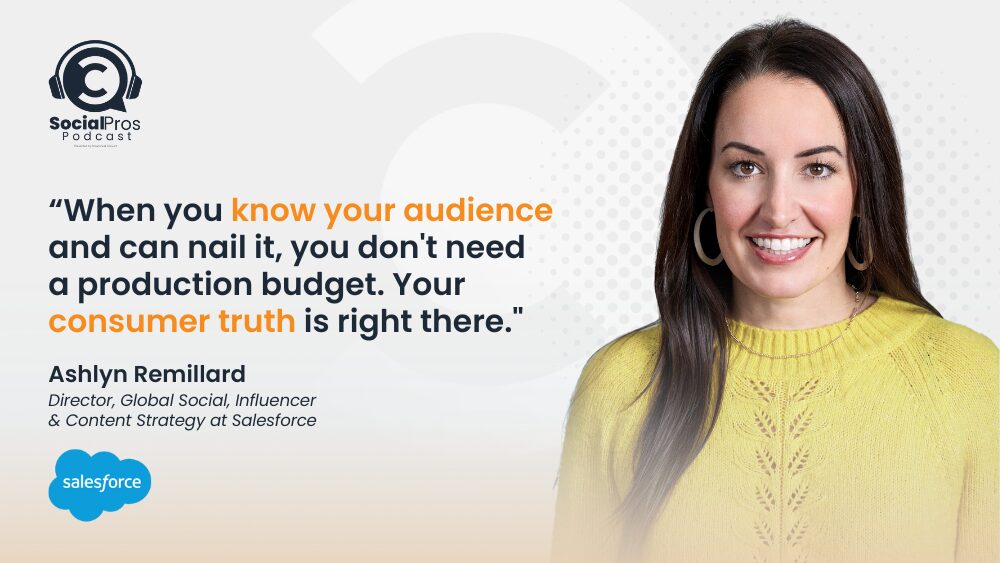
Ashlyn Remillard of Salesforce captured the essence of the 2025 strategy in a recent Social Pros episode: "When you know your audience, and can nail it, you don’t need a production budget. Your consumer truth is right there."
This sentiment reflects a broader industry consensus: modern buyers prioritize "consumer truth"—real, relatable experiences—over high-gloss, expensive production. When brands share their internal challenges, celebrate team wins, or provide candid insights into industry shifts, they build a foundation of trust that static advertisements simply cannot replicate.
Key Strategic Pillars for 2025
To remain competitive, marketing teams must integrate the following pillars into their 2025 operations:
1. Authenticity as a Differentiator
Move away from "corporate speak." Use social channels to showcase your brand’s values, the challenges you face, and the solutions you provide. Authenticity acts as a trust-multiplier in a digital world rife with synthetic and generic content.
2. Strategic Thought Leadership
LinkedIn remains the premier platform for professional discourse. However, posting generic articles is no longer enough. Success now requires:
- Original Research: Publishing proprietary data that sets the narrative for your industry.
- Executive Personal Branding: Empowering leadership to share personal perspectives, which consistently outperforms corporate page posts in engagement metrics.
- Contextual Commentary: Instead of just sharing news, provide an analysis of what that news means for your specific customer base.
3. AI-Driven Efficiency
AI is not a replacement for strategy, but a catalyst for scale. By leveraging AI for content ideation, campaign optimization, and trend forecasting, marketers can free up time to focus on high-level creative work. According to experts at Convince & Convert, AI readiness is now a prerequisite for any marketing organization that intends to maintain a consistent output of high-quality content.
4. Pain-Point-Centric Content
The most effective way to build a pipeline is to solve the specific problems keeping your prospects awake at night. Content that identifies a hurdle and provides a roadmap for resolution serves as an implicit demonstration of your product’s value.
Implications for the Future
The implications for 2025 are clear: the barrier to entry for B2B social media is rising, but the rewards for those who adapt are substantial.
For the CMO: The challenge lies in shifting budget allocations from traditional, passive advertising toward content-led engagement and influencer partnerships.
For the Content Strategist: The goal is to balance the speed of short-form video with the depth of long-form educational assets.
For the Sales Team: The mandate is to leverage the social proof and authority built by marketing to shorten sales cycles.
As we move through the coming year, the brands that thrive will be those that treat their social media presence as a community-building exercise rather than a megaphone. By focusing on the "human" element of B2B, companies can transcend the commodity trap and build lasting relationships with their target audience.
Conclusion: Taking Action
The trends for 2025 are not mere suggestions; they are the new reality of the B2B landscape. Whether it is through integrating AI-driven insights, doubling down on influencer partnerships, or refining your storytelling to be more authentic, the time to iterate your strategy is now.
For organizations looking to navigate this transition, expert guidance is often the difference between stagnation and growth. Engaging with specialized consultancy services can provide the clarity and tactical execution needed to turn these trends into tangible revenue. The question for your brand is not whether you can afford to change, but whether you can afford to stay the same.