The Future of B2B Social Media: Navigating the Strategic Shifts of 2025
The landscape of B2B marketing is undergoing a seismic transformation. As we enter 2025, the rigid, corporate-centric communication styles of the past are being rapidly replaced by agile, human-centric, and data-informed strategies. Social media, once viewed as a peripheral channel for B2B brands, has ascended to become a primary engine for demand generation, brand equity, and customer retention.
To understand these shifts, we look toward the latest insights from the Netline B2B Content Consumption Report and expert discourse from the Social Pros podcast. The consensus is clear: the demand for personalized, authentic digital experiences is no longer a "nice-to-have"—it is a competitive necessity.
The Evolution of the B2B Playbook: Core Findings
The core shift in 2025 is the blurring of lines between B2B and B2C methodologies. While B2B transactions involve longer sales cycles and multiple stakeholders, the individuals making those decisions are increasingly consuming content through the same lenses they use for personal engagement.
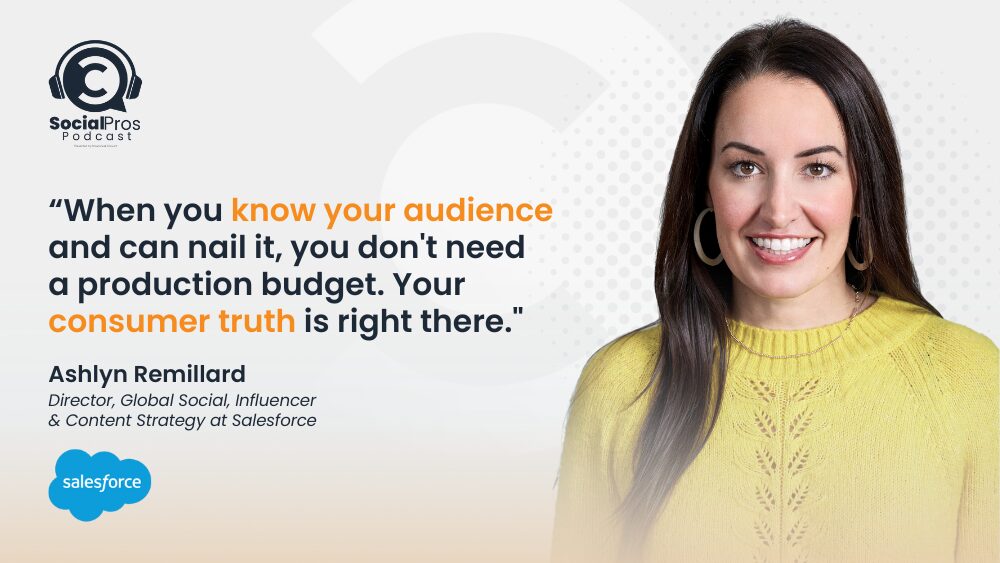
According to industry strategists, the 2025 marketing playbook must be built upon a foundation of "consumer truth." This means moving away from product-heavy, jargon-laden messaging toward narratives that address the human element of business challenges. Brands that successfully bridge this gap—positioning themselves not just as vendors, but as empathetic partners—are seeing higher conversion rates and stronger community loyalty.
Chronology of the Shift: From Static to Dynamic Engagement
The transition toward the current state of B2B social media didn’t happen overnight. We can map the evolution of the field through several key developmental phases:
- 2020–2022 (The Digital Pivot): Forced by the global pandemic, B2B brands were compelled to adopt digital-first strategies. This period saw the rise of the webinar as the gold standard for lead generation.
- 2023 (The Influencer Integration): Brands began experimenting with B2B influencers, realizing that industry authority often resides in individual subject matter experts rather than corporate logos.
- 2024 (The Generative AI Inflection Point): The widespread adoption of AI tools forced a re-evaluation of content production. Efficiency became a metric, but it also highlighted the scarcity of truly original, human-led thought leadership.
- 2025 (The Authenticity Mandate): With the market saturated by AI-generated content, audiences are now prioritizing "human-in-the-loop" content. Authenticity has become the primary filter for engagement.
Supporting Data: Why Strategy Must Change
The Netline B2B Content Consumption Report provides the empirical backing for these strategic pivots. Key data points suggest that B2B buyers are conducting 70% of their research before ever speaking to a sales representative. This "dark funnel" behavior means that social media is often the first, last, and only place a brand has to make an impression.
Furthermore, 72% of B2B marketers now report measurable success in lead generation through short-form video. This shift challenges the long-held belief that B2B audiences only respond to white papers or dense long-form reports. Instead, the data confirms a hybrid approach: short-form content to capture attention and long-form assets to seal the deal.
Authentic and Engaging Content: The New Baseline
In 2025, authenticity is no longer a buzzword; it is a tactical requirement. B2B brands are successfully pivoting toward a more approachable, conversational tone. By showcasing internal challenges, employee milestones, and the "why" behind the brand, companies are fostering deeper emotional connections.

Storytelling as a Competitive Edge
Storytelling in B2B is about framing the customer as the hero of the journey. Instead of listing product features, successful brands are highlighting:
- Case Studies with a Narrative Arc: Showing the "before and after" of a client’s business transformation.
- Behind-the-Scenes Cultural Content: Humanizing the brand by showing the team behind the software or service.
- Values-Driven Communication: Aligning the brand with industry movements, sustainability, or social responsibility.
The Dual-Speed Video Strategy: Short-Form vs. Long-Form
Video remains the most potent medium in the B2B arsenal, but its application must be bifurcated based on objective.
The Role of Short-Form Video
Platforms like LinkedIn, TikTok, and Instagram Reels have democratized the "quick hit" of value. Short-form video is highly effective for:
- Top-of-funnel awareness: Quick tips, industry news, and myth-busting.
- Humanizing leadership: Allowing executives to share bite-sized thoughts directly to camera.
- Event highlights: Bringing the energy of industry conferences to remote audiences.
The Power of Long-Form Authority
While short-form grabs attention, long-form retains it. Webinars, YouTube deep-dives, and podcast-style interviews remain essential for the "middle-of-the-funnel" audience. These formats allow for the nuance required in complex B2B sales cycles, providing the depth necessary for technical product demos and strategic thought leadership.
Thought Leadership as an SEO and Trust Driver
Thought leadership is the currency of B2B trust. Platforms like LinkedIn have become the primary ecosystem for this. When executives share proprietary insights or unique takes on industry trends, they aren’t just building a personal brand; they are providing "social proof" that the company is at the cutting edge.
This strategy has a secondary, powerful effect: SEO. High-quality, insightful content that solves user problems is naturally favored by search algorithms. By focusing on answering specific industry questions rather than just keyword stuffing, brands create a sustainable, organic traffic pipeline.
Influencer Marketing: The B2B Frontier
B2B influencer marketing is proving that industry credibility is portable. When a brand partners with an expert who has already spent years building trust within a niche community, that trust is transferred to the brand.
Oracle’s "On the Fly" video series serves as a benchmark for this approach. By collaborating with 30 B2B influencers, Oracle was able to reach highly specific, qualified audiences, bypassing the "noise" of general social advertising. This strategy emphasizes the importance of selecting partners who are not just influencers by follower count, but by subject matter expertise.
AI Integration: Efficiency vs. Soul
AI and automation are the most significant disruptors of the 2025 landscape. However, the most successful brands are using AI to augment, not replace, the human element.
Strategic AI Application
- Content Ideation: Using AI to identify trending topics and address common customer pain points.
- Optimization: Automating posting schedules and optimizing campaign timing based on historical engagement data.
- Personalization at Scale: Utilizing AI tools to tailor outreach messaging, ensuring that even at high volumes, communications feel relevant to the recipient.
The consensus among marketing leaders is clear: AI should handle the grunt work of data analysis and routine production, leaving the "final mile" of creative direction, tone, and strategic nuance to human experts.
Focus on Customer Pain Points: The Ultimate Lead Gen
The most effective B2B content strategy is the one that addresses the client’s "midnight anxieties"—the problems that keep them up at night. By creating content that directly solves these specific, painful, and often overlooked issues, brands position themselves as indispensable partners.
Effective content focused on pain points includes:
- "How-to" guides that simplify complex workflows.
- Comparison matrices that help prospects make informed, non-biased decisions.
- Risk-mitigation discussions that address common industry objections.
Implications for the Future
As we look toward the remainder of 2025 and beyond, the implications for B2B marketers are profound. The barriers to entry for high-quality content have lowered, but the barrier to attention has risen.
Brands that rely on legacy, "corporate-speak" marketing will find themselves increasingly ignored by a digital-savvy, discerning B2B audience. The future belongs to brands that are brave enough to be authentic, smart enough to use AI for efficiency, and humble enough to center their entire strategy on the real-world pain points of their customers.
To stay competitive, marketing teams must move away from vanity metrics and toward a strategy that prioritizes deep, meaningful engagement. Whether it is through a well-produced long-form video or a candid, expert-led LinkedIn post, the goal remains the same: building a relationship based on trust, authority, and shared value. The brands that master this equilibrium will not just survive the changing landscape—they will lead it.