Empowering Developers and Securing Cloud Integrity: A Comprehensive Review of Recent AWS Ecosystem Updates
Introduction: The Pulse of Global Cloud Innovation
The modern cloud computing landscape is defined by continuous, rapid iteration. For millions of developers, systems architects, and enterprise decision-makers navigating Amazon Web Services (AWS), keeping pace with this velocity requires more than just tracking changelogs—it demands a deep understanding of how developer tooling, community engagement, and platform reliability intersect.
In this comprehensive weekly review, we examine the latest advancements across the AWS ecosystem. From strengthening international developer communities in the Asia-Pacific region to groundbreaking innovations in AI-powered coding agents and serverless management, AWS continues to refine the developer experience. Additionally, this report addresses a recent operational hiccup concerning AWS Cost Explorer, analyzing the incident, the official response from Amazon, and the broader implications for enterprise cloud financial management.
Main Facts: Key Developments Across the AWS Ecosystem
The past week brought several critical updates to the forefront of the AWS developer and operational landscape. The most notable announcements center around streamlined AI coding workflows, localized community empowerment, and platform transparency regarding billing telemetry.
- Expansion of AI Coding Agent Integrations: AWS introduced a one-click Lambda setup prompt designed specifically for coding agents. This tool equips AI assistants with native AWS Serverless skills and the Serverless Model Context Protocol (MCP) server, embedding cloud best practices directly into the agentic development workflow.
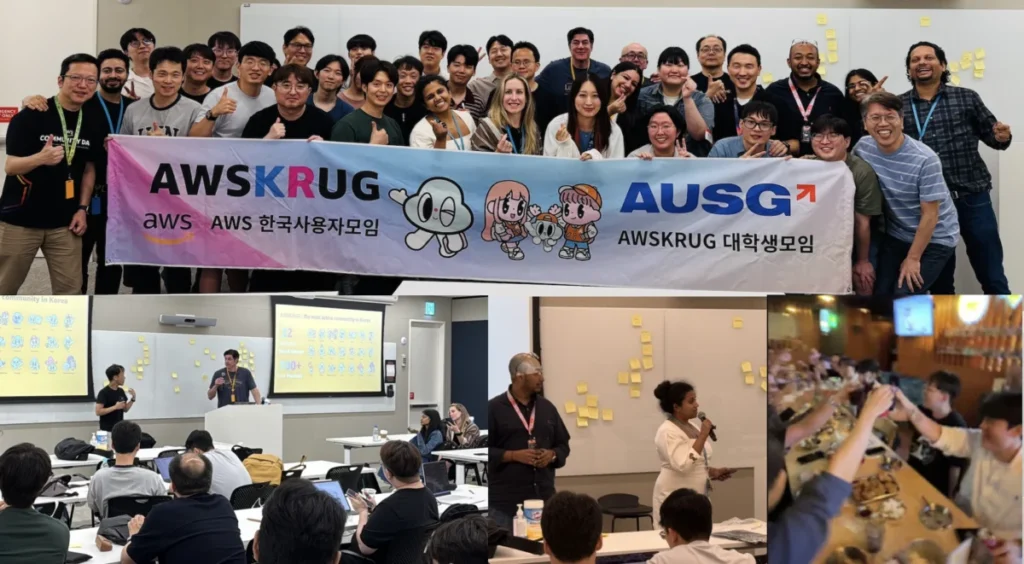
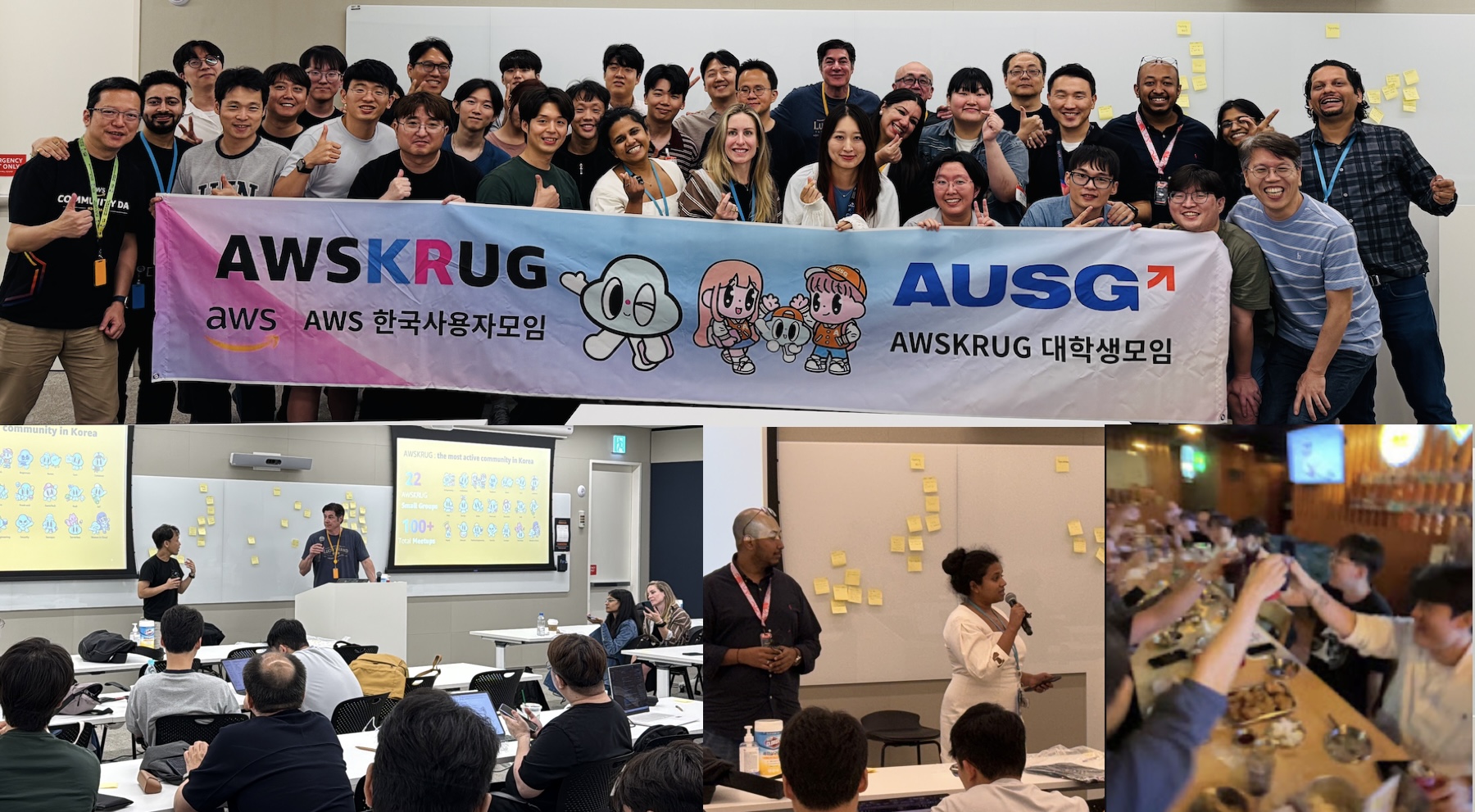
- Global Community Engagement: The AWS Developer Experience team completed a strategic visit to Seoul, meeting with the leadership of the AWS Korea User Group (AWSKRUG)—the largest cloud developer community in South Korea.
- Cost Explorer Operational Incident: AWS experienced a brief operational issue last weekend where AWS Cost Explorer displayed inaccurate estimated billing data, triggering false budget alerts and inflated cost metrics for a subset of users. The issue has since been fully resolved.
- Advancements in Developer Tooling: The rollout of the Agent Toolkit for AWS enables coding agents to securely access up-to-date AWS knowledge and execute safe resource interactions via the standardized MCP architecture.
Chronology of Events: From Community Collaboration to Platform Operations
To fully grasp the trajectory of last week’s developments, it is essential to trace the timeline of events—from international outreach to product rollouts and subsequent incident resolutions.
Early Week: Strengthening Bonds in Seoul
The week’s activities began on an international note as members of the AWS team traveled to Seoul to collaborate with AWSKRUG leaders. Comprising over 20 specialized meetup groups focusing on diverse technical areas and regions, AWSKRUG hosts more than 100 events annually.
During these face-to-face sessions, community leaders evaluated their performance for the first half of the year, identified areas for operational growth, and presented direct feature requests and feedback to the AWS Developer Experience team. True to tech industry tradition, the discussions concluded with a collaborative Chimaek (chicken and beer) networking session, bridging the gap between platform engineers and grassroots cloud builders.
Mid-Week: The AI Developer Experience Revolution
Following the community engagements in South Korea, the spotlight shifted to software engineering efficiency. AWS released the one-click Lambda setup prompt for coding agents, transforming how developers interact with serverless architectures via AI.
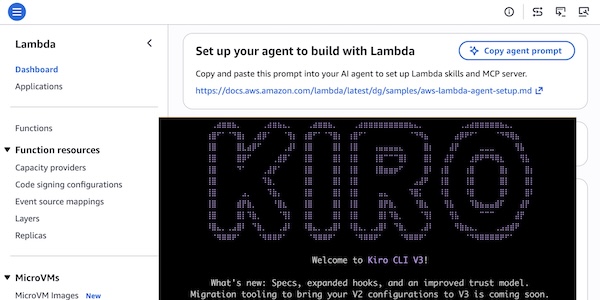
Simultaneously, documentation for the Agent Toolkit for AWS went live, providing standardized installation procedures for the AWS Model Context Protocol (MCP) server. This allowed developers utilizing next-generation coding environments to seamlessly bridge the gap between local AI assistance and remote AWS infrastructure.
Weekend: The Cost Explorer Anomaly
As the work week came to a close, an unexpected operational challenge emerged. Over the weekend, customers utilizing AWS Cost Explorer began reporting anomalous readings. Estimated billing metrics appeared heavily inflated, which in turn triggered erroneous automated budget warnings and cost anomaly detection alerts.
AWS engineering teams mobilized immediately to diagnose the root cause, isolating the telemetry glitch within the billing dashboard pipeline without impacting actual underlying cloud resource consumption or actual invoiced charges.
Supporting Data and Technical Deep-Dive
To understand the engineering significance of last week’s releases, one must examine the mechanics of the new developer tools and the scale of the user communities involved.
Scaling Cloud Communities: The AWSKRUG Footprint
The sheer scale of the AWS Korea User Group underscores the importance of localized developer advocacy:
- Total Meetup Subgroups: 20 distinct topic- and area-focused groups.
- Annual Event Volume: 100+ community-led events per year.
- Primary Geographic Hub: Seoul, with expanding regional footprints across the Korean peninsula.
Modernizing Serverless with AI Coding Agents
The introduction of the one-click Lambda prompt represents a paradigm shift in how generative AI assists cloud architecture design. Historically, AI coding assistants lacked deep, context-aware knowledge of specific cloud service constraints, often generating legacy code patterns or misconfigured IAM policies.
The new setup prompt fundamentally addresses this by provisioning the Serverless Model Context Protocol (MCP) server.

How to Implement the Lambda Agent Setup:
- Via the AWS Lambda Console: Navigate to the Lambda console interface and select the Copy agent prompt button.
- Via Direct URL Fetch: Alternatively, developers can directly reference and fetch the setup documentation using the following command:
fetch https://docs.aws.amazon.com/lambda/latest/dg/samples/aws-lambda-agent-setup.md - Integration with IDEs and AI Tools: Paste the acquired prompt URL into your preferred AI coding assistant. The configuration natively supports a wide array of modern development environments, including:
- Claude Code
- Kiro
- Cursor
- GitHub Copilot
- Codex
- Devin Desktop
- OpenCode
Furthermore, developers looking to expand their agent’s capabilities beyond Lambda can implement the broader Agent Toolkit for AWS. By executing the setup instruction:
fetch https://raw.githubusercontent.com/aws/agent-toolkit-for-aws/refs/heads/main/setup-instructions/setup.mdEngineers grant their AI agents authorized, safe access to live AWS documentation and architectural guidelines, minimizing hallucinations and accelerating secure cloud deployments.
Official Responses and Incident Analysis
The weekend billing telemetry issue required transparent communication from AWS leadership to maintain customer trust.
The Cost Explorer Incident Breakdown
- Incident Nature: AWS Cost Explorer displayed inaccurate estimated billing data.
- Secondary Effects: Customers received false-positive budget notifications and cost anomaly alerts, alongside inflated dashboard metrics.
- Impact Scope: Purely cosmetic and analytical; actual cloud resource operations, core infrastructure stability, and actual billing calculations remained unaffected.
- Resolution Status: Fully resolved by AWS engineering teams; all platform services returned to normal operational parameters.
Official Statement and Remediation Strategy
In an official statement released via the AWS Health Dashboard, Amazon addressed the incident with transparency:
"The issue has been resolved, and all AWS services are operating normally. We apologize for the concern this incident caused our customers and are conducting a thorough retrospective to prevent events like this from reoccurring, as well as improving our response when billing incidents occur."
By committing to a comprehensive engineering retrospective, AWS aims to fortify its financial reporting pipelines against future telemetry discrepancies. Cloud Financial Management (FinOps) relies heavily on real-time data accuracy; thus, ensuring the integrity of Cost Explorer is paramount for enterprise budgeting cycles.
Implications: What This Means for the Cloud Industry
The convergence of these events paints a clear picture of where the AWS ecosystem is heading: deeper automation, tighter integration of generative AI into daily workflows, and an unwavering commitment to operational resilience.
1. The Rise of Agentic Cloud Engineering
The introduction of MCP servers and one-click agent setup prompts signals that AI is moving past simple text completion into autonomous system orchestration. By baking AWS best practices—such as security guardrails, cost-optimized architectures, and serverless design patterns—directly into the AI’s foundational context, developers can build faster without sacrificing enterprise-grade security. This reduces cognitive load and flattens the learning curve for junior developers entering the AWS ecosystem.
2. Community-Driven Product Evolution
The active dialogue between AWS teams and communities like AWSKRUG demonstrates that global product development is increasingly informed by localized grassroots feedback. As cloud adoption matures in regions across Asia-Pacific and beyond, direct feedback loops ensure that developer tools evolve to meet regional and cultural engineering needs.
3. The Imperative of FinOps Reliability
The Cost Explorer anomaly serves as a vital reminder of the psychological and operational dependency modern enterprises place on cloud financial dashboards. Even though underlying infrastructure was untouched, false budget alerts can trigger panic, unnecessary executive escalations, and disrupted workflows. The incident highlights why continuous validation of telemetry pipelines is just as critical as the resilience of compute and storage engines.
Conclusion and Looking Ahead
As the cloud computing sector advances, the balance between cutting-edge innovation and rock-solid platform reliability remains the ultimate measure of provider success. Last week proved that AWS is aggressively pushing the boundaries of developer productivity through AI agent frameworks while simultaneously confronting operational challenges with transparency and rigor.
Developers and architects are encouraged to explore the newly launched tools, integrate the Serverless MCP servers into their workflows, and stay tuned to the AWS What’s New and AWS Blogs portals for ongoing updates.
Check back next Monday for another comprehensive Weekly Roundup, detailing the next wave of innovations from the world of Amazon Web Services.