The Evolution of Experience: Samsung Officially Deploys One UI 9 Based on Android 17
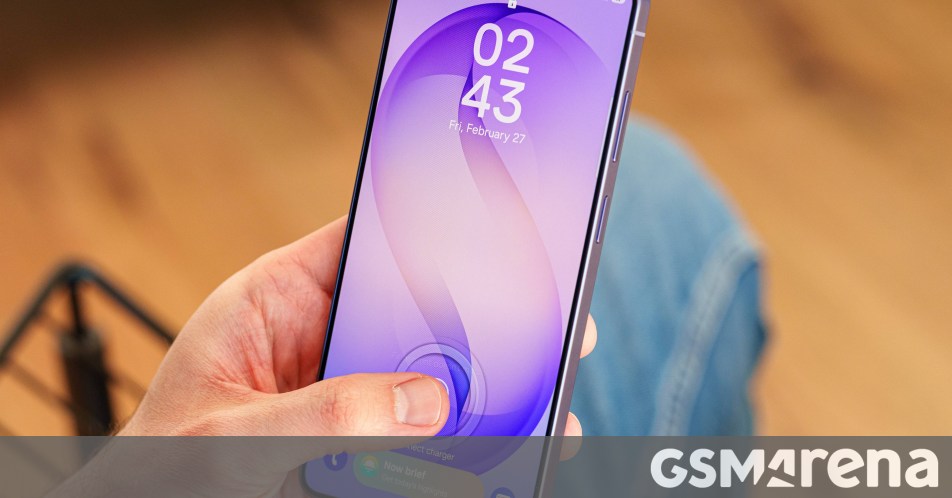
After a rigorous, multi-month beta testing phase that saw enthusiasts and developers stress-testing the latest software iteration, Samsung has officially pulled the trigger on the stable release of One UI 9. Built upon the foundation of Android 17, this significant software update is currently making its way to the flagship Galaxy S26, S26+, and S26 Ultra devices.
The update, which signals a new chapter in Samsung’s software philosophy, prioritizes intuitive user interaction, deeper generative AI integration, and a more streamlined system architecture. As the rollout begins its global journey, users in South Korea were the first to receive the update, reporting an over-the-air (OTA) package size of approximately 650 MB—a surprisingly lean footprint for an update of this magnitude.
Main Facts: What One UI 9 Brings to the Table
One UI 9 represents a shift toward "invisible" intelligence. Rather than cluttering the user interface with additional buttons, Samsung has focused on enhancing the underlying logic of the OS to make common tasks faster and more predictive.
Key Feature Highlights:
- My FanCam: Perhaps the most visually distinct addition, My FanCam leverages the S26’s camera hardware and advanced image processing to provide a new perspective on content creation, likely aimed at social media power users and event attendees who want a more dynamic, "in-the-moment" capture style.
- Generative AI-Powered ‘Now Brief’: Samsung is doubling down on its "Galaxy AI" suite. With the new Now Brief functionality, users can now create, edit, and curate their own personalized cards. By utilizing generative models, the system can synthesize information from various apps and present it in a concise, visually coherent format that adapts to the user’s daily habits.
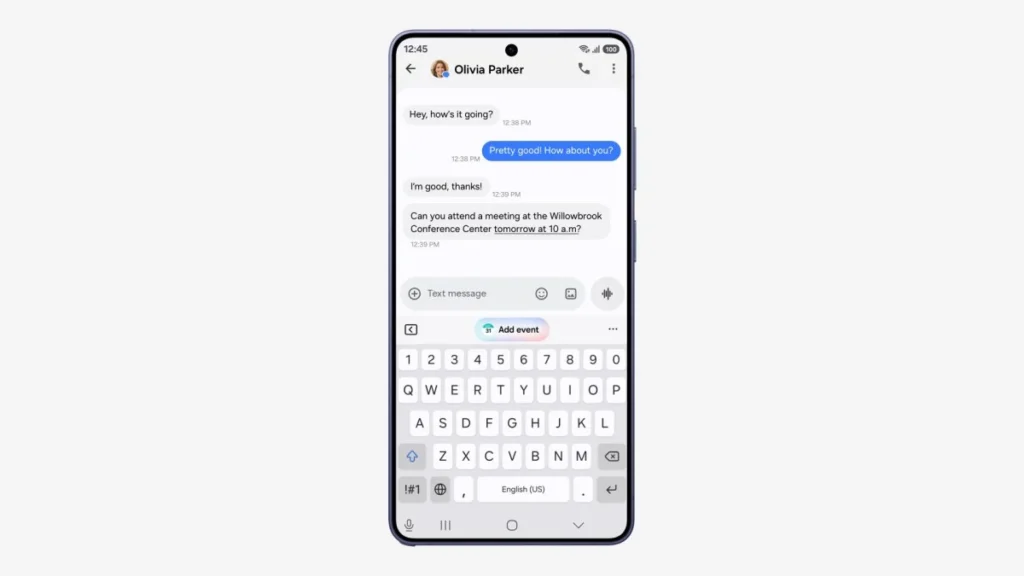
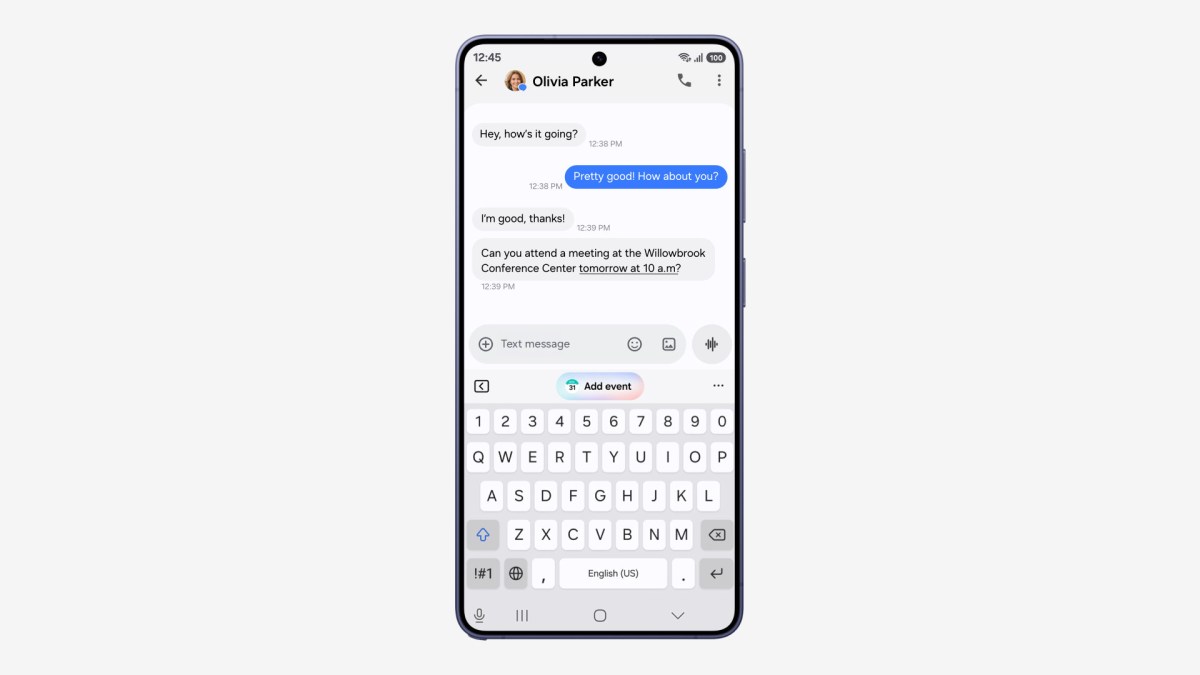
- Refined ‘Now Nudge’: The "Nudge" feature—Samsung’s approach to contextual notifications and reminders—has undergone a massive overhaul. By reducing the number of steps required to act on a notification, Samsung is addressing user feedback regarding software bloat and navigation complexity.
- Optimized Core Apps: Essential tools, including Creative Studio, the Interpreter service, Document Scan, and the Voice Recorder, have received significant back-end improvements. These updates promise faster processing times, better OCR (Optical Character Recognition) for scanning, and more accurate real-time translation capabilities.
- Warranty and Care Menu: As previously teased in August, a dedicated "Warranty and Care" hub has been introduced. This menu centralizes diagnostic tools, warranty status, and service requests, moving these critical functions out of buried sub-menus and into the primary settings architecture.
Chronology: From Beta Testing to Global Rollout
The journey to One UI 9 was not a rushed endeavor. Samsung’s development team maintained a transparent timeline, emphasizing that stability was the priority over a quick release.
- Late Spring 2026: Samsung announces the early developmental phase of the Android 17-based One UI 9, soliciting feedback from a closed circle of developers.
- Mid-Summer 2026: The public beta program opens. Thousands of Galaxy S26 series users across key markets (US, South Korea, Germany) participate, reporting bugs and suggesting UI tweaks.
- August 2026: Samsung unveils the "Warranty and Care" menu design, providing a preview of the new administrative layer of the OS.
- September 2026: The final stable build is verified. The "Golden Master" build is released to regional carriers and global servers.
- Present Day: The official rollout commences, starting in the South Korean market, with an aggressive expansion plan for international regions scheduled over the next 14 to 30 days.
Supporting Data: Performance and Accessibility
The decision to keep the update size at roughly 650 MB is a testament to Samsung’s improved Delta-update technology. By downloading only the modified binaries rather than a complete system image, Samsung minimizes the disruption to the user’s data and ensures that the update process is completed in a fraction of the time typically associated with major Android version jumps.
For power users, the integration of generative AI into the "Now Brief" system relies on a hybrid approach. The S26’s neural processing unit (NPU) handles the local generation of cards, ensuring privacy, while cloud-based LLMs (Large Language Models) are called upon for more complex queries. This dual-layer approach keeps the device responsive while maintaining the sophisticated feature set users expect from a modern flagship.
Official Responses and Corporate Strategy
In a brief statement accompanying the release, Samsung representatives noted, "With One UI 9, our goal was to remove the friction between the user and their intent. We aren’t just adding features; we are refining how the phone understands the user’s context."
The company’s focus on the "Warranty and Care" menu is a strategic pivot toward longevity. By making it easier for users to identify hardware issues or check their coverage status, Samsung is attempting to reduce the number of support calls and improve the overall lifecycle value of the Galaxy S26 series. This move is part of a broader industry trend where manufacturers aim to keep devices in the hands of consumers for longer periods, emphasizing durability and software support over planned obsolescence.
Implications: The Future of the Galaxy Ecosystem
The release of One UI 9 carries several long-term implications for the smartphone market:
1. The Normalization of Generative AI
By integrating AI into everyday tasks like "Now Brief," Samsung is moving AI from a "gimmick" status to a utility status. This forces competitors to evaluate their own UI strategies. If Samsung’s users become accustomed to AI-generated summaries and automated workflows, it creates a high barrier to entry for any smartphone that lacks similar, deeply integrated generative capabilities.
2. Software-Driven Hardware Longevity
The inclusion of granular diagnostic tools in the Warranty and Care menu suggests that Samsung is preparing for a future where devices are expected to last four to six years. By empowering users to troubleshoot their own devices, Samsung is reducing the "service gap" and building brand loyalty, which is essential as the flagship market faces saturation.
3. Streamlining the User Experience (UX)
The "fewer steps" philosophy applied to the "Now Nudge" feature indicates a potential reversal in the industry’s trend toward "feature-rich but menu-heavy" interfaces. If successful, this could lead to a more minimalist, intent-based design language in future One UI iterations, potentially influencing the broader Android ecosystem.

4. Competitive Positioning
The Galaxy S26 series remains the primary vehicle for Samsung’s innovation. With the S26, S26+, and S26 Ultra receiving this update, Samsung is signaling that it remains committed to its premium tier, ensuring that these high-cost devices remain at the cutting edge of mobile technology for the foreseeable future.
Conclusion
One UI 9 is not a radical departure from the aesthetic language Samsung established with its predecessors, but it is a fundamental refinement of the user experience. By focusing on AI integration, simplifying navigation, and providing transparent access to device health, Samsung has crafted an update that feels both mature and forward-looking.
For those currently using the Galaxy S26, S26+, or S26 Ultra, the update is highly recommended. Not only does it bring the latest security patches from the Android 17 kernel, but the efficiency improvements to the system UI should translate to a smoother, more responsive daily experience. As the rollout continues to expand, users should monitor their settings menu for the notification, ensuring their device is backed up and charged before initiating the update process.
Samsung’s vision for the next year is clear: the phone should be a personal assistant, not just a tool. With the arrival of One UI 9, the company is one step closer to that reality.