AceVector’s INR 420 Cr IPO Opens: Snapdeal Parent Records 23% Subscription on Day One as Institutional Investors Await Their Turn
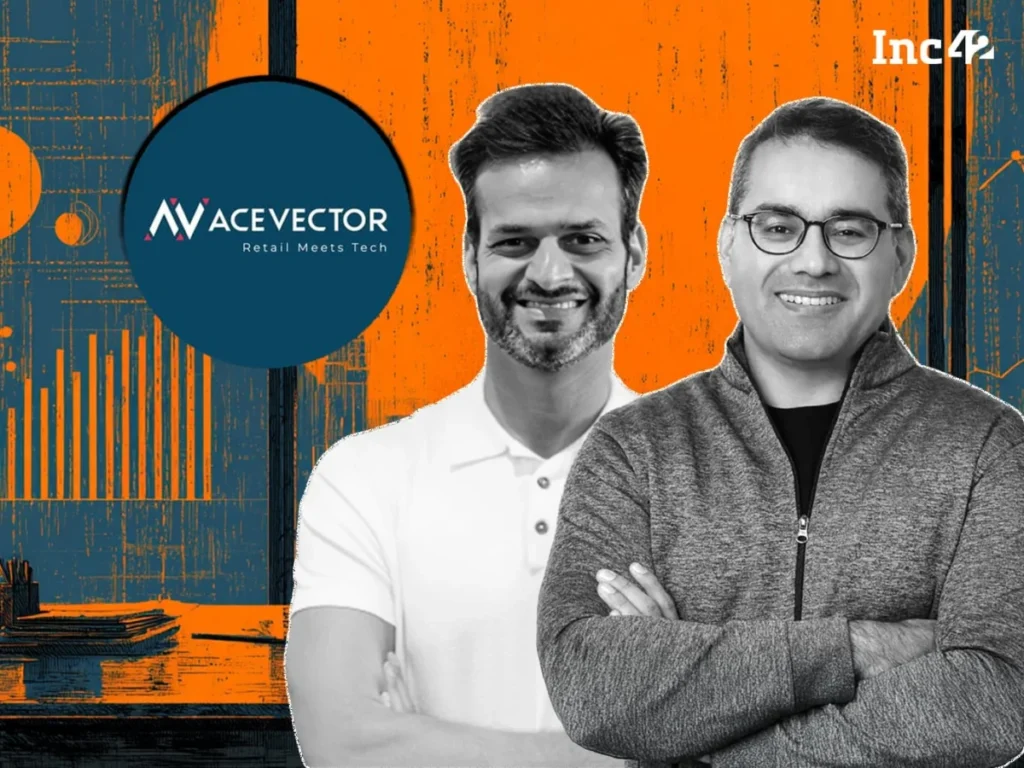
NEW DELHI — AceVector, the parent entity of homegrown e-commerce pioneer Snapdeal, witnessed a cautious yet steady market entry as its INR 420 crore Initial Public Offering (IPO) kicked off bidding. By the close of the first day on Wednesday, September 25, 2026, the issue was subscribed 23%, driven primarily by robust early participation from retail investors and moderate interest from non-institutional segments.
According to data compiled by the Bombay Stock Exchange (BSE) as of 17:00 IST, the public issue received bids for 1.72 crore shares against the 7.42 crore shares on offer. While the overall numbers reflect a measured start, market analysts note that the absence of bids from Qualified Institutional Buyers (QIBs)—who account for more than half of the total allocation—keeps the true trajectory of the IPO under wraps until institutional heavyweights step into the fray over the coming days.
The public issue, which forms a crucial milestone in AceVector’s corporate evolution, will remain open for bidding until September 29, 2026. The company has fixed a price band of INR 30 to INR 32 per equity share, translating to a post-issue market valuation of up to INR 1,741.4 crore (approximately $181.7 million). Shares of the company are slated to make their debut on both the BSE and the National Stock Exchange (NSE) on October 5, 2026.
Chronology of Day One: A Steady Build-Up
The bidding window opened on the morning of September 25, starting off on a slow note before picking up momentum through the afternoon sessions.
- 14:12 IST (Mid-Day Update): As of early afternoon, BSE data indicated an overall subscription rate of just 9%, with investors having placed bids for 65.11 lakh shares against the 7.42 crore shares on offer. Retail investors had already established an early lead, subscribing to 36% of their designated quota, while non-institutional investors (NIIs) had accounted for a modest 7%. At this juncture, QIBs had yet to open their books.
- 17:00 IST (Day-End Close): By the end of regular trading hours, the overall subscription surged to 23%, with total bids touching 1.72 crore shares. The acceleration was largely propelled by a late-day pickup in retail participation and higher-ticket applications within the NII category.
AceVector’s entry into the public markets follows a successful anchor round executed on the eve of the IPO. On September 24, the company raised INR 189 crore from a selective pool of anchor investors. Domestic mutual funds showed selective interest, with Helios Mutual Fund and Taurus Ethical Fund emerging as the sole domestic asset managers to participate. Together, they picked up 93.75 lakh shares, accounting for 15.87% of the total anchor allocation.
Detailed Supporting Data and Category-Wise Breakdown
The structure of AceVector’s INR 420 crore public issue comprises a fresh issuance of equity shares worth INR 287 crore and an Offer for Sale (OFS) of up to 4.16 crore shares, aggregating to INR 133 crore at the upper end of the price band.
A granular examination of the Day 1 subscription data across various investor categories reveals distinct layers of market sentiment:
1. Retail Individual Investors (RIIs)
Retail investors demonstrated the highest enthusiasm, recording a subscription rate of 62% by the end of the day.
- Shares Offered: 1.37 crore shares
- Shares Bids Received: 85.74 lakh shares (an improvement from the 49.85 lakh shares recorded at mid-day)
The retail segment continues to serve as the primary foundational support for the issue, reflecting persistent brand recall for Snapdeal among everyday Indian consumers.
2. Non-Institutional Investors (NIIs)
The NII category, which typically includes high-net-worth individuals (HNIs) and corporate bodies, booked 42% of its quota.
- Shares Offered: 2.06 crore shares
- Shares Bids Received: 86.70 lakh shares
A deeper look into the sub-categories within the NII segment shows a bifurcation based on ticket size: - Bids between INR 2 Lakh and INR 10 Lakh: Subscribed 71%
- Bids above INR 10 Lakh (Larger HNI tickets): Booked 28%
This indicates stronger participation from mid-tier high-net-worth participants compared to ultra-high-net-worth entities on day one.
3. Qualified Institutional Buyers (QIBs)
Institutional participation remains the wildcard for the remainder of the bidding period.
- Shares Offered: 3.99 crore shares (accounting for more than 50% of the entire public offering)
- Shares Bids Received: Nil as of the close of Day 1.
Historically, QIBs frequently deploy their bids on the final or penultimate day of an IPO to gauge broader market liquidity and sentiment. Consequently, institutional behavior over the next 48 hours will dictate whether the issue sails through comfortably or encounters resistance.
Strategic Deployment of Proceeds and Financial Turnaround
AceVector’s management has laid out a clear blueprint for the deployment of the net proceeds generated from the fresh issue component of the IPO. Out of the INR 287 crore raised through fresh shares:
- INR 132 Crore has been earmarked specifically for Snapdeal’s marketing campaigns and business promotion initiatives to recapture market share in India’s hyper-competitive e-commerce landscape.
- INR 50 Crore will be directed toward upgrading and expanding the technology infrastructure supporting the platform.
- The remaining balance will be deployed toward funding potential inorganic growth through strategic acquisitions and general corporate purposes.
The public offering comes on the heels of a notable financial turnaround for the parent entity. For the fiscal year, AceVector reported a narrowed restated net loss of INR 45.5 crore, marking a sharp 64% improvement compared to a net loss of INR 126.3 crore in the previous fiscal year. Simultaneously, the company’s operating revenue experienced an upward trajectory, climbing 29.2% year-on-year to INR 510.3 crore, up from INR 395 crore previously.
Corporate Evolution: From Snapdeal to AceVector
The journey of AceVector mirrors the broader maturation and restructuring of India’s digital commerce ecosystem over the past decade and a half.
Founded in 2010 by Wharton alumni Kunal Bahl and Rohit Bansal, Snapdeal initially emerged as one of India’s prominent daily-deal platforms before rapidly transforming into a full-fledged horizontal e-commerce marketplace. During the mid-2010s, it engaged in a high-stakes battle for market supremacy alongside domestic rival Flipkart and global titan Amazon.
However, following a fiercely contested market phase and the ultimate collapse of a proposed merger with Flipkart in 2017, the company initiated a strategic pivot. Moving away from cash-burning discounting models that prioritized gross merchandise value (GMV) over profitability, Snapdeal restructured into a value-focused e-commerce marketplace catering to tier-2 and tier-3 Indian consumers seeking affordable lifestyle and daily-use goods.
Recognizing the need to diversify beyond a single consumer brand, the founders reorganized their operations under the parent umbrella AceVector in 2022. Today, AceVector houses a multi-faceted portfolio of digital businesses:
- Snapdeal: The value e-commerce platform targeting India’s mass-market consumers.
- Unicommerce: A prominent, publicly listed SaaS-based e-commerce enablement and warehouse management platform that provides software solutions to online sellers.
- Stellaro Brands: The consumer brands division focusing on developing and scaling private-label products across fashion and lifestyle segments.
Market Implications and Outlook
As the AceVector IPO moves into its second and third days of bidding, market observers are watching several critical variables.
The successful listing of Unicommerce previously demonstrated the founders’ capacity to navigate public market compliance and investor relations. However, bringing the core e-commerce parent—carrying the legacy of Snapdeal’s historic competitive battles—presents a distinct narrative.
For retail and institutional investors alike, the primary consideration centers on whether AceVector can sustain its narrowed loss profile while capitalizing on India’s burgeoning value e-commerce segment. With tier-2 and tier-3 consumption emerging as the next growth frontier for Indian retail, the deployment of the INR 132 crore marketing fund will be closely monitored by market analysts.
The bidding window will remain open until Tuesday, September 29, 2026. The coming days will test institutional appetite, particularly as QIBs evaluate the company’s valuation metrics against broader macroeconomic currents and the performance of other tech-enabled listings on Indian bourses. If institutional blocks land as expected, AceVector is poised to finalize its transition to a publicly traded enterprise ahead of its scheduled market debut on October 5, 2026.