The AI Workplace Evolution: Converting Custom Assistants, Training Autonomous Employees, and Major Industry Updates
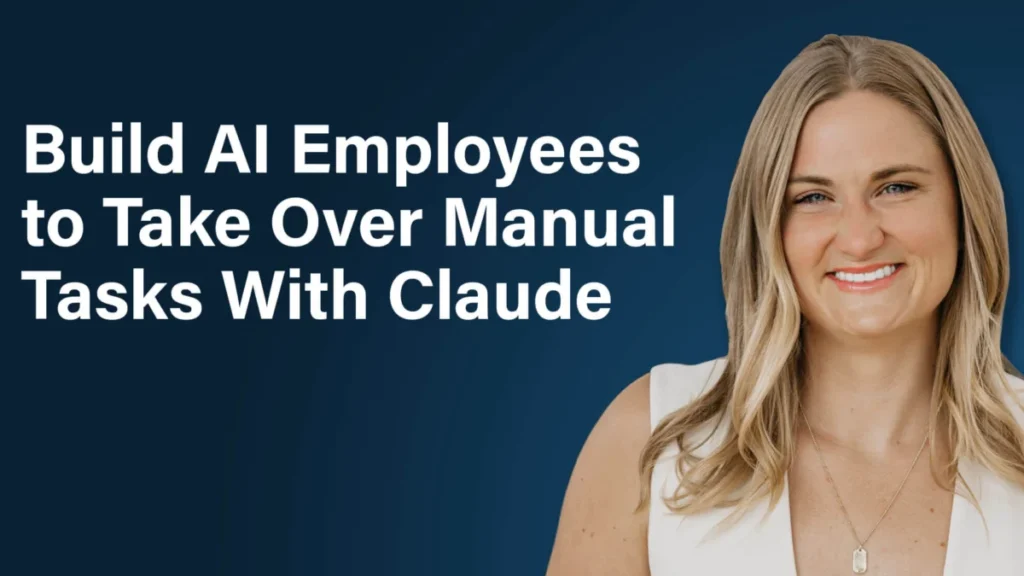
As the artificial intelligence landscape matures, the conversation among business leaders has shifted dramatically. No longer are we merely discussing how to prompt a chatbot for a quick draft or a brainstorming session; the focus is now squarely on integration, autonomy, and efficiency. Major platform shifts from industry giants like Google and Meta, combined with advanced methodologies for deploying AI as a functional member of your workforce, are redefining what it means to leverage technology in modern business.
This report synthesizes the latest developments in the AI ecosystem, examining how to transition legacy custom assistants into modern skills, how to train autonomous AI employees, and the critical product updates shaping the industry this week.
Main Facts: The Shift Toward Autonomous and Integrated AI
The past week has highlighted a fundamental pivot in artificial intelligence: the transition from isolated chat interfaces to interconnected, agentic systems.
- The Rise of "Skills" Over Custom GPTs: Platforms are moving away from traditional custom GPTs and Gemini Gems. Following the path blazed by Claude Skills, major AI tools are adopting a command-line slash structure, allowing users to invoke specialized capabilities seamlessly within a conversation.
- Agentic Workflows Go Mainstream: Google has significantly upgraded Gemini Live, transforming it from a simple voice assistant into a multi-step productivity agent capable of managing calendars, executing inbox updates, and coordinating tasks across Workspace applications.
- The Training Gap: Industry experts emphasize that chatting with AI daily is vastly different from building trained, autonomous "AI employees" that rely on organized business infrastructure—such as brand voice guidelines, product pricing, and operational workflows—to execute tasks reliably without human intervention.
- Expanded Enterprise and Creator Tools: Google rolled out updates to its video models (Gemini Omni 1.1 Flash) and introduced automated tools like Gemini 3.5 Transcribe and Google Pics. Concurrently, Meta expanded its monetization strategy by launching tiered subscriptions (Meta AI Core and Premium) to offer heavy users greater generation capacity.
Chronology of Recent Industry Developments
To understand how rapidly the ecosystem is moving, it is helpful to trace the sequence of recent product rollouts and strategic shifts reported across the AI sector:
- Early Phase (The Era of Siloed Assistants): Users relied heavily on custom GPTs and Gemini Gems. While powerful, these tools required navigating to separate environments, fragmenting daily workflows.
- The Claude Innovation: The introduction of Claude Skills popularized the slash-command interface, making specialized prompts immediately accessible within active conversations and prompting competitors to re-architect their systems.
- Google’s Agentic Expansion: Google launched a wave of updates across its Gemini ecosystem, beginning with Gemini Live integrations into Spark, Daily Brief, and Gmail, followed by the deployment of Gemini Omni 1.1 Flash for professional video control.
- Advanced Video Understanding and Transcription: Google introduced agentic video analysis—allowing models to dynamically inspect only necessary video frames—and launched Gemini 3.5 Transcribe across more than 85 languages to streamline voice-to-text workflows.
- Visual Asset Integration: Google Pics arrived as a standalone and Workspace-integrated tool powered by the Nano Banana model, bringing targeted object editing and collaborative image generation directly into Google Docs and Slides.
- Meta’s Subscription Rollout: Meta formalized its monetization model by introducing Meta AI Core and Meta AI Premium tiers, bundling advanced generation limits with verified social media perks.
Supporting Data and Technical Metrics
The latest updates are not merely cosmetic; they represent significant technical leaps in efficiency, cost reduction, and performance:
- Token and Cost Reductions: Google’s new agentic video understanding approach—deployed across Gemini 3.7 Flash, 3.6 Flash, and 3.5 Flash-Lite—reduces token usage by up to 88% and cuts operational costs by up to 66%, while simultaneously improving analytical accuracy by as much as 7%.
- Global Language Support: Gemini 3.5 Transcribe adapts to specialized vocabulary across more than 85 languages, effectively filtering out filler words and formatting speech for professional applications.
- Workforce Readiness: According to data highlighted by automation experts, business adoption remains high, yet a vast majority of organizations fail to move past casual prompting because they lack a centralized "Business Brain"—a clean, structured repository of company data required to train autonomous AI agents effectively.
Official Responses and Expert Insights
Industry leaders and workflow automation specialists have weighed heavily on how businesses must adapt to these new technological standards.
Transitioning Custom GPTs and Gems
According to platform integration guides, businesses can no longer rely on legacy custom GPTs. The migration process requires a systematic approach:
- Extraction: Gather all core instructions, knowledge bases, and reference files from your existing custom GPT or Gem.
- Reformatting: Open the new Skills creation area within your chosen AI platform and initiate a conversation to build a new Skill.
- Integration: Upload your reference files, outline the primary objective, and paste your legacy instructions, prompting the AI to reformat them into the modern Skill architecture.
- Iterative Testing: Test the new Skill in a live conversation, refining the underlying instructions until the output matches or exceeds previous performance levels.
The Methodology of Training AI Employees
Callan Faulkner, founder of The Uncommon Business and creator of the Automate to Accelerate program, notes a critical distinction in how modern professionals interact with technology:
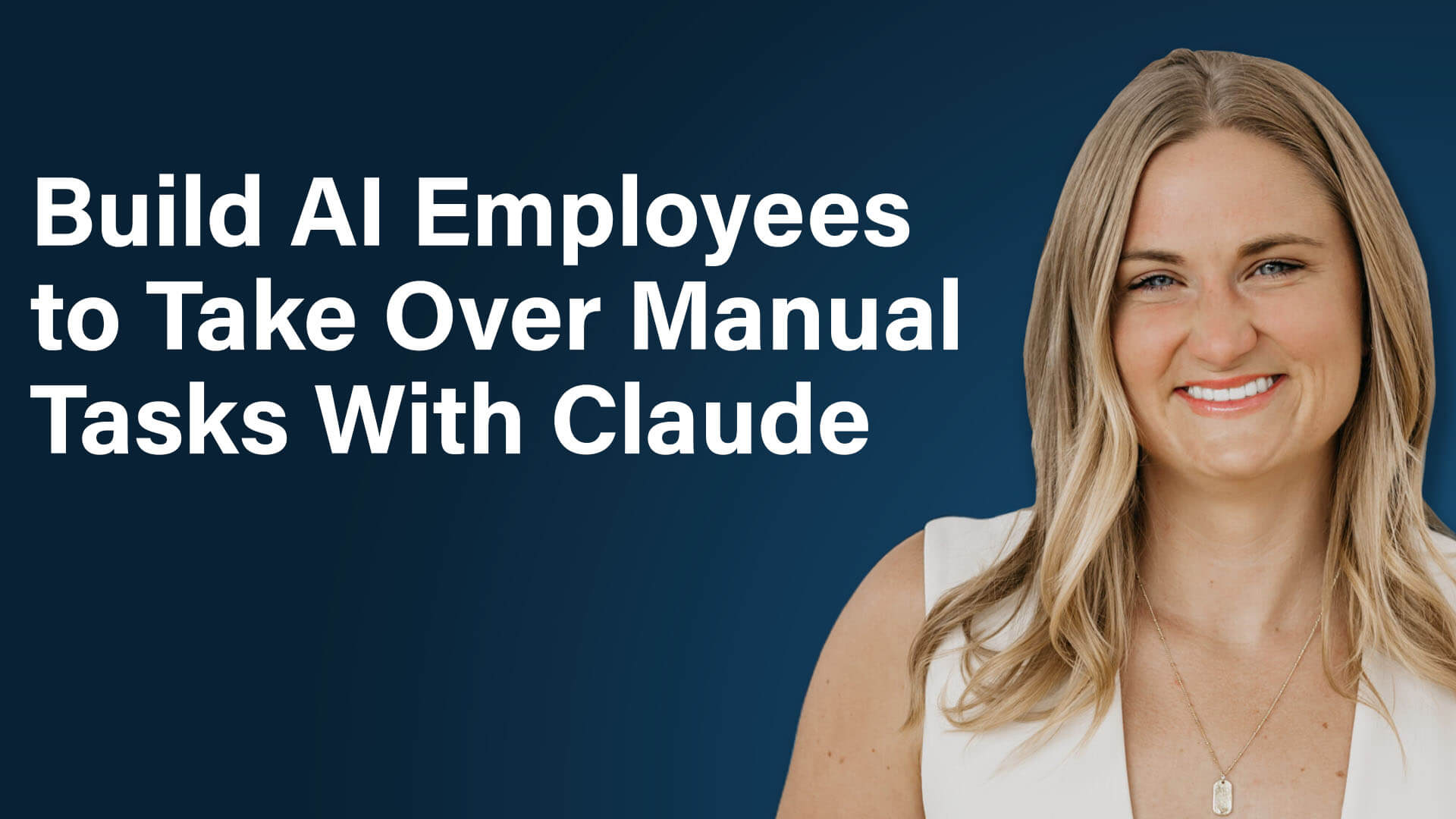
"There is a massive gap between chatting with AI and building trained AI employees that actually do the work for you. Most people quit too early because they treat AI like an interactive toy rather than a system that requires foundational training data, clear operational guidelines, and rigorous iteration."
Faulkner stresses that a messy Google Drive or disjointed notes will prevent an AI from performing at a professional level. To build a true "AI employee," businesses must first establish a centralized repository containing precise pricing, step-by-step processes, brand voice documentation, and historical success metrics. Once this foundation is established, users can progress from simple prompts to reusable skills, and finally to scheduled, automated background tasks.
Implications for Marketers and Business Owners
The convergence of agentic tools, streamlined skills, and automated workflows carries profound implications for organizations of all sizes:
1. Operational Efficiency and Labor Reductions
With Gemini Live handling multi-step voice workflows and agentic video models drastically cutting down processing costs, administrative and analytical overhead is plummeting. Businesses that master the art of delegating tasks via voice and structured skills will be able to scale output without linearly increasing headcount.

2. The Death of the Disorganized Knowledge Base
The requirement for clean, structured foundational data ("Business Brains") means that internal operational hygiene is no longer optional. Companies that fail to organize their brand guidelines, pricing structures, and standard operating procedures will find themselves unable to successfully deploy autonomous AI assistants.
3. Platform Consolidation and Ecosystem Lock-In
As tech giants like Google and Meta bake AI capabilities directly into core productivity suites (Workspace, Gmail, Docs) and social platforms (Facebook, Instagram, WhatsApp), users are presented with powerful, deeply integrated ecosystems. Marketers must evaluate whether to adopt native, platform-specific AI workflows or rely on flexible, model-agnostic tooling.

4. A Shift in Human Roles
As AI transitions from a creative sounding board to an autonomous worker that executes tasks on a schedule, human oversight shifts from creation to management. Professionals will spend less time drafting initial concepts and more time auditing, refining, and strategizing the outputs of their digital workforce.
Conclusion
The evolution from isolated chat prompts to integrated skills and autonomous AI employees marks a turning point for digital commerce and content creation. By converting legacy custom GPTs into modern skills, organizing internal data repositories, and leveraging the latest agentic upgrades from providers like Google and Meta, forward-thinking businesses can transform AI from a novelty into a foundational pillar of operational growth.