The 2025 B2B Social Media Playbook: Strategies for an Era of Authenticity and AI
The B2B marketing landscape is undergoing a profound metamorphosis. As we cross the threshold into 2025, the rigid, clinical tone that once defined corporate communication is being dismantled. In its place, a new mandate has emerged: the humanization of the B2B brand. Driven by evolving buyer expectations and the democratization of digital tools, the strategies that worked in 2020 are no longer sufficient to capture market share.
For B2B marketers, the challenge for the coming year is not merely to "be present" on social channels, but to build deep-rooted, authentic connections. According to the Netline B2B Content Consumption Report, there is a clear, accelerating demand for personalized, high-value content that eschews corporate jargon in favor of relatable, human-centric narratives.
The Evolution of the B2B Buyer Journey
The shift toward authenticity is not a trend; it is a fundamental correction. B2B buyers—who are also B2C consumers in their private lives—now expect the same level of frictionless, engaging, and value-driven content from their professional vendors as they do from their favorite lifestyle brands.
This evolution is grounded in a move away from the "gatekeeper" model of marketing. Historically, B2B companies prioritized white papers and long-form gating to capture leads. Today, the most successful brands are opening their doors, sharing their internal challenges, and highlighting the people behind the products. This transparency is no longer a risk; it is a requirement for building the emotional trust necessary to close high-value enterprise deals.
The Core Pillars of the 2025 Strategy
As discussed on the Social Pros podcast, the following five pillars are set to define the competitive advantage for B2B organizations in 2025.
1. Authenticity as a Competitive Differentiator
The "Corporate Facade" is dead. In 2025, B2B brands must embrace vulnerability. This means highlighting employee stories, documenting the "behind-the-scenes" of product development, and addressing industry failures alongside successes. When a brand admits to the complexity of a problem, it signals to the prospect that the brand is an honest partner rather than just another vendor.
How to implement:

- Employee Advocacy: Empower your engineers, support staff, and product managers to share their expertise on LinkedIn.
- Values-Driven Storytelling: Don’t just list your mission statement; show the real-world impact of your sustainability or community initiatives.
2. The Video Dichotomy: Short-Form vs. Long-Form
The "video-first" approach is no longer optional. However, the nuance lies in the application. Short-form video (TikTok, Instagram Reels, LinkedIn native video) is the primary engine for top-of-funnel brand awareness and rapid engagement. Data suggests that 72% of B2B marketers have successfully generated leads through short-form content by using it to distill complex value propositions into 60-second "bites."
Conversely, long-form content—webinars, deep-dive YouTube series, and panel discussions—acts as the anchor for trust. If short-form video gets the prospect’s attention, long-form video justifies the purchase decision. Brands like Salesforce and HubSpot have mastered this duality: using snackable clips to drive traffic to high-authority, long-form educational sessions.
3. The Renaissance of B2B Thought Leadership
Thought leadership is moving from the "blog post" era to the "insight" era. It is no longer enough to publish generic industry roundups. Today’s thought leadership requires a point of view—a "contrarian" take on industry status quos that forces the reader to rethink their current operations.
LinkedIn continues to be the dominant theater for this discourse. When executives use their personal profiles to share nuanced perspectives on market trends, they create a human bridge between the company and the client. This drives organic SEO, boosts social signals, and establishes the brand as a primary source of industry intelligence.
4. B2B Influencer Marketing: Beyond the Hype
The stigma surrounding B2B influencer marketing has largely evaporated. Companies are realizing that their customers are already following industry experts, consultants, and niche content creators. By partnering with these trusted voices, B2B brands can bypass the skepticism that often accompanies traditional advertising.
The success of Oracle’s “On the Fly” video series serves as a blueprint for the industry. By collaborating with 30 B2B influencers, Oracle did not just reach an audience; they gained an endorsement. When a trusted expert speaks on behalf of your brand, the credibility transfer is immediate and far more effective than any paid promotion.
5. The AI-Driven Operational Shift
AI is no longer just a buzzword; it is the infrastructure for content at scale. In 2025, the most effective B2B teams will use AI not to replace their creative teams, but to automate the "grunt work" of marketing—optimizing post schedules, identifying content gaps, and personalizing outreach at scale.
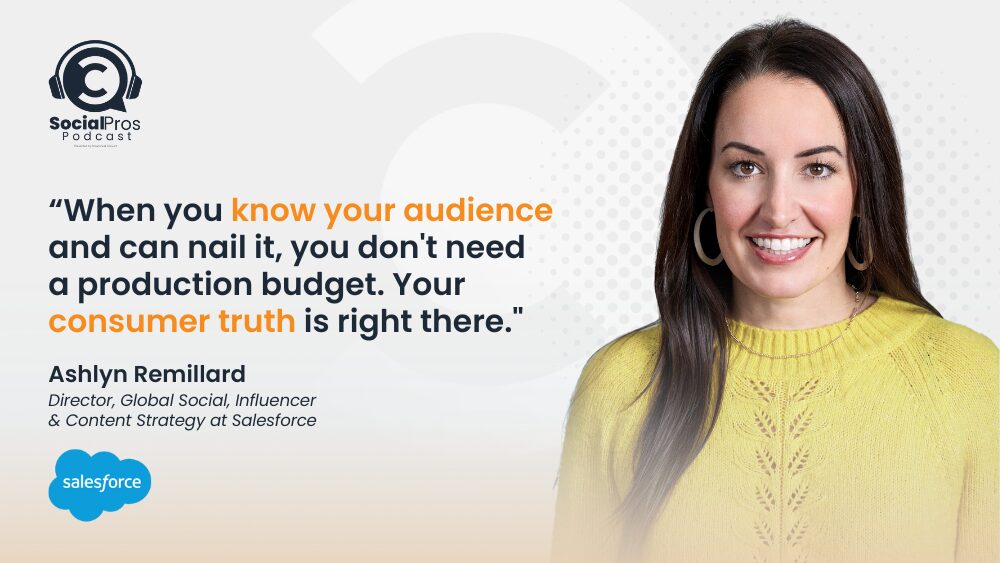
As Zontee Hou outlines in the 5 Steps to AI Readiness webinar, the goal is to use AI to regain time. By offloading research and data-crunching to AI, marketers can spend more time on what humans do best: strategy, empathy, and complex storytelling.
Implications for Future-Proofing Your Brand
The implications of these shifts are significant. Companies that remain tethered to traditional, high-volume, low-value content will find their engagement metrics stagnating. The cost of acquisition will continue to rise for those who cannot build an emotional connection with their audience.
Strategic Recommendations
- Audit Your Tone: Review your last 10 social posts. Do they sound like a press release? If so, rewrite them to sound like a conversation between two peers.
- Invest in Creator Partnerships: Identify the top 5 influencers in your niche and initiate a "pilot" collaboration. Don’t look for the biggest names; look for the most respected ones.
- Optimize for Search and Social: Ensure your video content is searchable. Treat your YouTube channel as a secondary search engine by using targeted keywords in your descriptions and captions.
- Prioritize "Pain-Point" Content: Map your content calendar directly to the specific problems your customers are currently facing. If the market is experiencing a downturn, your content should be about efficiency and ROI, not feature lists.
Conclusion: The Human Element Remains
As we look toward the remainder of 2025, the technology available to us will only become more sophisticated. Yet, the core of B2B marketing remains unchanged: it is the art of building a relationship based on trust. Whether you are using a short-form video on TikTok or a deep-dive webinar on YouTube, the objective is the same—to demonstrate that you understand your customer’s reality and have the expertise to improve it.
The brands that thrive in 2025 will be those that strike the perfect balance between high-tech efficiency and high-touch humanity. The tools are ready. The audience is waiting. It is time to refine the playbook.
For organizations looking to implement these strategies, specialized consultancy services—such as those offered by Convince & Convert—provide the necessary roadmap to translate these trends into measurable business growth. By aligning your social strategy with the realities of modern B2B consumption, you can ensure your brand remains a market leader in an increasingly noisy digital ecosystem.