Amazon’s Streaming Evolution: The New Fire TV Stick 4K (2026) and the Future of Vega OS
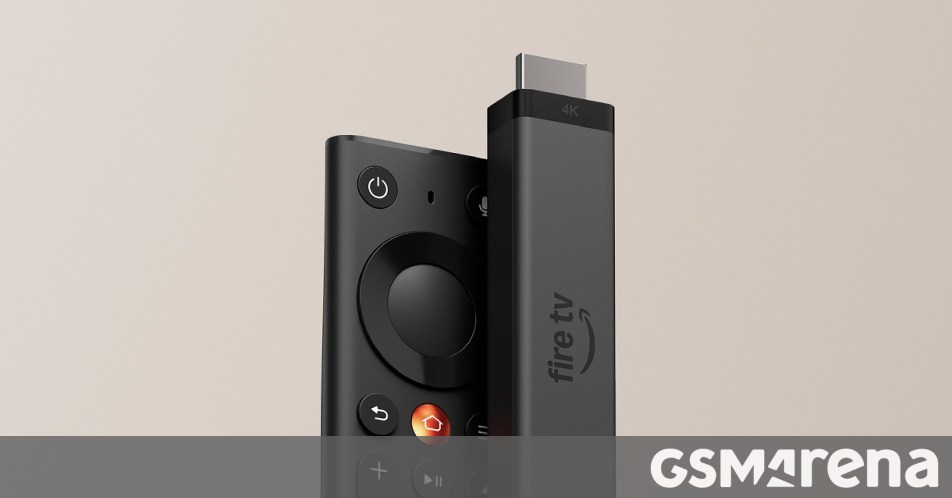
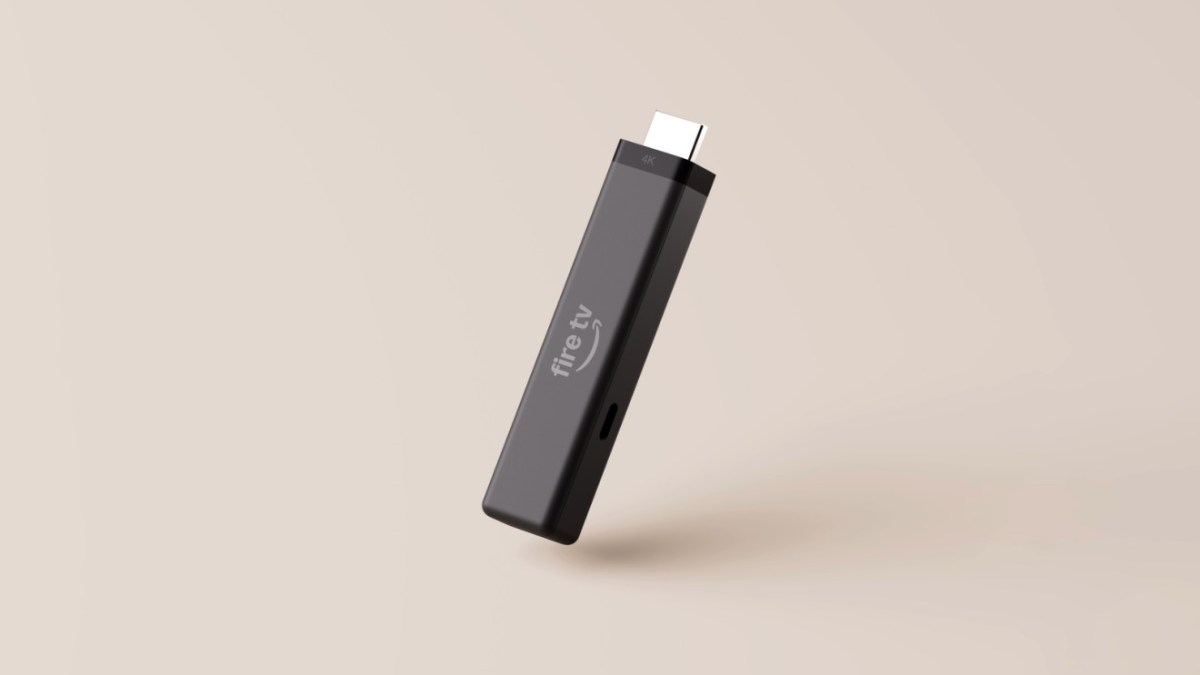
Amazon has officially taken the wraps off its latest streaming hardware, the Fire TV Stick 4K (2026), alongside a redesigned remote control. This launch marks a significant turning point in the company’s living room strategy, as the new hardware pivots away from the long-standing Android-based Fire OS in favor of the company’s proprietary, Linux-based "Vega OS." With claims of superior speed, a sleeker form factor, and a refined user interface, Amazon is aiming to cement its dominance in the hyper-competitive streaming stick market.
Main Facts: Performance and Hardware Specs
The Fire TV Stick 4K (2026) is positioned as a substantial performance upgrade over its predecessors. At the heart of the device lies a quad-core 1.7GHz processor, which Amazon claims delivers a 20% to 40% speed boost compared to similarly priced 4K streaming sticks from competitors. This processing power is designed to ensure that navigating the UI, launching apps, and buffering high-bitrate content is smoother than ever.
Key Technical Specifications:
- Processor: Quad-core 1.7GHz.
- Storage: 8GB internal storage for apps and local content.
- Connectivity: Wi-Fi 6 support, Bluetooth 5.3, and Low Energy (LE) for efficient peripheral pairing.
- Video Decoding: Capable of 4K streaming at 60fps, supporting H.264, H.265, VP9, and AV1 codecs.
- HDR Support: HDR10, HDR10+, and HLG.
- Power Efficiency: Features "Direct Power" capability, allowing the stick to draw power directly from a TV’s USB port, eliminating the need for a separate wall adapter.
It is important for consumers to note a key distinction in the current lineup: the new 2026 model does not support Dolby Vision. Users who require Dolby Vision—or who desire the added speed of Wi-Fi 6E—are encouraged to look toward the more premium Fire TV Stick 4K Max.
A New Era: The Shift to Vega OS
Perhaps the most transformative aspect of this launch is the transition to Vega OS. For years, the Fire TV ecosystem was built upon a heavily customized version of Android. By moving to Vega OS, Amazon gains complete control over the underlying architecture of its devices.
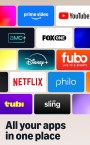
Amazon has addressed concerns regarding app availability, noting that the ecosystem has seen an influx of over 2,000 new apps in the past year alone. The platform now supports all major streaming titans, including Netflix, Disney+, YouTube, Prime Video, and HBO Max. Furthermore, the library extends to niche services like Tubi, Pluto, and Peacock, and even includes social media integrations such as Instagram. The OS also provides support for local video playback via VLC, music streaming through Spotify, and cloud gaming via Xbox, along with native support for VPNs, providing users with the flexibility often demanded by power users.
Chronology: Development and Market Integration
The rollout of the Fire TV Stick 4K (2026) follows a long cycle of iterative updates within Amazon’s hardware division.
- 2019-2023: The formative years where Fire TV cemented its identity as a media-centric Android fork.
- Early 2026: The release of the slimmer Fire TV Stick HD, which served as the design blueprint for the current 4K model.
- September 2026: The official announcement of the Fire TV Stick 4K (2026), marking the first widespread consumer deployment of Vega OS.
- Late 2026/Early 2027: The scheduled rollout for the "Fire TV Remote Plus," which will feature a premium aluminum body and backlit keys, signaling Amazon’s intent to offer a tiered accessory ecosystem.
Supporting Data: Why Speed Matters
Amazon’s internal testing suggests that the hardware bottleneck in most living room setups is not the internet connection, but the processing speed of the streaming stick itself. The company’s promotional demonstration highlights how the new 1.7GHz chip significantly outperforms native smart TV applications, which are often burdened by bloated proprietary software.
By prioritizing a "slimmer and faster" design, Amazon is specifically targeting the demographic of users who have felt the sluggishness of older generation sticks. The 20% to 40% performance gain is critical for a "snappy" user experience, ensuring that when a user selects a show, the transition is near-instantaneous.
The Redesigned Fire TV Remote
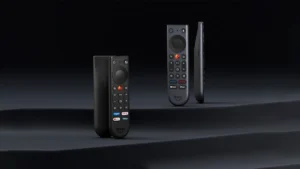
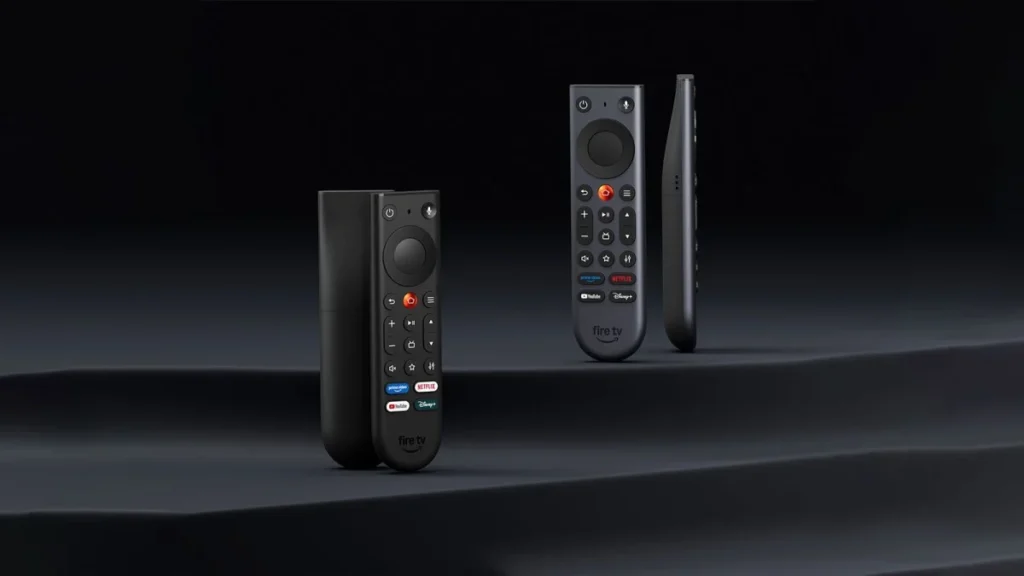
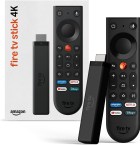
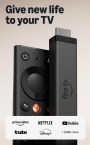
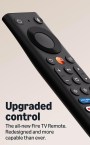
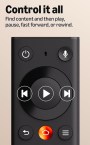
Alongside the stick, Amazon is introducing a revamped remote control, which will be included in the box but also sold separately for $15. This remote is compatible with all Fire TV streaming devices dating back to 2019 and all Amazon-branded Fire TVs.
Design and Functional Improvements:
- Ergonomics: The remote features a flat top and a weighted, rounded bottom for a more natural grip.
- Tactile Feedback: The Home button has been updated with a distinct metal surface, making it easily identifiable by touch in a dark room.
- The "Star" Button: A major addition is the customizable Star button. Users can map this button to their most-used app (like Netflix or Disney+), or set it to toggle system-level features like closed captioning or the screen magnifier, allowing for a personalized navigation experience.
Official Responses and Strategic Implications
Amazon’s move to migrate its hardware away from Android is a calculated strategic maneuver. By controlling the entire stack—hardware, silicon, and operating system—Amazon can better optimize the performance of its streaming devices and integrate them more deeply into the broader Amazon ecosystem, including Alexa and home automation.
Industry analysts suggest this move is designed to reduce reliance on Google’s Android updates and potentially avoid future regulatory scrutiny regarding app store policies. By building out a proprietary OS, Amazon ensures that it can dictate the terms of its service delivery without external dependencies.
The launch also comes with an aggressive pricing strategy. While the MSRP is $60, Amazon has timed the release with its "Prime Big Deal Days," offering the device for $30. This suggests that Amazon is willing to sacrifice short-term margins to achieve long-term market saturation with the new Vega OS.

Implications for the Consumer
What does this mean for the average viewer? For one, the "Direct Power" feature is a major quality-of-life improvement. By allowing the stick to draw power from a TV’s USB port, users can declutter their media consoles and simplify cable management.
Furthermore, the decision to offer a premium, aluminum-bodied "Remote Plus" next year indicates that Amazon is looking to cater to the enthusiast market. It is moving away from the "one-size-fits-all" plastic remote model and acknowledging that a significant portion of its user base is willing to pay for a more premium, tactile experience.
However, the lack of Dolby Vision on this specific 4K model serves as a clear market segmentation strategy. It effectively forces users who prioritize high-end visual fidelity to purchase the more expensive "Max" model. This is a classic "upsell" tactic that will likely be successful given the brand loyalty of the Fire TV user base.
Conclusion
The 2026 Fire TV Stick 4K represents a bold step forward for Amazon. By balancing a sleek, high-performance hardware design with the introduction of the independent Vega OS, the company is positioning itself to stay relevant as streaming requirements—such as AV1 codec support and high-speed processing—continue to evolve.
Whether the transition to Vega OS will be seamless for users accustomed to the Android-based interface remains to be seen. However, with the promise of increased speed, a highly functional new remote, and a clear, modular roadmap for future accessories, Amazon has clearly signaled that its living room ambitions are far from settled. For those looking to upgrade their home theater experience, the 2026 model offers a compelling, albeit segmented, value proposition that is difficult to ignore at its introductory price point.