The 2026 Digital Marketing Shift: Major Algorithm Updates, Platform Monetization, and AI Integration
The digital marketing landscape is undergoing a massive structural transformation. As platforms increasingly lean into artificial intelligence, strict monetization models, and algorithm splits, content creators and brands are forced to rethink everything from how they package a video to how they structure their organic and paid social strategies.
Recent announcements and updates from industry giants—including Meta, Google, LinkedIn, Pinterest, and YouTube—reveal a clear trajectory: platforms are demanding higher precision, tighter audience connection, and, in many cases, paid subscriptions to maintain visibility.
Here is a comprehensive breakdown of the essential insights, platform developments, and strategic adjustments marketers need to navigate the modern digital ecosystem.
Main Facts: The Core Shifts Across Digital Platforms
The current digital marketing ecosystem is defined by three major operational pillars: aggressive AI integration, algorithmic segmentation, and the commercialization of organic reach.

- The Monetization of Organic Reach: Meta is reportedly expanding its tests to restrict non-paying Facebook Pages to a mere two link posts per month, shifting broader link-sharing capabilities into subscription models like Meta One. Meanwhile, Threads is loosening its ties to Instagram, allowing standalone ad accounts to run campaigns directly from native Threads profiles.
- AI as a Core Operational Tool: From LinkedIn’s new Post Proofreader for premium members to Google’s conversational AI "Business Agent" integrated into YouTube Demand Gen ads, AI is no longer just a brainstorming assistant—it is embedded directly into the distribution and conversion pipeline.
- Algorithmic Segmentation: Platforms are giving users more granular control over their feeds. LinkedIn is testing a split between a relationship-driven "Network" tab and a discovery-focused "For You" tab, fundamentally changing how B2B content travels through professional graphs.
Chronology of Key Platform Updates
To understand how these changes fit together, it helps to review the timeline of recent rollouts and testing phases shaping the industry:
- Early September 2026: Meta begins rolling out native advertising capabilities on Threads that no longer require a matching Instagram username, positioning Threads as an independent commercial channel.
- Mid-September 2026: Google drops its comprehensive Demand Gen update, introducing conversational Business Agents for YouTube ads, one-click image conversions on Shorts and Gmail, and localized Promoted Pins on Google Maps.
- Late September 2026: YouTube hosts its annual Made on YouTube event, unveiling a suite of creator tools, including dynamic affiliate product tagging, conversational Shorts editing, and automated A/B title testing. Concurrently, LinkedIn begins rolling out its Post Proofreader and tests the dual "Network" versus "For You" feed interface.
- Ongoing (Fall 2026): Pinterest rolls out its holiday-focused campaign optimization scores, and Meta expands its restricted-link-post trials for Facebook Pages.
Supporting Data and Strategic Formulas
Navigating these platform changes requires tactical adjustments. Industry experts share proven frameworks for maximizing return on effort across YouTube and Instagram.
The YouTube Packaging Formula for Higher CTR
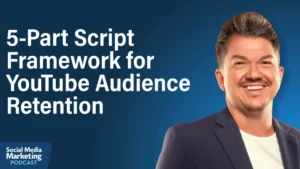
Many creators suffer from low click-through rates (CTR) despite producing stellar content. Speaking at Social Media Marketing World 2026, creator Sean Cannell outlined a precise formula to reverse this trend:
- AI-Assisted Brainstorming: Use AI tools to generate at least 10 titles, choosing between an SEO route (targeting search intent with how-to or tutorial formats for long-term discoverability) or a curiosity route (leveraging psychological triggers for virality).
- The Time-Versus-Outcome Hook: Structure titles to promise a specific result within a specific timeframe. For example, a title structured as, "Give me 12 minutes and I’ll save you 17 years of trying to lose weight," successfully drove 250,000 views and 27,000 email subscribers in just six days.
- Built-In A/B Testing: Utilize YouTube’s native split-testing feature. Upload a primary title, add a secondary contender, and let YouTube’s algorithm determine which variation drives higher watch time. Cannell noted a direct 6% performance boost from a single title swap.
Mastering Unpolished Instagram Reels
According to Instagram growth strategist and Good Content Podcast host Shannon McKinstrie, short-form video currently rewards authentic connection over high production value. Businesses making reels with overly polished corporate aesthetics often accidentally build a wall between themselves and their viewers.
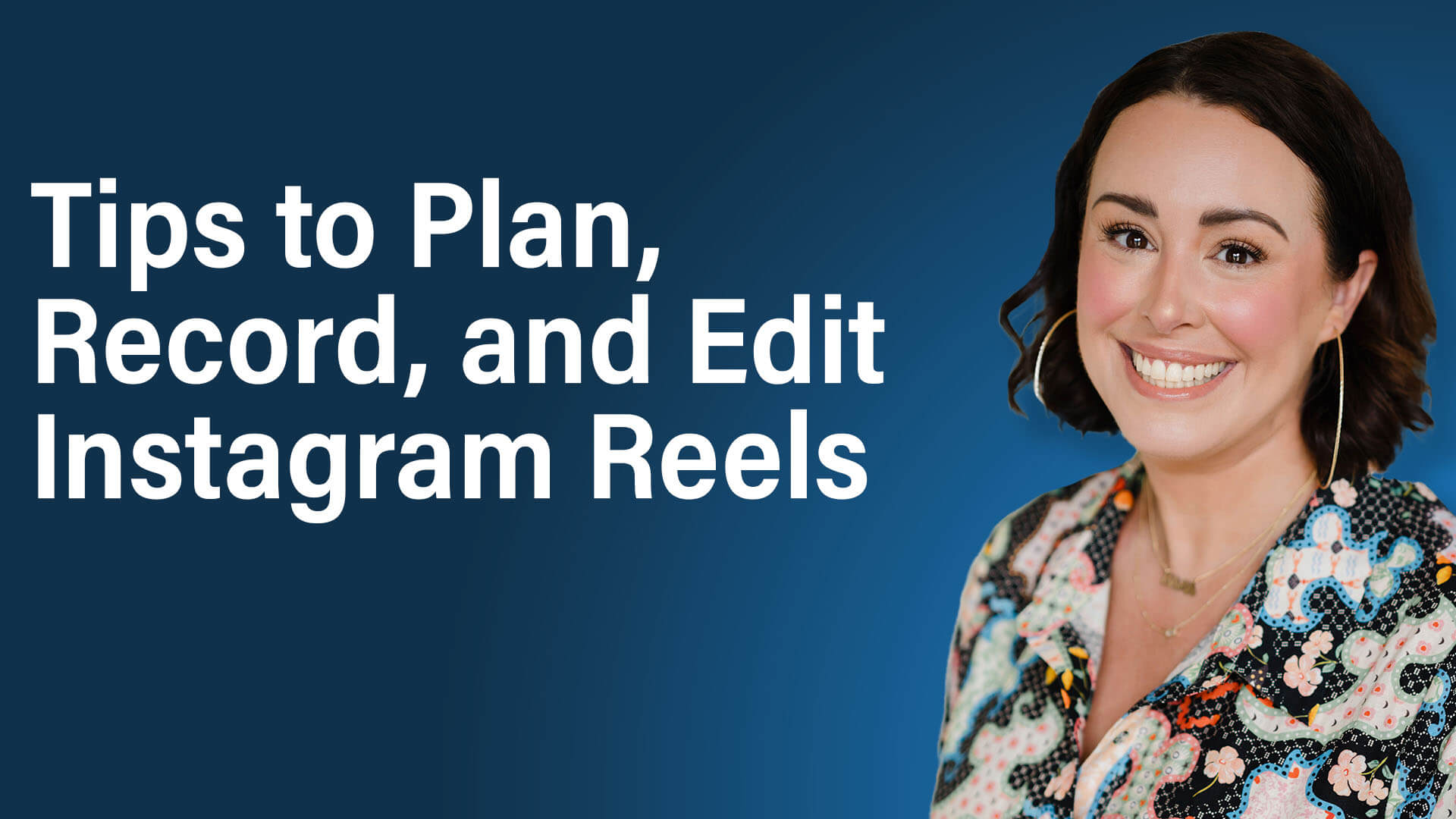
Key tactical shifts for Reels include:
- The "One-Word" Specificity Check: Before posting, swap generic terms for specific emotional triggers. For example, change "moving" to "Relocating to Nashville," or change "rock" to "Pink Floyd." This simple specificity makes viewers feel instantly understood.
- Low-Friction Editing: Use everyday props and native, unpolished editing features to hold attention past the crucial first three seconds.
- Trial Reels: Utilize trial reels to test creative concepts on non-followers without cluttering or negatively impacting the main grid’s core metrics.
Official Responses and Platform Statements
As these sweeping changes take effect, platform representatives have clarified the intent behind the updates:
- Google on YouTube Product Tagging: Regarding the new dynamic placement system for affiliate Shopping tags—which scales tag visibility based on real-time user interaction—Google confirmed that these adjustments strictly govern product-tag presentation and will not alter overall video distribution or recommendation algorithms.
- LinkedIn on Professional Verification: With its verified member base surging past 115 million, LinkedIn emphasized that new initiatives—such as peer verification for employment history and integrations with Truecaller and PeerSpot—are explicitly designed to "build professional trust" and protect corporate brands from false employee associations.
- Pinterest on Holiday Optimization: Discussing the new campaign optimization scores, Pinterest noted that the system evaluates creative variety and signal strength to give advertisers actionable insights aligned with platform best practices during peak shopping seasons.
Implications for Marketers and Creators
The convergence of these updates signals a maturing digital marketing ecosystem where "spray and pray" tactics no longer work.
1. The Cost of Organic Reach is Rising
Meta’s continued tests restricting non-paying Facebook Pages from posting unlimited links point to a sobering reality: organic real estate is tightening. Businesses relying heavily on Facebook traffic may need to reevaluate their budget allocations, weigh the cost of subscriptions like Meta One, or pivot entirely toward community-building and paid acquisition strategies.

2. AI Integration Requires Human Oversight
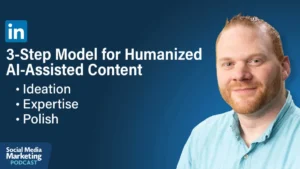
Tools like LinkedIn’s Post Proofreader and YouTube’s automated thumbnail and title tests demonstrate that AI is becoming an essential copilot. However, because LinkedIn’s proofreader leaves the final decision up to the user via inline suggestions, marketers must maintain editorial control. AI should be used to accelerate workflows, not replace strategic brand voice.
3. Authenticity Wins Short-Form Video Wars
As audiences become numb to glossy, corporate advertisements, the push toward "unpolished" content—championed by creators like Shannon McKinstrie on Instagram—proves that relatability converts. Brands must learn to speak the native language of their target communities, replacing broad industry jargon with hyper-specific, human-centric storytelling.

By staying adaptable, embracing data-driven packaging on video platforms, and preparing for tighter monetization gates on legacy social networks, marketers can turn these sweeping ecosystem changes into a competitive advantage.