Mastering YouTube Retention: The BINGE Method for High-Converting Long-Form Content
In the modern digital landscape, marketers and content creators frequently fall into the trap of obsessing over vanity metrics. Subscriber counts and aggregate view totals dominate boardrooms and creative strategy sessions, fostering the assumption that mass appeal is the primary prerequisite for digital influence.
However, seasoned YouTube strategist Adam Ivy—who has successfully built two distinct seven-figure businesses using organic platform growth—argues that this approach fundamentally misunderstands how modern audiences consume content. According to Ivy, the single metric that moves the needle for business-minded creators is not how many people click on a video, but how long they stay.
This philosophy forms the foundation of a comprehensive approach to YouTube scripting and channel architecture designed to transform passive scrollers into highly qualified business leads.
Main Facts: The Shift From Views to Retention and Focused Attention
The core debate in digital marketing today centers on the nature of audience attention. Short-form video platforms like TikTok and Instagram Reels dominate the social media ecosystem, but they cultivate what Ivy characterizes as "distracted attention."
Comparing short-form content to eating every meal from a vending machine, Ivy notes that these platforms deliver quick bursts of dopamine that are instantly forgotten. An hour spent scrolling through short-form clips rarely leaves a user able to name a single creator they watched.
YouTube, by contrast, operates more like a four-course meal. Data indicates that television viewership on YouTube has surged by more than 60% over the past year alone. Audiences increasingly treat the platform like a premium streaming service such as Netflix or HBO, sitting down in front of their living room televisions and dedicating their full, focused attention to long-form creators.
This focused attention translates directly into measurable business outcomes. Ivy maintains that in a previous business venture, he sustained an 83% close rate on sales calls for nearly three years. This extraordinary conversion rate was not the result of aggressive closing tactics, but because prospective clients arrived on sales calls already intimately familiar with his delivery style, personality, and expertise through long-form video consumption. In one instance, a client named Dave watched just eight minutes of a single video before wiring tens of thousands of dollars, turning the sales call into a simple logistics conversation.
This dynamic aligns with Google’s proprietary "7-11-4" research, which demonstrates that consumers typically require 7 hours of content, 11 touchpoints, and interactions across 4 distinct platforms before developing the trust required to make a major purchase. Long-form YouTube videos compress this timeline significantly by delivering deep, immersive brand touchpoints in a single sitting.
Chronology: The Evolution of YouTube Scripting Frameworks
For years, digital creators relied on outdated formulas to structure their content, often assuming they had up to 30 seconds to capture a viewer’s attention. Ivy refers to this timeline as "2016 math." In an era characterized by hyper-compressed attention spans and infinite digital distractions, creators have mere seconds to stop a user from scanning the suggested videos sidebar.
Drawing from 16 years of platform experience and continuous split-testing, Ivy developed the ARC model (Attract, Retain, Convert). Within this model, retention sits at the absolute center. Attracting a viewer who abandons a video after three seconds produces zero business value. Conversely, attempting to convert a viewer who never stayed long enough to build foundational trust is practically impossible.
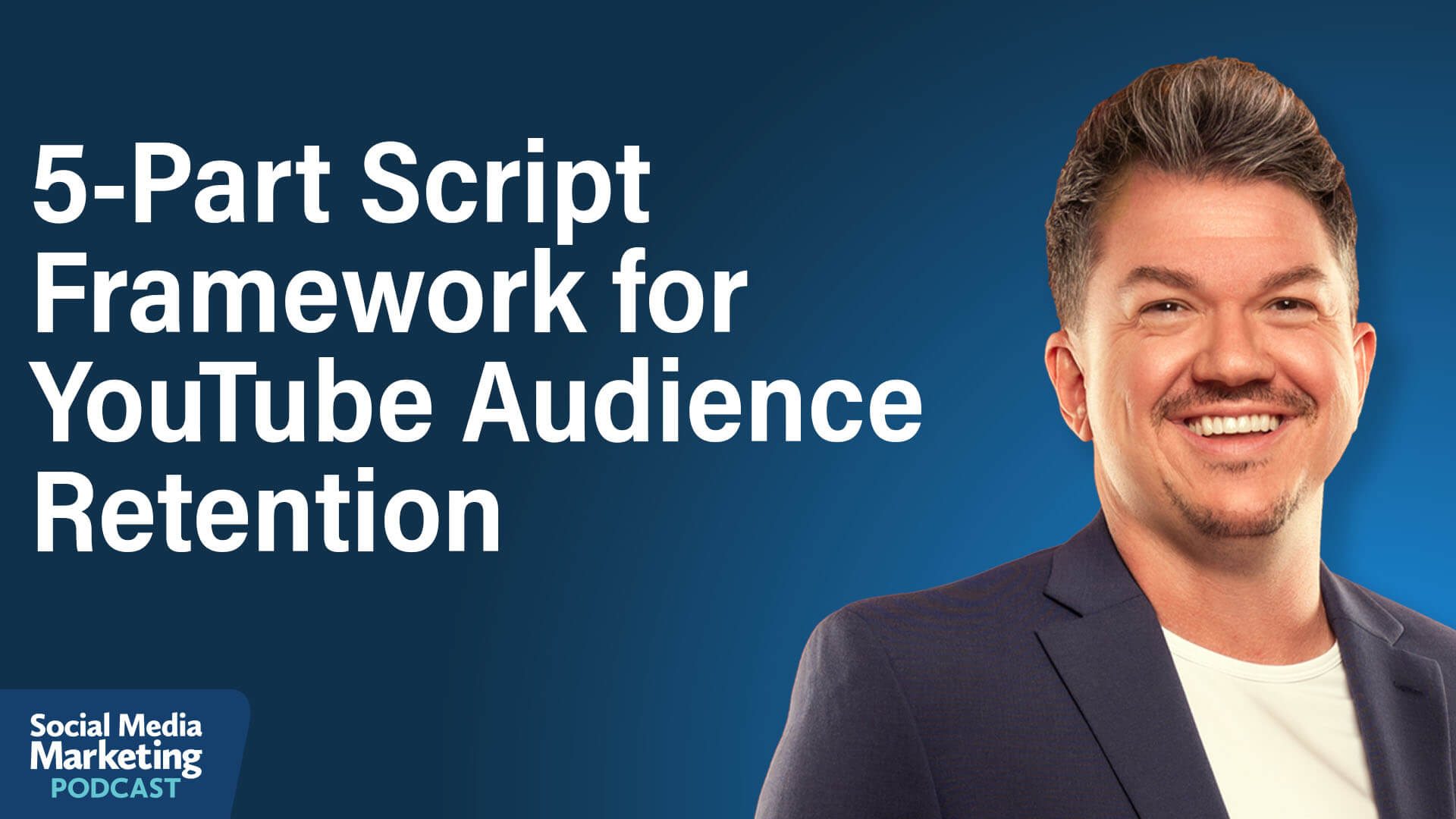
To operationalize the "Retain" phase of the ARC model, Ivy synthesized his platform insights into the BINGE method—a five-part scripting framework designed to structure long-form content, eliminate natural exit points, and maximize average view duration.
Supporting Data: Why the BINGE Framework Drives Algorithm Distribution
Average view duration—commonly known as retention—dictates how aggressively YouTube’s algorithm distributes content. When a video maintains high retention, the algorithm pushes it further into browse features, suggested video sidebars, and search results. This distribution compounds over time.
To illustrate the long-term compounding effects of high-retention content, Ivy points to his own primary channel. He officially retired the channel two years ago, yet over the 24-month period following his final upload, the catalog continued to generate substantial organic returns:
- Over 260,000 views accumulated strictly from legacy content.
- Approximately $1,500 in AdSense revenue generated passively.
- Consistent monthly inquiries for high-ticket programs and services that Ivy no longer actively offers.
This enduring performance proves that high-retention YouTube assets function as permanent, compounding business infrastructure rather than transient social media posts.
Official Methodology: The Five-Part BINGE Scripting Framework
The BINGE method is an acronym representing five distinct structural elements that must be engineered into every long-form video script.
1: Banger Hook & Build Intrigue (The "B" and "I")
The opening moments of a video must deliver a bombshell hook capable of producing a visceral emotional reaction—whether that emotion is happiness, grief, anger, fear, or the fear of missing out (FOMO). This hook must land within roughly eight seconds.
Crucially, effective hooks connect with the feeling behind a problem rather than just the logical facts of the problem. For example, rather than opening with a generic educational statement, a high-retention hook speaks directly to the viewer’s internal monologue: "So you maxed out a credit card on that fancy camera. You just spent six hours this week that you didn’t have doing a video that nobody’s watching. You did that last week and three weeks before that. And unfortunately, it’s your fault. You just don’t know it yet."
Following the hook, creators must build intrigue—acting as hook part two by teasing the transformation without giving away spoilers or instructional steps. Ivy utilizes the Yo-Yo Method (shifting pronouns through a "you, we, I, we, you" pattern) to seamlessly transition from the initial emotional shock to the core premise of the video.

2: Nudge Forward (The "N")
The greatest enemy of retention is a natural exit point. The "nudge forward" is a structural bridge placed between talking points where distraction would otherwise occur.
Ivy strongly advises against traditional numbered listicles and upfront roadmaps (e.g., "In this video, I’m going to show you step one, step two, and step three"). When creators outline every step at the beginning, viewers mentally connect the dots and click away.
Instead, creators should adopt the "useful, but incomplete" approach. Each section must deliver genuine, actionable value, but the transition into the next segment must signal that a critical piece of the puzzle is still missing. This rhythm mirrors dramatic screenwriting: opening and closing conceptual loops while alternating viewer emotions between dopamine (satisfaction) and cortisol (curiosity).
3: Generate Engagement (The "G")
Rather than relying on generic, interruptive prompts to "like, comment, and subscribe," high-retention channels engineer engagement through psychological triggers:
- The Report Back Technique: Asking viewers to check a specific metric in their own analytics and report back in the comments.
- The Public Proclamation Technique: Scripting a deliberate moment where the creator challenges viewers to make a public commitment in the comments (e.g., proclaiming that their channel will break free today). Leveraging social proof ("nothing attracts a crowd like a crowd") encourages widespread participation.
- The "By the Way, Anyway" Call to Action: Weaving lead magnet pitches naturally into the conversation without shifting into a polished sales voice. The pitch should feel like a casual recommendation between friends at a barbecue, ensuring viewers never feel subjected to a bait-and-switch.
4: End in Momentum (The "E")
Creators frequently sabotage their own watch time by signaling that a video is ending several minutes before the final frame. Warning an audience that "we’re about to wrap up" serves as an immediate invitation to exit.
The conclusion of a video must be rapid—executed in roughly seven seconds—flowing directly from the final talking point into endscreen directions. By utilizing generic, curiosity-driven teases for endscreen recommendations (e.g., "If you liked this video, you’ll love this one next"), creators lock in session duration and drive viewers deeper into the channel ecosystem.
Implications: Building a Scalable Content Ecosystem
Implementing the BINGE method shifts a creator’s focus from chasing algorithmic trends to building a predictable, trust-generating sales machine. When executed correctly, each individual talking point within a long-form script can be extracted as a stand-alone short-form clip without requiring additional editing.
Furthermore, advanced digital marketers can leverage complementary distribution tactics, such as unlisted video retargeting. By embedding unlisted YouTube tutorial or thank-you videos onto customer purchase confirmation pages, brands can establish an algorithmic connection with buyers. Even if viewed for only a few seconds, this connection ensures that the creator’s public content begins populating the customer’s YouTube homepage organically, serving as a powerful, non-paid retargeting mechanism.
Ultimately, mastering YouTube retention transforms long-form video from a branding experiment into the most formidable trust-building and lead-generation asset available in modern digital marketing.