By Global Technology & Security Desk Published: November 2024
Executive Summary: The Illusion of AI-Powered Safety
In an era where algorithms dictate everything from the news we consume to the romantic partners we pursue, the line between modern matchmaking and digital exploitation has blurred alarmingly. Earlier in October, a high-profile congressional investigation in the United States laid bare a disturbing reality: millions of users on premier dating platforms were routinely exposed to severe physical and financial risks due to stagnant, outdated artificial intelligence (AI) infrastructures.
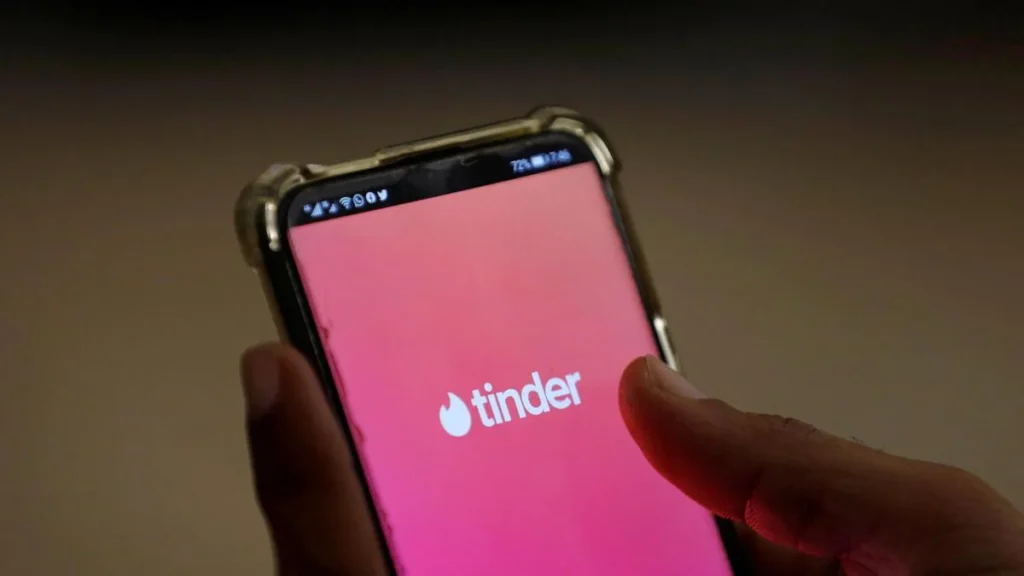
At the center of this legislative scrutiny is the Match Group—a global titan in the online dating industry—and its flagship applications, Tinder and Hinge. According to a damning congressional report titled “Outmatched: Tinder, Scammers, and Match Group’s Efforts to Catch Up,” users interacted with nearly 1.5 million fraudulent accounts across Tinder and Hinge within just the first nine months of 2025.
Internal documents secured during the investigation revealed a shocking institutional failing: the machine learning models responsible for intercepting bad actors had not been significantly updated in years. As accuracy rates plummeted, platforms fell back on ineffective safety measures. In some cases, the recommendation algorithms actively favored malicious accounts, prioritizing engagement metrics over user safety.
This comprehensive report delves into the anatomy of the congressional investigation, the mechanics of modern romance scams, the global implications for international markets—including India—and essential safety protocols for modern daters navigating an increasingly treacherous digital landscape.
1. Chronology of the Investigation: Uncovering "Outmatched"
The journey toward accountability began behind closed doors as U.S. lawmakers, spearheaded by a Senate committee led by Senator Maggie Hassan, initiated a deep-dive investigation into the safety protocols of major tech conglomerates.
Early 2024: Preliminary complaints and whistleblower alerts regarding escalating romance scams on mainstream dating apps prompted congressional inquiries. Lawmakers began requesting internal safety metrics, algorithmic documentation, and correspondence logs from major industry players, focusing heavily on the Match Group.
Mid-2024: Internal documents surrendered by the Match Group to the committee painted a bleak picture. As researchers and investigators pored over the data, they discovered a compounding crisis: as fraudulent traffic surged, the detection systems designed to intercept scammers were deteriorating in real-time.
October 2025: The Senate committee officially released its landmark report, “Outmatched: Tinder, Scammers, and Match Group’s Efforts to Catch Up.” The findings shocked digital rights advocates, revealing that users had encountered roughly 1.5 million scam profiles on Tinder and Hinge in under a year. The report directly pinned the vulnerability on an "outdated AI stack" that had failed to evolve alongside increasingly sophisticated cybercriminal tactics.
Late 2025 (Post-Report): Under intense public pressure and legislative scrutiny, Match Group began accelerating defensive iterations, deploying new AI-driven detection models designed specifically to isolate and neutralize bad actors across Tinder. However, critics argue that these remedial steps are long overdue.
2. Supporting Data and Technical Failures: The Anatomy of a Flawed Algorithm
To truly understand how 1.5 million scam interactions occurred within a nine-month window, one must examine the technical architecture underpinning modern dating applications.
The Stagnant AI Stack
Machine learning models are not "set-it-and-forget-it" utilities; they require constant training, feedback loops, and algorithmic updates to recognize evolving threats. According to the congressional report, the core machine learning models tasked with identifying bad actors on Tinder and Hinge had been left unpatched and unoptimized for years.
The Recommendation Paradox
Perhaps the most damning revelation from the internal Match Group documents was the mechanics of the recommendation engine itself. Official press releases summarizing the report noted:
"In fact, Match Group knew that Tinder was more likely to show a profile if it belonged to a scammer or other bad actor rather than a regular user."
Because scammers are incentivized to maintain high app engagement—sending endless messages, swiping continuously, and hyper-activating profiles—the legacy recommendation algorithms mistakenly interpreted this erratic, high-volume activity as high user "engagement." Consequently, the software actively promoted scammer profiles into the regular feeds of everyday, unsuspecting users.
Human Moderators Overwhelmed
The technological failures did not stop at automated detection. When fraudulent accounts did trigger manual reviews, human moderators were buried under insurmountable workloads. The report criticized the platform’s inconsistent AI strategy, which created a bottleneck of "overwhelmed" human moderators.
Because the preliminary AI failed to filter out high-risk profiles effectively, human safety teams spent valuable hours reviewing accounts that should have been instantly neutralized by automated systems. Consequently, bad actors who reached moderation were rarely banned immediately; instead, they were permitted to continue interacting with and victimizing legitimate users while platforms sluggishly gathered additional manual evidence.
3. The Human Toll: Anatomy of Modern Romance Scams
Behind the technical jargon and algorithmic failures lie devastating real-world consequences. The congressional report integrated harrowing testimonials from victims who suffered profound psychological and financial ruin.
The Emergency Ploy
A ubiquitous tactic deployed by romance scammers involves manufacturing fabricated, high-stress crises. After weeks or months of cultivating simulated emotional intimacy, the bad actor creates a sudden emergency—such as an urgent medical bill, legal trouble abroad, or travel mishaps—and pressures the victim into wiring funds.
Coercion and Extortion
The danger rarely ends when the financial transfer is complete. Scammers routinely harvest phone numbers, email addresses, and private social media handles during early conversations. Armed with this personal data, they launch targeted harassment campaigns, threatening to expose private communications or images to the victim’s family, friends, or employers unless subsequent payments are made to "de-escalate" the aggression.
Multi-Account Duplication
Another prevalent exploit involves malicious users operating multiple profiles concurrently under different identities within the same app. By diversifying their online personas, a single scammer can cast a wider net, ensnaring numerous victims simultaneously while evading rudimentary duplicate-detection filters.
4. Official Responses and Industry Accountability
The release of the Outmatched report triggered immediate defensive postures and subsequent policy realignments from the tech sector.
Match Group’s Defense and Remediation: Representatives for the Match Group emphasized their ongoing commitment to user safety, pointing to newly implemented safety features. Throughout 2025, the company began rolling out advanced, next-generation AI models specifically engineered to detect scam rings and synthetic profiles on Tinder. Executives maintained that platform safety is an evolutionary arms race against increasingly sophisticated global cybercriminal syndicates.
Legislative Demands: Senator Maggie Hassan and her committee colleagues have called for rigid regulatory oversight, demanding that tech platforms be held legally accountable for failing to maintain baseline algorithmic hygiene. Lawmakers argue that self-regulation has failed consumers and that independent audits of dating app AI stacks should become a mandatory statutory requirement.
5. Global Implications: What This Means for International Users
While the congressional investigation centered primarily on U.S. domestic users, the implications of these technological shortcomings ripple across the globe—most notably in high-growth international markets like India.
The Match Group Ecosystem
Match Group operates a vast portfolio of dating applications that cater to diverse cultures, languages, and geographic regions. This family of apps includes:
Tinder
Hinge
Match (formerly Match.com)
Plenty of Fish
OkCupid (among others)
Because these platforms often share underlying technical infrastructure, data pipelines, and security philosophies, a foundational security lapse or an outdated AI stack in one core application signals systemic vulnerabilities across the entire corporate portfolio.
The Indian Market Context
In India, applications like Tinder and Hinge command massive market shares, consistently ranking at the top of download charts across urban centers. Millions of young Indian professionals and students turn to these platforms in search of companionship, relying heavily on marketing claims that tout "AI-powered matchmaking" and smart verification badges.
However, as the U.S. committee report starkly demonstrates, cutting-edge marketing slogans do not guarantee cutting-edge security. Indian users—who often face unique cultural stigmas regarding online dating—are uniquely vulnerable to financial extortion and harassment if bad actors exploit the same algorithmic blind spots identified in the U.S. investigation. Regulators in developing digital economies must take note, demanding greater transparency and accountability from multinational tech firms operating within their borders.
6. Proactive Defense: How Users Can Protect Themselves
While lawmakers and regulators push for systemic corporate accountability, individual dating app users must remain vigilant. Cybersecurity experts and consumer advocates recommend the following best practices to mitigate risk:
Platform Due Diligence
Before creating an account, research the platform’s data privacy policies, historical security breaches, and community guidelines. Ensure you understand how your personal information is processed, stored, and shared.
Recognize the Red Flags
Instant Intimacy: Be deeply suspicious of matches who profess intense emotional attachment, love, or romantic devotion within days—or even hours—of initial contact.
Early Financial Talk: Any pivot toward discussions of money, investments, cryptocurrency, or sudden financial emergencies is a definitive warning sign of a romance scam.
Rapid Migration: Scammers invariably push users to abandon the dating app’s secure in-app messaging system early on, demanding to chat via WhatsApp, Telegram, or SMS under the guise of "convenience." This maneuver allows them to harvest your direct phone number and bypass platform safety monitoring.
Protect Personal Information
Never share sensitive personal data—such as your private phone number, personal email ID, home address, employer details, or social media handles—until you have met the individual in person in a public space and feel entirely secure.
Prompt Reporting and Blocking
If a profile displays suspicious behavior, exhibits AI-generated artifacts in photos or videos, or attempts fraudulent activity, report the account immediately through the app’s internal safety channels and cease all communication. Do not attempt to investigate, confront, or negotiate with suspected bad actors on your own.
Conclusion
The revelations brought to light by U.S. lawmakers serve as a sobering wake-up call for the entire digital matchmaking industry. Dating apps have transformed from niche digital novelties into foundational societal infrastructure. With that transformation comes an unyielding ethical and legal obligation to safeguard the millions of everyday users who entrust these platforms with their hearts, their data, and their safety. Until robust, continuously updated AI defenses become the non-negotiable industry standard, the onus remains on both regulators to enforce accountability and users to navigate the digital dating landscape with profound caution.