The Powerhouse Arrives: Vivo Y600 Redefines Endurance with Record-Breaking 10,000mAh Battery
The smartphone industry has long been locked in a race toward slim profiles and aesthetic minimalism, often at the expense of one critical user demand: battery longevity. Today, Vivo has shattered that trend by officially unveiling the Vivo Y600 in China, a device that prioritizes raw endurance above all else. Featuring a staggering 10,000mAh battery, the Y600 is not merely a smartphone; it is a statement piece for power users, field professionals, and anyone tired of tethering themselves to a wall outlet.
As of this week, the device is officially available for pre-order in the Chinese market, with open retail sales scheduled to commence on October 30. By integrating a power cell nearly double the capacity of contemporary flagships, Vivo has successfully secured a Guinness World Record for battery endurance, setting a new industry benchmark that may force competitors to rethink their power management strategies.
Main Facts: A Technical Overview
At the core of the Vivo Y600 experience is the massive 10,000mAh battery. To put this into perspective, most high-end smartphones currently on the market rely on 4,500mAh to 5,500mAh cells. By doubling this capacity, Vivo has essentially eliminated "range anxiety" for the average user.
To ensure this massive battery doesn’t result in impractical charging times, the Y600 features 44W wired fast charging. While not the fastest in the current market, it is a balanced choice that prevents excessive heat buildup, which is crucial when dealing with such a large energy density. Furthermore, the device supports reverse wired charging, allowing the Y600 to double as a power bank for other accessories, such as wireless earbuds or secondary phones—a feature that cements its status as a utility-first device.
Beyond the power system, the device is no slouch in the performance department. It features a sprawling 6.83-inch AMOLED display with a fluid 120Hz refresh rate, ensuring that the visual experience is as premium as the battery life is long. Under the hood, the handset is powered by the MediaTek Dimensity 7300e chipset, a balanced processor that offers efficient power consumption without sacrificing multitasking capabilities.
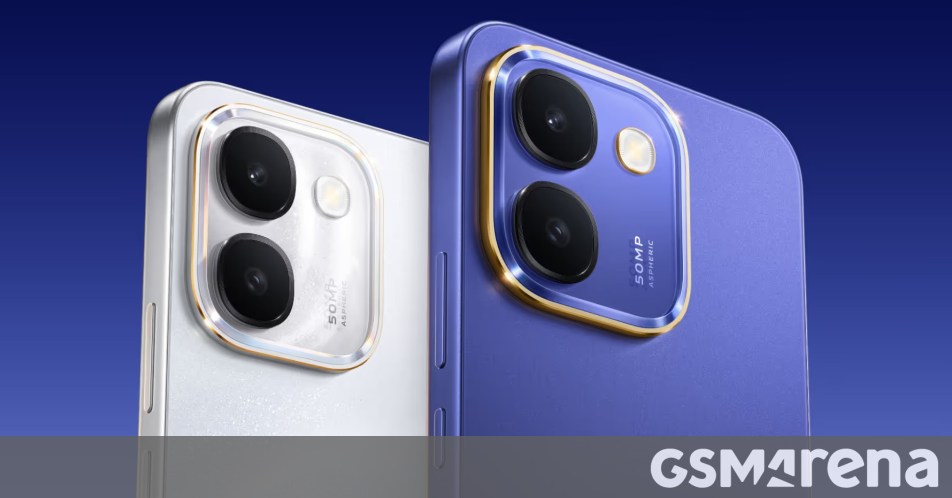
Photography needs are met by a 50MP primary rear sensor, supplemented by an 8MP selfie camera. While these specifications position the device firmly in the mid-range category, they are more than adequate for the demographic interested in the device’s primary selling point: raw, unadulterated uptime. Rounding out the feature set are modern necessities such as an under-display fingerprint scanner, NFC support, and an impressive IP68 rating, ensuring the device is protected against dust and water immersion.
Chronology: From Concept to Guinness Record
The journey of the Vivo Y600 began with subtle industry leaks, which gained traction early this month. Rumors of a "high-capacity" Vivo handset began circulating in tech circles, leading to an official teaser campaign that promised a breakthrough in battery performance.
- Early October: Vivo begins teasing a new "Endurance King" device, sparking speculation about a potential 10,000mAh battery.
- Mid-October: Official confirmation arrives, with the brand announcing the device’s upcoming debut.
- The Guinness Trial: Before the public launch, the Y600 was subjected to a rigorous Guinness World Record test. The device was tasked with a continuous livestream, a grueling process that keeps the display active, the processor engaged, and the network radio under constant load.
- The Record: The Y600 survived for an astonishing 32 hours and 37 minutes of continuous streaming. This performance served as the official proof-of-concept for the device’s market positioning.
- Pre-order Launch: Following the success of the tests, pre-orders opened on the official Vivo China website, with the retail release date set for October 30.
Supporting Data: Why the Y600 Matters
The success of the Y600 is backed by both its hardware specifications and its strategic pricing. In a market where consumers are increasingly wary of planned obsolescence, a device that promises double the battery life of a standard phone represents significant value.
Pricing Structure (CNY/USD Equivalent)
The pricing strategy is tiered to accommodate a wide range of users, from budget-conscious buyers to power users requiring more storage:
- 6GB/128GB: CNY 1,999 (~$280)
- 8GB/128GB: CNY 2,099 (~$295)
- 6GB/256GB: CNY 2,199 (~$310)
- 8GB/256GB: CNY 2,499 (~$350)
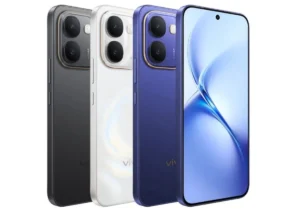
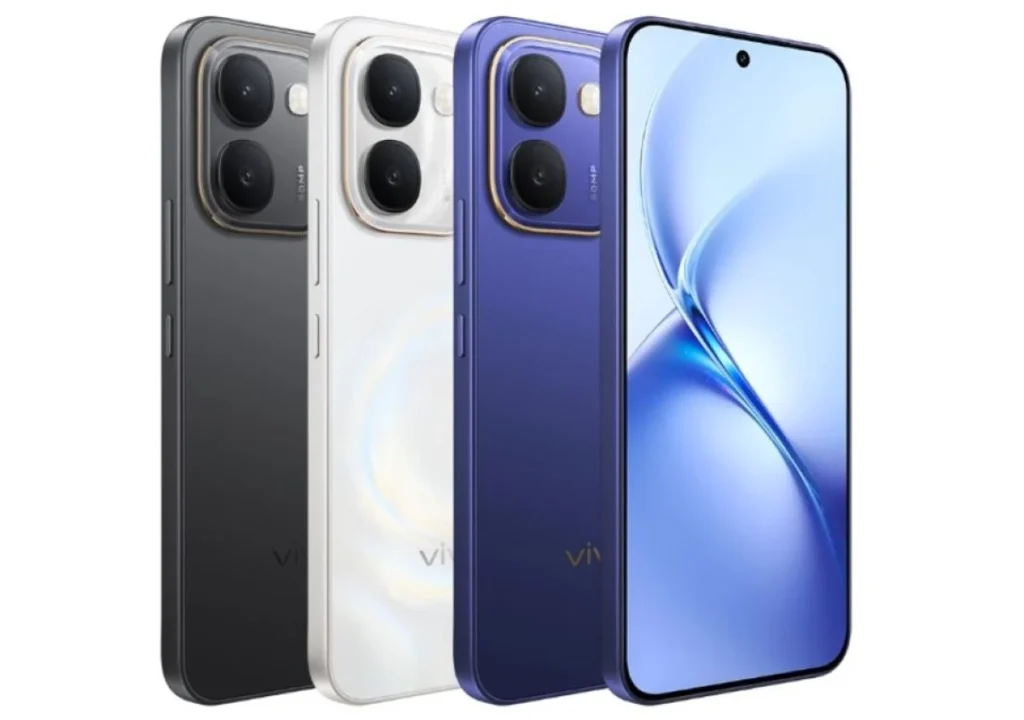
The availability of three distinct color options—Diamond Gold, Obsidian Black, and Sapphire Blue—ensures that the device retains a sleek, professional look despite its internal bulk.
It is important to note the historical context of this device. Industry analysts have confirmed that the Vivo Y600 is essentially a rebranded version of the Vivo S2 FE or V80 Lite, tailored specifically for the Chinese domestic market. By repurposing this chassis and integrating the high-capacity battery, Vivo has effectively extended the lifecycle of an existing design while catering to a very specific, underserved market niche.
Official Responses and Industry Reception
While Vivo has not issued an exhaustive statement beyond their marketing materials, the company’s representatives have emphasized that the Y600 is a response to the "modern lifestyle of mobile-first users." The focus on IP68 certification alongside the massive battery indicates that Vivo is targeting outdoor enthusiasts, delivery workers, and travelers who cannot afford to have their primary device die during a long day of work or navigation.
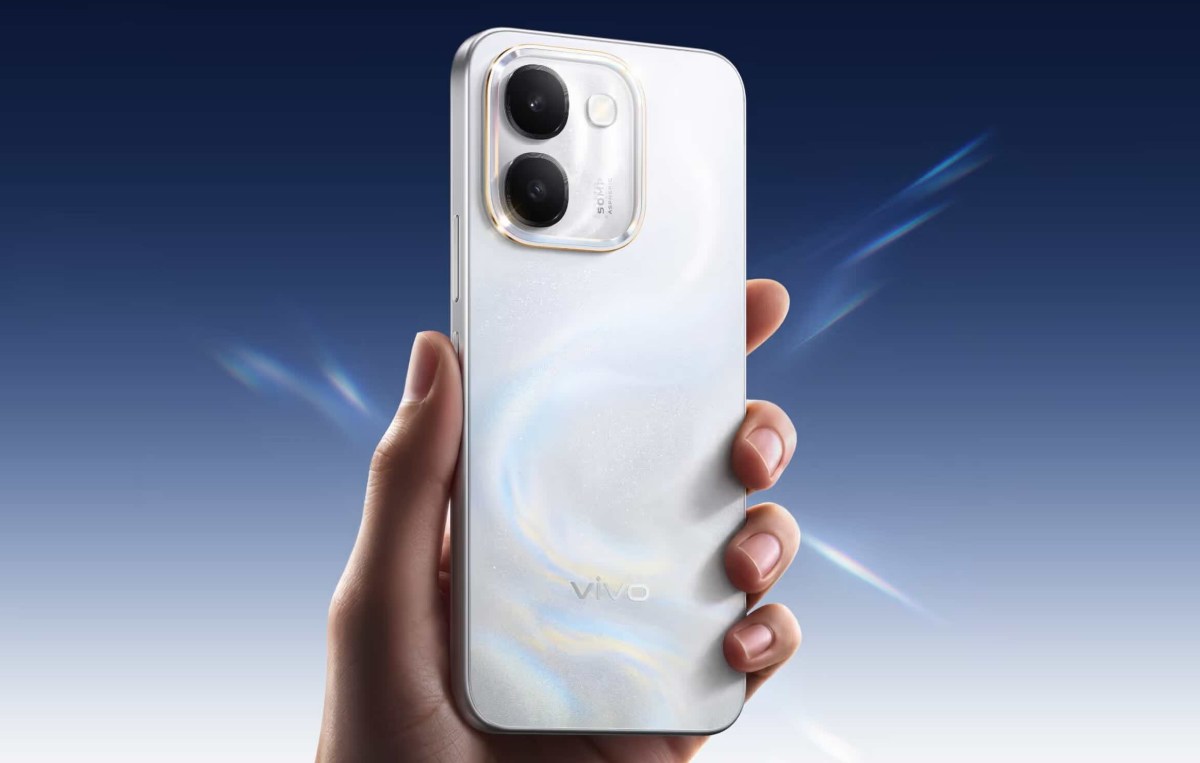
The reaction from the tech community has been largely positive. While some critics argue that the device is thicker than the industry average—an inevitable trade-off for the 10,000mAh cell—the consensus is that this is a trade-off many users are more than willing to make. The fact that the device includes a 120Hz AMOLED panel shows that Vivo has successfully avoided the trap of pairing a large battery with low-end, outdated display technology, which was a common compromise in earlier "battery-centric" smartphones.
Implications: A Shift in the Smartphone Market?
The launch of the Vivo Y600 has significant implications for the wider smartphone landscape. For years, the industry has operated under the assumption that "thinner is better." However, the Y600 suggests that the pendulum may be swinging back toward utility.
If the Y600 proves to be a commercial success in China, it is highly likely that competitors will follow suit. We may see a new sub-category of "Endurance Flagships" emerge, where the thickness of a device is no longer viewed as a flaw, but as a feature. This shift would be a welcome change for many users who have found themselves increasingly dependent on bulky, external power banks. By integrating the power source directly into the device, Vivo has improved the user experience, reduced the need for external accessories, and simplified the charging ecosystem for the end-user.
Furthermore, the integration of the Dimensity 7300e chipset demonstrates that high-end performance can be reconciled with extreme battery efficiency. As AI tasks become more prominent on mobile devices, the demand for power will only grow. The Y600 provides the necessary headroom for these intensive tasks, ensuring that even as software becomes more demanding, the hardware remains capable of delivering consistent, all-day (and all-night) performance.
Conclusion
The Vivo Y600 is more than just a rebranded handset; it is a pragmatic solution to one of the most persistent issues in mobile technology. By securing a Guinness World Record, Vivo has provided objective proof that the device is capable of handling the most demanding usage scenarios with ease. With its competitive pricing, premium display, and unmatched battery capacity, the Y600 stands as a formidable contender in the Chinese market and a clear indicator of where the future of smartphone design might be heading. As October 30 approaches, all eyes will be on the sales figures to see if the market truly favors the power-efficient over the ultra-thin.