In the fast-paced world of mobile technology, few product launches carry the weight and anticipation of a first-generation Apple foldable. The debut of the iPhone Duo was meant to signal Apple’s entry into a new era of smartphone design, bridging the gap between the compact portability of a traditional handset and the expansive utility of a tablet. However, the honeymoon period for early adopters has been marred by reports of catastrophic display failures.
After days of mounting speculation and viral social media posts detailing cracked inner screens, Apple has officially broken its silence. While the company maintains that the issue is isolated, the incident has sparked a broader conversation regarding the fragility of foldable technology and the high stakes of Apple’s latest hardware gamble.
The Core Issue: What is Happening to the iPhone Duo?
The reports began to surface shortly after the device’s retail release. Users took to platforms like Reddit, X (formerly Twitter), and specialized hardware forums to share harrowing accounts of their brand-new, high-end smartphones failing during standard use.
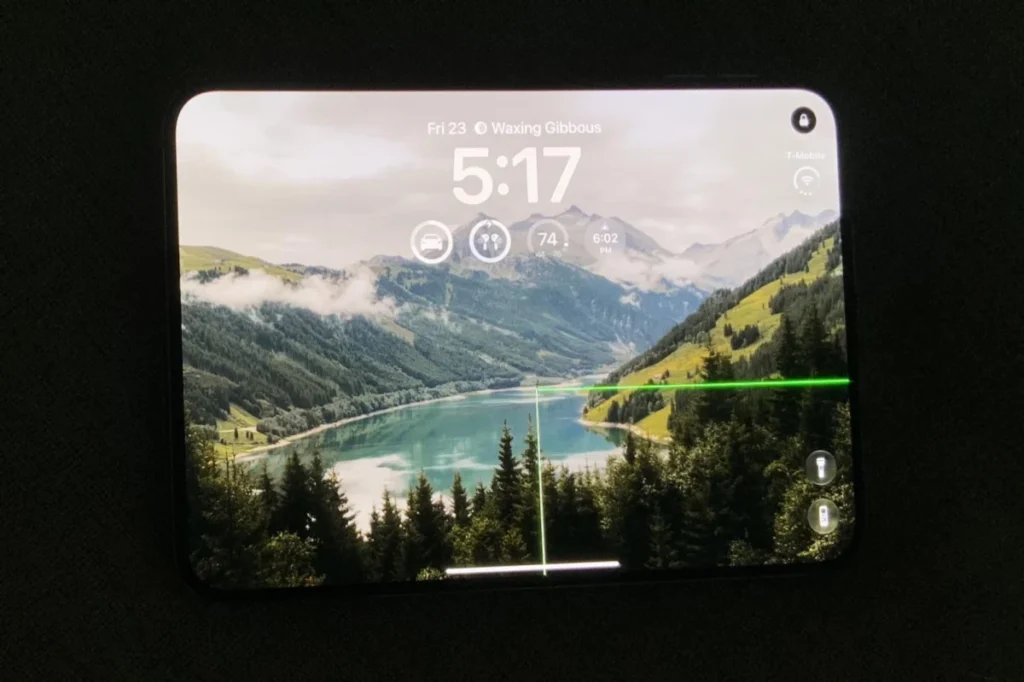
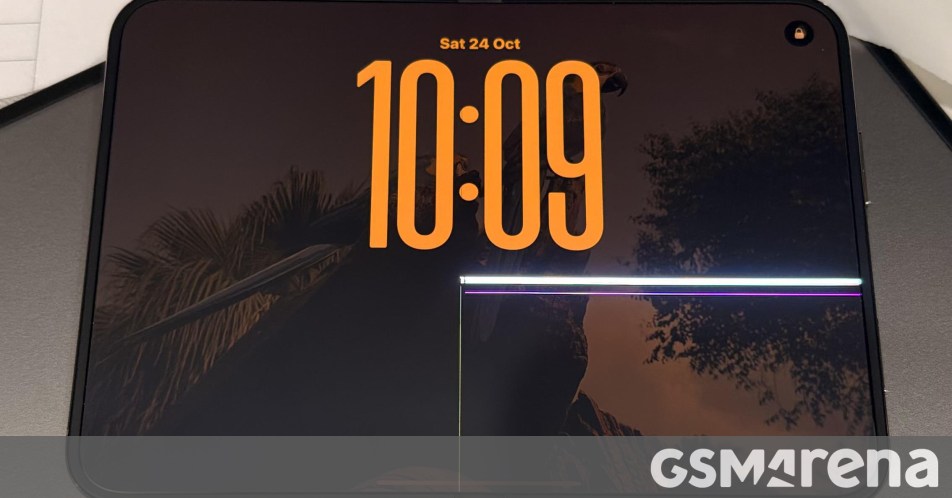
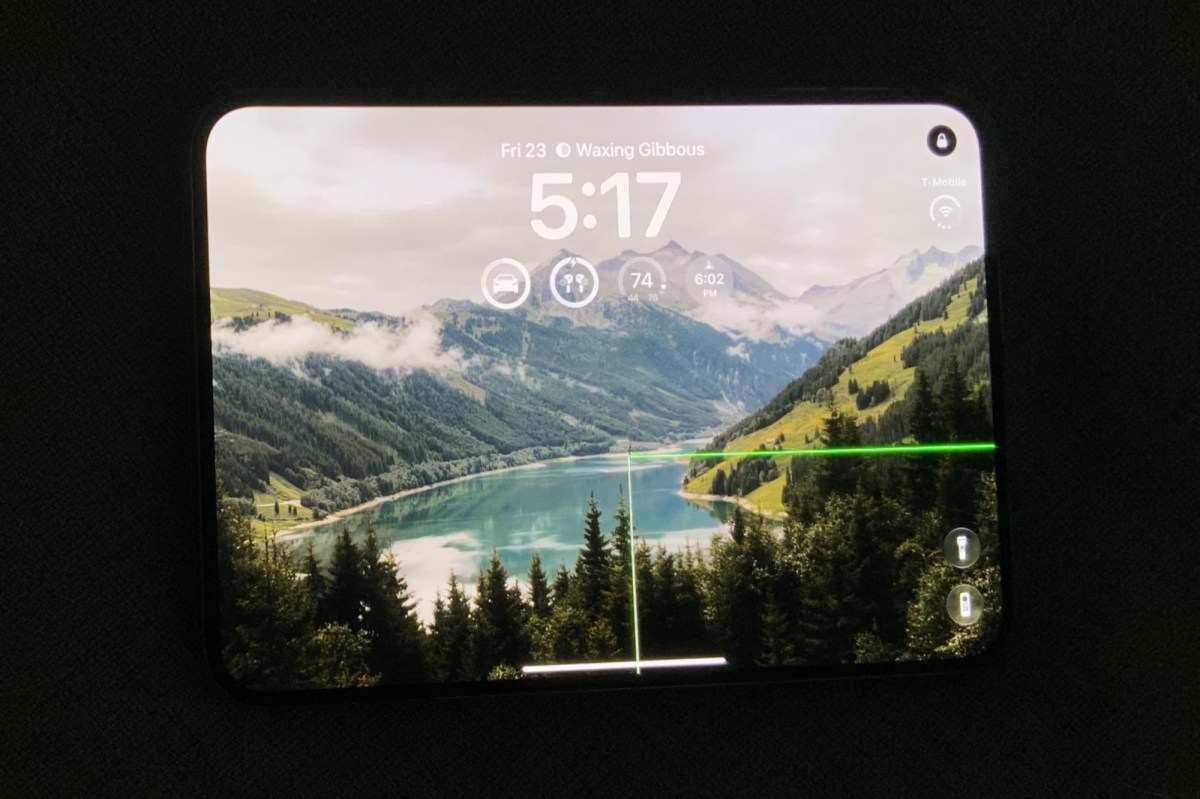
The primary complaint involves the "inner display"—the flexible, high-resolution OLED screen that unfolds to reveal a tablet-sized interface. According to user reports, the failure often begins with a subtle, tactile warning: a feeling of resistance when opening the device. This resistance is followed by a distinct "popping" sound emanating from the hinge mechanism, which is immediately succeeded by a visible fracture or a line of dead pixels running down the center of the screen.
For a device carrying a premium price tag starting well above the $2,000 mark, such hardware failures are not merely inconvenient—they are unacceptable. The nature of the damage suggests a potential design flaw in the hinge’s torque or the tension applied to the flexible display panel during the unfolding process. When the hinge fails to distribute pressure evenly, the display, which is engineered to be flexible but remains delicate, experiences stress that it cannot withstand, leading to the cracking reported by early buyers.
A Chronology of the Crisis
The unfolding situation surrounding the iPhone Duo can be categorized into four distinct phases:
1. The Launch Euphoria (Early October)
The iPhone Duo arrived with massive marketing fanfare. Early reviews praised the build quality and the seamless integration of iOS with the foldable form factor. Developers scrambled to optimize apps, and the device was heralded as a "masterclass" in engineering.
2. The First Rumblings (Mid-October)
Within two weeks of general availability, the first isolated reports appeared. Initially dismissed as potential user error or isolated shipping damage, the frequency of these complaints began to accelerate. Dedicated threads on enthusiast forums saw multiple users describing identical "pop-and-crack" scenarios.
3. Media Investigation (Late October)
Tech outlets began collating these anecdotal reports, drawing parallels between the user experiences. It became clear that this was not a localized phenomenon limited to a single geographic region or batch of units, but a recurring issue stemming from the mechanical operation of the hinge.
4. The Official Response (October 26)
Following intense pressure from the tech community and media inquiries, Apple issued an official statement. While the company did not detail the mechanical root cause, it acknowledged the issue, classified it as affecting a "small number of units," and directed affected users to the AppleCare support channel for immediate hardware replacements.
Analyzing the Official Response
In a statement provided to 9to5Mac, Apple struck a delicate balance between acknowledging the technical failure and protecting the brand’s reputation.
"The response to iPhone Duo from early users has been incredibly positive, and we are seeing exciting things from developers who are rapidly updating their apps to take advantage of its unique form factor. We are aware of an issue impacting the inner display on a small number of iPhone Duo units. If users experience issues with their iPhone Duo display, they should contact AppleCare for a replacement."
Deconstructing the Statement
The "Small Number" Defense: By framing the issue as affecting a "small number" of units, Apple is employing a standard corporate strategy to mitigate panic. In the context of global manufacturing, even a 0.5% failure rate can represent thousands of devices, which is significant for a premium flagship.
Absence of Root Cause: Notably, Apple’s statement avoids technical jargon. There is no mention of hinge calibration, screen durability, or manufacturing tolerances. By omitting the "why," Apple avoids creating a public record of a specific engineering failure, which could be used in future warranty claims or class-action litigation.
The AppleCare Path: The directive to contact AppleCare is both a solution and a containment strategy. It ensures that the damaged units are funneled back to Apple’s engineering teams for forensic analysis, allowing the company to quietly iterate on the manufacturing process for future batches without a public recall.
The Fragility of Foldables: Industry Context
The iPhone Duo’s troubles are not unique in the nascent foldable market. Competitors have struggled with similar challenges for years. Samsung, the pioneer of the foldable segment, faced significant backlash with the original Galaxy Fold, which suffered from debris entering the hinge and damaging the screen from beneath.
The physics of a foldable device are inherently challenging. Unlike a rigid slab of glass, a foldable display must withstand hundreds of thousands of "fold cycles." The hinge is the "beating heart" of the device; it must be stiff enough to hold the screen in various positions (Flex mode) yet fluid enough to allow for a seamless transition between states.
If the hinge mechanism exerts even a micron of uneven pressure, the flexible OLED panel—which is sensitive to pressure points—will crack. This is the "Achilles’ Heel" of the current generation of foldable technology. Apple’s attempt to enter this market required a delicate balance between the company’s signature aesthetic and the rigorous mechanical requirements of a folding chassis.
Implications for Future Apple Hardware
The current crisis presents several long-term implications for Apple:
1. Reputation Management
Apple’s brand is built on the promise of "it just works." When a flagship product fails under normal usage, it creates a cognitive dissonance for the consumer base. Apple will need to ensure that the replacement process is frictionless. If users face wait times for replacements or bureaucratic hurdles, the brand damage will compound.
2. Design Iterations
It is highly probable that Apple’s engineering team is currently running accelerated stress tests on the hinge design. We can expect "silent" revisions to the hardware in subsequent manufacturing runs. Future batches of the iPhone Duo will likely feature reinforced hinge housing or a slightly modified display adhesive to alleviate the pressure reported by current users.
3. Future Foldable Roadmap
Does this failure derail Apple’s foldable ambitions? Unlikely. Apple rarely abandons a product category after a single setback. Instead, it typically doubles down on research and development. The iPhone Duo will likely be remembered as a "Version 1.0" product—a necessary, albeit painful, step in the company’s evolution toward perfected foldable technology.
Guidance for Affected Users
If you are an iPhone Duo owner, the best course of action remains clear: proactive engagement with official channels.
Do not attempt DIY repairs: The display and hinge are highly complex, integrated systems. Any unauthorized tampering will void your warranty and likely cause further, irreparable damage.
Document the failure: Before contacting Apple, take clear, well-lit photos or videos of the crack and the hinge area. If possible, record a video of the screen’s state. This documentation can be crucial for your support claim.
Use official support channels: Visit the Apple Support website or use the Apple Support app to initiate a case. Be clear that the damage occurred during standard, intended use.
Leverage AppleCare+: If you have opted for AppleCare+, the replacement process is generally more expedited. Even without extended coverage, the widespread nature of these reports makes a strong case for a warranty-covered replacement under consumer protection laws.
Conclusion: A Learning Moment for Cupertino
The iPhone Duo was designed to be the pinnacle of modern smartphone engineering, a testament to what is possible when software and hardware align. While the current reports of screen cracking are a significant blow to the device’s initial launch, they are also a reminder of the extreme difficulty inherent in designing a foldable device.
For the average user, the takeaway is one of cautious optimism. Apple has acknowledged the issue and established a path to resolution. For the tech industry, the lesson is clear: the transition to foldable displays is a journey, not a destination. As the dust settles, the focus will shift from the failures of these early units to how effectively Apple iterates, learns, and restores the confidence of its most loyal customers.
The iPhone Duo is a bold experiment—and like all bold experiments, it is prone to the occasional structural collapse. Whether this serves as a minor hiccup or a defining moment for Apple’s mobile strategy will depend entirely on how they handle the next several months of support and engineering refinements.