Beyond the Cushion: How BUILT is Redefining Indian Footwear with a $2 Mn Bet on ‘Natural Movement’
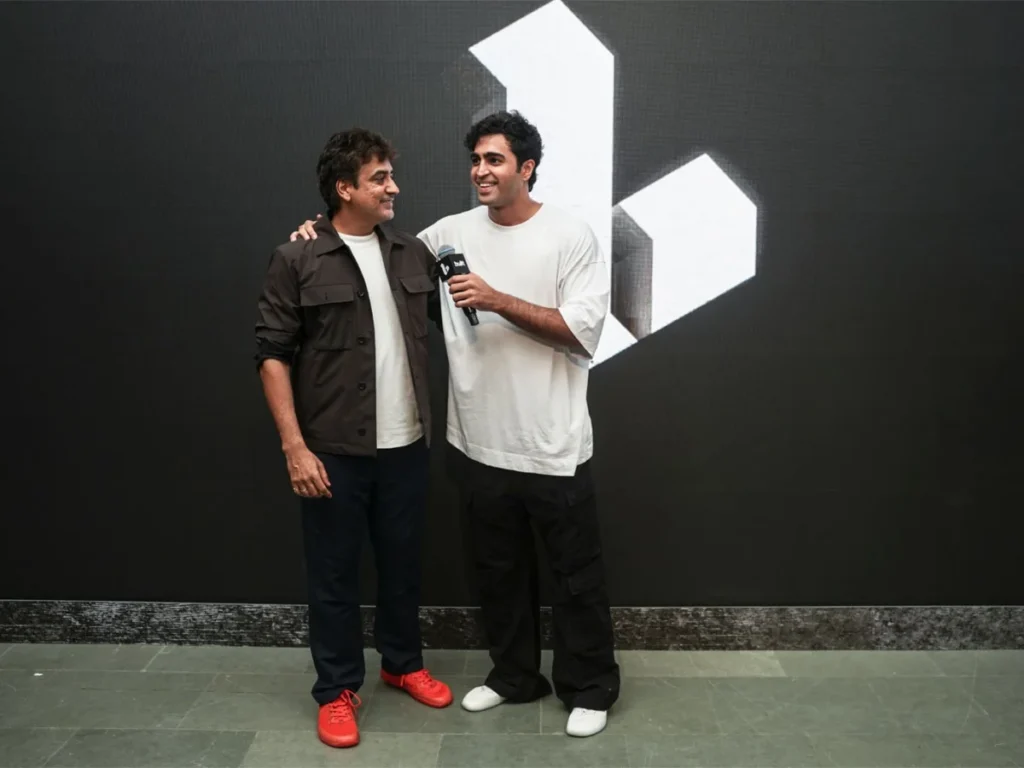
In a market long dominated by global giants like Nike, Adidas, and Puma—brands that have spent decades championing high-cushioning, foam-heavy footwear—a new challenger has emerged in India with a radically different philosophy. BUILT, a nascent direct-to-consumer (D2C) footwear startup, has announced the closure of a $2 million (approximately ₹17 Cr) pre-seed funding round led by Singapore-based venture capital firm Tanglin Venture Partners.
This infusion of capital marks a significant turning point for the "natural movement" footwear category in India, a segment that has hitherto been relegated to the fringes of the fitness community. By aiming to bridge the gap between niche barefoot-inspired design and mainstream performance aesthetics, BUILT is positioning itself to disrupt the traditional sneaker industry by advocating for foot health over synthetic comfort.
The Core Proposition: What is ‘Natural Movement’?
At the heart of BUILT’s business model is a departure from the "maximalist" trend of modern sneakers. Founded earlier this year by Vedant Lamba and Vijayant Dhaka, the startup centers its products around the biomechanical principles of natural movement. This includes the integration of wider toe boxes, minimal heel-to-toe drop, and increased sole flexibility.
The founders argue that mainstream sneakers, while aesthetically pleasing, often restrict the natural range of motion of the human foot, leading to long-term dependency on thick cushioning. By stripping away these artificial constraints, BUILT aims to encourage the foot to function as it was evolutionarily designed to do.
"We don’t want to become the number one preference of barefoot enthusiasts; we want to become the number one preference of fitness enthusiasts," says co-founder Vedant Lamba. This distinction is crucial. While brands like Vivobarefoot or Xero Shoes have built global cult followings among mobility purists, BUILT is aiming for the mass-premium fitness market—the individual who frequents the gym, plays court sports, or seeks an active lifestyle but is dissatisfied with the foot fatigue caused by conventional sneakers.
Chronology of a Disruption
The journey for BUILT has been one of rapid iteration and strategic positioning.
- Q1 2024: Founding of the company by Vedant Lamba and Vijayant Dhaka. The pair identified a gap in the Indian market: while western markets were seeing a surge in "barefoot" interest, the Indian consumer was underserved by brands that combined this functionality with high-end, modern design.
- Q2 2024: Development of the flagship silhouette and the court shoe. Unlike competitors who rely on white-label factory molds, BUILT invested heavily in proprietary tooling—a move that significantly increased upfront capital expenditure but ensured brand differentiation.
- Q3 2024: Soft launch of the D2C platform. The startup focused on a controlled rollout to test the product-market fit.
- July 2026 (Current Milestone): Closure of the $2 million pre-seed round with Tanglin Venture Partners. The startup shifts focus toward scaling manufacturing capabilities and inventory expansion.
Financial Strategy and Proprietary Engineering
The $2 million capital injection is earmarked for several critical areas of growth. Unlike many D2C brands that prioritize marketing spend, BUILT is adopting a product-first approach.
Investing in Proprietary Tooling
One of the most significant barriers to entry in the footwear industry is the cost and complexity of manufacturing. Most new brands leverage existing, "off-the-shelf" molds from contract manufacturers to reduce costs. BUILT, however, has chosen the harder path. By developing custom molds, the company maintains total control over the anatomy of the shoe, ensuring that the wider toe box and flexible outsole are engineered to precise specifications.
The Supply Chain Equation
BUILT utilizes a hybrid supply chain model. While the technical, high-performance materials are sourced from specialized suppliers in China, the final manufacturing takes place in India. This strategy allows the company to tap into global material innovation while leveraging the domestic manufacturing ecosystem to maintain agility and manage costs.
Inventory and Scaling
With nine SKUs already in the market—spanning its flagship movement shoe and a court-specific variant—the startup is now preparing to expand its portfolio. Later this week, BUILT will launch roughly 20 new apparel and accessories SKUs, signaling an intent to build a holistic "activewear" ecosystem rather than just a shoe brand.

The Strategic Pivot: Why D2C?
In an era where many Indian D2C brands are rushing to list on marketplaces like Myntra, Ajio, or Amazon to chase volume, BUILT is taking a contrarian stance. The company currently sells exclusively through its own website.
The founders argue that the "natural movement" concept requires significant consumer education. By owning the customer experience, BUILT can provide the educational content, sizing guidance, and brand storytelling necessary to convince a customer to switch from traditional cushioned shoes to their alternative.
"Owning the customer experience is central to our brand philosophy," Lamba noted. While the startup is evaluating future offline retail opportunities—including a flagship experience store in Mumbai—they remain committed to the direct-to-consumer model in the near term. Before committing to a permanent brick-and-mortar footprint, the brand plans to utilize pop-up stores and temporary installations in key metros like Delhi, Bengaluru, and Hyderabad to build local communities.
Market Implications: A New Era for Indian Footwear
The success of BUILT’s funding round highlights a broader shift in investor sentiment toward niche consumer brands. Venture capital firms are increasingly moving away from generalist D2C brands that lack a "moat," favoring instead companies that build around specific, differentiated product categories.
The Competitive Landscape
BUILT is entering a market that is simultaneously crowded and empty. It faces off against:
- Global Titans: Nike, Adidas, Puma, and Asics command the bulk of the market share. These giants are difficult to displace due to their massive marketing budgets and retail distribution networks.
- Domestic Streetwear Brands: Startups like Comet, Gully Labs, and CHK have successfully captured the youth market by focusing on aesthetics, urban culture, and storytelling.
- Niche Barefoot Players: Brands such as State of Joy, Rara Barefoot, and Zen Barefoot are already operating in the natural movement space, but they largely cater to a pre-existing audience of barefoot enthusiasts.
BUILT’s "Blue Ocean" strategy lies in the middle: taking the biomechanical benefits of the niche players and packaging them with the aesthetic appeal and performance functionality of the mainstream giants.
Looking Ahead: Growth and Globalization
The roadmap for BUILT is ambitious. Beyond the immediate task of scaling its domestic activewear portfolio, the company is looking at the long-term potential of international expansion.
The rationale is clear: if the brand can master the complex manufacturing and consumer education required to sell "natural movement" footwear in the Indian market, it will have developed the operational resilience to compete in more mature markets globally.
However, the road ahead is not without its challenges. The biggest hurdle remains the psychological shift required by the average consumer. For decades, the industry has equated "comfort" with "squishy foam." Retraining the consumer to equate "comfort" with "natural function" and "foot strength" will be the company’s greatest marketing challenge.
As Tanglin Venture Partners places its bet on this transition, the broader retail industry will be watching closely. If BUILT succeeds, it won’t just be a win for the company—it will signal a fundamental change in the footwear preferences of the Indian consumer, potentially forcing the global giants to rethink their own design philosophies in one of the world’s fastest-growing markets.