The Monetization of Authority: Navigating the Ethics of Modern Product Roundups
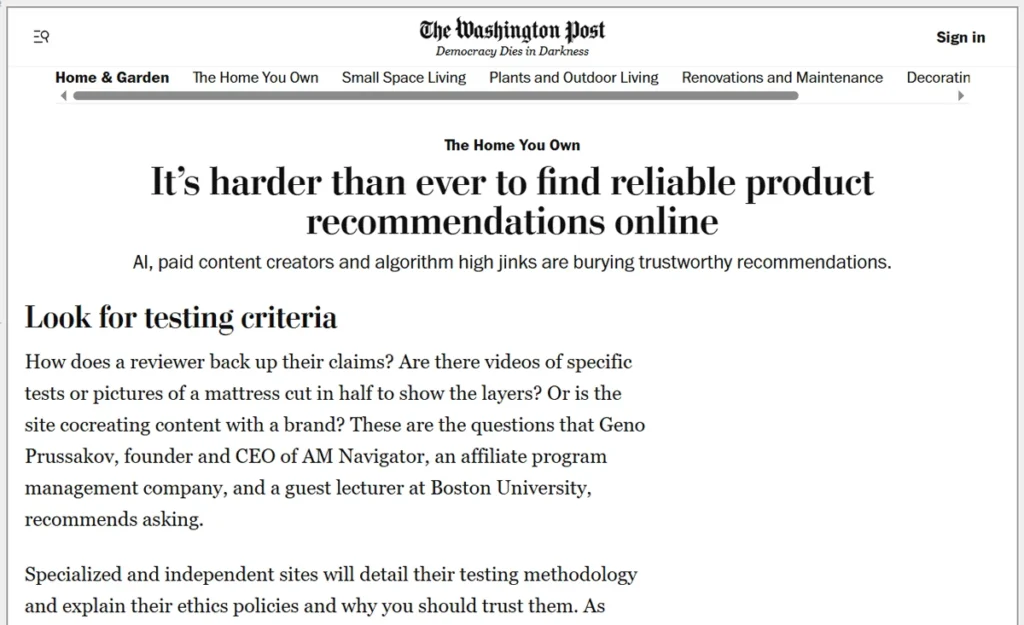
In an era where digital content is synonymous with e-commerce, the line between editorial integrity and commercial influence has become increasingly blurred. Earlier this year, The Washington Post invited me to weigh in on a phenomenon that has transformed the media landscape: the rise of "product recommendation journalism." While my contributions to their coverage offered a concise take on the matter, the underlying reality is far more complex.
As digital publishers pivot from traditional advertising models to affiliate-driven revenue streams, they are effectively "cashing in" on their search engine authority. This article provides a deep dive into how big media handles product recommendations, the mechanisms behind these endorsements, and, most importantly, how consumers can distinguish between genuine expertise and paid placement.
The Shift: From Journalism to Marketplace
For decades, the business model of major news organizations was straightforward: sell subscriptions and display advertising. However, the decline of traditional print revenue forced a pivot. Publishers realized that their high domain authority—the "trust" search engines like Google place in their sites—was a latent asset. By producing "Best of" lists and curated product guides, they could capture high-intent search traffic and convert it into affiliate commissions.
A Chronology of the Affiliate Evolution
- The Early 2000s: Affiliate marketing was largely the domain of niche bloggers and specialized review sites. Mainstream media viewed these practices as potentially compromising their editorial independence.
- The 2010s: As programmatic ad rates plummeted, publishers like The New York Times (via Wirecutter), CNN (via Underscored), and BuzzFeed began formalizing affiliate divisions.
- The 2020s: The normalization of "service journalism" reached a tipping point. Today, it is rare to find a major publication that does not feature a "Best [Product] of 2025" guide. The monetization of search authority is no longer a side project; it is a core business pillar.
How Big Media Operates: The "Homework" Behind the Lists
Having managed affiliate programs for years at AM Navigator, I have observed the inner workings of these partnerships from the merchant’s side. Contrary to the belief that these lists are purely "pay-to-play," many reputable publishers maintain strict editorial firewalls.
1. Robust Testing Protocols
Many top-tier publishers employ dedicated "lab" teams. They purchase products anonymously, conduct long-term field testing, and consult with subject matter experts—ranging from dermatologists for skincare reviews to engineers for tech hardware.
2. Editorial Independence Guidelines
High-authority outlets typically maintain an "editorial-first" policy. In theory, the editorial team decides which products to test, and the affiliate team only adds tracking links after a product has been selected on its merits.
3. Disclosure and Transparency
The Federal Trade Commission (FTC) mandates that affiliate relationships must be disclosed. You will often see a notice at the top of an article stating: "If you buy something through our links, we may earn an affiliate commission." This is not just a legal requirement; it is an attempt to preserve the publication’s brand trust.
4. Data-Driven Selection
Publishers utilize sophisticated analytics to track which products their audience is interested in, ensuring that their recommendations align with reader demand while maintaining a balance between high-end luxury items and budget-friendly alternatives.
The Grey Area: When Commercial Interests Interfere
Despite these safeguards, the temptation to prioritize revenue over reader utility is significant. We must acknowledge that product rankings can be influenced by financial arrangements. When a publication is under pressure to meet quarterly earnings targets, the "firewall" between editorial and commercial can show cracks.
Key areas of concern include:

- Placement Fees: Merchants may pay for a guaranteed spot in a "Top 10" list, regardless of product quality.
- Commission Rate Inflation: A brand might offer a significantly higher commission rate to a publisher, incentivizing them to rank their product higher than a superior, lower-paying competitor.
- EPC Guarantees: Earnings Per Click (EPC) guarantees ensure that a publisher makes a certain amount of money for every click, effectively removing the risk of the product failing to convert. If a publication is guaranteed a payout, they have little incentive to conduct a truly critical review.
Consumer Intelligence: How to Shop Smart
As a consumer, your primary defense is skepticism. You are the ultimate arbiter of value. When you encounter a product roundup, consider the following checklist before you click "Buy."
1. Look for Comparative Metrics
Does the article explain how they tested the product? A review that mentions "we tested 20 models over three weeks and found this to be superior" is infinitely more credible than a listicle that simply describes the manufacturer’s marketing copy.
2. Cross-Reference Sources
Never rely on a single source. If Publication A ranks a vacuum cleaner as #1, check if Publication B and Publication C agree. If every major outlet ranks the same product #1, it is likely a solid choice. If only one outlet ranks it #1 and the others ignore it, that is a red flag.
3. Evaluate the "Editorial" Language
Pay attention to the tone. Is the article objective and balanced, listing both pros and cons? If a review reads like a brochure—highlighting only the positive features and failing to mention any downsides—it is likely an advertorial or a "soft" affiliate placement.
4. Search for User Reviews
While professional reviews provide context, user reviews on platforms like Reddit, specialized forums, or independent community sites often reveal long-term durability issues that a short-term professional test might miss.
Implications for the Future of Media
The current trajectory suggests that product-focused journalism will continue to expand. As Artificial Intelligence begins to generate more "Best of" lists, the value of human-verified, expert-tested reviews will actually increase.
However, the industry faces a reckoning. If publishers continue to sacrifice their integrity for short-term affiliate gains, they will erode the very "authority" that allows them to earn commissions in the first place. Trust is a finite resource; once it is spent on a subpar product recommendation, it is difficult to regain.
The Verdict
The integration of e-commerce into journalism is a double-edged sword. It provides publishers with the resources to fund in-depth reporting and rigorous testing, but it also creates conflicts of interest that require constant vigilance.
As readers, we must evolve alongside the content we consume. We are no longer just an audience; we are the participants in a massive, global marketplace. By demanding transparency, questioning the motives behind rankings, and relying on a diverse array of sources, we can ensure that our purchasing power remains in our own hands.
What has been your experience? Have you ever felt misled by a "Best of" article, or have you found these guides to be genuinely helpful in your shopping journey? The comments section is open for your insights. I look forward to hearing your perspective.