The Architecture of Unity: Why Holistic Marketing is the New Standard for Sustainable Growth

In today’s hyper-competitive digital landscape, the traditional siloed approach to marketing is rapidly becoming a relic of the past. As consumer touchpoints multiply and brand loyalty becomes increasingly fluid, businesses are turning to a more comprehensive framework: Holistic Marketing. This philosophy is no longer merely a strategic option; it is an operational necessity for any organization looking to scale its affiliate programs, optimize its customer journey, and solidify its long-term market position.
But what does it mean to market "holistically"? At its core, holistic marketing is the practice of aligning every facet of a business—from internal culture and operational workflows to external communication channels—to deliver a unified, consistent brand message. It treats the organization as an integrated ecosystem where the sales team, customer support, marketing department, and affiliate partners all operate in harmony to create a seamless experience for the buyer.
The Evolution of Marketing Strategy: From Segments to Systems
Historically, marketing was managed in fragments. The social media team worked on awareness, the email marketing team focused on retention, and the affiliate team managed partnerships, often with little communication between them. This fragmentation leads to "brand schizophrenia," where a customer might perceive a luxury experience on a brand’s website but encounter a budget-focused, inconsistent message through an affiliate link.
Holistic marketing eliminates this friction. By ensuring that all marketing materials, campaigns, and messaging are coherent, a brand builds trust. Trust, in turn, is the primary currency of modern commerce. When every touchpoint reflects the same core values and aesthetic, the customer’s journey becomes intuitive, reducing friction and significantly increasing the likelihood of conversion.
The Three Dimensions of Holistic Marketing
To implement this strategy effectively, businesses must address the three fundamental dimensions that govern how a brand interacts with the world.
1. Internal Marketing
A brand’s outward image is only as strong as its inward culture. Internal marketing ensures that employees, from HR to technical support, understand and embody the company’s vision. If your team does not believe in or fully understand the product, they cannot effectively represent it. By engaging employees and fostering a sense of purpose, companies turn their staff into brand ambassadors who naturally promote the organization’s values in every interaction.
2. Relationship Marketing
The goal of holistic marketing is not just the "one-off" sale; it is the lifetime value of the customer. Relationship marketing focuses on building deep, long-term bonds. This extends beyond the customer to include business partners, suppliers, and affiliates. By treating affiliates as strategic partners rather than mere traffic sources, a business can foster a community of advocates who stand by the brand through market fluctuations.

3. Societal Marketing
Modern consumers—particularly Gen Z and Millennials—demand that the companies they support stand for something beyond profit. Societal marketing integrates ethical practices and social responsibility into the business model. Whether it is supporting local communities, committing to environmental sustainability, or championing diversity, these initiatives provide a narrative that transcends the product, fostering deeper emotional connections with the audience.
Key Components: The Interconnected Web of Success
A successful holistic strategy relies on several interconnected components that must be synchronized to ensure a cohesive brand identity.
- Customer-Centricity: Every decision, from product updates to promotional copy, should be viewed through the lens of the customer’s needs. High-quality affiliates, in particular, evaluate brands based on the end-user experience. If the journey from landing page to checkout is disjointed, affiliates will likely decline to partner with the brand.
- The Integrated Marketing Mix: This involves synchronizing all promotional channels. Whether it is a paid search ad, a social media post, or an affiliate review, the brand’s "voice," visual identity, and core message must be identical.
- Data-Driven Decision Making: Holistic marketing is not a guessing game. By utilizing analytics to track behavior across all channels, companies can refine their strategies, optimize resource allocation, and ensure that their marketing efforts are as efficient as they are effective.
The Tangible Benefits: Why It Matters for Your Bottom Line
Adopting a holistic framework offers measurable advantages that extend across the entire organization.
Operational Efficiency and Streamlining
By eliminating redundant marketing tasks and ensuring that different departments are not working at cross-purposes, companies save significant resources. When the affiliate team, PR team, and social media managers are aligned, their combined output is exponentially more impactful than the sum of their individual parts.
The "Snowball" Effect in Affiliate Programs
Affiliate marketing is often viewed as a standalone channel, but it thrives under a holistic model. When a brand provides consistent, high-quality messaging, affiliates can create more effective content with less friction. This leads to higher conversion rates, better brand reputation, and the "snowball effect" where top-tier affiliates actively seek out your program, effectively turning it into your most profitable revenue stream.
Brand Building Excellence
Conflicting messages dilute brand equity. Holistic marketing ensures that every piece of communication—from the customer service script to the high-level advertising campaign—reinforces the same core message. This repetition is what embeds a brand into the subconscious of the buyer, creating top-of-mind awareness that is difficult for competitors to displace.
Case Study: Apple’s Holistic Mastery
Apple remains the gold standard for holistic marketing. Their strategy is not merely about selling hardware; it is about selling an ecosystem. From the minimalist product design to the meticulously curated retail environment and the consistent messaging across their "Services Performance Partners Program," Apple ensures that every interaction is unmistakably "Apple."
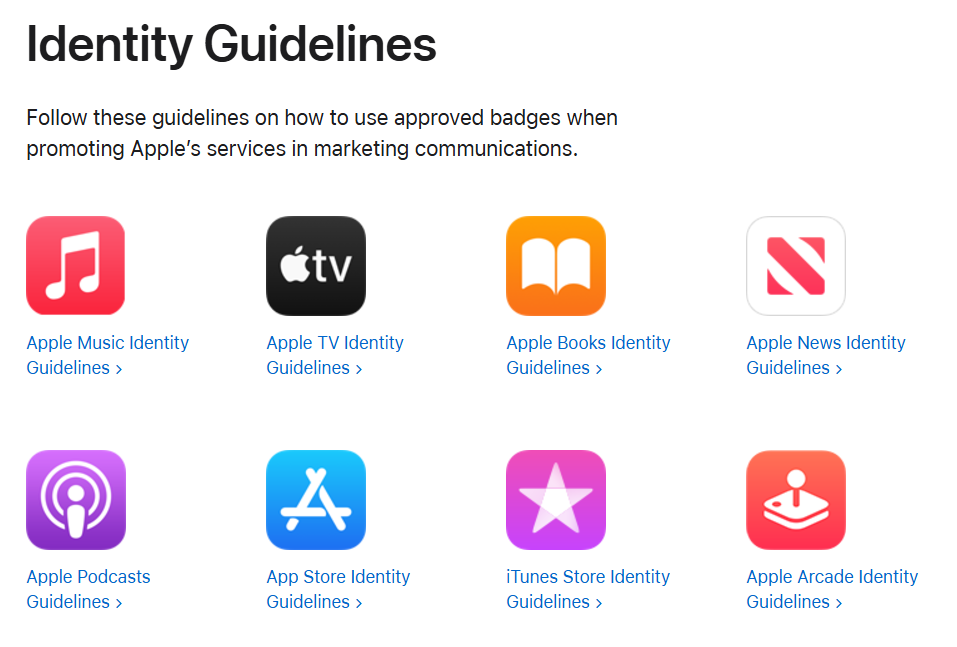
They reinforce their core values—Accessibility, Privacy, and Environmental Responsibility—in both internal and external campaigns. By equipping their partners with clear, brand-aligned guidelines, they ensure that the message remains untarnished regardless of who is delivering it. This level of synchronization is the primary reason for their unparalleled brand loyalty.
Implications for the Future: Adapting to a Digital Horizon
As we look toward the future of marketing, the integration of new technologies will be paramount. The rise of Artificial Intelligence (AI) and Machine Learning allows for unprecedented personalization, but these tools must be used within the holistic framework to avoid appearing robotic or disconnected.
The Role of Technology and Personalization
Businesses must leverage AI to understand individual customer preferences while ensuring that the brand’s core message remains consistent. For affiliates, this means brands must provide the data and assets necessary to allow partners to create personalized content that still adheres to the brand’s strategic guidelines.
Sustainability as a Competitive Advantage
Sustainability is no longer a "nice-to-have"—it is a critical pillar of future marketing. As consumers become more eco-conscious, brands that fail to incorporate societal responsibility into their holistic strategy will find themselves losing market share to more ethical competitors.
Practical Implementation: A Step-by-Step Approach
Building a holistic strategy is an iterative process. Here is how organizations can begin:
- Define SMART Goals: Ensure that every department, including affiliate management, is aiming for the same Specific, Measurable, Attainable, Relevant, and Time-bound targets.
- Audit the Customer Journey: Map out every interaction a customer has with your brand. Identify where the messaging breaks down or where the user experience is inconsistent.
- Facilitate Cross-Departmental Communication: Break down the silos. Ensure the PR team knows what the affiliate team is promoting, and that customer support feedback is being used to inform future marketing campaigns.
- Empower Your Partners: Provide your affiliates with the tools, branding assets, and audience insights they need to succeed. Treat them as an extension of your internal team.
- Optimize Continuously: Use data analytics to monitor performance across all channels. If a campaign is underperforming, analyze it within the context of the overall brand ecosystem, not just in isolation.
Conclusion: The Path to Survival and Prosperity
Holistic marketing is more than a strategy; it is a mindset. It is the acknowledgement that in an increasingly complex and noisy marketplace, the only way to truly stand out is to offer a unified, consistent, and values-driven experience.
Much like a patient visiting multiple doctors, a business that does not coordinate its various "treatments"—ads, social content, affiliate programs, and customer service—will never achieve peak health. With proper communication, data-driven optimization, and a commitment to the core identity of the brand, businesses can move beyond the struggle for survival and secure their place as leaders in their respective industries. The future belongs to the brands that see the bigger picture, align their internal forces, and speak with one, resonant voice.