The Cult of Disruption: Analyzing Nothing’s Bold Gamble Against the Apple Ecosystem
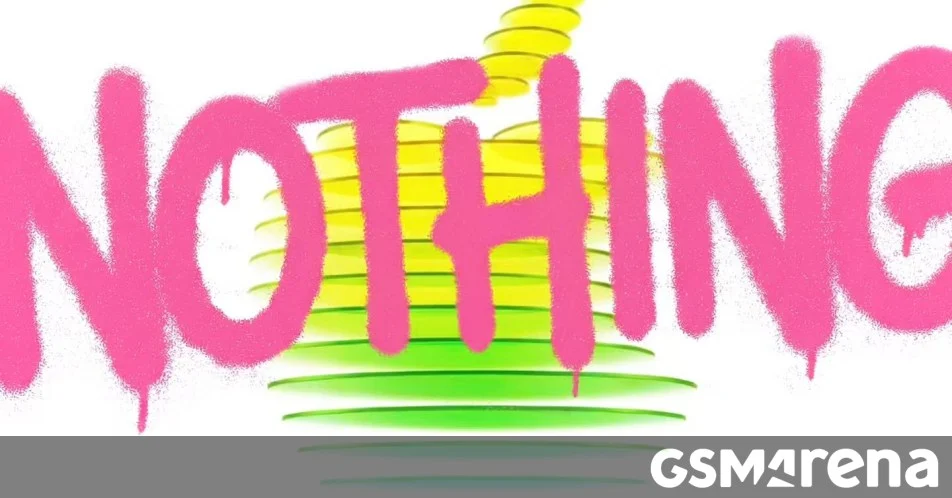
In the high-stakes theater of modern consumer electronics, perception is often as valuable as product performance. Nothing, the London-based tech startup spearheaded by former OnePlus co-founder Carl Pei, has long utilized a "guerrilla marketing" playbook to carve out a niche in a market dominated by monolithic giants. Its latest maneuver—a provocative social media missive targeting Apple—marks a significant escalation in the company’s efforts to position itself as the primary alternative for the disillusioned iPhone user.
Main Facts: The "Bored iPhone User" Manifesto
The catalyst for the current industry discourse is a brief, highly stylized video uploaded to the official Instagram account of Nothing CEO Carl Pei. In the video, Pei directly addresses Apple, issuing a challenge that serves as both a marketing hook and a strategic mission statement.
Pei explicitly claims that his company is poised to siphon market share away from Cupertino, stating that Nothing intends to steal Apple’s customers "one bored iPhone user at a time." The video lacks the traditional trappings of a corporate advertisement; it is intimate, direct, and inherently confrontational. By framing the iPhone user experience as one defined by "boredom," Pei is attempting to weaponize the fatigue that some long-term Apple users feel toward the iterative nature of the iOS ecosystem.
This is not merely a brand advertisement; it is an attempt to redefine the narrative of the smartphone market. By naming Apple, Nothing is attempting to force a comparison that the industry typically reserves for the likes of Samsung or Google.
Chronology: A History of Provocation
Nothing’s strategy of "brand-jacking" its way into the conversation is not a new development. To understand the gravity of this latest stunt, one must look at the company’s trajectory since its inception.
- 2020-2021: The Genesis of Hype. Following his departure from OnePlus, Carl Pei announced Nothing. The company’s initial strategy relied on "mystery marketing," using cryptic social media posts and high-profile investor announcements to build a cult-like following before a single product was even released.
- 2022: The Phone (1) Launch. With the release of the Nothing Phone (1), the company introduced its distinctive "Glyph" interface. The marketing focused heavily on "transparency" and "design-led innovation," explicitly contrasting itself with the stagnant designs of the industry leaders.
- 2023: The US Expansion. As Nothing entered the U.S. market, its marketing became more aggressive. The company began highlighting the "iMessage blue bubble" phenomenon, positioning itself as a "cool" alternative to the rigid, exclusionary ecosystem of iMessage—a direct dig at Apple’s walled garden.
- Early 2024 to Present: Nothing began integrating more sophisticated software features, such as "Nothing Chats," a failed attempt to bring iMessage support to Android, which further cemented their role as an "Apple-focused" disruptor.
- The Current Moment: The latest Instagram reel represents the culmination of these efforts, moving from feature-based critiques to a direct challenge to the Apple brand identity.
Supporting Data: The Reality of Switching Costs
While Nothing’s marketing is bold, the data regarding consumer behavior in the smartphone industry presents a significant hurdle. Apple’s "walled garden" is built upon extreme ecosystem lock-in. According to recent market analysis, the retention rate for iPhone users consistently hovers between 85% and 90%.
The Economics of the "Bored" User
The "bored" user that Pei refers to represents a minority of the market—those who feel that iOS has become stagnant. However, leaving the Apple ecosystem is not merely a hardware decision; it is a financial and social one. The loss of iMessage, iCloud synchronization, and the seamless integration with accessories like the Apple Watch or AirPods acts as a massive deterrent for the average consumer.
Data from the Consumer Intelligence Research Partners (CIRP) suggests that while Android-to-iOS migration is common, the reverse flow is historically sluggish. For a startup like Nothing to successfully "steal" these users, they would need to prove that their hardware and software experience offers a compelling enough value proposition to outweigh the thousands of dollars invested in the Apple ecosystem. Currently, Nothing’s market share remains a rounding error compared to Apple’s hundreds of millions of active devices, making the "one user at a time" approach a literal necessity rather than a poetic choice.
Official Responses and Industry Silence
As of this writing, there has been no official acknowledgment from Apple regarding Carl Pei’s video. Historically, Cupertino’s policy is one of studied silence; they rarely, if ever, engage with startups in a public forum. This "silence as a weapon" strategy effectively renders Nothing’s stunt a one-way conversation.
Industry analysts suggest that this silence is intentional. By not responding, Apple denies Nothing the "validation" of a rivalry. For Apple, the market is divided into "iPhone users" and "everyone else." To recognize Nothing would be to imply that they are a legitimate threat, a title Apple reserves only for the most significant global players.
However, the silence has not stopped the tech community from debating the efficacy of the move. Critics argue that the stunt reeks of desperation, while proponents of the "Nothing" brand view it as a necessary tactic for a company with a limited marketing budget that needs to maintain its "disruptor" status to attract venture capital and consumer interest.
Implications: The Psychology of the "Stunt"
What is the ultimate goal of this provocation? There are three primary implications to consider:
1. Brand Association
By constantly naming Apple, Nothing creates an unconscious psychological link in the consumer’s mind. When a user thinks of "innovative smartphones," they think of Apple; when they see Nothing, they are now prompted to place the two in the same mental bucket. This is a classic, albeit aggressive, brand-positioning tactic.
2. Community Building
Nothing has successfully cultivated a "tech-enthusiast" community that values the act of rebellion. By attacking the "boredom" of the iPhone, Pei is effectively signaling to his core base that they are part of a counter-culture. It reinforces the idea that choosing a Nothing device is a statement of individuality—a way to opt out of the "boring" mainstream.
3. The Long-Term Viability Question
The fundamental question remains: Can a startup survive solely on the strength of its marketing stunts? If the product does not eventually match the rhetoric, the "bored" iPhone users who do decide to make the jump will likely be disappointed. Nothing must ensure that its hardware and, more importantly, its software (Nothing OS), continue to evolve at a pace that justifies the high-minded promises made by its CEO.
Conclusion: A Gamble on Culture
Carl Pei’s challenge to Apple is a high-risk, high-reward gambit. If he succeeds, he transforms Nothing from a niche brand into a genuine competitor. If he fails, the company risks being relegated to a footnote in the history of smartphone marketing—a company that talked a big game but could not deliver the disruption it promised.
In a year’s time, we may look back at this video as the moment Nothing finally found its footing, or as the moment it overplayed its hand. For now, the "bored iPhone user" is left to decide: is the grass actually greener on the other side, or is it just a different shade of monochromatic, minimalist design?
As the smartphone market continues to reach a plateau of innovation, the battle for the "bored" consumer will likely intensify. Whether Nothing has the stamina to sustain this crusade remains to be seen, but one thing is certain: they have successfully forced the industry to look their way, even if Apple isn’t looking back.