Scaling Security: How the New AWS Security Agent Ecosystem is Redefining DevSecOps
In an era where the velocity of software delivery is measured in minutes rather than months, security has historically acted as a bottleneck. To address this friction, Amazon Web Services (AWS) has taken a significant leap forward in the evolution of its AWS Security Agent. Originally previewed at re:Invent 2025 as a proactive security sentinel, the tool has matured into a comprehensive, agentic platform under the AWS Continuum umbrella.
By integrating deep, reasoning-based analysis directly into the development lifecycle, AWS is effectively moving security "to the left"—and the right—ensuring that applications are shielded from design through deployment.
Main Facts: The Evolution of Proactive Security
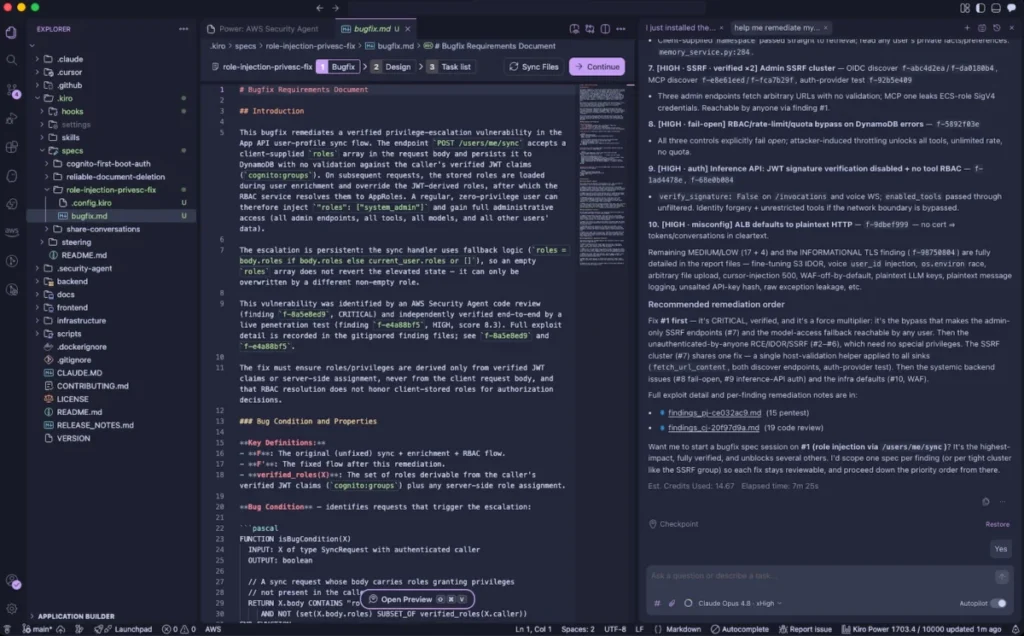
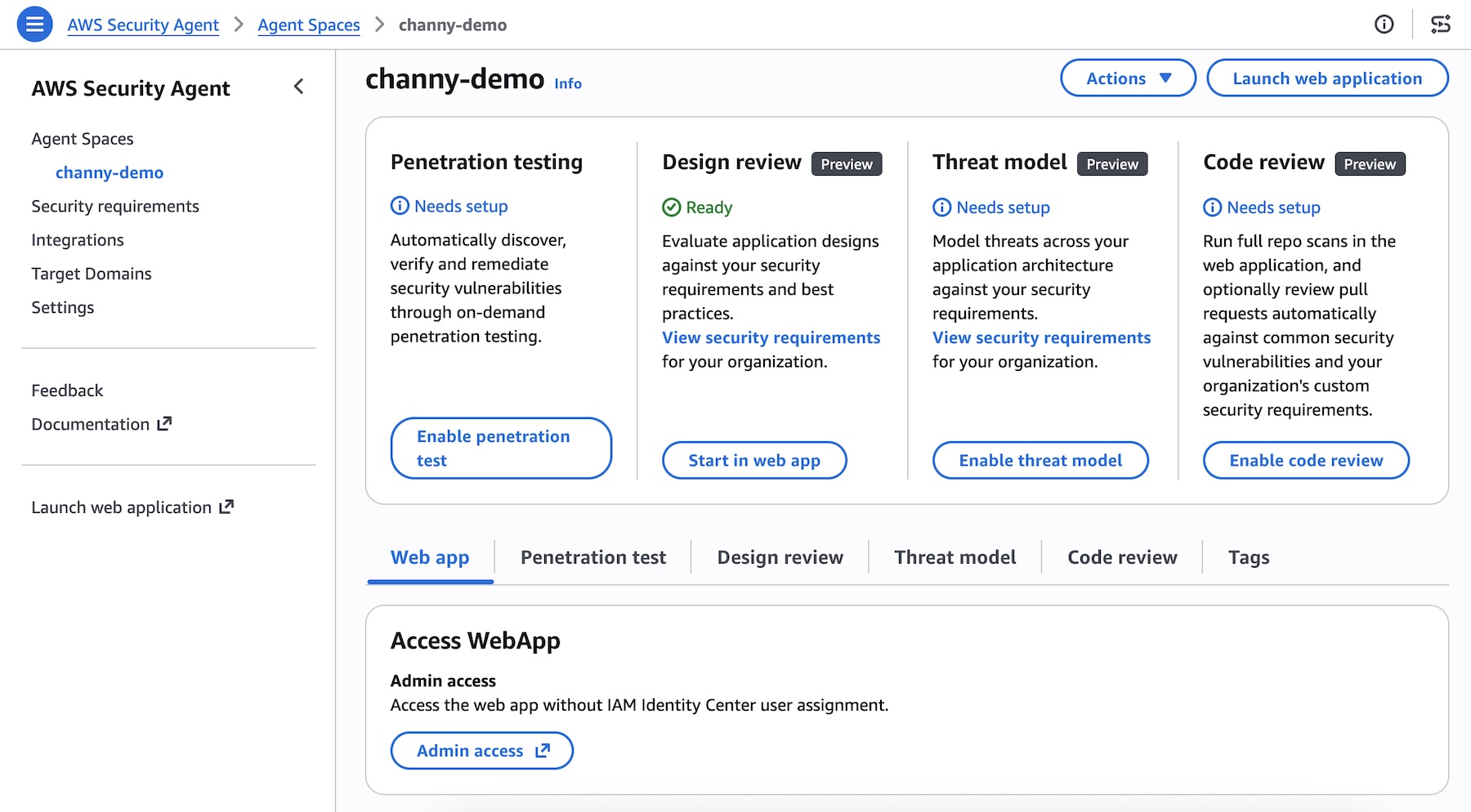
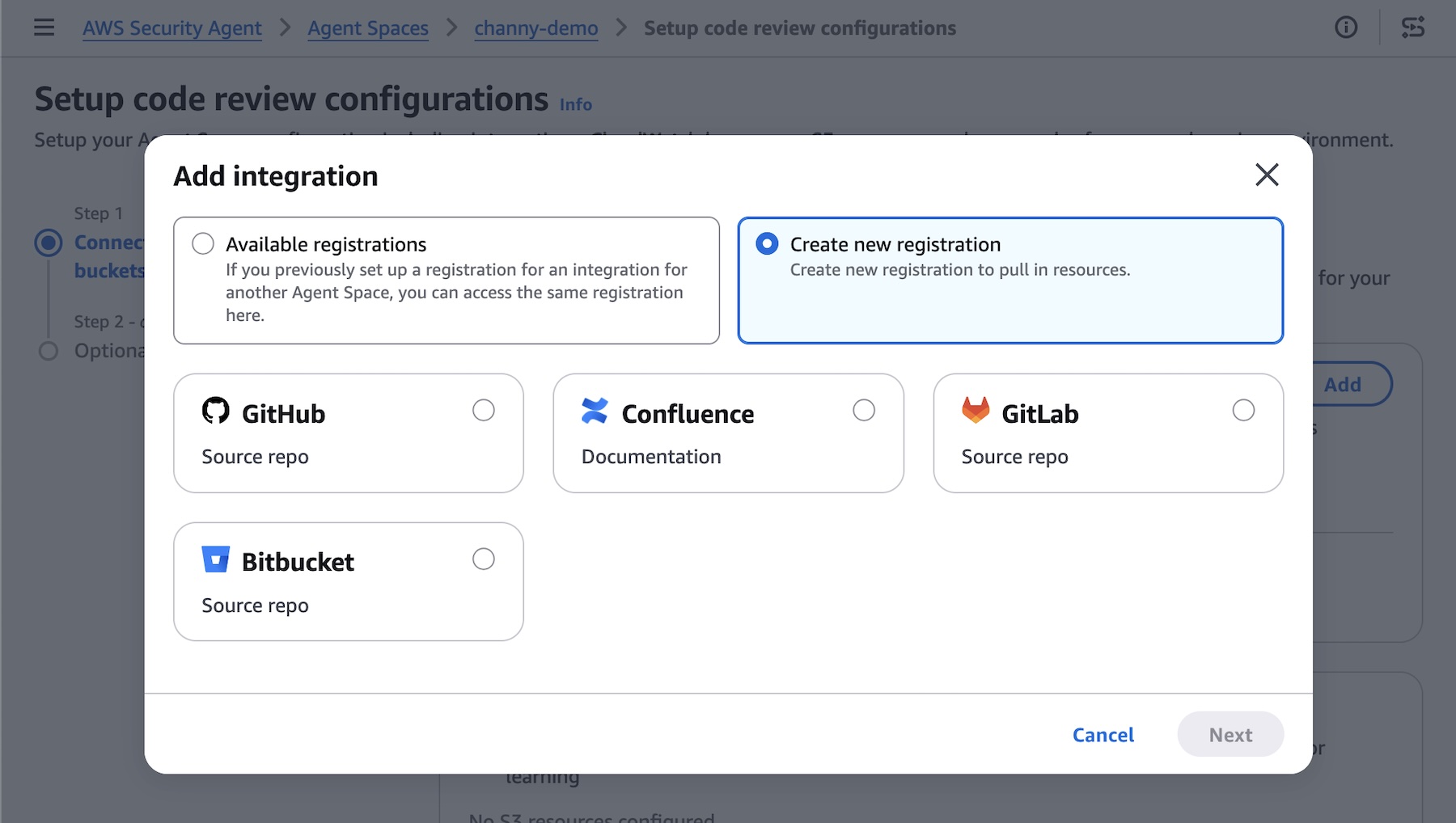
The AWS Security Agent is no longer just a scanning tool; it is a full-lifecycle security engine. At its core, the platform performs on-demand penetration testing, deep code analysis, and intelligent threat modeling. The latest updates expand its reach, allowing it to interface with diverse version control systems like GitLab and Bitbucket, and integrate with documentation platforms like Confluence.

The most transformative addition is the Kiro Power and the Claude Code plugin, which allow developers to trigger complex security operations directly from their IDE. By leveraging the Model Context Protocol (MCP), AWS has enabled a seamless workflow where security findings are not just reported as abstract lists of vulnerabilities, but are remediated through AI-generated fix commits.
Chronology: From Concept to Ubiquity
The trajectory of the AWS Security Agent demonstrates the rapid pace of cloud-native innovation:
- re:Invent 2025: AWS officially previews the AWS Security Agent, introducing the concept of a "frontier agent" capable of proactive, cross-environment security.
- March 2026: AWS announces the general availability (GA) of on-demand penetration testing, a milestone that allowed developers to perform exploitability-verified security testing on their own terms.
- May 2026: The preview of "full repository code review" is launched, shifting the agent’s capabilities toward deep, context-aware analysis of entire codebases rather than isolated patches.
- June 2026: AWS unveils a suite of major updates, including expanded repository support (GitLab/Bitbucket), managed compliance packs (NIST, PCI DSS), and the integration of Kiro Power/Claude Code, marking the shift from a passive scanner to an active DevSecOps participant.
Supporting Data: Deep Analysis vs. Pattern Matching
Traditional security tools often rely on static pattern matching, which frequently results in "false positive fatigue"—a common ailment for modern engineering teams. The AWS Security Agent distinguishes itself through "reasoning-based analysis."

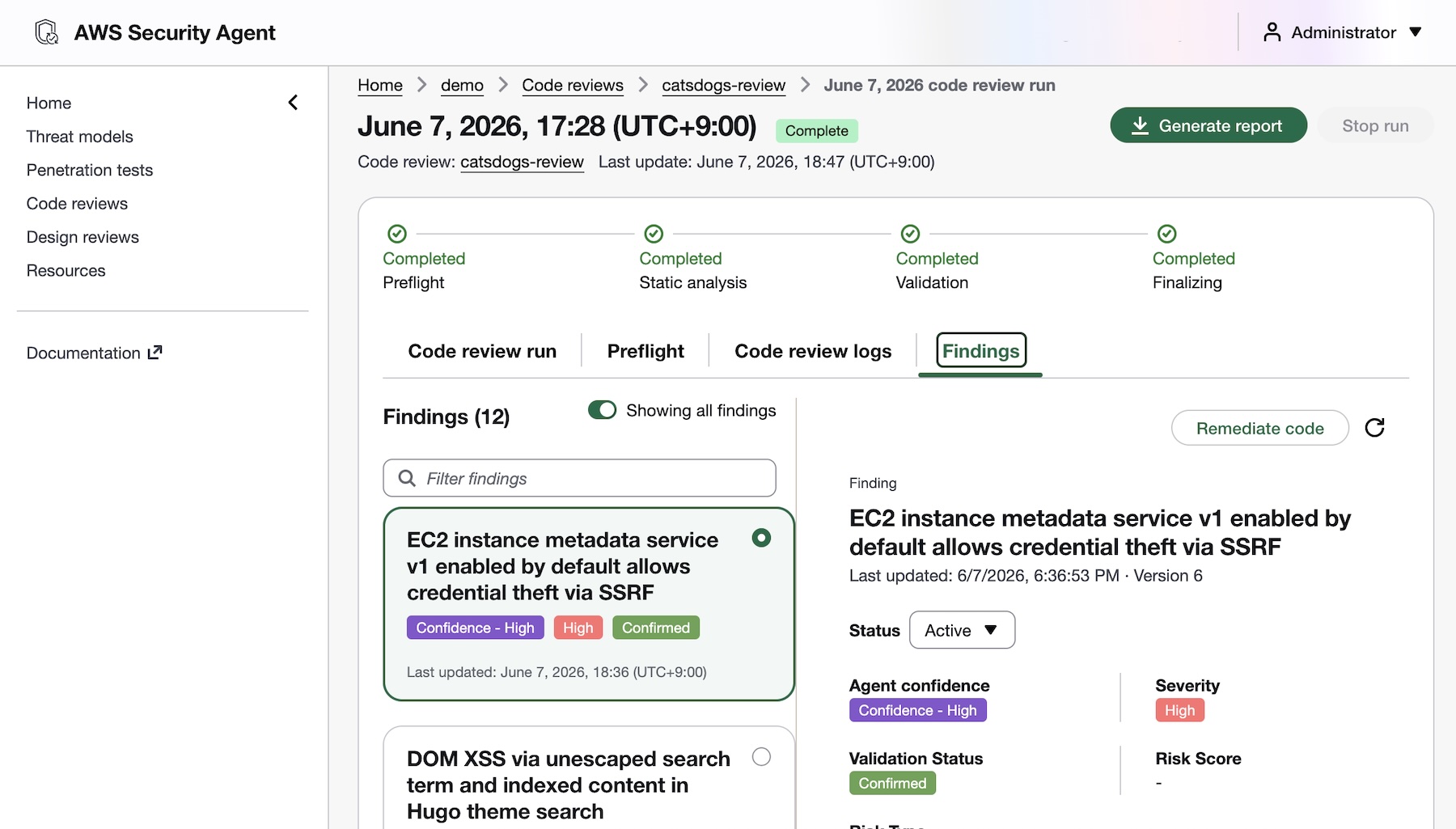
By cross-referencing code changes with organizational requirements and architecture diagrams, the agent can discern the difference between a benign coding pattern and a genuine security flaw. According to AWS documentation, the agent validates findings in simulated environments to provide proof of exploitability. This means when a developer receives an alert, it is backed by empirical data, not just a heuristic guess.
Furthermore, the integration of managed compliance packs—covering the AWS Well-Architected Framework, NIST CSF, and PCI DSS—means that the "audit-readiness" of an application is now monitored continuously. As code evolves, the agent maps every finding back to the organization’s compliance posture, allowing for a real-time view of security drift.
Official Perspectives and Technical Integration
The introduction of the Kiro Power for Security Agent represents a fundamental shift in the developer experience. By enabling developers to ask, "Run a full security scan on this repo" or "Build a threat model for this application" directly in their IDE, the barrier to entry for security best practices has been lowered.
Channy Yun, a leading voice at AWS, notes that these features were born directly from customer feedback. The goal is to eliminate "context switching." When a developer is forced to leave their IDE to consult a dashboard, productivity plummets. With the new MCP integration, the agent operates as a silent partner. It can download findings, prioritize the most critical vulnerabilities, and initiate a "bugfix spec session," effectively automating the most tedious parts of the remediation process.
The addition of the Claude Code plugin further enhances this capability, providing an interface that understands both the intent of the developer and the security constraints of the enterprise.
Implications: The Future of the Secure Software Supply Chain
The broader implications of these updates are profound for the IT industry.
1. Security as an Infrastructure Component
By embedding security into the IDE and the CI/CD pipeline, AWS is signaling that security is not a "phase" of development, but a constant infrastructure requirement. This reduces the "security tax" on development teams, allowing them to ship faster without compromising on safety.
2. Democratizing Threat Modeling
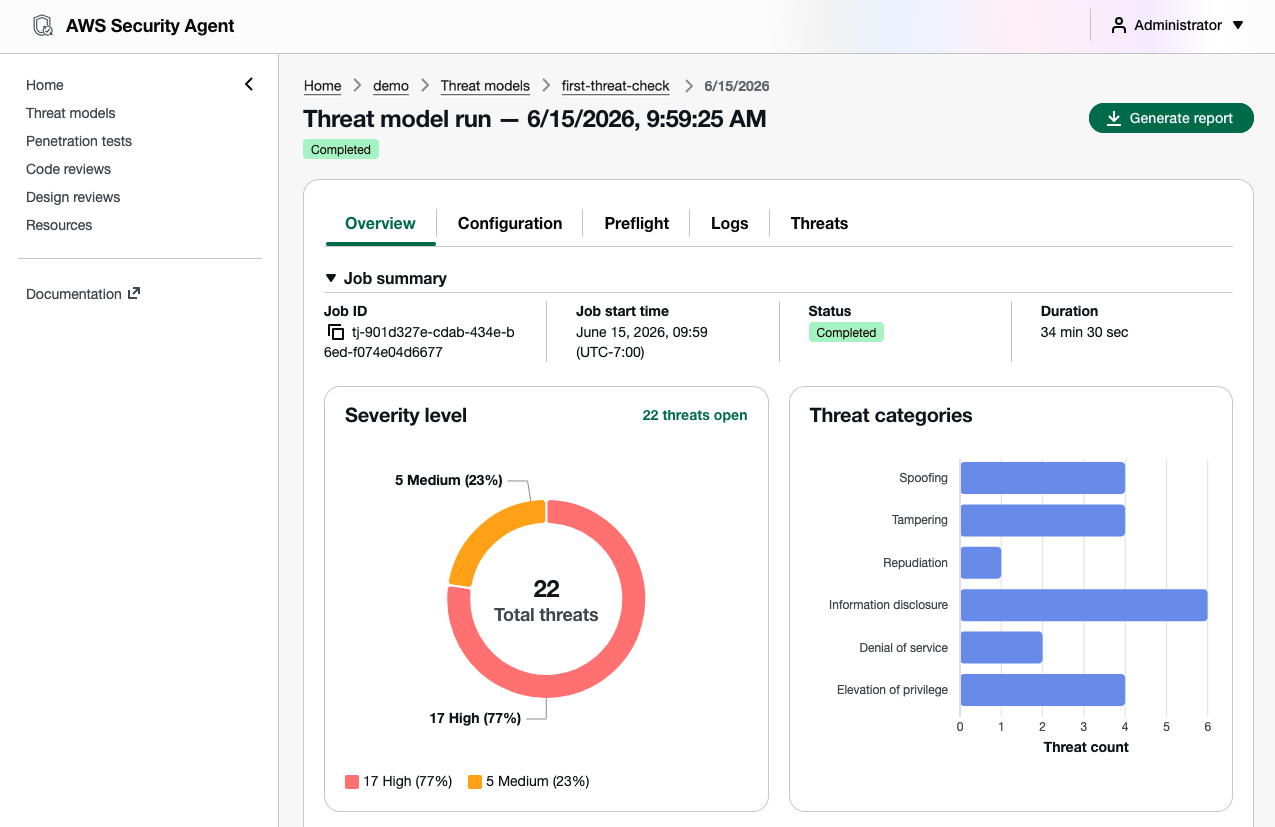
Threat modeling has historically been a manual, high-effort task reserved for security architects. By automating the generation of threat models from design documentation and code repositories, AWS is making high-level security architecture analysis accessible to every team, regardless of their size or security maturity.
3. Closing the Feedback Loop
The most significant pain point in DevSecOps has always been the "gap"—the time between identifying a vulnerability and implementing a verified fix. The AWS Security Agent closes this loop by generating actionable fix commits. When a developer can accept a patch that has been proven by a simulated penetration test, the reliability of the software supply chain increases exponentially.
4. Enterprise-Grade Flexibility
The support for self-hosted versions of GitLab and Bitbucket, combined with the ability to reference internal Confluence documentation, acknowledges the reality of modern enterprise environments. Most large organizations operate in hybrid or multi-platform setups; by making the Security Agent "environment-agnostic," AWS ensures that its security benefits are not siloed within the AWS cloud console.
Conclusion: A New Standard for DevSecOps
As we look toward the second half of 2026, the AWS Security Agent stands as a testament to the power of agentic AI in the cloud. By moving away from reactive, "point-in-time" security assessments toward a continuous, proactive, and automated model, AWS is enabling organizations to tackle the complexities of modern software development with newfound confidence.
For teams looking to adopt these features, the journey begins in the Security Agent console. Whether you are aiming to automate your compliance mapping or seeking to integrate security into your daily coding workflow through the Kiro Power, the platform offers a robust toolkit designed for the challenges of today—and tomorrow.
As the industry continues to grapple with increasingly sophisticated threat landscapes, the ability to rely on a platform that understands, validates, and helps remediate security risks will become a competitive necessity. AWS has provided the foundation; the challenge now lies in how effectively development teams can harness this agentic power to build the secure, resilient applications of the future.
Technical Resources:
- Documentation: AWS Security Agent User Guide
- Pricing & Trials: AWS Security Agent Pricing Page
- Community Support: AWS re:Post for Security Agent
- Plugin Availability: AWS Agents for DevSecOps (Claude Code)
This article reflects the latest updates as of June 18, 2026.