The TikTok Transformation: How AI and Integrated Commerce Are Redefining the Digital Marketing Funnel
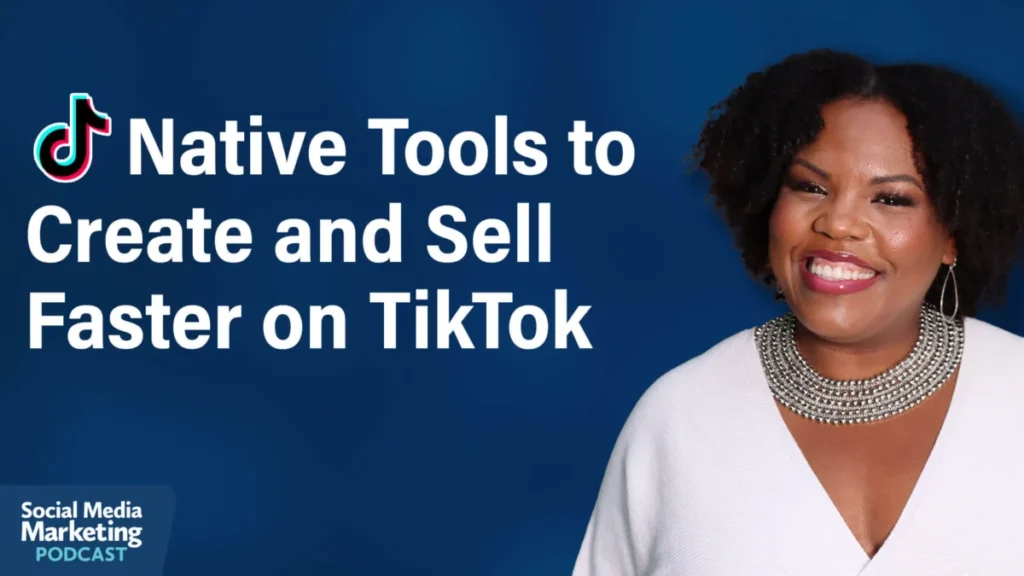
In the rapidly evolving landscape of social media, TikTok is no longer merely an entertainment destination for short-form video. The platform is undergoing a fundamental architectural shift, repositioning itself as an "all-in-one" marketing ecosystem. By integrating generative artificial intelligence, sophisticated search tools, and direct-to-consumer booking engines, TikTok is attempting to compress the traditional marketing funnel—awareness, consideration, and conversion—into a single, seamless user session.
This strategic pivot aims to lower the barrier to entry for small businesses while providing enterprise-level brands with a data-driven "Search-to-Shop" pipeline. As TikTok moves to capture a larger share of the digital advertising market, currently dominated by Google and Meta, its latest suite of tools suggests a future where discovery leads instantly to purchase without the user ever exiting the application.
Main Facts: The Pillars of TikTok’s All-in-One Funnel
The core of TikTok’s new strategy rests on three technological pillars: generative AI content creation, search engine optimization (SEO) dominance, and in-app utility services.
The Symphony AI Creative Suite
At the heart of TikTok’s creative revolution is Symphony, a generative AI creative studio. Built upon ByteDance’s proprietary Seedance AI model, Symphony allows marketers to generate high-quality video content from simple text prompts or existing static assets.
One of the most disruptive features within this suite is Symphony Digital Avatars. These are AI-generated personas, modeled after licensed actors, capable of voicing scripts in over 30 languages. This feature effectively democratizes high-production-value advertising; a brand without a production budget can now deploy a "spokesperson" who can deliver localized messages to a global audience in a matter of minutes.
Search Hubs and Keyword Amplification
Recognizing that Gen Z increasingly uses TikTok as a primary search engine, the platform has introduced Search Hubs. These are paid placements that allow brands to "own" the top of the search results for specific queries. By integrating official account links, creator content, and clear calls-to-action (CTAs) into the search results page, TikTok is challenging the traditional Google-first search journey. Coupled with Keyword Amplifiers, which turn comment sections and recommendations into clickable search links, TikTok is ensuring that every interaction has the potential to lead back to a product page.
TikTok Go and Localized Conversion
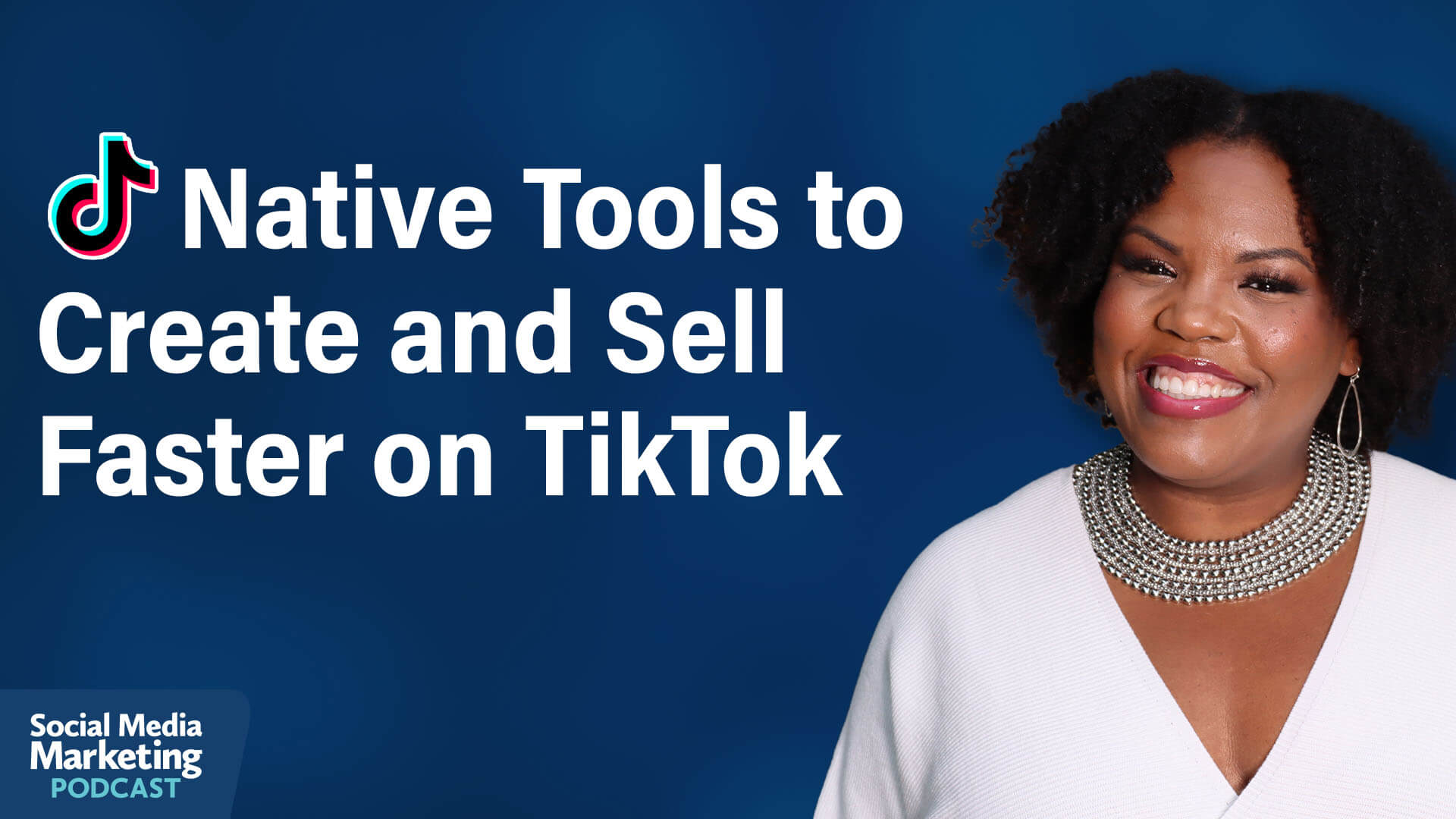
Perhaps the most ambitious expansion is TikTok Go, an in-app booking experience designed to compete with travel giants like Expedia and TripAdvisor. TikTok Go allows users to discover, plan, and book hotels, tours, and attractions directly within the interface. By leveraging real-time geolocation data, the app can surface bookable local experiences the moment a user enters a new city, bridging the gap between digital discovery and physical attendance.
Chronology: From Viral Videos to a Commerce Ecosystem
The evolution of TikTok’s funnel has been a calculated progression over the last 24 months.
- 2022–2023: The Testing Phase. TikTok began testing "TikTok Shop" in select markets, including the UK and Southeast Asia, before a massive rollout in the US. This established the back-end infrastructure for in-app transactions.
- Late 2023: The Rise of Social Search. As internal data showed users moving away from traditional search engines, TikTok began prioritizing SEO-friendly captions and hashtags, setting the stage for the formal Search Hubs.
- Early 2024: The AI Integration. ByteDance accelerated the development of the Seedance model. Experts like Keenya Kelly began testing the beta versions of these AI tools, noting a significant leap in realism compared to early competitors like OpenAI’s Sora.
- Mid-2024: The All-in-One Launch. TikTok formally introduced the Symphony Creative Suite and TikTok Go, marking the official shift toward a "closed-loop" ecosystem where the user journey begins and ends within the app.
Supporting Data: Efficiency and Reach
The shift toward AI-driven and integrated tools is backed by significant performance metrics. Industry experts observe that the production time for a standard 15-second ad can be reduced by up to 80% using the Symphony Creative Suite.
Furthermore, the integration of Smart+ Automatic Placement has opened new avenues for cross-platform reach. Advertisers can now manage campaigns across TikTok, Lemon8 (TikTok’s image-based sister app), and Pangle (its audience network) from a single dashboard.
The success of this ecosystem is evidenced by individual creator growth. For example, marketing expert Keenya Kelly reported that by leveraging the synergy between Lemon8 and TikTok—where photo carousels from Lemon8 are cross-posted to the TikTok "For You" page—she grew a Lemon8 following to 50,000 users with minimal manual effort. This cross-pollination suggests that TikTok’s "funnel" is actually a network of interconnected apps that keep users engaged across different content formats.
Official Responses and Ethical Considerations
While TikTok’s leadership frames these updates as a win for small businesses and creative efficiency, the introduction of AI avatars has sparked a necessary debate regarding authenticity and disclosure.

The Labeling Mandate
TikTok has officially stated that all AI-generated content produced through the Symphony suite will be clearly labeled. This is a strategic move to maintain user trust as AI realism reaches a point where it is nearly indistinguishable from human-shot footage.
The Question of Authenticity
The primary ethical concern raised by industry analysts involves the "invented backstory." While a digital avatar acting as a spokesperson is a transparent marketing tactic, there is a "gray area" when AI personas are used to simulate personal testimonials. For instance, if an AI avatar claims a "friend recommended" a product, it creates a fabricated social proof.
Keenya Kelly, a prominent voice in the TikTok marketing space, emphasizes that consumer acceptance hinges on transparency. "Users are generally fine with AI when it’s disclosed, much like they accept a paid actor in a TV commercial," Kelly notes. "The offense occurs when the audience feels misled or when the line between a tool and a lie is blurred."
Implications: The Future of Digital Marketing
The rollout of these all-in-one funnel tools has profound implications for the future of the digital economy, specifically for small businesses, the travel industry, and the "search" landscape.
1. The Democratization of Production
For years, high-quality video advertising was the domain of brands with significant creative budgets. Symphony AI removes this barrier. By allowing small business owners to generate localized, professional-grade ads in 30+ languages, TikTok is effectively democratizing global reach. This could lead to a surge in international micro-brands that can compete with established giants on a purely creative level.
2. The Disruption of the Travel and Service Sectors
With TikTok Go, the platform is moving into the "experience economy." For local businesses—hotels, tour operators, and restaurants—the ability to target users based on their immediate physical location and interests represents a paradigm shift. If a user in Anaheim, California, is served a bookable tour of a local attraction based on their current "For You" feed, the friction of switching to a browser or a third-party app is eliminated, likely increasing conversion rates for local tourism.
3. The End of the "Click-Out"
Historically, social media platforms served as "top-of-funnel" tools—you found the customer on social media and then "clicked out" to a website to finish the transaction. TikTok’s new tools represent the end of this model. By keeping search, discovery, and payment inside the app, TikTok is building a walled garden that captures 100% of the user’s data and the advertiser’s spend.
4. Search Engine Displacement
As TikTok Search Hubs become more prevalent, the platform is positioning itself as a legitimate rival to Google for commercial intent. If a user can search for "best skincare for dry skin," watch a video review, see a branded banner at the top of the search, and buy the product in three taps, the traditional search engine becomes an unnecessary middleman.
Conclusion
TikTok’s transformation into an all-in-one funnel is a bold bet on the future of "Social Commerce." By combining the creative power of generative AI with the utility of a search engine and the convenience of a booking platform, TikTok is creating a high-velocity environment where content and conversion are inseparable.
For marketers, the message is clear: the era of simply "going viral" is over. Success in the new TikTok ecosystem requires a sophisticated understanding of AI-driven creative, strategic search placement, and the utilization of in-app conversion tools. As the platform continues to refine these features, the boundary between entertainment and enterprise will continue to vanish, forever changing how we discover and consume the world around us.