The Unified Engine: Why Holistic Marketing is the New Standard for Sustainable Growth

In the hyper-competitive arena of modern commerce, businesses are often tempted to treat marketing as a collection of siloed experiments: a social media campaign here, an affiliate program there, and a customer service initiative somewhere else. However, industry leaders are increasingly recognizing that this fragmented approach is a liability. To survive and scale, companies are pivoting toward "Holistic Marketing"—a strategy that aligns every internal function and external communication channel into a single, unified brand experience.
Holistic marketing is more than a buzzword; it is a fundamental shift in philosophy. It asserts that every touchpoint—from an employee’s email signature to an affiliate’s product review—contributes to the collective perception of a brand. By breaking down departmental walls, businesses can ensure that their messaging is not just consistent, but transformative.
The Pillars of the Holistic Approach
At its core, holistic marketing operates on three fundamental dimensions that ensure business objectives and marketing outputs are perfectly synchronized.
1. Internal Marketing: The Brand Starts Within
A company’s most important advocates are its employees. If a customer service representative or a web developer does not understand the brand’s core mission, they cannot effectively represent it. Internal marketing ensures that everyone from HR to the affiliate management team is aligned with the company’s vision. When employees feel connected to the brand’s "why," they promote it instinctively. This internal alignment leads to higher employee retention and, more importantly, authentic interactions that customers can feel.
2. Relationship Marketing: Beyond the Transaction
Traditional marketing often focuses on the "point of sale." Holistic marketing, by contrast, views the transaction as the beginning of a long-term partnership. By fostering deep, mutually beneficial relationships with customers, suppliers, and affiliates, a brand builds a community rather than a mere client list. When customers become brand ambassadors, they provide organic, high-trust marketing that no paid advertisement can replicate.
3. Societal Marketing: The Ethical Imperative
Today’s consumers are increasingly values-driven. They expect companies to stand for something beyond profit. Societal marketing incorporates social responsibility and ethics into the brand’s DNA. Whether through environmental initiatives or charitable contributions, these efforts provide a "halo effect" that bolsters the brand’s reputation, builds trust, and provides meaningful content for PR and social media efforts.
Key Components: Synchronizing the Marketing Mix
For a holistic strategy to be more than a theoretical exercise, it must be supported by five operational pillars.
The Customer-Centric North Star
A customer-centric approach is the anchor of the holistic model. By prioritizing the user’s needs, pain points, and desires, companies can design a customer journey that feels personalized and frictionless. In the context of affiliate marketing, this is vital: top-tier affiliates will only partner with brands that offer a high-quality, trustworthy buyer experience. If the journey from click to checkout is broken, no amount of marketing spend will save the conversion.

The Integrated Marketing Mix
Consistency is the currency of trust. The integrated marketing mix requires that all departments synchronize their messaging, creative assets, and value propositions. A brand cannot be "luxury" on Instagram and "bargain-basement" in its email newsletters. By enforcing strict brand guidelines—from font choices to tonal identity—companies ensure that every channel reinforces the same message, strengthening brand equity.
Data-Driven Decision Making
Holistic marketing is not based on guesswork. By leveraging data analytics, firms can track the effectiveness of every touchpoint. This allows for the optimization of resources; if data shows that customers are dropping off at a specific point in the journey, marketing, sales, and IT teams can collaborate to fix the bottleneck, ensuring the entire ecosystem performs at peak efficiency.
The Strategic Benefits: Why Integration Drives Growth
The transition to a holistic model delivers tangible, quantifiable results for businesses ready to commit to the change.
Operational Efficiency
By eliminating redundant efforts and streamlining communication across departments, companies reduce wasted spend. When sales and marketing share data, the cost of customer acquisition (CAC) drops, and the lifetime value (LTV) of the customer rises.
The "Snowball Effect" in Affiliate Programs
Affiliate marketing is perhaps the biggest beneficiary of a holistic approach. When a brand is consistent, reliable, and customer-focused, affiliates are more likely to promote the product aggressively. A strong, well-integrated brand provides affiliates with high-converting assets and a clear message, which in turn leads to better performance data, attracting even more high-quality partners. This cycle creates a "snowball effect" that turns an affiliate program into a company’s most profitable channel.
Case Study: The Apple Ecosystem
Apple remains the definitive gold standard for holistic marketing. The tech giant does not simply sell products; it sells an identity. Every facet of the Apple experience—from the minimalist aesthetic of their retail stores to the "Privacy First" messaging in their advertising—is perfectly aligned.
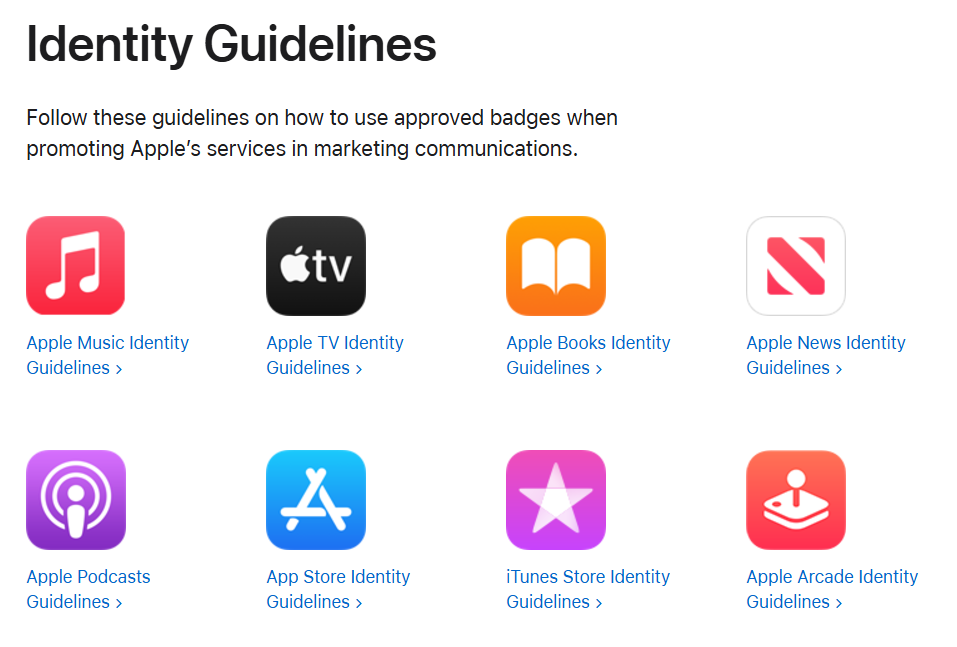
Apple’s "Services Performance Partners Program" illustrates how the company extends this holistic philosophy to its external partners. By providing clear guidelines and high-quality creative assets, Apple ensures that its affiliates communicate the same core values of privacy, sustainability, and innovation that the brand promotes internally. This level of synchronization is why Apple commands industry-leading customer loyalty and premium pricing.
The Future: Innovation and Sustainability
As we look toward the future of marketing, three trends stand out as essential for those wishing to remain relevant.
Embracing AI and Personalization
Artificial Intelligence and Machine Learning are no longer futuristic concepts; they are the tools of the present. These technologies allow for hyper-personalized experiences at scale. The future of holistic marketing lies in using AI to analyze customer data in real-time, allowing brands to adjust their messaging across all channels instantaneously to meet the individual needs of their audience.
The Rise of Sustainability
Sustainability is transitioning from a "nice-to-have" to a "must-have." As environmental awareness grows, consumers will gravitate toward brands that demonstrate transparency and accountability. A holistic strategy will increasingly require that supply chains, internal operations, and marketing messaging all reflect a commitment to a better future.
The "Medical Model" of Marketing
We can think of the company as a patient. A patient does not go to five different doctors and hide their medications from each of them; they provide a full history so that the doctors can collaborate on a single treatment plan. Similarly, companies must treat their marketing departments as a medical team. Whether it’s social media, PR, email, or affiliate management, every department must have full visibility of the "patient’s" overall health.
Implementation: A Step-by-Step Roadmap
For organizations looking to move from fragmented efforts to a holistic framework, the path forward requires deliberate action:
- Define SMART Goals: Ensure every department is working toward the same set of Specific, Measurable, Achievable, Relevant, and Time-bound objectives.
- Map the Customer Journey: Understand the user’s experience from discovery to post-purchase. Identify the "friction points" and assign cross-functional teams to resolve them.
- Engage the Internal Team: Conduct workshops and regular internal communications to ensure every employee understands the brand identity.
- Audit Your Assets: Review all public-facing materials—social media, ads, emails, and landing pages—to ensure they speak with one voice.
- Leverage Data: Invest in a unified analytics platform that allows for real-time visibility across all marketing channels.
Conclusion
Holistic marketing is not a temporary tactic; it is the path to survival in an era of infinite consumer choice. It requires the courage to dismantle silos, the discipline to maintain consistency, and the vision to see the company as a singular, living organism.
By aligning internal culture, external messaging, and data-driven strategy, businesses can do more than just grow—they can build a brand that resonates, endures, and thrives. The future belongs to those who see the "big picture" and have the operational rigor to execute it at every level. The era of the fragmented campaign is over; the age of the unified, holistic brand has begun.