Tech Weekly: Sharp’s Flagship Ambitions, Xiaomi’s Battery Beast, and Apple’s Shifting Hardware Roadmap
The landscape of mobile technology and consumer electronics continues to shift at a breakneck pace. This week, we have seen a flurry of announcements ranging from hyper-specialized camera equipment to mid-range devices that redefine the power-to-price ratio. As major manufacturers look toward the latter half of the year, the industry is increasingly focused on two distinct pillars: pushing the boundaries of physical hardware—such as battery density and optics—and preparing the software ecosystem for the inevitable, AI-heavy future.
1. Sharp’s Flagship Leap: The Aquos R11
Sharp has officially entered the fray of high-end mobile photography with the announcement of the Aquos R11. While the Japanese manufacturer often maintains a niche appeal, the R11 is a deliberate attempt to capture the attention of photography enthusiasts.
The Optics and Internals
The headline feature is undoubtedly the new 38.5MP telephoto sensor, which provides a 2.8x optical zoom. This inclusion suggests that Sharp is refining its computational photography pipeline to better compete with the heavyweights of the industry. Under the hood, the device is powered by Qualcomm’s Snapdragon 8s Gen 4 chipset, a processor designed to bridge the gap between premium efficiency and flagship performance.
The display remains a hallmark of the Sharp brand; the 6.5-inch OLED panel boasts an impressive 240Hz refresh rate, providing fluid motion that exceeds industry standards. With a 5,000mAh battery and the inclusion of Android 16 out of the box, the R11 is positioned as a future-proof device. Currently, the handset is slated for a Japanese release next month, with global enthusiasts still waiting for news on international availability.
2. Power and Performance: Xiaomi’s Redmi Turbo 5
Xiaomi continues its relentless expansion in the Indian market with the introduction of the Redmi Turbo 5. This device serves as a masterclass in aggressive spec-sheet marketing, specifically regarding battery capacity.
Setting New Standards in Capacity
The Redmi Turbo 5 arrives with a massive 7,540mAh battery—a significant deviation from the standard 5,000mAh found in most modern flagships. To manage such a large power cell, Xiaomi has paired it with the MediaTek Dimensity 8500 Ultra chipset and 100W fast charging, ensuring that users are not tethered to a wall outlet for extended periods.
- Display: 6.59-inch 120Hz AMOLED panel.
- Pricing: Starting at INR 35,999 (~$420 USD).
- Availability: Sales commence on June 19.
This release signals Xiaomi’s intent to dominate the sub-premium segment by offering "utility-first" features that resonate strongly with power users who prioritize longevity over thin-and-light designs.
3. Imaging Evolution: DJI Osmo Pocket 4P
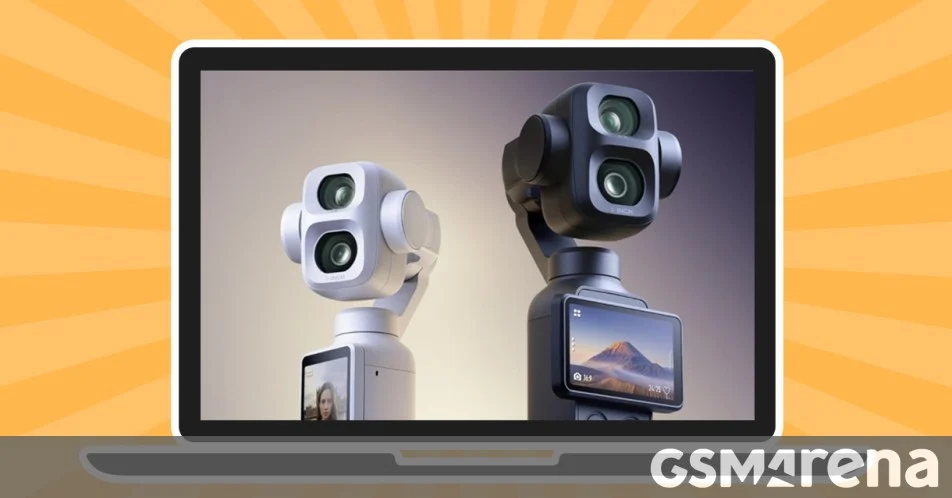
In the realm of dedicated videography, DJI has unveiled the Osmo Pocket 4P, the company’s first dual-camera handheld gimbal. This device is a significant evolution for content creators who require professional-grade optics in a pocketable form factor.
Technical Prowess
The Pocket 4P integrates a 1-inch main sensor with an auxiliary 60mm telephoto lens, offering a native 3x optical zoom. The ability to shoot 4K video at 240fps, combined with a staggering 17 stops of dynamic range, places this device firmly in the professional category. By moving away from a single-sensor setup, DJI is effectively positioning the Pocket 4P as a standalone tool that can replace larger, more cumbersome mirrorless setups for run-and-gun production. Launching in China at CNY 3,799 ($530), the global rollout is expected to follow shortly.
4. The Cupertino Conundrum: Apple’s Future Hardware
Apple’s product roadmap has become a focal point of intense industry speculation this week, specifically concerning the iPhone 18 series.
RAM Upgrades and the AI Mandate
Reliable industry whispers suggest that Apple is finally prepared to bump the base RAM from 8GB to 12GB. While Apple has historically been conservative with hardware specifications, the shift is likely a necessity driven by the resource-heavy requirements of on-device AI.
However, the internal consensus regarding pricing remains fractured. Analysts are split on whether Apple will maintain current price points or pass the costs of the component upgrades—and the necessary R&D for AI—to the consumer.
The "Ultra" Delay
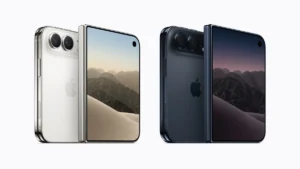
Perhaps the most notable news regarding Apple’s long-term strategy is the setback facing the rumored "iPhone Ultra." Production and supply chain hurdles have reportedly pushed the project into 2027. Despite this, rumors persist that Apple’s inaugural folding iPhone will still make an appearance alongside the iPhone 18 series, suggesting that the company is prioritizing foldable form factors over the ultra-premium "Ultra" moniker.
5. OnePlus and the N-Series: Targeting the Youth
OnePlus is undergoing a brand diversification phase. On June 30, the company will unveil its first device in the new "N Series" in India.
Bridging the Gap
The N Series is designed to sit below the established Nord lineup, specifically targeting first-time buyers and the youth market. With a target price range of INR 18,000 to 25,000 ($210–$290), the brand is looking to solidify its footprint in the entry-level mid-range segment. The rumored OnePlus N6 will serve as the vanguard for this strategy, testing whether the OnePlus brand equity can successfully transition to a more budget-conscious demographic.
6. The Battery Frontier: Honor X80 Pro Max
Rounding out the week is Honor’s bold announcement for the X80 Pro Max, coming June 22. The device is garnering attention for one specific, almost comical, specification: an 11,000mAh battery.
While the exact dimensions and thermal management solutions for such a large battery remain to be seen, the X80 Pro Max represents a growing trend in the industry: the "battery-first" smartphone. As users continue to rely on their devices for everything from mobile gaming to video streaming, manufacturers are increasingly willing to sacrifice aesthetics for raw, functional utility.
Implications and Industry Outlook
This week’s developments illustrate a market that is fracturing into specialized niches. We are seeing a divergence where:
- Hardware is becoming hyper-specialized: Devices like the DJI Osmo Pocket 4P and the Sharp Aquos R11 prove that consumers are willing to pay for specific, high-performance features rather than just general-purpose upgrades.
- Battery capacity is becoming the new "spec race": With the Redmi Turbo 5 and the Honor X80 Pro Max, the focus has shifted from screen brightness or processor clock speed to pure energy endurance.
- AI is forcing Apple’s hand: The rumored RAM jump for the iPhone 18 series is clear evidence that the era of "good enough" hardware is ending, as the demands of local LLMs and AI processing require a significant leap in memory bandwidth and capacity.
As we look toward the summer, the industry is clearly bracing for a period of intense competition. The mid-range market is becoming the primary battlefield for brands like OnePlus and Xiaomi, while the high-end tier is becoming a staging ground for the next generation of mobile AI and professional-grade mobile photography. Whether these trends will hold or if market saturation will force a consolidation remains to be seen, but for now, the consumer is the clear beneficiary of this rapid pace of innovation.