The (b)oldest Move: Nothing Teases the Phone (4b) as Strategy Shifts
In a move that has sent ripples through the smartphone industry, Carl Pei’s Nothing has officially signaled a major pivot in its product roadmap. Following a period of intense speculation and the recent, somewhat abrupt cancellation of the anticipated CMF Phone 3 Pro, the London-based technology firm has unveiled a mysterious new identity: the Phone (4b). With a cryptic social media campaign and a dedicated landing page now live on Flipkart, Nothing is preparing to introduce a device that promises to redefine its entry-level market presence.
Main Facts: The Emergence of the (b) Series
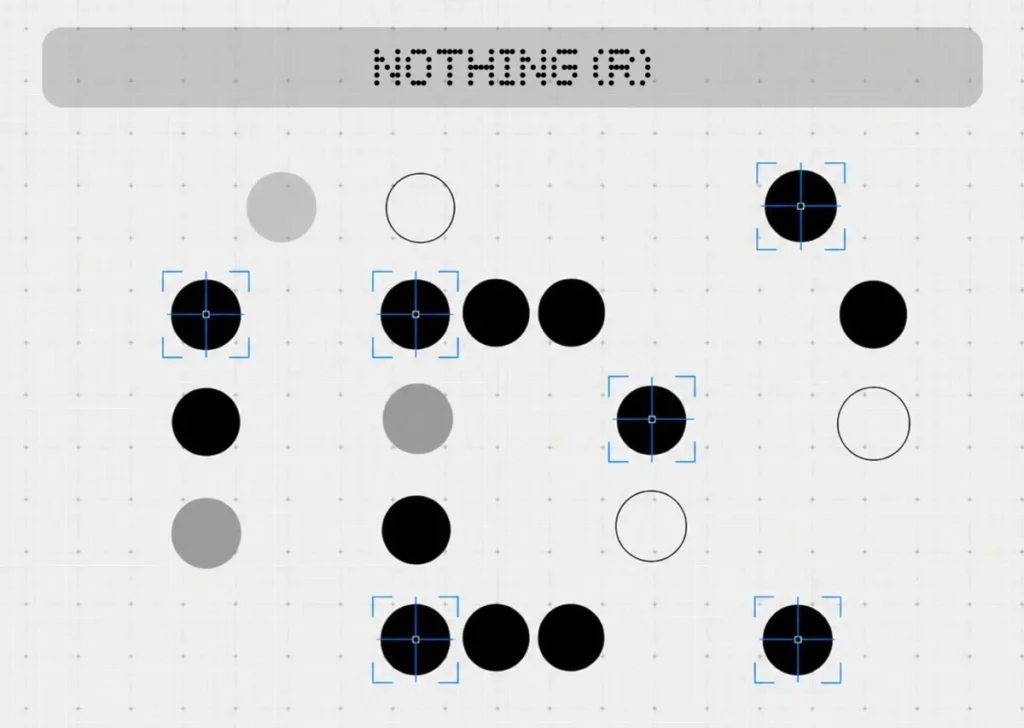
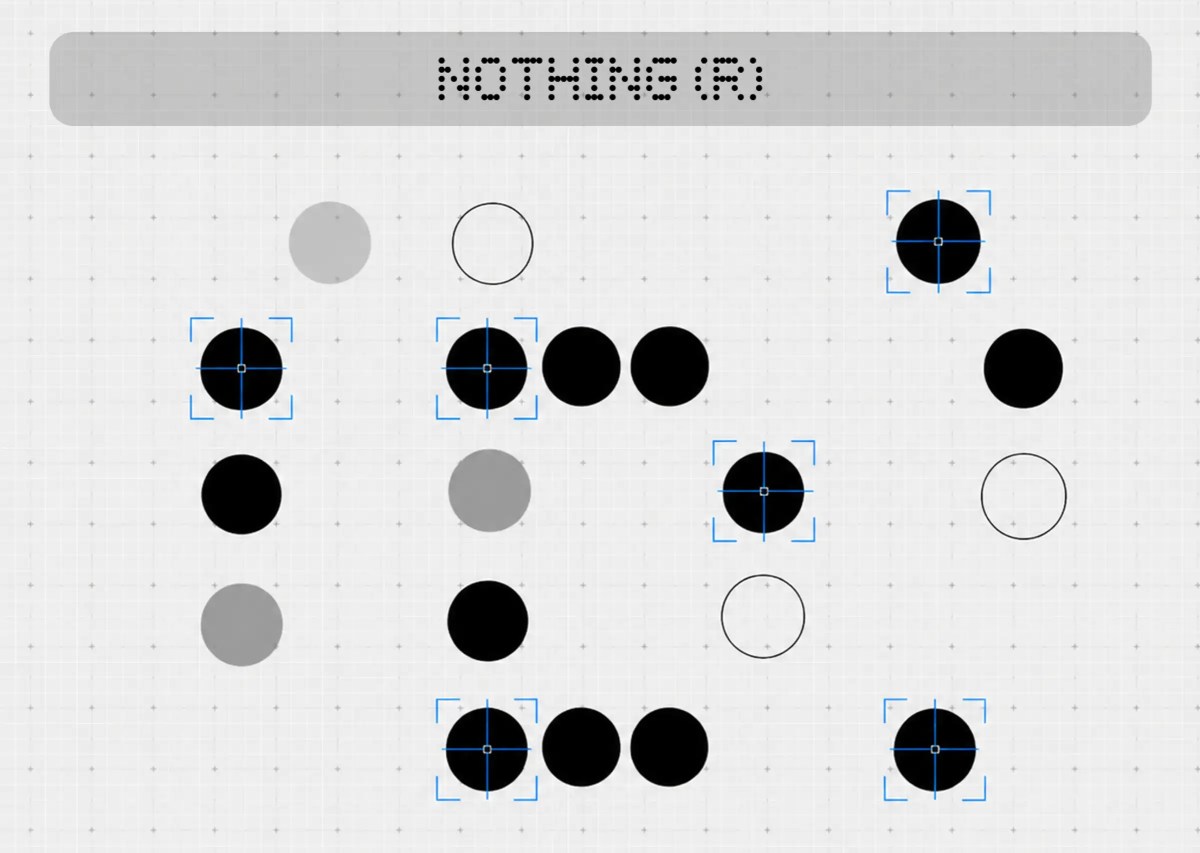
The narrative began last week when Nothing’s social media channels, particularly in the Indian market, started circulating teasers centered around the cryptic "(b)" branding. This branding, stripped of any elaborate context, was initially interpreted as a potential sub-brand or a design aesthetic. However, the release of a short video clip on X (formerly Twitter) by Nothing India has provided the clearest indication yet: the "(b)" represents the Phone (4b).
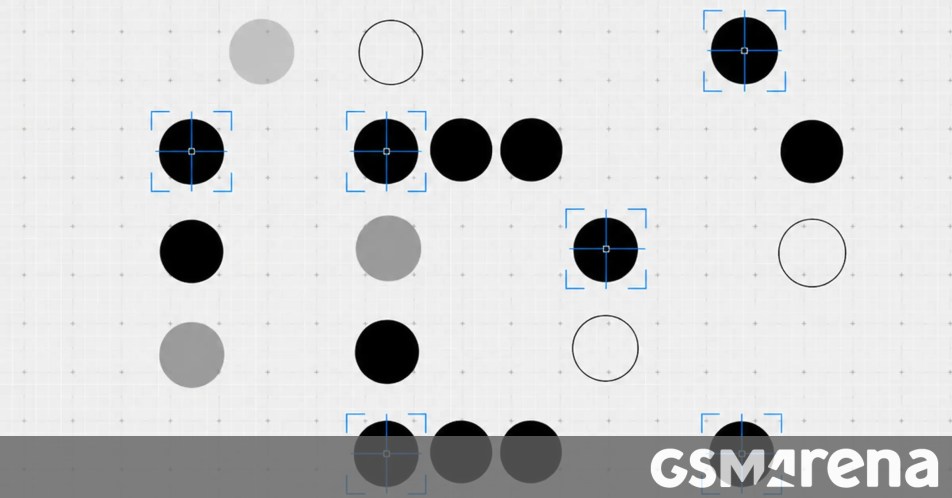
The teaser does more than just name the device; it provides a conceptual look at its industrial design. A sketch released by the company reveals a device that retains the hallmark Nothing DNA—most notably the transparent rear panel that has become synonymous with the brand. However, the most significant takeaway from this visual reveal is the camera configuration. Unlike the multi-lens setups seen on the flagship Phone (4a) or the previous Phone (2) series, the (4b) appears to feature a single, prominent rear camera sensor.
This design choice is a profound statement. By opting for a minimalist single-lens setup, Nothing is clearly positioning the Phone (4b) as a streamlined, budget-conscious handset designed for the modern minimalist. The device is expected to sit at the base of the company’s current ecosystem, effectively filling the void left by the scrapped CMF Phone 3 Pro.
A Chronological Breakdown: From Cancellation to Creation
To understand the weight of this announcement, one must look at the timeline of Nothing’s recent strategic maneuvers over the last several months.
Early 2026: The CMF Ambitions
Initially, Nothing’s sub-brand, CMF, was slated to carry the torch for the company’s entry-level segment. With the success of the CMF Phone 1 and 2 Pro, expectations were high for a "Phone 3 Pro" iteration. The brand was aggressively expanding its footprint, aiming to capture the "value-for-money" demographic that prioritized unique design over raw, bleeding-edge performance.
Mid-June 2026: The Strategic Pivot
In a sudden shift, Nothing confirmed that it would not be launching a new CMF phone this year. This announcement caught many analysts off guard, sparking questions about the future of the CMF hardware line. Market observers speculated that the internal complexity of maintaining two distinct hardware brands—Nothing and CMF—was leading to cannibalization and fragmented resource allocation.
June 21, 2026: The "(b)usted" Reveal
Just days after the CMF announcement, Nothing India dropped the teaser captioned "(b)usted." This clever wordplay served as the official confirmation of the Phone (4b). By using the (b) suffix, the company is signaling that this device belongs to the core Nothing ecosystem, rather than the CMF spin-off, suggesting that the company is folding its budget-tier ambitions back under the primary Nothing umbrella to streamline its brand identity.
Late June 2026: The Digital Footprint
Following the teaser, a dedicated microsite appeared on Flipkart, one of India’s largest e-commerce platforms. The existence of this page confirms that the phone is not merely a conceptual exercise but a product moving rapidly toward mass-market retail availability.
Supporting Data: Where the (4b) Fits in the Market
The Nothing Phone (4b) occupies a unique space in the current smartphone landscape. When looking at historical pricing and specs of the previous CMF Phone 2 Pro, which is currently retailing for approximately $328 (or £219 in the UK), we can infer the target pricing for the (4b).
By pivoting away from the CMF brand, Nothing is likely attempting to consolidate its manufacturing efficiencies. A single-camera, transparent-back device suggests a reduction in BOM (Bill of Materials) costs, allowing the company to aggressively target the sub-$300 segment.
Current Market Benchmarks for Comparison
| Device | Camera Config | Positioning | Estimated Price |
|---|---|---|---|
| Nothing Phone (4a) | Dual-Lens | Mid-Range | ~$450 |
| CMF Phone 2 Pro | Dual-Lens | Entry-Level | ~$330 |
| Nothing Phone (4b) | Single-Lens | Budget/Minimalist | <$300 |
The decision to move toward a single camera is a bold one. In an era where even budget phones tout "triple-camera" arrays (often featuring useless macro or depth sensors), Nothing’s decision to commit to one high-quality, singular lens suggests a "less is more" philosophy. If the software processing—powered by Nothing’s highly acclaimed Glyph-integrated OS—is optimized correctly, this could prove to be the best-in-class camera for a budget device.
Official Responses and Corporate Strategy
Carl Pei, the CEO of Nothing, has been characteristically quiet on the specific technical details of the (4b), preferring to let the "tease-and-reveal" marketing cycle build momentum. However, internal sources suggest that the transition from CMF back to the main brand is a result of "brand consolidation."
"Our goal is to ensure that the Nothing identity remains cohesive," a spokesperson noted in a brief statement following the announcement. "By focusing on the Phone (4) series as our primary vehicle for innovation, we can provide a more consistent software and design experience to all our users, regardless of their budget."
This suggests that the CMF brand may, in the future, be relegated strictly to accessories (like audio and wearables) rather than smartphones, effectively ending the experiment of a multi-brand smartphone strategy. This move mirrors the strategies of established giants like Samsung or Xiaomi, who have frequently consolidated their sub-brands when market saturation becomes an issue.
Implications: What This Means for the Consumer
The arrival of the Phone (4b) has several immediate implications for the consumer base and the tech industry at large.
1. The Death of "Fake" Multi-Camera Arrays
By opting for a single camera, Nothing is taking a stand against the "spec-sheet inflation" that plagues the budget smartphone market. Consumers are often misled by devices featuring four cameras, where three are largely decorative. If the (4b) performs well, it could force competitors to reconsider their own hardware strategies, potentially leading to a market shift where quality of sensors is prioritized over the quantity of lenses.
2. A Cohesive Software Experience
Users of the CMF line often reported a slightly different software "feel" compared to the core Nothing Phones. By bringing the budget segment back into the primary (4) series, all users will likely receive the same Nothing OS updates and Glyph interface features simultaneously. This is a massive win for the entry-level consumer, who often gets left behind in the update cycle.

3. The "Transparent" Aesthetic as a Mass-Market Standard
Until now, the iconic transparent back and the Glyph LED interface were premium features. By bringing this aesthetic to the (4b), Nothing is effectively democratizing its design language. If this phone reaches a price point under $300, it will likely be the most accessible piece of "design-first" hardware on the market.
4. Market Impact
For competitors like Xiaomi (Poco) and Motorola, the (4b) represents a new, credible threat. These brands have long dominated the budget segment by focusing on hardware specs. Nothing, however, is selling a "lifestyle" and an "experience." If they can maintain that branding while dropping the price to meet the budget segment, they could disrupt the market share of established budget leaders.
Conclusion
The Nothing Phone (4b) is more than just a new piece of hardware; it is a tactical correction. By shedding the CMF phone line and embracing the (b) moniker, Nothing is signaling that it is ready to mature as a company. It is prioritizing brand clarity, design integrity, and software consistency.
As the microsite on Flipkart continues to gather interest and the hype cycle hits its peak, the industry will be watching closely. Will the single-camera setup be viewed as a daring innovation or a budget compromise? Only time—and the upcoming official launch—will tell. For now, one thing is certain: Nothing is not backing down from its ambition to make technology "fun again," even if it means changing the rules of its own game.