The Great Electric Shift: Why Entry-Level Adoption is the Key to India’s EV Revolution
By Lakshya Rana
Updated: June 23, 2026
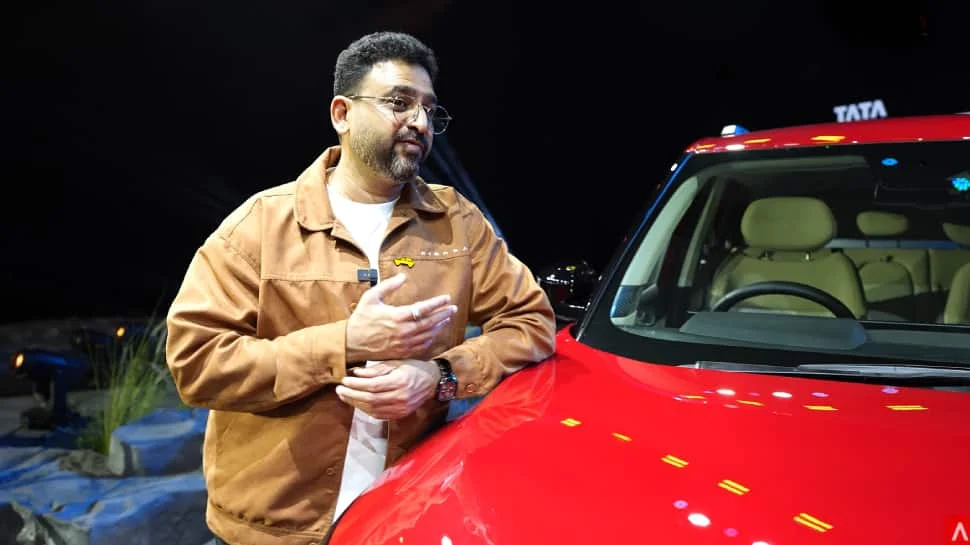
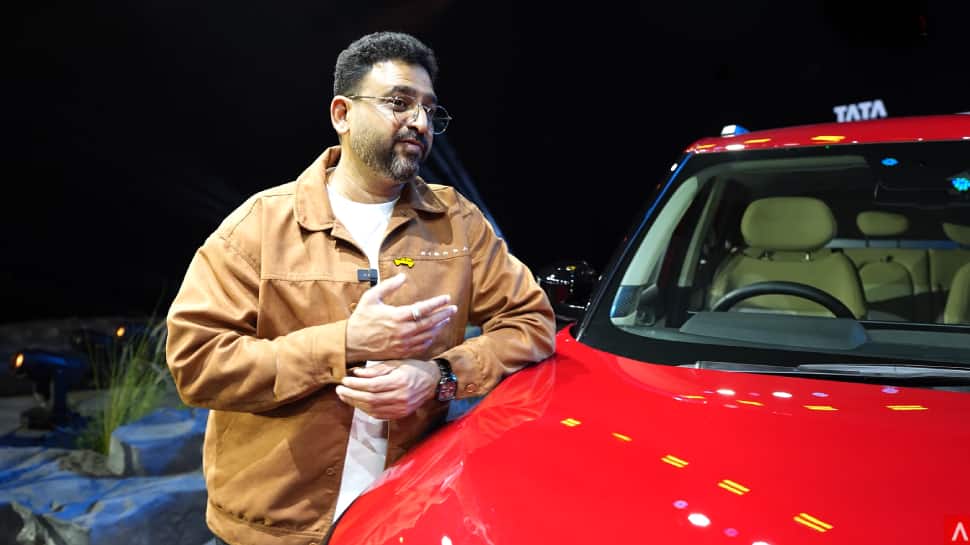
The transition to electric mobility is no longer a niche curiosity reserved for tech enthusiasts or the affluent. It is a structural shift in the automotive landscape, one that is currently navigating the "chasm" between early adopters and the mass market. According to Vivek Srivatsa, a key voice in the Indian automotive sector, the path to true electrification is not paved with premium sedans or high-performance electric SUVs, but with the humble, entry-level vehicle.
"If EVs have to become mainstream, they have to be mainstreamed at the entry level," Srivatsa recently remarked, underscoring a fundamental truth of the Indian market: for a technology to be adopted at scale, it must be accessible to the first-time car buyer.
The Core Philosophy: Democratizing Electrification
The automotive industry has long functioned on a "top-down" approach. New technologies—be it ABS, airbags, or automatic transmissions—typically debut in luxury vehicles before filtering down to affordable models. While this strategy works for iterative safety features, it may be a bottleneck for the EV transition.
Srivatsa’s assertion challenges the industry to rethink its product pipeline. When an entry-level buyer walks into a dealership, they are looking for reliability, low total cost of ownership (TCO), and ease of maintenance. Currently, the "EV premium"—the higher upfront cost of electric vehicles compared to their Internal Combustion Engine (ICE) counterparts—remains the primary barrier to entry for this demographic.
To transition the masses, OEMs must bridge the price gap. This involves not just battery innovation, but a holistic approach to manufacturing, supply chain localization, and battery-as-a-service models that lower the initial financial hurdle.
Chronology of the EV Shift in India
The Indian EV narrative has evolved rapidly over the last five years, transforming from a government-mandated vision into a competitive commercial reality.
- 2020–2021: The Foundations of Awareness. The initial years were marked by high-end electric luxury vehicles and the emergence of electric two-wheelers. Charging infrastructure was sparse, and consumer range anxiety was at its peak.
- 2022–2023: The SUV Wave. Major manufacturers began launching electric versions of popular SUVs. This period saw the normalization of EVs in the urban middle-class household.
- 2024–2025: Infrastructure Expansion. The government’s push for charging corridors and the proliferation of fast-charging networks reduced range anxiety, moving the conversation toward "charging convenience."
- 2026: The Strategic Pivot. As of June 2026, the focus has shifted toward cost-optimization and localization. The conversation is no longer about "Is the range enough?" but rather "Is the price accessible for a first-time buyer?"
Supporting Data: Why the Entry-Level Segment Matters
The data supports Srivatsa’s thesis. The entry-level and sub-compact segments constitute the largest volume drivers in the Indian automotive market. For an EV to achieve a double-digit market share in India, it must capture the buyers who are currently opting for entry-level petrol hatchbacks or compact sedans.
Market Penetration Challenges
- Price Sensitivity: The average Indian entry-level buyer is hyper-sensitive to price. A difference of even ₹1 lakh (approximately $1,200) can dictate the buying decision between a petrol car and an EV.
- Infrastructure at Home: Unlike premium buyers who often have dedicated charging spots, entry-level buyers may rely on public infrastructure or basic home setups, necessitating a more robust and faster charging standard.
- TCO vs. Sticker Price: While the Total Cost of Ownership (TCO) for an EV is significantly lower due to cheaper electricity and lower maintenance, the "sticker price" shock continues to deter the average consumer.
Industry analysts suggest that if the cost of battery packs continues to decline at a rate of 7–10% annually, the "price parity point"—where an EV costs the same as a petrol car—is within reach by 2027-2028.
Official Responses and Industry Sentiment
The industry reaction to Srivatsa’s viewpoint has been largely supportive, albeit cautious. Many legacy manufacturers are currently balancing their legacy investments in ICE engines with the aggressive capital expenditure required for EV platforms.
"The challenge is not just technology; it is scale," says a senior analyst at a leading automotive research firm. "To make an entry-level EV profitable, you need to produce at a scale that the current market for EVs hasn’t reached yet. It’s a chicken-and-egg scenario. You need the volume to lower costs, but you need the lower costs to drive the volume."
Government officials have also hinted at continued support for the "Make in India" initiative, specifically aimed at cell manufacturing. By incentivizing local battery production, the government hopes to provide the necessary fiscal cushion for companies to introduce cheaper electric models without compromising on quality or safety.
Implications for the Future: A New Roadmap
If the industry successfully pivots to the entry-level segment, the implications for the Indian economy and environment will be profound.
1. Urban Air Quality and Environmental Impact
The concentration of vehicles in Tier-1 and Tier-2 cities is the primary driver of urban air pollution. If the entry-level segment—which sees the highest turnover of vehicles—switches to electric, the cumulative impact on air quality would be exponentially higher than replacing luxury vehicles.
2. Energy Security
India imports a significant portion of its crude oil. A transition to mass-market EVs is a strategic imperative for energy independence. By moving the entry-level buyer to electric, the country effectively reduces its reliance on imported fossil fuels, stabilizing the current account deficit.
3. The "First-Time Buyer" Experience
For many, the first car is a milestone purchase. If the first-time buyer’s experience with an EV is seamless, it creates a lifelong customer for the electric ecosystem. This brand loyalty is critical for manufacturers, as it creates a pipeline of customers who will upgrade to more expensive EVs in the future.
4. Technological Spillover
The push for entry-level EVs will force innovation in "frugal engineering." Engineers will be tasked with creating efficient, lightweight, and durable vehicles that don’t rely on expensive, heavy luxury features. This innovation, in turn, will likely benefit the global automotive industry, as many emerging markets face similar economic constraints.
Conclusion: The Road Ahead
The path to mainstreaming electric vehicles in India is clear: it must be a journey that starts at the grassroots level. As Srivatsa rightly pointed out, the aspiration for clean mobility must be met with affordability.
The next 24 months will be critical. We are likely to see a surge in "micro-EVs" and budget-friendly hatchbacks entering the market. Manufacturers who can crack the code of the entry-level buyer—balancing range, charging speed, and an accessible price point—will not only dominate the market share but will also be the ones who define the future of Indian mobility.
The EV revolution is no longer coming; it is here. And if it is to succeed, it must belong to everyone, not just the few. The democratization of the electric car is the final, and perhaps most important, piece of the puzzle.
Disclaimer: This report is based on current market trends and expert analysis as of June 2026. Market dynamics in the EV sector remain subject to rapid change due to technological advancements and policy shifts.