The Proactive Pivot: How OpenAI’s Codex is Redefining Business Automation

In the rapidly evolving landscape of artificial intelligence, a significant shift is occurring—moving from "reactive" AI that answers questions to "proactive" agents that execute complex workflows. At the center of this transformation is OpenAI’s Codex, a tool often misunderstood as a niche utility for software developers. However, as industry experts Karl Yeh and Michael Stelzner reveal, Codex represents the "missing link" for business owners and marketers seeking to automate their tech stacks without the need for traditional coding or expensive middleware.
This report explores the mechanics, security protocols, and strategic implications of Codex, providing a comprehensive guide for organizations ready to transition from simple chat interfaces to autonomous business systems.
I. Main Facts: Defining the Codex Ecosystem
To understand Codex, one must first dismantle the misconception that it is exclusively for engineers. In its current iteration, Codex functions as a sophisticated "harness" for OpenAI’s large language models (LLMs). To use a metaphor shared by Karl Yeh, if ChatGPT (the model) is the "brain," then Codex is the "robot body" that allows that brain to interact with the physical and digital world.

The "Brain" vs. The "Harness"
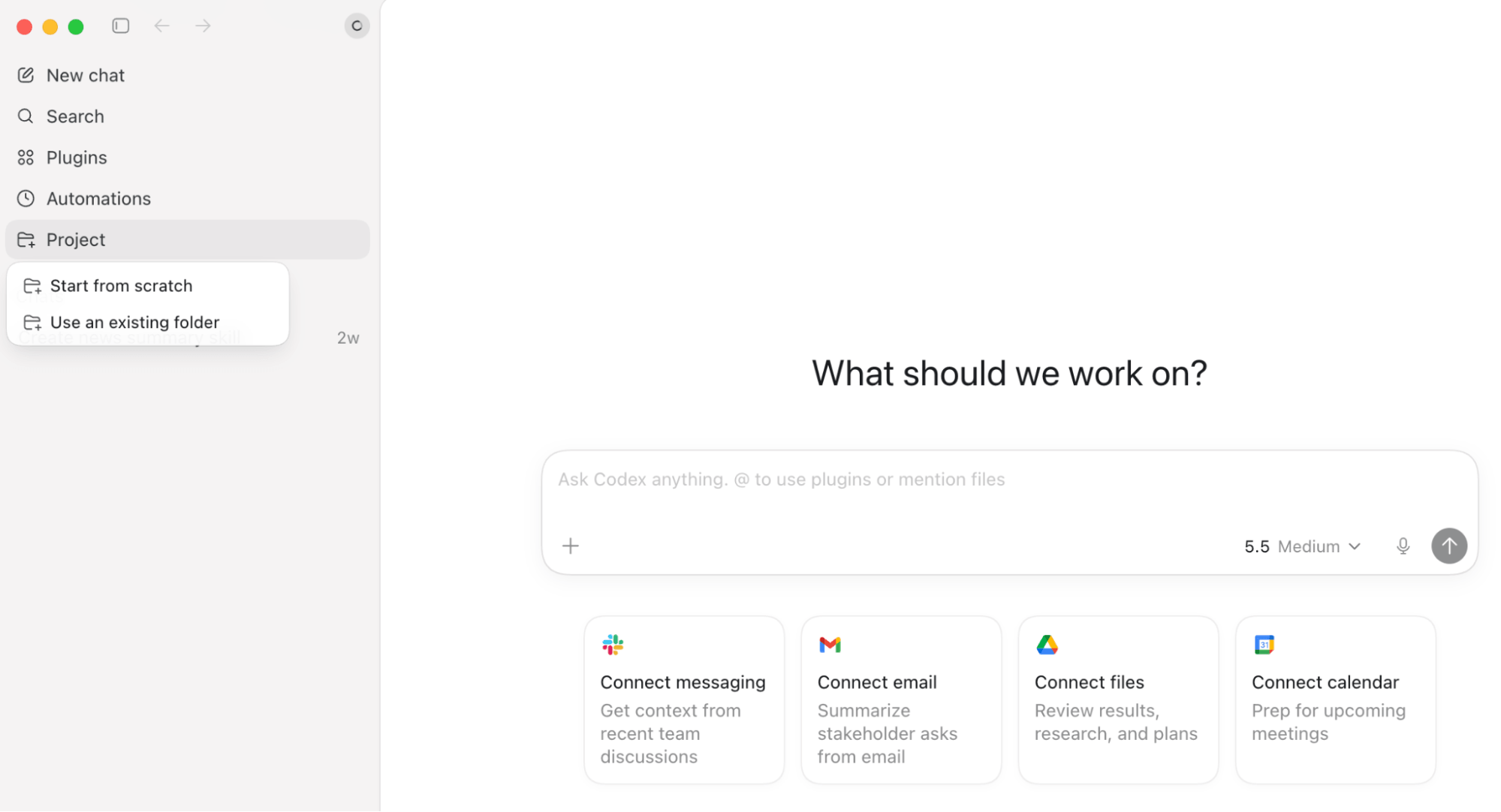
In standard web-based interactions, users engage with ChatGPT through a browser. While powerful, this environment is "sandboxed"—it cannot see your local files or interact with your desktop applications unless you manually upload data. Codex breaks these barriers. It is a dedicated desktop application (available for PC and Mac) that grants the AI model permission to "see" and "act" upon a user’s local environment and broader cloud ecosystem.
Key Capabilities
Unlike the standard ChatGPT interface, Codex offers several distinct advantages for business operations:
- Local File Interaction: It can read, modify, create, and delete files within specified folders on a local machine or network.
- Middleware-Free Integration: It bypasses the need for third-party automation platforms like Zapier or Make by connecting directly to APIs and browser-based tools.
- Proactive Execution: While standard AI waits for a prompt, Codex can be set to run on schedules or "heartbeats," performing tasks autonomously over hours or days.
II. Chronology: From LLM Chatbots to Autonomous Agents
The journey to Codex marks a pivotal stage in the democratization of AI.
- The Reactive Phase (2022-2023): The initial surge of AI adoption focused on generative text. Users provided a prompt, and the AI provided a response. The utility was limited by the "context window" and the inability of the AI to take action outside of the chat box.
- The Integrated Phase (Early 2024): OpenAI and competitors introduced "Plugins" and "GPTs," allowing the AI to fetch data from the web or specific datasets. However, these remained tethered to the browser environment.
- The Agentic Phase (Present): With the deployment of the Codex desktop app, the focus has shifted to "Agentic Workflows." The AI is no longer just a consultant; it is a digital employee capable of navigating a computer, managing files, and executing multi-step business processes without human oversight.
III. Supporting Data: Technical Architecture and Security Frameworks
For a business to successfully deploy Codex, it must move beyond the "download and play" phase and implement a rigorous structural framework. The power of Codex—its ability to access local systems—is also its greatest potential vulnerability.
Folder Scoping and Permissioning
The foundation of Codex’s business value lies in its connection to actual files. When a user starts a session, they must point the application to a specific directory. Yeh emphasizes a "Zero Trust" approach to this setup:
- Dedicated Folders: Never connect Codex to a root drive (e.g., C: or your main Documents folder). Instead, create a dedicated "Codex Workspace."
- Permission Tiers: Codex offers three levels of access. Users should start with "Default" permissions, which require the AI to ask for confirmation before performing sensitive actions, before graduating to "Full Permissions" for established, trusted workflows.
The Threat of Prompt Injection
A critical security data point for 2024 is the rise of "Prompt Injection." As businesses use agents to browse the web for research, they encounter websites embedded with hidden instructions. These "malicious prompts" are invisible to humans but can be read by the AI, potentially commanding the agent to:

- Extract contact information from the user’s synced email.
- Download and install unauthorized files.
- Exfiltrate sensitive financial data.
To combat this, Yeh proposes a Tri-Agent Framework:
- The Researcher: An agent that gathers raw data from the web but is isolated from sensitive internal folders.
- The Verifier: A second agent that reviews the gathered data for hidden commands or inconsistencies.
- The Executor: Only after the data is "cleaned" does the final agent move the information into the business’s primary workflow.
IV. Official Responses: Expert Insights on "Skills" and "Plugins"
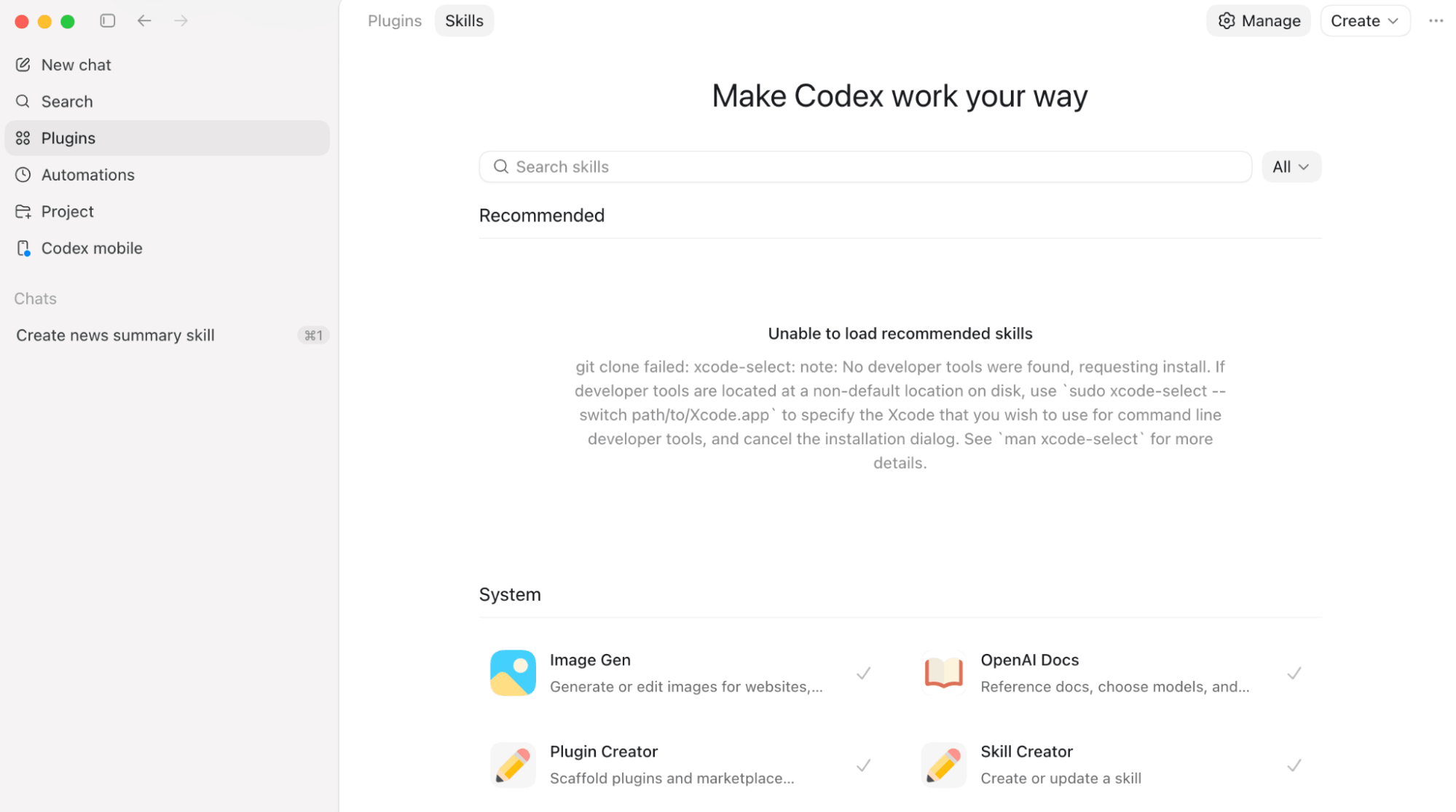
The true ROI of Codex is realized through its "Skills" and "Plugins" architecture. According to Karl Yeh, these features allow businesses to codify their Intellectual Property (IP) into repeatable AI actions.
Standardizing Brand Voice through Skills
A "Skill" is essentially a saved, high-level instruction set. For example, rather than asking an AI to "write a blog post" every time, a company can create a "Brand Voice Skill." This skill contains the company’s style guide, prohibited terms, and formatting requirements. Once deployed, any employee using Codex can invoke that skill, ensuring 100% consistency across the organization’s output.
The Chrome Plugin: The Legacy Software Bridge
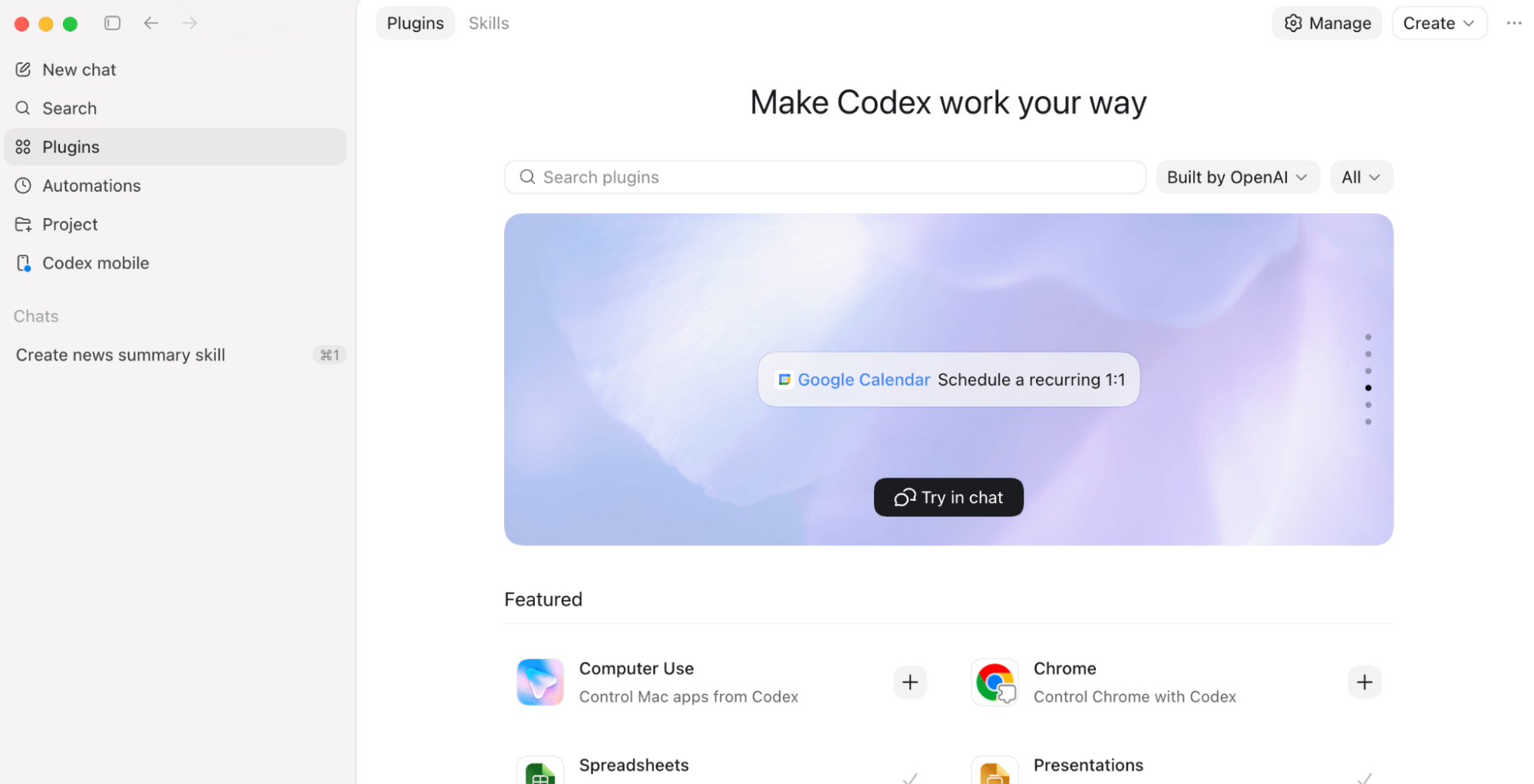
Perhaps the most transformative tool within the Codex ecosystem is the Chrome Plugin. Many businesses rely on "legacy software"—tools that are essential but lack modern APIs for automation. The Codex Chrome extension allows the AI to:
- Open a browser and navigate to a specific URL.
- Click buttons and fill out forms.
- Scrape data from password-protected dashboards.
This effectively turns any web-based software into an automatable asset.
The /goal Command and Heartbeats
OpenAI has introduced the /goal command, which serves as a directive for long-term tasks. When a user inputs a goal, Codex does not just provide a reply; it generates a plan and works independently until the task is finished.
Complementing this is the "Heartbeat" function. This allows Codex to "wake up" at set intervals (e.g., every four hours) to check for updates, monitor mentions, or reconcile logs, providing a persistent digital presence that does not require human triggers.
V. Practical Application: Case Studies in Efficiency
To illustrate the tangible impact of Codex, consider the digital transformation of a mid-sized construction firm profiled by Yeh. This organization faced two labor-intensive bottlenecks: invoice reconciliation and daily field logs.

Case Study A: Invoice Reconciliation
- The Problem: The firm spent 16–24 man-hours per month manually comparing vendor invoices against internal spreadsheets to find discrepancies or duplicates.
- The Codex Solution: The firm established a dedicated folder for each vendor. A Codex automation was set to trigger every Sunday night. Codex spawned "sub-agents"—one for each vendor—to simultaneously scan the folders, run a "Reconciliation Skill," and generate a master report.
- The Result: The process was reduced from three days of manual labor to 20 minutes of unattended AI processing.
Case Study B: Legacy System Integration
- The Problem: Foremen were required to log into a slow, legacy project management system, click through seven different screens to export a field log, and then manually add Excel formulas to calculate project health. This took 10 minutes per log, every day.
- The Codex Solution: Using the Chrome Plugin and the "Computer Use" feature, Karl built a workflow where Codex logs into the system overnight, exports the files, applies the formulas, and sends a summary to the foremen’s iMessage via a Notion integration.
- The Result: Foremen now begin their day with a completed analysis rather than a data-entry chore.
VI. Implications: The Future of the Autonomous Enterprise
The emergence of Codex signals a "Great Decoupling" in the tech industry. For years, businesses have been tethered to "middleware" (Zapier, Make) to connect their apps. Codex suggests a future where the AI agent is the middleware. By interacting directly with the browser and the desktop, Codex reduces the cost of automation and the complexity of maintaining dozens of third-party connections.
The Shift in Human Labor
As proactive agents take over routine monitoring and reconciliation, the role of the human employee shifts from "executor" to "architect." Success in the Codex era will not be defined by who can perform the task the fastest, but by who can define the "Skill" and the "Goal" with the most precision.
Strategic Advantages
Organizations that adopt Codex today are building a library of "automated IP." By documenting their workflows into AI Skills, they are creating a resilient business model where institutional knowledge is not lost when an employee leaves. Instead, the "Skill" remains in the Codex directory, ready to be executed by the next person—or the next agent.
In conclusion, OpenAI’s Codex is far more than a coding tool; it is a comprehensive operating system for the modern business. By bridging the gap between local files, legacy software, and the power of LLMs, it offers a path toward a truly autonomous enterprise, provided that leaders approach its deployment with a "security-first" mindset.