The Honda City Legacy: Two and a Half Decades of Defining the Indian Sedan Segment
By Lakshya Rana
Published: June 25, 2026
In the ever-evolving landscape of the Indian automotive industry, few names resonate with as much authority and prestige as the Honda City. As of June 2026, the sedan marks a milestone that few vehicles in the country ever reach: over 28 years of continuous presence in the market. Since its debut in 1998, the City has not merely been a product for the Japanese manufacturer; it has been a benchmark for comfort, reliability, and engineering excellence, effectively shaping the aspirations of the Indian middle class for generations.
The Genesis: A New Era for Indian Motoring
When Honda first introduced the City to Indian roads in 1998, the market was dominated by rudimentary hatchbacks and aging, utilitarian sedans. The arrival of the City, with its sleek design, refined engine, and a level of build quality that was previously unseen in the price segment, sent shockwaves through the industry.
The first-generation City brought the "i-VTEC" philosophy to the forefront, proving that a family car could be both fuel-efficient and genuinely engaging to drive. It became an instant status symbol. It wasn’t just about getting from point A to point B; it was about the experience of the drive, the soft-touch materials, and the badge value that commanded respect on the highways and in the city traffic alike.
Chronology: A Quarter-Century of Evolution
To understand the enduring success of the Honda City, one must look at its evolutionary trajectory. Each generation served as a reflection of the changing needs of the Indian consumer.
The Foundation (1998–2003)
The original City established the template. It was light, nimble, and boasted a VTEC engine that enthusiasts still reminisce about today. It prioritized driver engagement and set the standard for what a mid-size sedan should feel like.
The "Dolphin" Era (2003–2008)
The second generation, often referred to as the "Dolphin" shape due to its rounded aesthetics, was a masterclass in space management. Honda introduced the concept of the "man-maximum, machine-minimum" design philosophy, which maximized cabin space, making it a favorite for families requiring rear-seat comfort.
The Arrow-Shot Design (2008–2014)
The third iteration shifted gears toward a sharper, more aggressive design language. It introduced features like paddle shifters and a sunroof, cementing the City’s position as a premium offering in the segment. It was during this period that the City became the default choice for the executive class.
The Modern Benchmark (2014–2020)
The fourth generation saw the introduction of a diesel powertrain—the i-DTEC—which was a strategic move to tap into the high demand for oil-burners in India at the time. This generation was characterized by its fuel efficiency and a more sophisticated infotainment suite.
The Digital Shift (2020–Present)
The current generation represents the most technologically advanced City to date. With the introduction of Honda SENSING (Advanced Driver Assistance Systems) and the robust e:HEV hybrid powertrain, the City has transitioned from a traditional sedan to a tech-forward mobility solution.
Supporting Data: Why the City Persists
Despite the massive shift in consumer preference toward compact and mid-size SUVs, the Honda City has managed to maintain a consistent market share. Data suggests that the City’s loyal customer base is driven by three primary pillars:
- Engine Reliability: Honda’s petrol engines are widely regarded as the most reliable in the industry. Many owners report clocking over 200,000 kilometers with minimal maintenance outside of standard wear-and-tear.
- Resale Value: The City holds its value better than almost any other sedan in the Indian market. A five-year-old City often commands 60–70% of its original purchase price, making it a sound financial investment.
- Safety Standards: With the recent integration of the Honda SENSING suite, the City offers collision mitigation braking, adaptive cruise control, and lane-keeping assist, positioning it as one of the safest sedans on the road today.
The 2026 Facelift: A Strategic Refresh
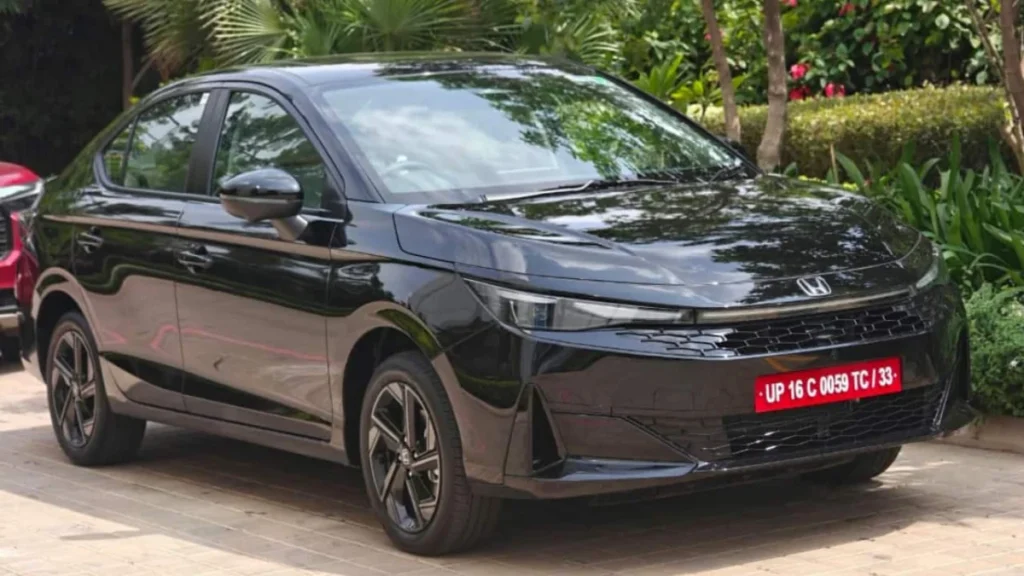
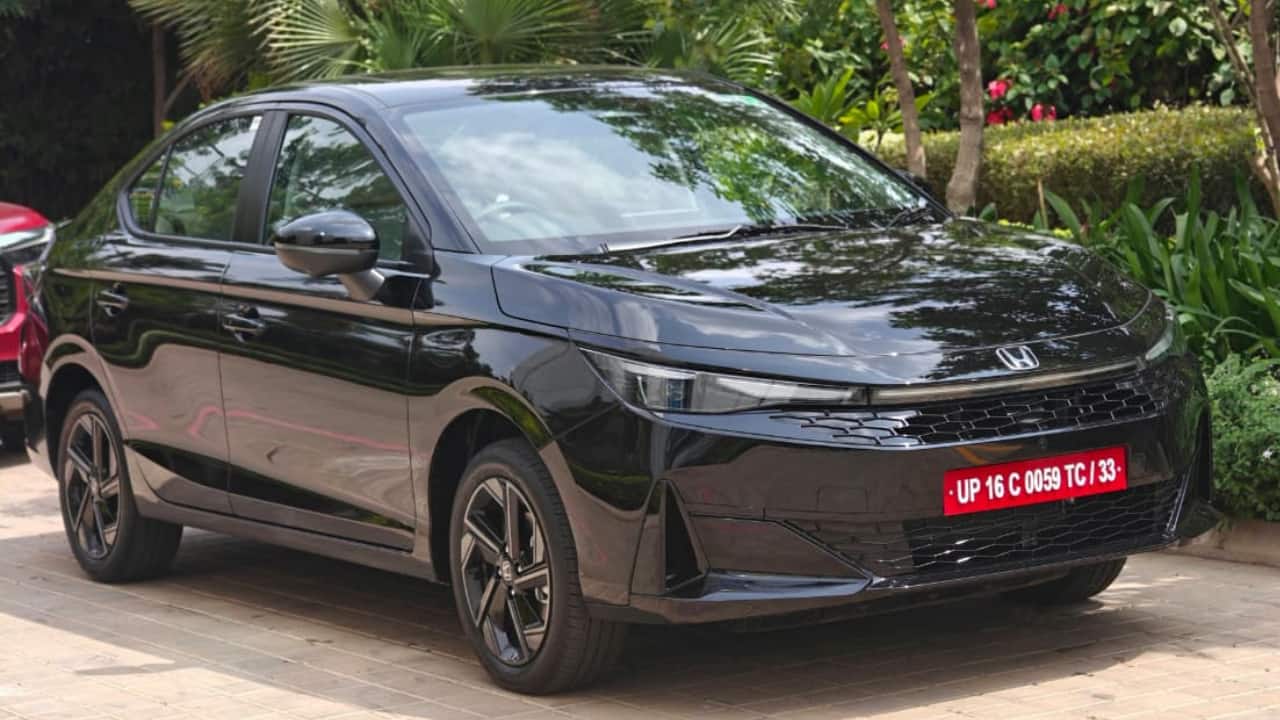
As we evaluate the 2026 facelift, the core question remains: Is it still the king of the segment? The latest update brings subtle aesthetic tweaks—a sharper front grille, refined LED lighting signatures, and upgraded interior upholstery.
However, the real value lies in the refinement of the hybrid powertrain. Honda has focused on reducing NVH (Noise, Vibration, and Harshness) levels to near-luxury standards. For those debating a purchase in mid-2026, the pros are clear: a proven, high-reliability platform, best-in-class rear-seat legroom, and an engine that continues to set the benchmark for smoothness. The cons, however, are dictated by the market: a lower ground clearance compared to SUVs and a trunk space that, while generous, cannot match the vertical utility of a crossover.
Official Perspectives: The Road Ahead
In recent interactions, Honda Cars India executives have reiterated that the sedan remains a core pillar of their global strategy. While the company is aggressively expanding its SUV portfolio, the City is viewed as a "heritage product" that will continue to receive investment.
"The City is the soul of Honda in India," an official statement noted. "Our focus for the 2026 model year was to blend our legacy of reliability with the digital demands of the modern driver. We aren’t just selling a car; we are maintaining a standard that our customers have trusted for over two decades."
Implications for the Indian Automotive Market
The longevity of the Honda City serves as a critical case study for the automotive industry. It proves that in a market obsessed with "the latest trend," there is still a massive demographic that values substance over hype.
The SUV vs. Sedan Debate
The rise of the "Creta-class" SUVs has undoubtedly cannibalized sedan sales. However, the City has survived by evolving into a "lifestyle" vehicle rather than just a utilitarian one. It has positioned itself as a sophisticated alternative to the boxy, high-riding SUVs that currently dominate the roads.
The Transition to Electrification
With the e:HEV hybrid system, the City is serving as a bridge for Indian consumers who are wary of full-electric vehicles (EVs) due to range anxiety and charging infrastructure concerns. By offering a self-charging hybrid, Honda is successfully capturing the eco-conscious buyer who is not yet ready to commit to a battery-electric vehicle.
Final Verdict: Is it Time to Buy?
If you are currently in the market for a vehicle, the 2026 Honda City remains an compelling proposition. It is a car for the discerning driver—someone who appreciates the tactile feedback of a steering wheel, the silence of a hybrid powertrain, and the heritage of a brand that has consistently delivered for 28 years.
As we look toward the future, it is clear that while the form factor of the automobile may change—moving toward electrification and autonomous assistance—the values that the Honda City represents will remain constant. It is a reminder that in an era of disposable technology, some things are built to last.
For the potential buyer, the 2026 facelift is not merely a purchase; it is an entry into a long-standing legacy of excellence. If you value comfort, long-term reliability, and a driving experience that feels as refined as the day it was built, the City remains, quite arguably, the best sedan your money can buy in India today.
Disclaimer: This article reflects the market conditions and product specifications as of June 2026. Prospective buyers are advised to visit local dealerships for test drives and to verify current pricing and availability in their respective regions.