The Dawn of the Agentic Era: nubia Unveils the NaviX Ultra, the World’s First AI-Agent Smartphone
The landscape of mobile technology is undergoing a tectonic shift. For over a decade, the smartphone has been a passive portal—a screen we tap, swipe, and command. However, as the industry pivots toward ambient computing and generative intelligence, the definition of a "smart" device is being rewritten. Stepping boldly into this new frontier, nubia has officially pulled back the curtain on the NaviX Ultra, a device the company is positioning not merely as a high-performance handset, but as the world’s first true "AI-agent smartphone."
Unveiled shortly after an initial tease at the World Artificial Intelligence Conference (WAIC) in China, the NaviX Ultra represents a significant departure from traditional flagship development. By integrating sophisticated autonomous agents directly into the operating system, nubia aims to transform the smartphone from a tool into a proactive digital companion.
The Genesis of the NaviX Ultra: A Chronology of Innovation
The journey toward the NaviX Ultra has been one of rapid acceleration. While competitors have spent the last 18 months integrating LLMs (Large Language Models) into basic tasks like photo editing or text summarization, nubia’s development cycle appears to have been focused on a deeper architectural integration.
The Tease (July 2026)
Last week, at the World Artificial Intelligence Conference, industry whispers grew into a roar when nubia teased an upcoming device that would fundamentally change the user-AI relationship. The teaser was cryptic, focusing on "agentic capabilities" rather than hardware benchmarks, signaling that the company was pivoting its R&D focus toward software autonomy.
The Official Unveil
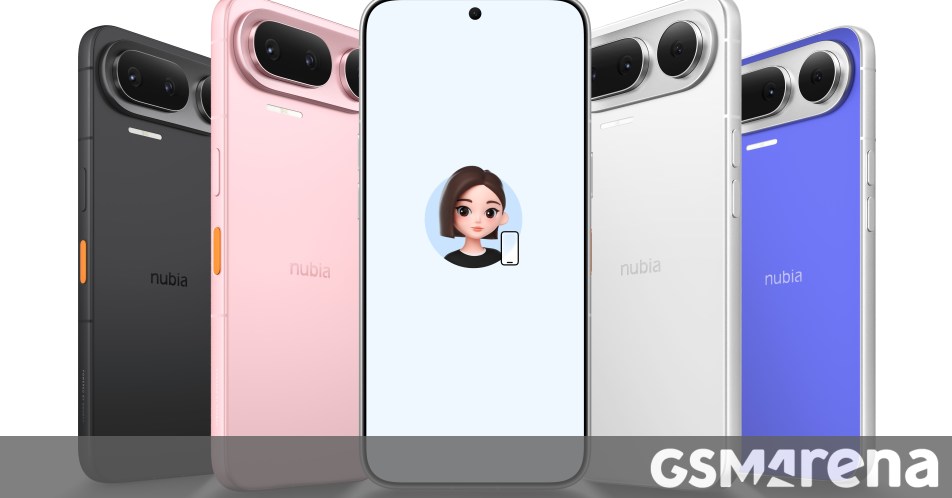
Following the WAIC buzz, nubia took to Weibo to provide a comprehensive look at the device’s physical design and core software identity. The announcement confirmed the moniker "NaviX Ultra," effectively setting the stage for a new category of mobile hardware.
Recognition and Accolades
Perhaps the most significant signal of the phone’s potential is its reception by the scientific and tech community. Ahead of the official 2026 proceedings, the NaviX Ultra was honored with the prestigious SAIL (Super AI Leader) Award. This accolade, granted to technologies that demonstrate significant breakthroughs in the field of artificial intelligence, validates that the NaviX Ultra is not just a marketing gimmick, but a project recognized for its technical depth and societal potential.
Design Language: Where Aesthetics Meet Intelligence
While the software is the headline, the hardware of the NaviX Ultra is far from an afterthought. nubia has opted for a bold, modern aesthetic that distinguishes the device in a crowded market.
The Pixel-Style Camera Bar
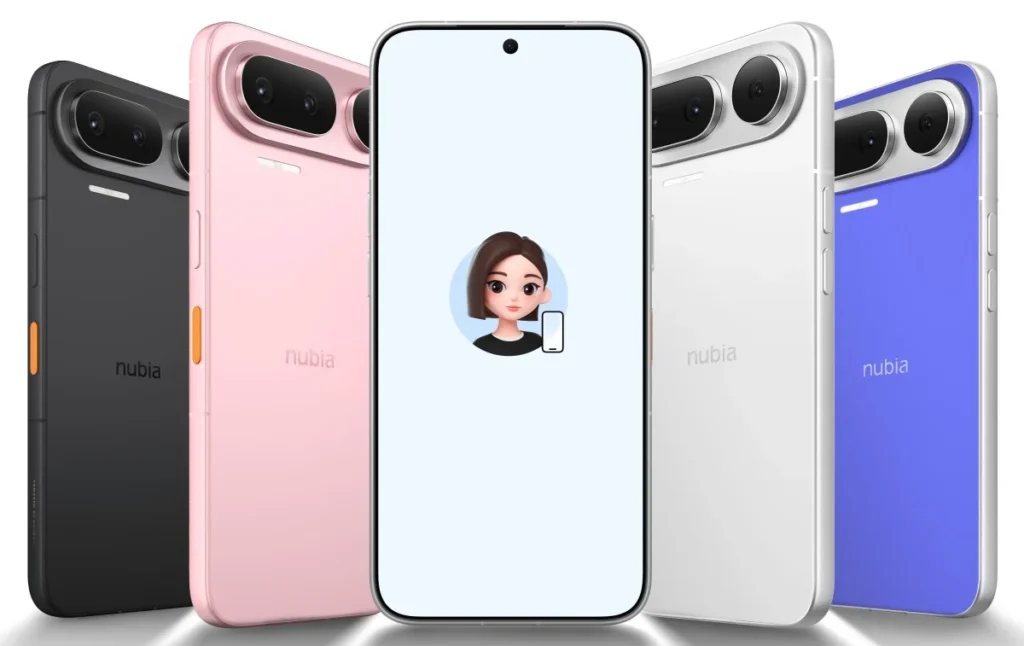
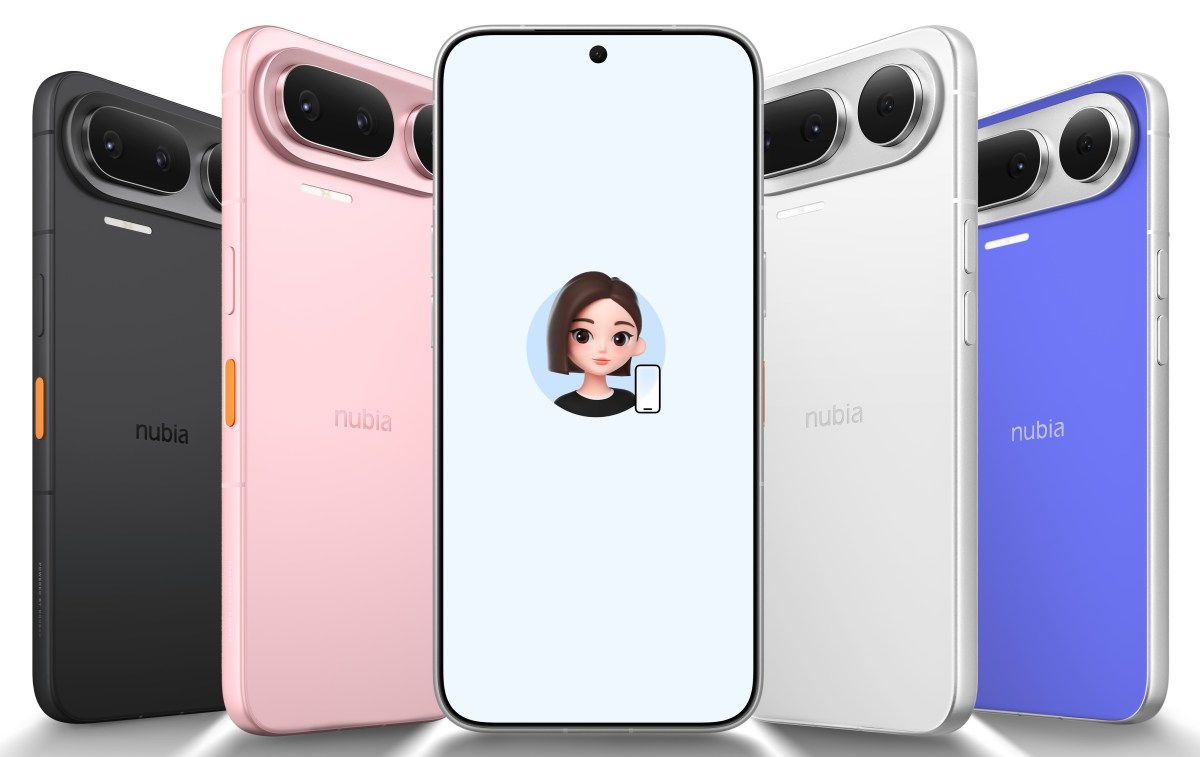
The rear of the NaviX Ultra features a distinctive triple-camera array housed within a horizontal "camera bar." This design choice—reminiscent of recent high-end trends seen in the Google Pixel line—not only provides a stable base for the device when placed on a flat surface but also serves as a visual anchor for the phone’s sophisticated imaging sensors.
Palette and Personalization
Recognizing that a flagship device is a personal accessory, nubia has announced an extensive launch color palette. The device will be available in four distinct finishes:
- Blue Horizon: A deep, professional hue.
- Black: A classic, understated matte finish.
- Dreamscape: A gradient-heavy, futuristic aesthetic.
- White: A clean, minimalist look.
These options suggest that while the device is packed with enterprise-grade AI, nubia is targeting a broad demographic, from tech enthusiasts to fashion-forward consumers.
The Brain of the Machine: The Doubao Assistant
The core value proposition of the NaviX Ultra is its integration with the Doubao mobile assistant. Unlike traditional voice assistants that require specific, rigid commands, the Doubao agent is designed for multi-step reasoning.
Beyond Voice Commands
The "Agent" designation is the critical differentiator here. Traditional assistants operate on a "Command-Response" loop: you ask for the weather, and the phone displays the weather. An "Agent," by contrast, can perform tasks on behalf of the user. For instance, if a user requests, "Plan a trip to Shanghai for the weekend," an agentic system like the one powered by Doubao on the NaviX Ultra could theoretically look at the user’s calendar, check flight availability, compare hotel prices, and draft an itinerary—all without the user needing to toggle between five different applications.
Privacy and Local Processing
While full technical specifications remain under wraps, the integration of an AI agent at this level implies a significant requirement for on-device processing. To maintain the fluidity of an "agent," latency must be near zero. This suggests that the NaviX Ultra likely utilizes a cutting-edge chipset with a dedicated Neural Processing Unit (NPU) capable of handling heavy inference locally, ensuring that user data remains private and the assistant remains responsive even without a stable internet connection.
Industry Implications: Why the "Agent" Matters
The arrival of the NaviX Ultra marks a fundamental transition in the smartphone industry. For years, the "spec sheet war"—focusing on RAM, refresh rates, and megapixel counts—has been the primary driver of consumer interest. With the NaviX Ultra, the focus shifts to "User Intent."
The Death of the App-Centric Model
For two decades, our digital lives have been siloed into applications. We use one app for banking, another for food delivery, and another for travel. The agentic smartphone model threatens to disrupt this status quo. If the NaviX Ultra can perform tasks across apps via an API-driven agent, the necessity of opening individual applications may diminish. This could lead to a future where the OS itself is the only interface the user interacts with, significantly altering the mobile advertising and app-store economy.
Setting a New Benchmark for Competitors
By winning the SAIL Award, nubia has set a high bar. Competitors like Samsung, Apple, and Xiaomi are all racing to implement similar agentic features. However, by being the first to market with a dedicated "AI-agent" device, nubia has successfully captured the narrative. They have shifted the conversation from "What can this phone do?" to "What can this phone help me achieve?"
Looking Ahead: The Road to Release
Despite the excitement surrounding the unveiling, several questions remain. nubia has been notably quiet regarding the internal hardware specifications—such as the SoC (System on Chip), battery capacity, and display resolution. Furthermore, the pricing strategy remains a mystery. Given the complexity of the AI hardware required to support such an advanced agent, industry analysts expect the NaviX Ultra to sit at the premium end of the market.
Upcoming Milestones
- Technical Deep Dive: nubia is expected to release a detailed breakdown of the NaviX Ultra’s internal hardware in the coming days, which will clarify the NPU capabilities and the RAM configuration required to run the Doubao assistant efficiently.
- Regional Availability: While the announcement was heavily focused on the Chinese market, global consumers are already expressing interest. It remains to be seen if the "agentic" capabilities will be localized for international markets or if the initial rollout will be restricted to China.
- Software Ecosystem: A key concern for early adopters will be the breadth of the Doubao assistant’s integration. Will it support third-party apps, or will it be limited to the core OS functions? The success of the NaviX Ultra will likely depend on the number of third-party developers that choose to integrate with this new agentic framework.
Conclusion
The nubia NaviX Ultra is more than just a new smartphone; it is an early, aggressive iteration of the next generation of computing. By focusing on agentic intelligence, nubia is attempting to solve the "app fatigue" that plagues modern smartphone users, offering instead a device that understands, anticipates, and acts.
As the industry prepares for the formal release, the NaviX Ultra serves as a reminder that the most significant innovations in technology are not always found in clock speeds or display density, but in how seamlessly our devices can bridge the gap between our intentions and their execution. Whether the NaviX Ultra lives up to its promise as the first true AI-agent smartphone remains to be seen, but one thing is certain: the era of the passive smartphone is coming to a close. The era of the proactive, agentic device has officially begun.