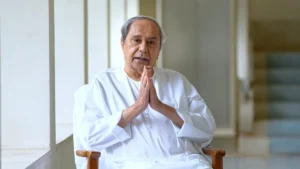
A Titan of Tamil Cinema: Remembering K. Bhagyaraj (1953–2026)

The landscape of Tamil cinema has been irrevocably altered following the passing of K. Bhagyaraj, the legendary filmmaker, actor, screenwriter, and composer. A visionary who transformed the "guy-next-door" archetype into a cultural phenomenon, Bhagyaraj breathed his last on Saturday, June 27, 2026, at the age of 73. His death, triggered by a massive heart attack, marks the end of an era that bridged the gap between traditional storytelling and the nuanced, character-driven narratives of modern Indian cinema.
The Final Curtain: A Nation Mourns
The news of his passing broke early Saturday morning, sending shockwaves through the corridors of the film industry and the hearts of millions of fans. According to reports from Apollo Hospital in Chennai, where the auteur was rushed following a medical emergency, doctors attempted extensive resuscitation efforts, but the cardiac event proved fatal.
In a testament to his monumental impact on the state’s cultural identity, Tamil Nadu Chief Minister C. Joseph Vijay arrived at the hospital to pay his final respects. The Chief Minister confirmed that the State government would accord full state honours to the departed legend, acknowledging his lifelong contribution to the arts and his role in shaping the social discourse of Tamil Nadu through his films.
A Life Defined by Creativity: A Chronological Journey
K. Bhagyaraj’s journey was not merely a career; it was a masterclass in cinematic evolution.
The Early Days and Mentorship (1970s)
Born in the early 1950s, Bhagyaraj’s entry into the industry was defined by his keen observational skills and a desire to dismantle the high-drama tropes of the time. His formal introduction to the industry began under the tutelage of the late veteran director Bharathiraja. Working as an assistant director on the iconic 1977 film 16 Vayathinile, Bhagyaraj absorbed the nuances of rural realism and character development. It was this apprenticeship that set the foundation for his own unique brand of filmmaking—one that balanced wit, social commentary, and emotional depth.
The Golden Era of the Auteur (1980s–1990s)
By the 1980s, Bhagyaraj had established himself as a triple threat: writer, director, and actor. His films were celebrated for their "script-first" approach. Unlike his contemporaries, who often relied on star power, Bhagyaraj’s cinema was driven by the screenplay. He gained fame for his signature "Bhagyaraj style," which often involved complex plot structures, witty dialogue, and protagonists who were relatable, imperfect, and deeply human.
Throughout his career, he explored themes ranging from patriarchal norms to the intricacies of domestic life, all while maintaining a commercial viability that few of his peers could replicate. His recent completion of 50 years in the film industry, celebrated earlier this year, served as a nationwide acknowledgement of his enduring legacy.

The Many Faces of Bhagyaraj: Artistic Contributions
To understand the loss of K. Bhagyaraj, one must examine his multifaceted contributions.
- As a Screenwriter: He is widely considered one of the greatest screenplay writers in the history of Indian cinema. His ability to weave sub-plots that converged in clever, often unexpected ways earned him the nickname "The Script Doctor" among industry insiders.
- As a Director: His directorial ventures were known for their distinct visual grammar. He understood the power of the frame to reflect the internal state of his characters, a technique that influenced a generation of filmmakers who followed in his footsteps.
- As a Composer and Producer: Beyond the camera, his involvement in the musicality of his films and his hands-on approach to production ensured that his vision remained uncompromised.
The Cultural Impact: A Legacy of "The Guy Next Door"
Bhagyaraj was not an icon of the untouchable variety; he was an icon of the common man. His characters were often struggling with middle-class realities, navigating the tension between tradition and modernity, or finding humor in the absurdity of everyday life.
By portraying the "everyman," he fostered a unique intimacy with his audience. Fans did not just watch a Bhagyaraj film; they saw their own lives reflected on the screen. Whether it was the heartbreak of unrequited love or the complexities of a crumbling marriage, he treated every emotion with a dignity that made his work timeless.
Official Responses and Public Outpouring
The reaction to his passing has been unprecedented. Political figures, fellow actors, and international film critics have joined the public in expressing their grief.
Political Tributes
Chief Minister C. Joseph Vijay, while overseeing the arrangements for the state funeral, noted: "Bhagyaraj was not just a filmmaker; he was a social commentator who used the medium of cinema to ask difficult questions. His loss is a vacuum that cannot be filled. The state government stands with his family in this hour of sorrow, and we will ensure he is laid to rest with the dignity he so rightfully earned."
Industry Reflections
Social media platforms were flooded with tributes from the film fraternity. Veteran actors and young directors alike have credited Bhagyaraj with teaching them the "grammar of cinema." Many noted the irony that his passing follows so closely after the death of his mentor, Bharathiraja, earlier this month. The loss of both men within a single month marks the end of a foundational pillar of the Tamil cinematic renaissance.
Implications for the Future of Tamil Cinema
The departure of K. Bhagyaraj leaves a significant void in the industry, particularly in the realm of scriptwriting and original storytelling. In an era where large-scale spectacles often dominate the box office, Bhagyaraj’s commitment to the "story-driven" film serves as a poignant reminder of what made the Golden Age of Tamil cinema so successful.

His legacy will continue to influence future generations through his vast filmography, which remains a core study for students of film in India. The challenge for the industry now lies in preserving his archives, fostering the kind of experimental spirit he championed, and ensuring that his teachings on screenplay structure continue to be passed down.
Personal Life and Family
Bhagyaraj is survived by his wife, the talented actor Poornima Bhagyaraj, and their two children, actor Shanthanu and Saranya. The family, which has been a prominent fixture in the Tamil entertainment world for decades, has requested privacy as they navigate this difficult period of mourning. Their collective presence in the industry ensures that the Bhagyaraj name will remain synonymous with artistic integrity for years to come.
Conclusion: A Final Farewell
As the liveblog of his passing concludes, the focus shifts from the shock of the news to the endurance of his memory. K. Bhagyaraj was a man who understood that cinema was the ultimate mirror to society. He held that mirror up with clarity, wit, and immense empathy.
While the state prepares for the funeral with the honour and respect due to a cultural giant, the true memorial to Bhagyaraj will not be found in monuments or official ceremonies, but in the countless films that continue to play on screens across the world, bringing laughter, tears, and thought to audiences for generations to come.
The cameras have stopped rolling, but the story of K. Bhagyaraj is etched permanently into the history of Indian culture. He leaves behind a legacy that is, in every sense of the word, cinematic.